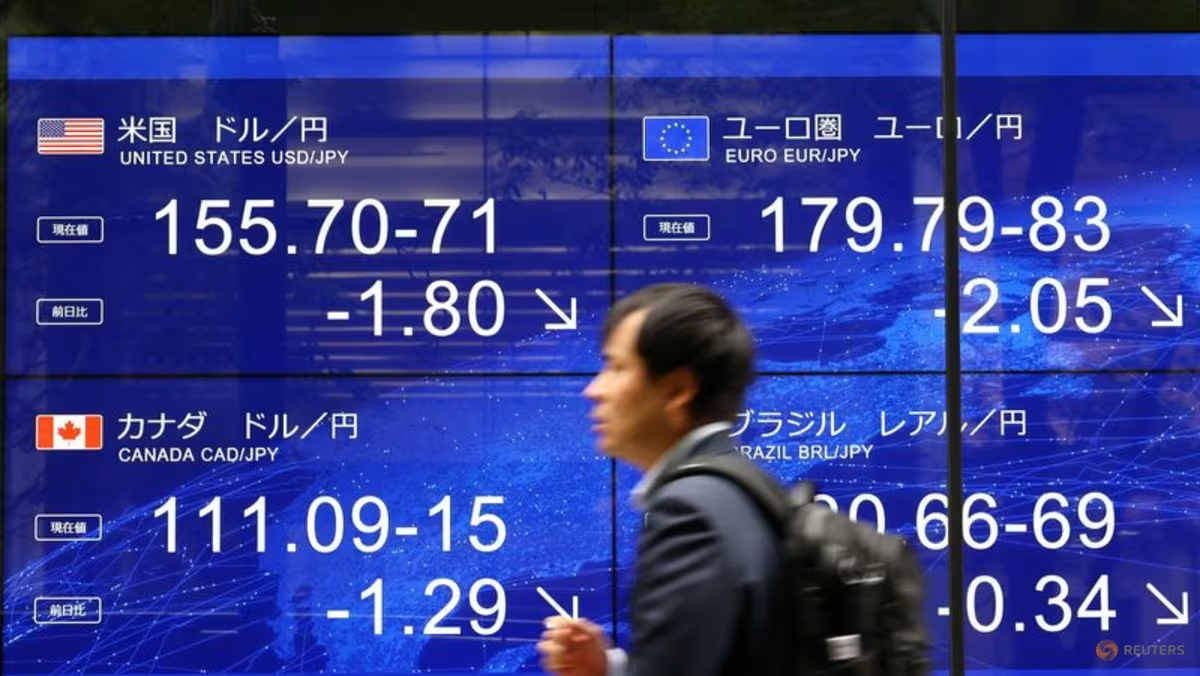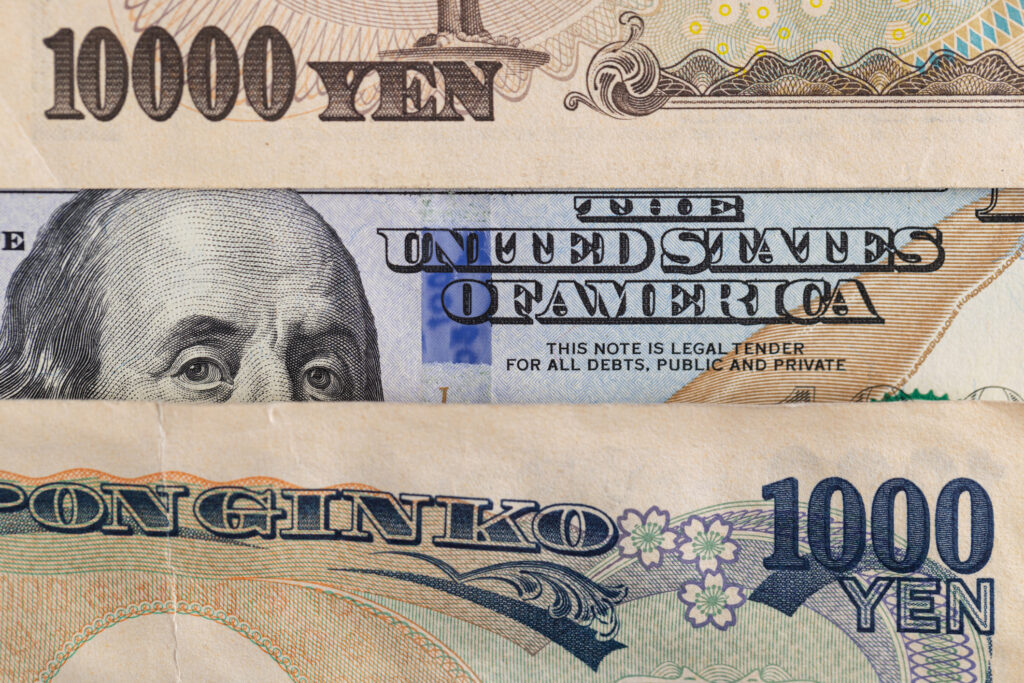
Last week’s attempt to boost the sagging yen wasn’t the first time the U.S. and Japan took such joint action, but the way they did it revealed weakness in the dollar’s global status, according to a top currency expert.
In a Financial Times op-ed on Tuesday, University of California at Berkeley economist Barry Eichengreen pointed to both sides of the currency intervention, which he said reflected concern about long-term yields going up.
On the U.S. end, the New York Fed sold euros instead of dollar-denominated assets to buy yen. Eichengreen said that allowed the U.S. to avoid calling on financial markets to absorb more Treasury securities.
That’s as the federal government must finance a $2 trillion budget deficit this fiscal year, meaning it’s already issuing a flood of Treasury debt. Meanwhile, it’s also competing against AI hyperscalers who are selling a mountain of their own bonds.
The tsunami of public and private debt as well as the competition for investor demand have put upward pressure on yields, which adds to interest costs and the federal deficit.