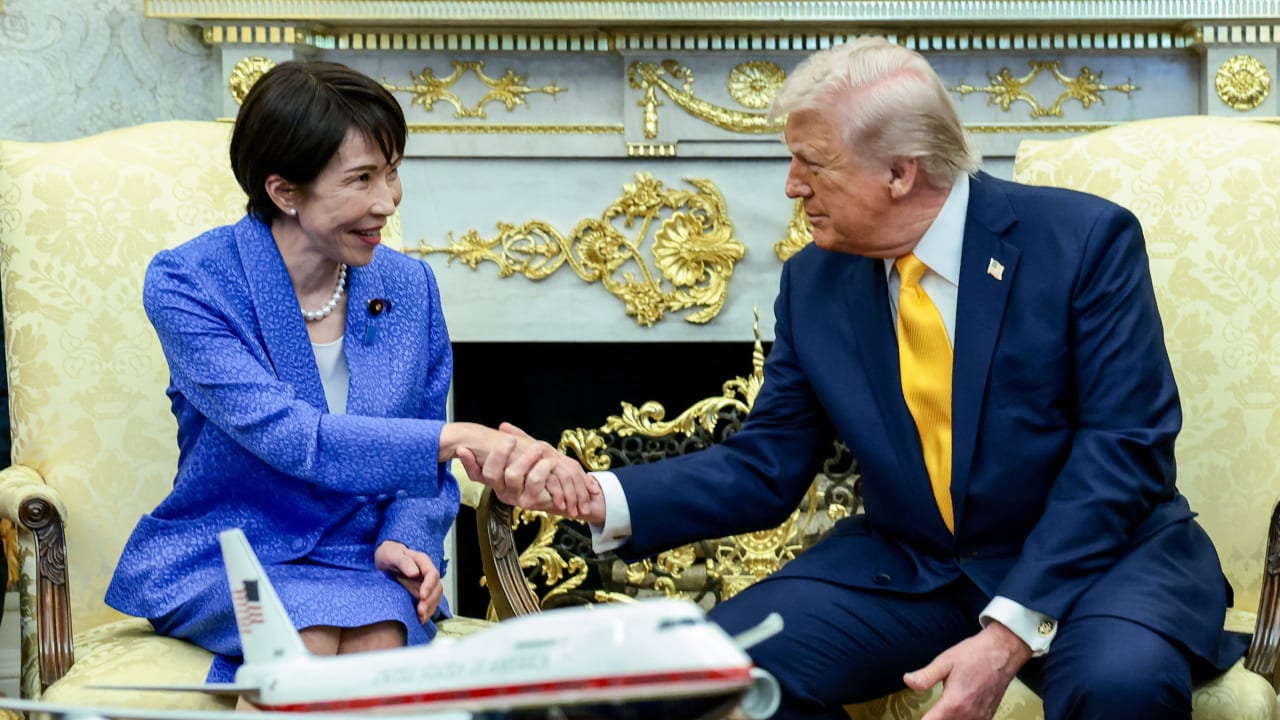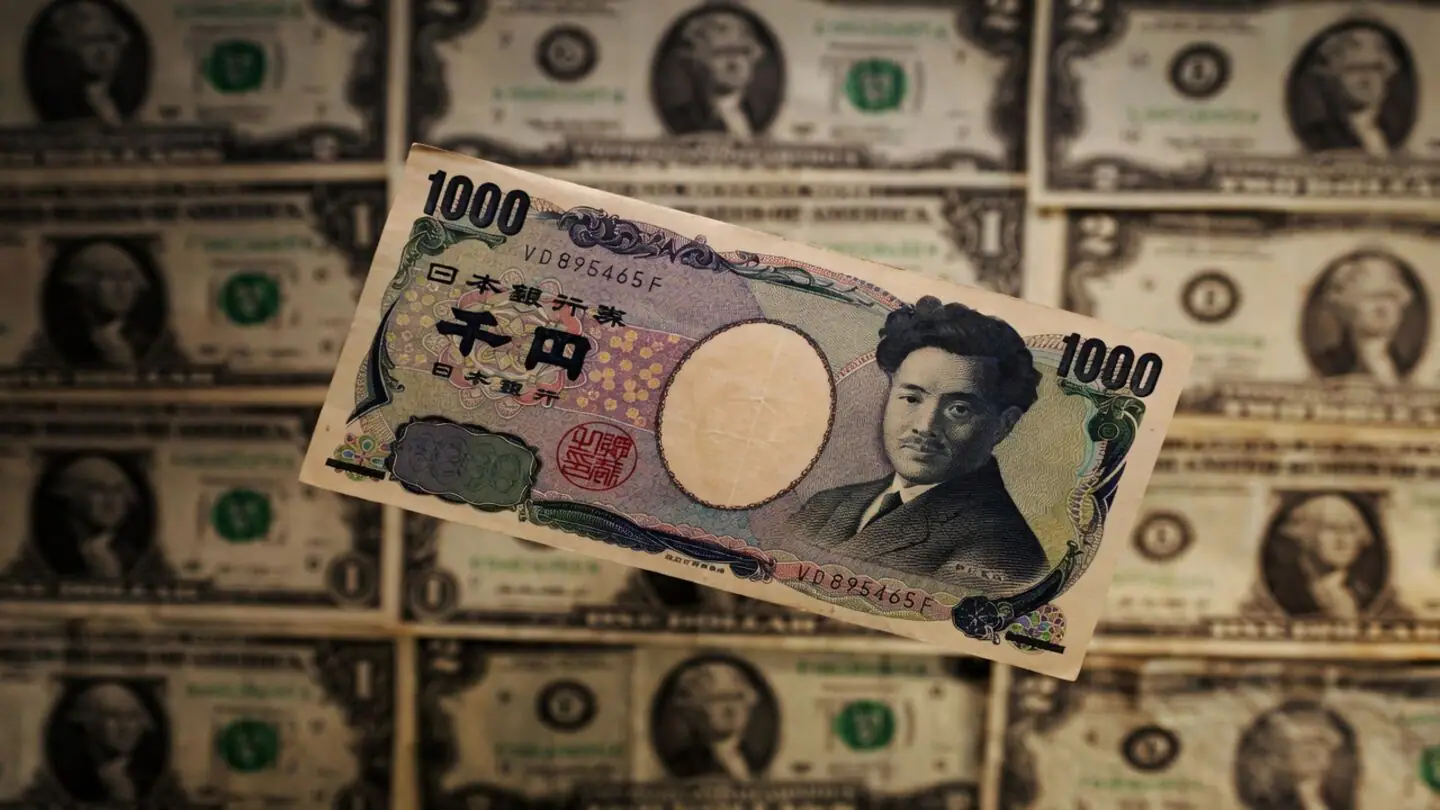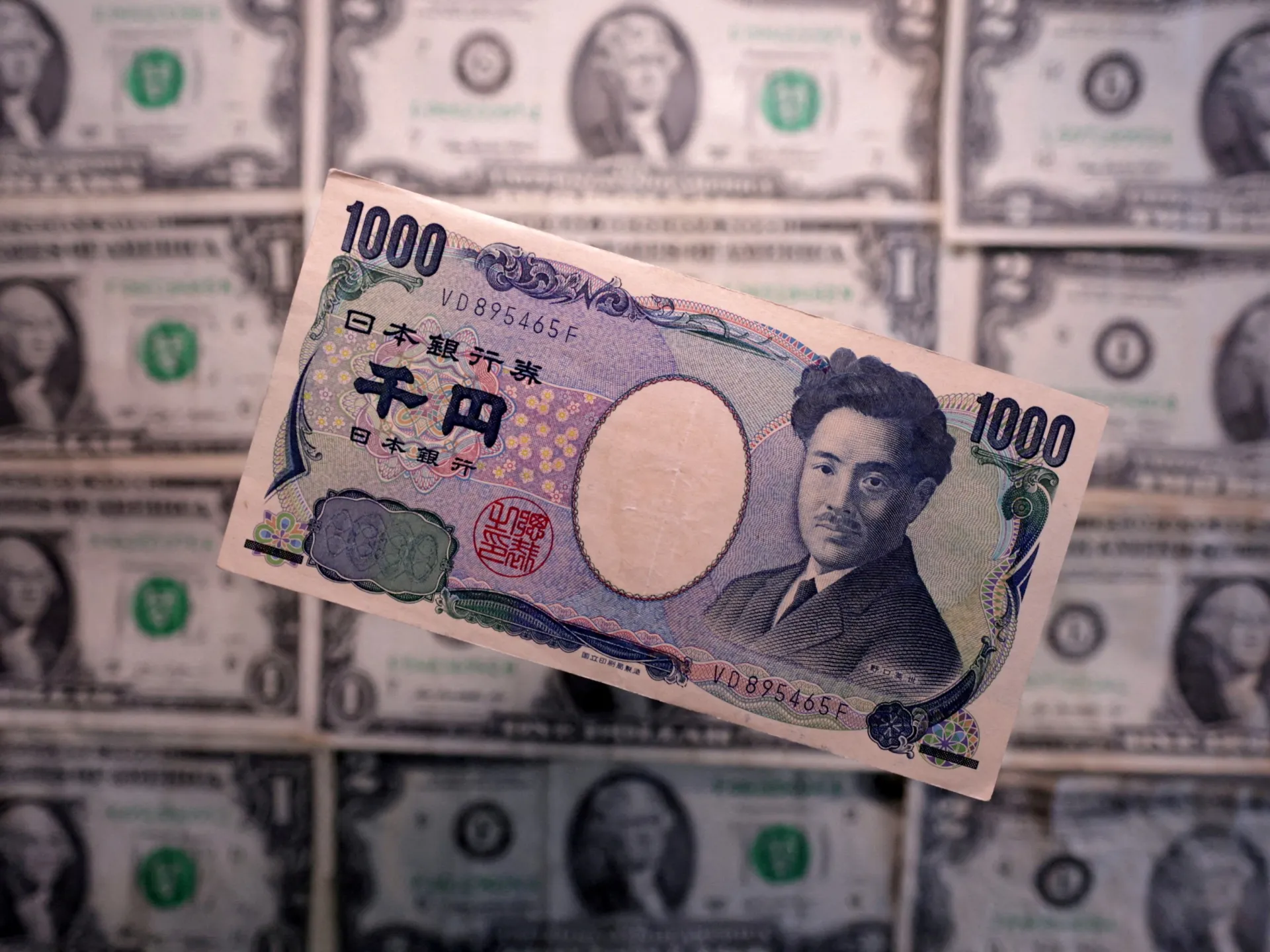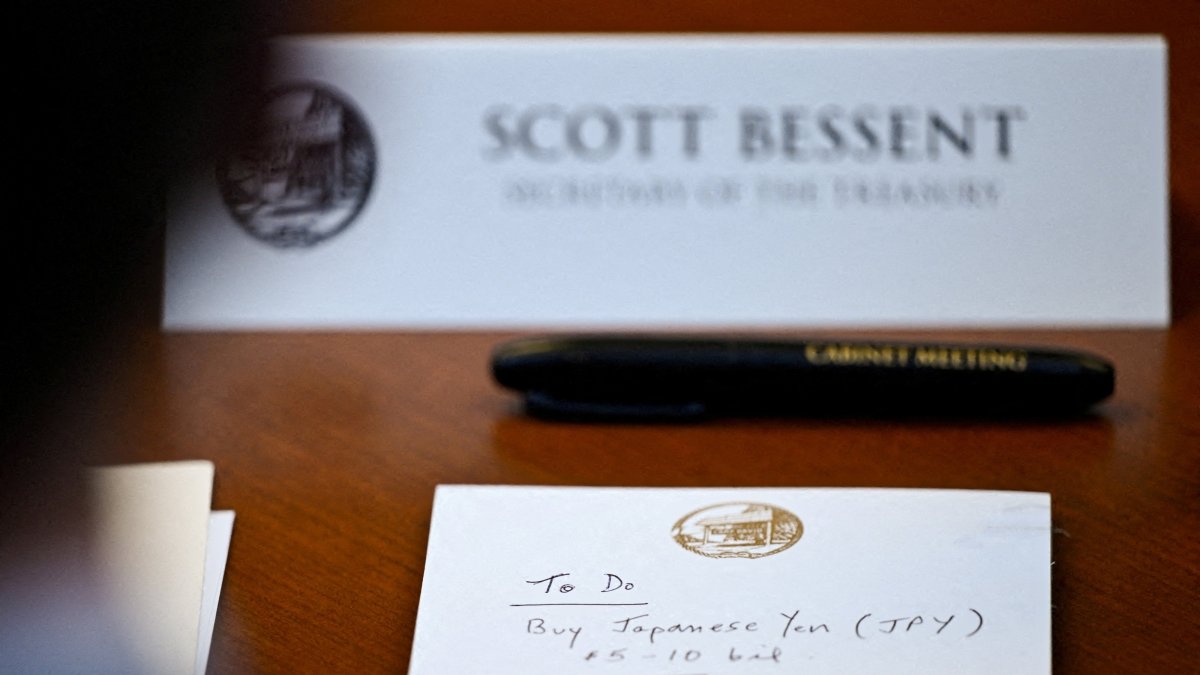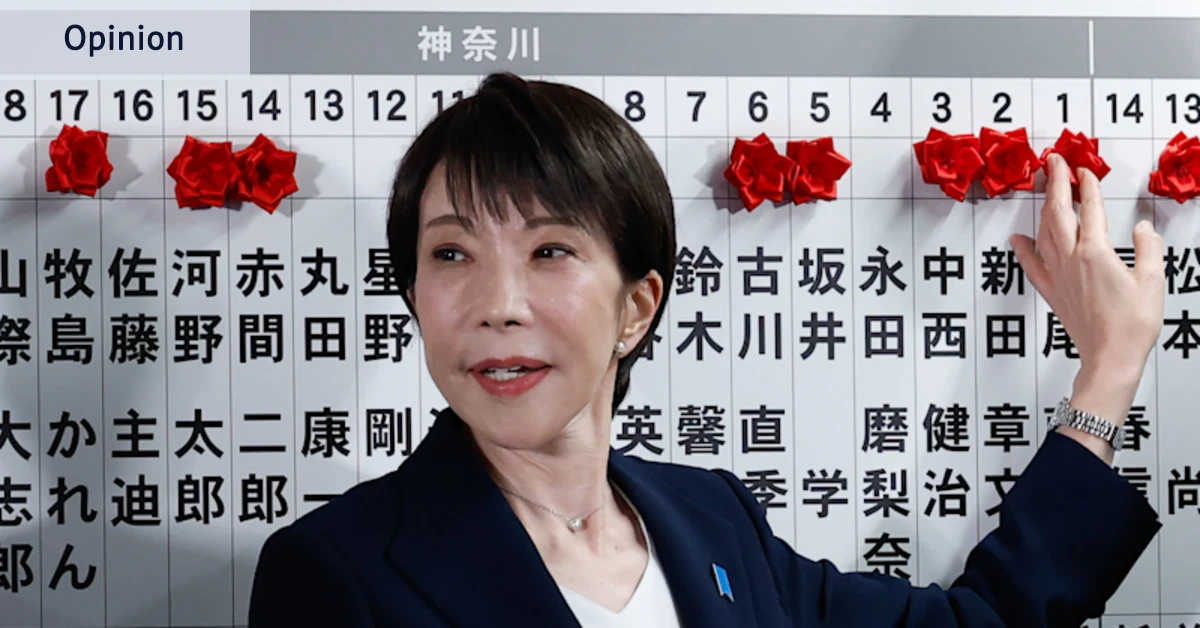
OpinionAugust 10, 2026 — 11:59amThe impact of last week’s dramatic interventions in currency markets by the Bank of Japan and the US Treasury to boost Japan’s yen seems to be fading. They might have to intervene again, and again.The US and Japan acted to prop up the yen – for the first time since the 1998 Asian financial crisis – after it crashed through the 162 yen to the dollar level regarded as the BoJ’s “line in the sand” last month and kept heading northward. Before they intervened, the yen/dollar cross-rate was almost 164 yen to the dollar.This US administration isn’t given to selfless acts. It isn’t acting, as Trump claimed, out of friendship with Japan.BloombergOver two days last week, the BoJ spent an estimated $US87 billion ($123.2 billion) and the US Treasury up to $US10 billion to buy yen, which drove the exchange rate up to a peak of 155.21 yen to the dollar. The exchange rate has since slipped back to just over 157.7, after hitting 158.40 on Friday.In the absence of further interventions, Japan’s economic fundamentals – the influences which had driven its currency down – could be expected to reassert themselves.Those are its extreme levels of government debt (more than 200 per cent of GDP, albeit that about half that is owned by the government itself after decades of bond buying), rising inflation and, despite being on track to post a budget surplus, Prime Minister Sanae Takaichi’s plan to cut consumption taxes and significantly boost spending on defence and technology.Most significant are Japan’s suppressed bond yields, with the BoJ having orchestrated a negative real interest rate regime for much of the past three decades, during an economic winter from which Japan is only just emerging.The BoJ’s policy rate, at one per cent, compares with the US Federal Reserve Board’s target for the federal funds rate of between 3.5 per cent and 3.75 per cent and the Reserve Bank’s cash rate of 4.35 per cent.Two-year Japanese government bonds yield 1.6 per cent, 10-year bonds 2.79 per cent and 30-year bonds 3.91 per cent. Their US counterparts yield 4.2 per cent, 4.65 per cent and 5.2 per cent respectively.Those large differentials have encouraged Japanese investors to export their savings in pursuit of higher returns and created the multi-trillion dollar “carry trade,” where hedge funds and others have borrowed at negligible cost in Japan to invest in higher-yielding assets offshore.As long as the yield differentials remain as large as they are now, the yen is destined to remain weak against the dollar, aiding Japan’s exports but importing inflation.A rise in US yields, a function of the continuing increase in US government debt levels, which has accelerated under the second Trump administration, as well as US inflation levels that have been pushed higher by Trump’s tariffs and his war in the Middle East, has intensified the pressure on the exchange rate.The most obvious reason for the US decision to intervene is that, if the BoJ were forced to raise Japan’s interest rates to support the yen – and bond yields have been edging up in the market already – the vast hoard of Japanese capital now invested in the US, more than $US1.1 trillion of it in US Treasury bonds, might start flowing back to Japan.That would put pressure on the US dollar and, more particularly, upward pressure on US bond yields and administration’s interest costs, which are already above $US1 trillion a year and are the fastest-rising expenditures in the US budget.A weaker yen would also make Japan’s exports to the US more competitive.With the yen also influencing other Asian currencies, that could undermine Trump’s efforts to use tariffs and coerced investment deals to rebuild US manufacturing (not that those efforts have produced anything meaningful yet).While the US Treasury secretary, Scott Bessent, has pointed to the potential contagion effects of a weak yen and the risk that it could destabilise other currencies in the region, his worst fears would inevitably relate to the implications for the US bond market and the risk that an exodus of capital as investments were repatriated and carry trades unwound might pose a threat to the US economy and US financial stability.His sensitivity to the US domestic implications of a weakening yen were underscored by the decision to offer the BoJ a Federal Reserve “repo” facility – it has borrowed Fed-printed dollars, using the US treasuries it owns as collateral – rather than risk the Japanese central bank having to dump those holdings to fund its interventions, which would cause US rates to rise further.What the BoJ and US Treasury have done so far is to buy some time.What the US intervention signals is the mutual vulnerabilities of the US and Japan and the reality that reducing them, if they can be reduced, won’t be either straightforward, painless or riskless.BloombergBy themselves, the interventions might have driven some short sellers from the market and relieved some of the pressure on the currency, but Bessent, who headed the London office of Soros Fund Management when George Soros and Stanley Druckenmiller “broke the pound” and forced in out of the European Exchange Rate Mechanism in 1992, would be very aware that nothing fundamental has changed and the yen remains extremely vulnerable to an assault by traders.The most obvious next step is for the BoJ to raise its policy rate at its September monetary policy meeting, which it might well do despite Sanae Takaichi’s desire to keep rates low to boost growth.The challenge for the BoJ, however, is that the comparison rates are also moving.The European Central Bank is widely expected to raise its policy rate to 2.5 per cent at its meeting next month.The Fed was under pressure, before last week’s weak jobs data, to hike its rate and the longer the war in the Middle East drags on and seeps into industry costs and the inflation rate, the more probable US rate rises become.Trying to put a floor under the yen carries its own risks, including the potential impact on the carry trade if borrowing costs rise.Japanese insurers, banks and households are holding trillions of yen in bonds that, because yields on comparable securities have risen, are now worth less than their face value.In the absence of further interventions, Japan’s economic fundamentals – the influences which had driven its currency down – could be expected to reassert themselves.If held to maturity, those unrealised losses are irrelevant, but they do have implications for financial institutions balance sheets – they erode their equity bases – and, in any sale, the losses would become very real. The BoJ will be wary about the potential for a financial crisis if it moves too hard too quickly.What the US intervention signals is the mutual vulnerabilities of the US and Japan and the reality that reducing them, if they can be reduced, won’t be either straightforward, painless or riskless.Japan is confronted with the legacies of nearly 30 years of unconventional policies.It is trying to navigate an economic transition where it balances systemic and economic stability and the risks of trying to normalise its settings, by growing its way out of the debt and distortions in its economy and financial system that those policies have created.This US administration isn’t given to selfless acts. It isn’t acting, as Trump claimed, out of friendship with Japan.It’s doing so because the US is dependent on “Other People’s Money” to fund its government and Americans’ lifestyles.An implosion in the value of the yen is a direct threat to the continued access to that funding, to its economy and financial system and, because of the role the US plays within the global economy and financial system, the rest of the world as well.The Market Recap newsletter is a wrap of the day’s trading. Get it each weekday afternoon.More:JapanOpinionCurrenciesUSATrump's White HouseBondsInterest ratesFederal ReserveFor subscribersFrom our partners
Trump bought Japan some time but the alarm bells are ringing
The impact of last week’s historic intervention to prop up the yen is already fading. That signals risks for Japan, the US and the rest of the world.
1,307 words~6 min read