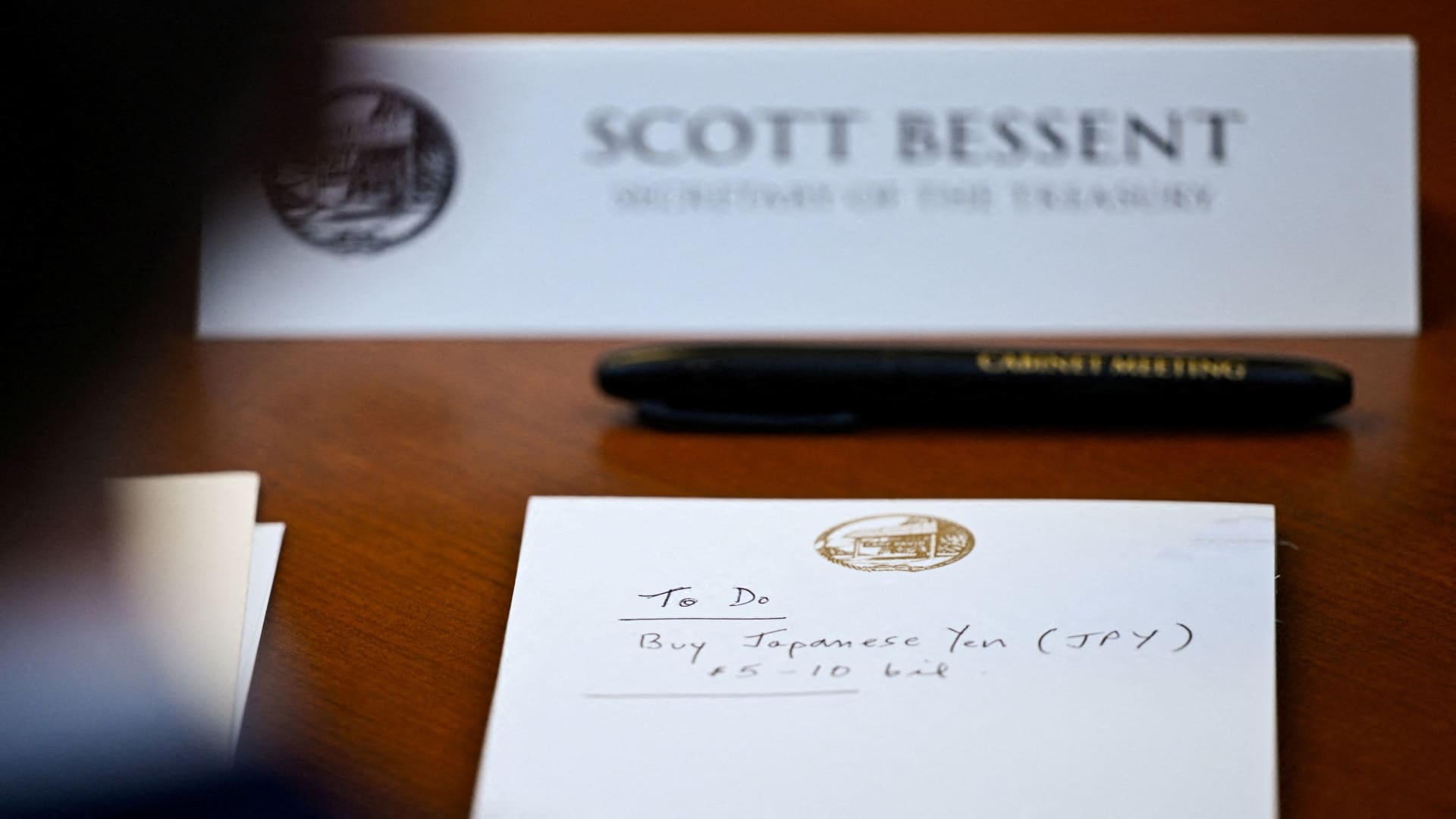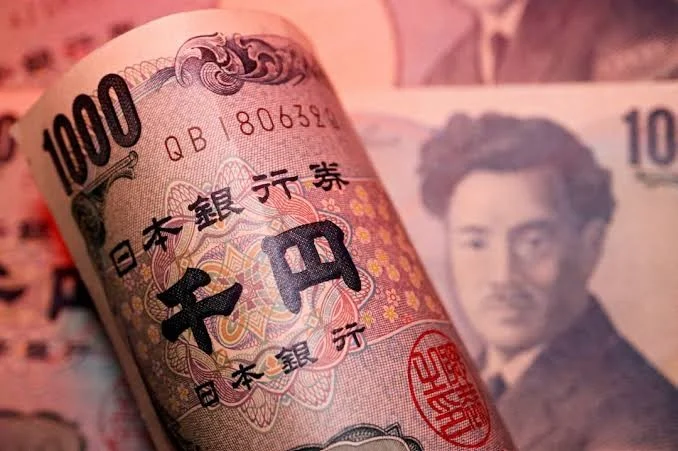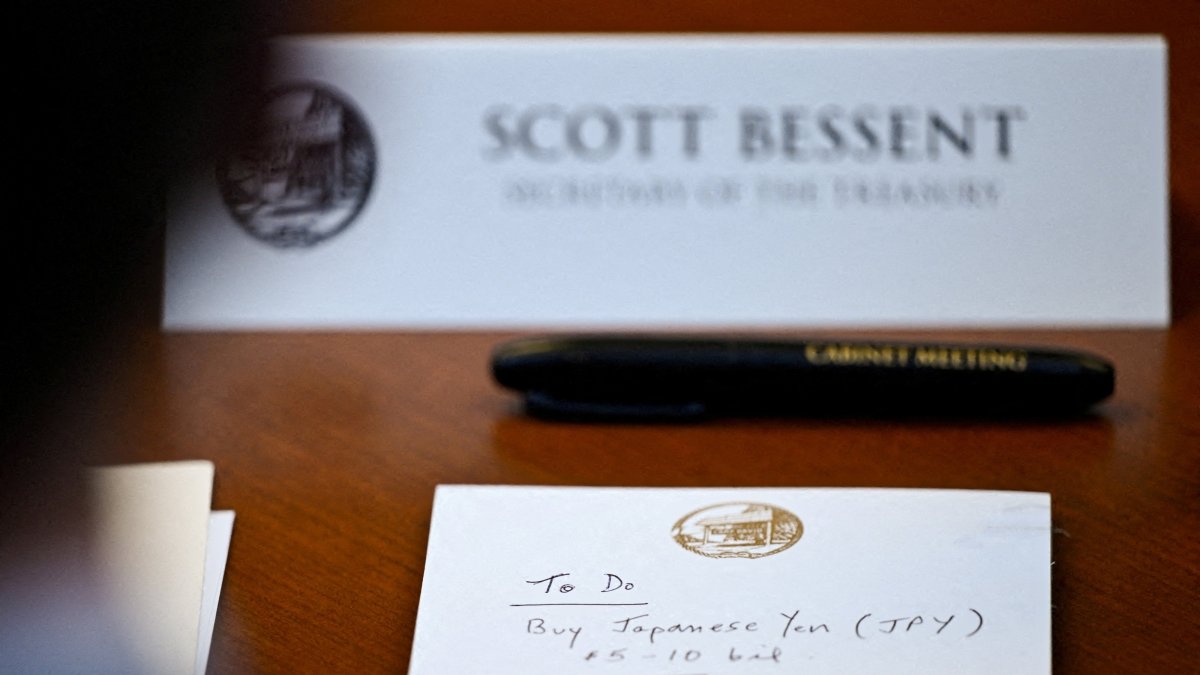
A recent historic intervention conducted jointly by the U.S. and Japan to shore up the weakening yen risked hitting other Asian markets, U.S. Treasury Secretary Scott Bessent said, likening the situation to the region's late-1990s financial crisis.
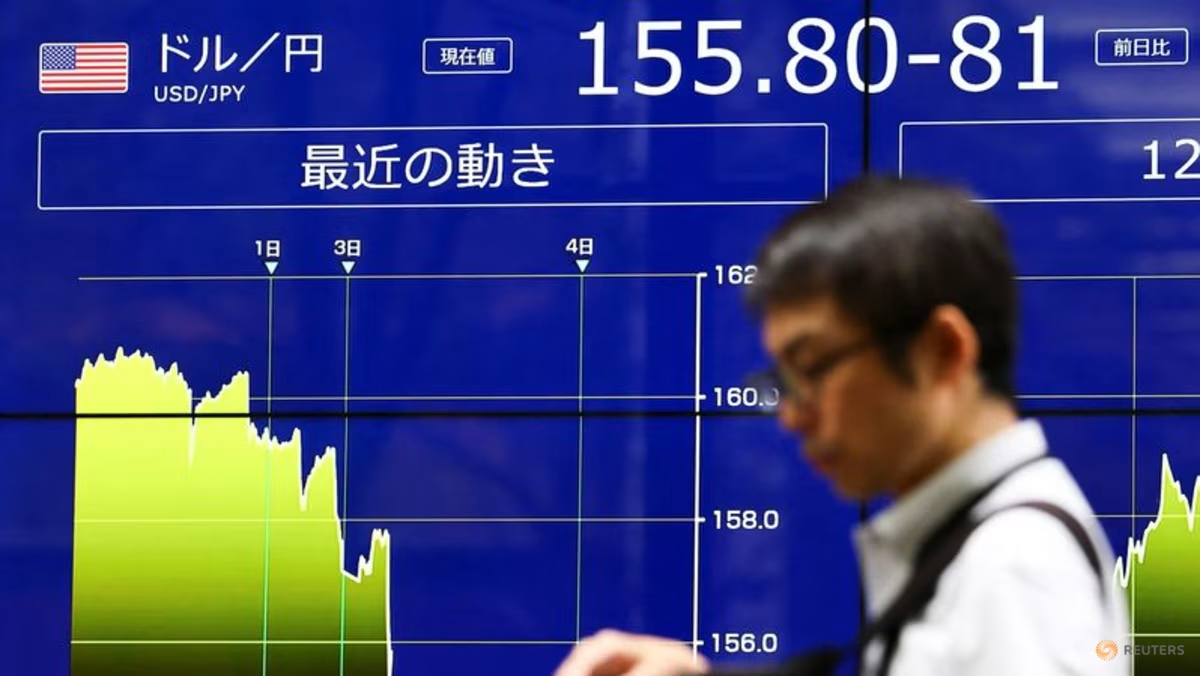
The operation last week to buy yen for the first time since 1998 came after the unit slumped to a four-decade low of almost 164 per dollar.
With regard to "the Asian financial crisis, in my opinion, part of it was triggered by an overly weak yen. So I think a stable yen is not only important for the U.S., but very important for the entire region," Bessent told CNBC on Tuesday.
"If the yen were to weaken substantially, then the other currencies would follow it. We've seen excess volatility in the Korean won. Many people believe that the Chinese renminbi is undervalued," he said.
"So, given the trade flows, given the size of the (Japanese) economy, given their contributions in the global savings market, (it's) very important to have a stable yen."