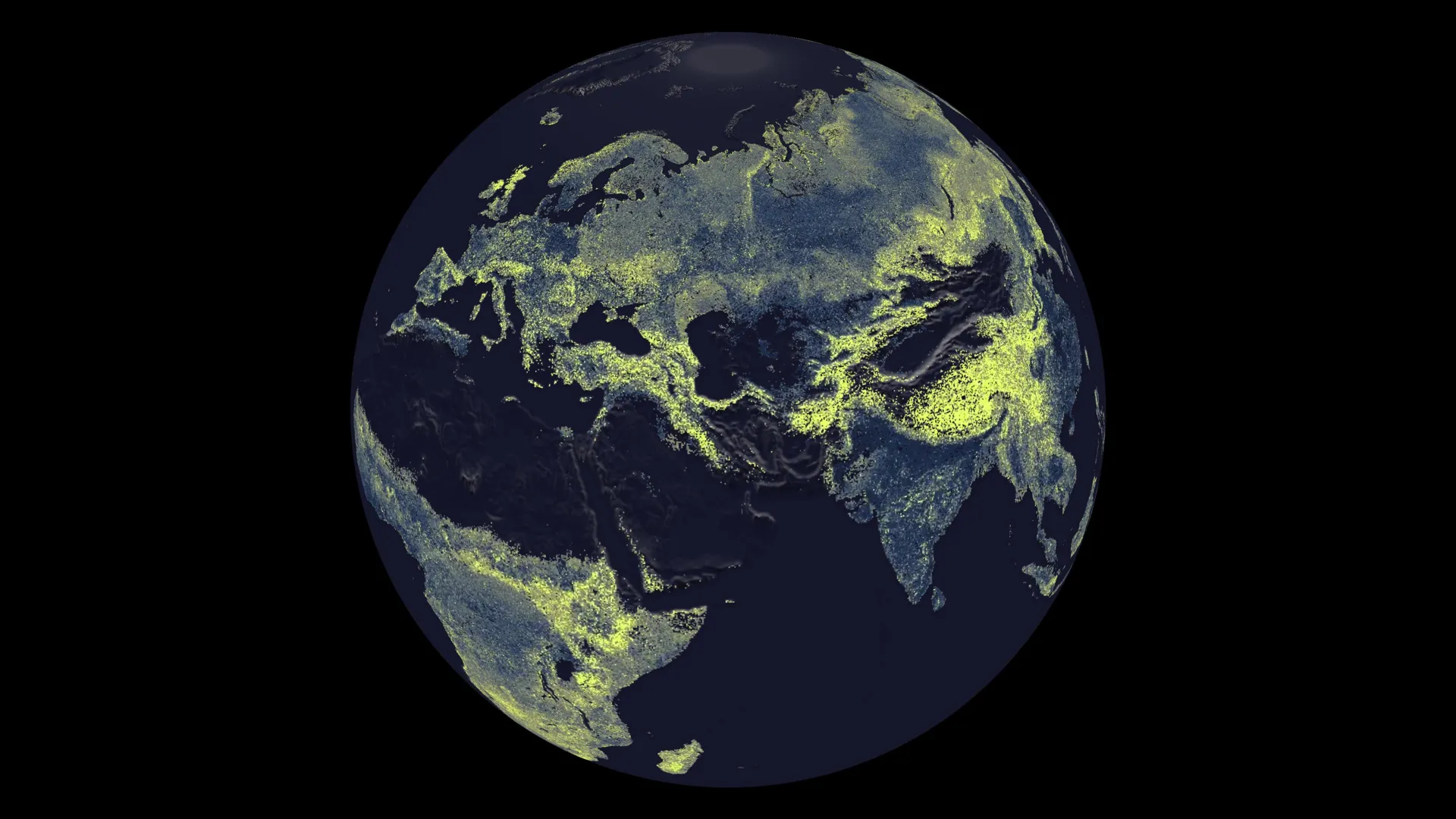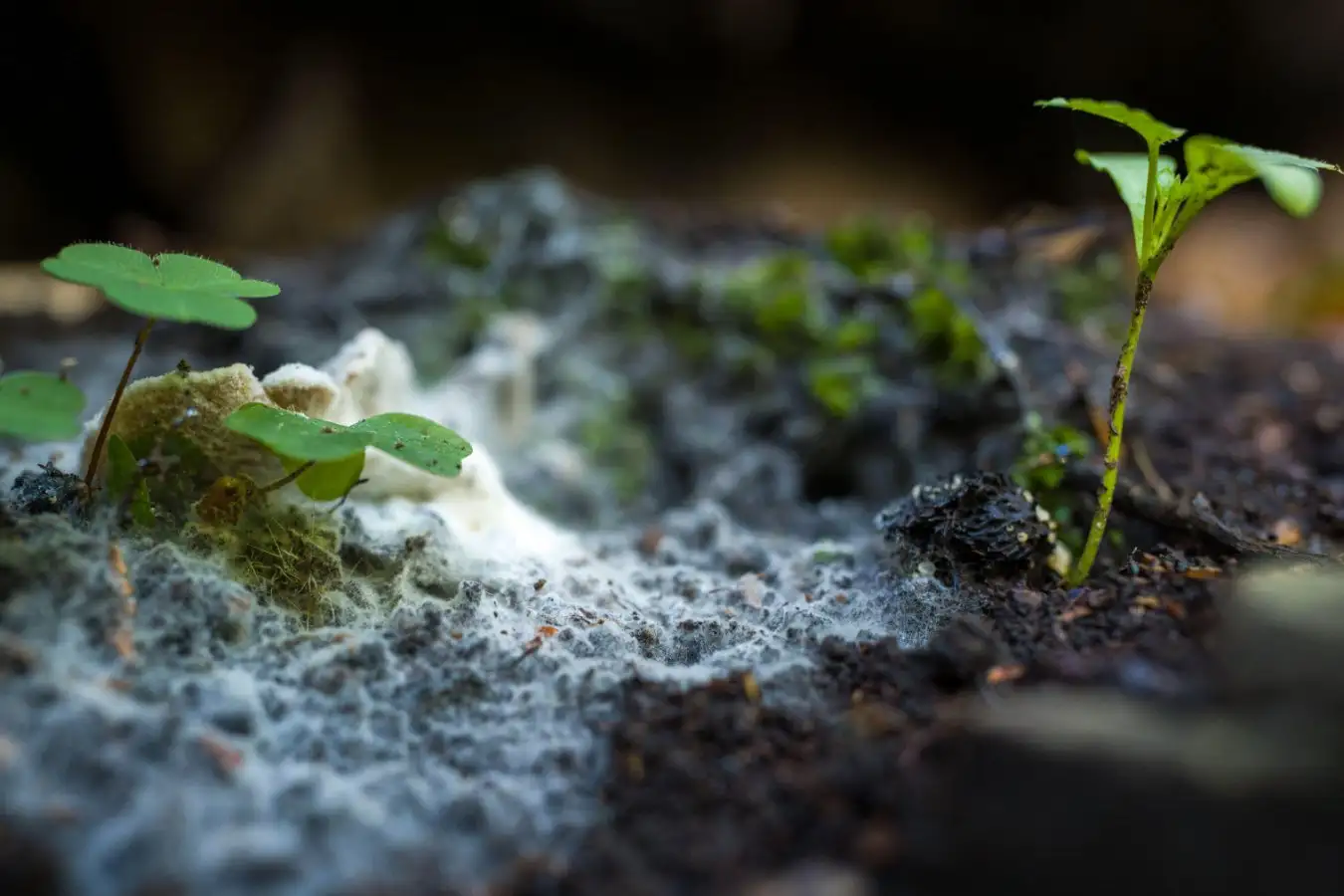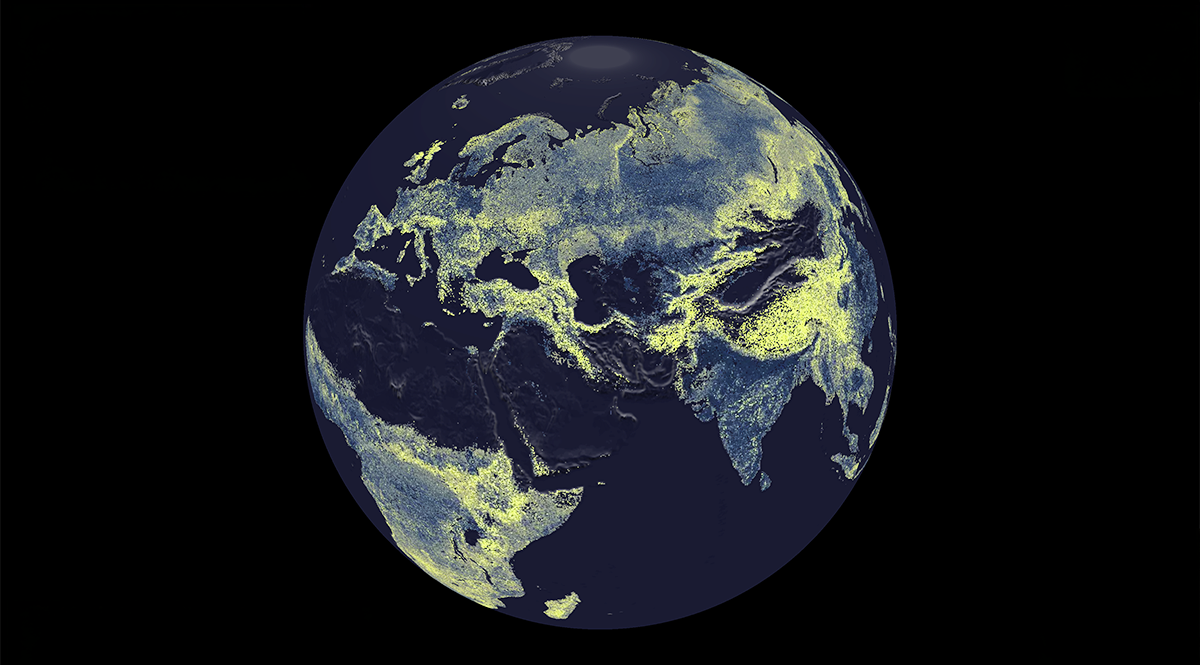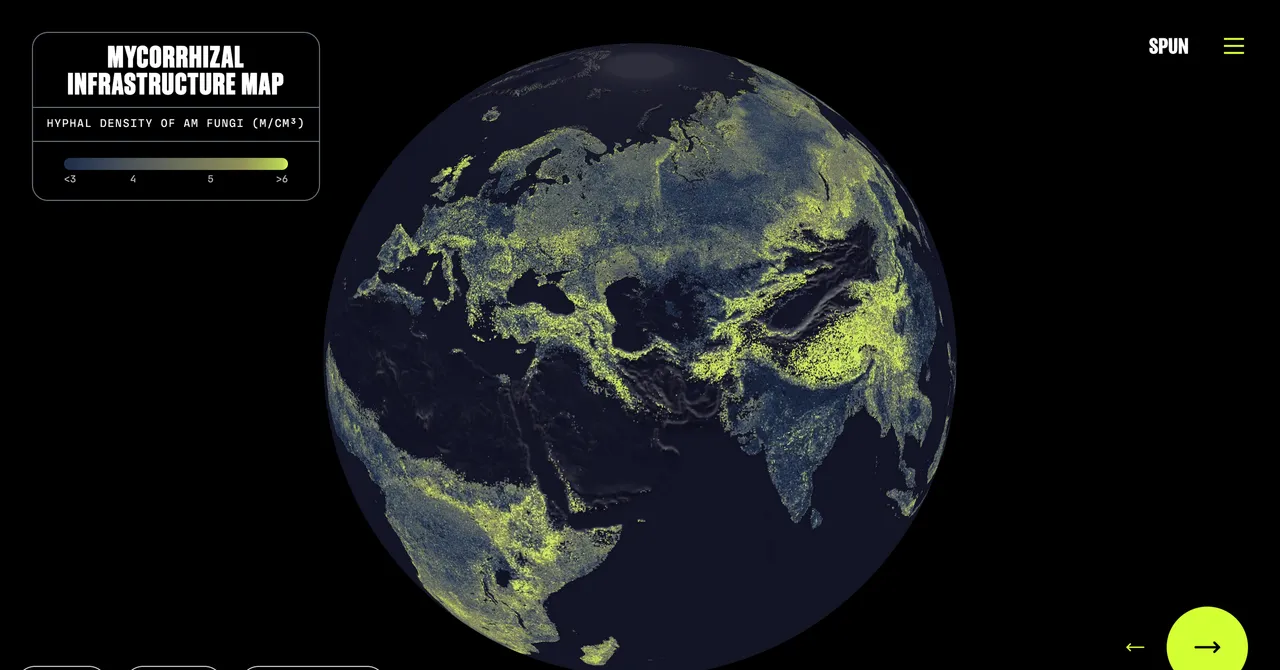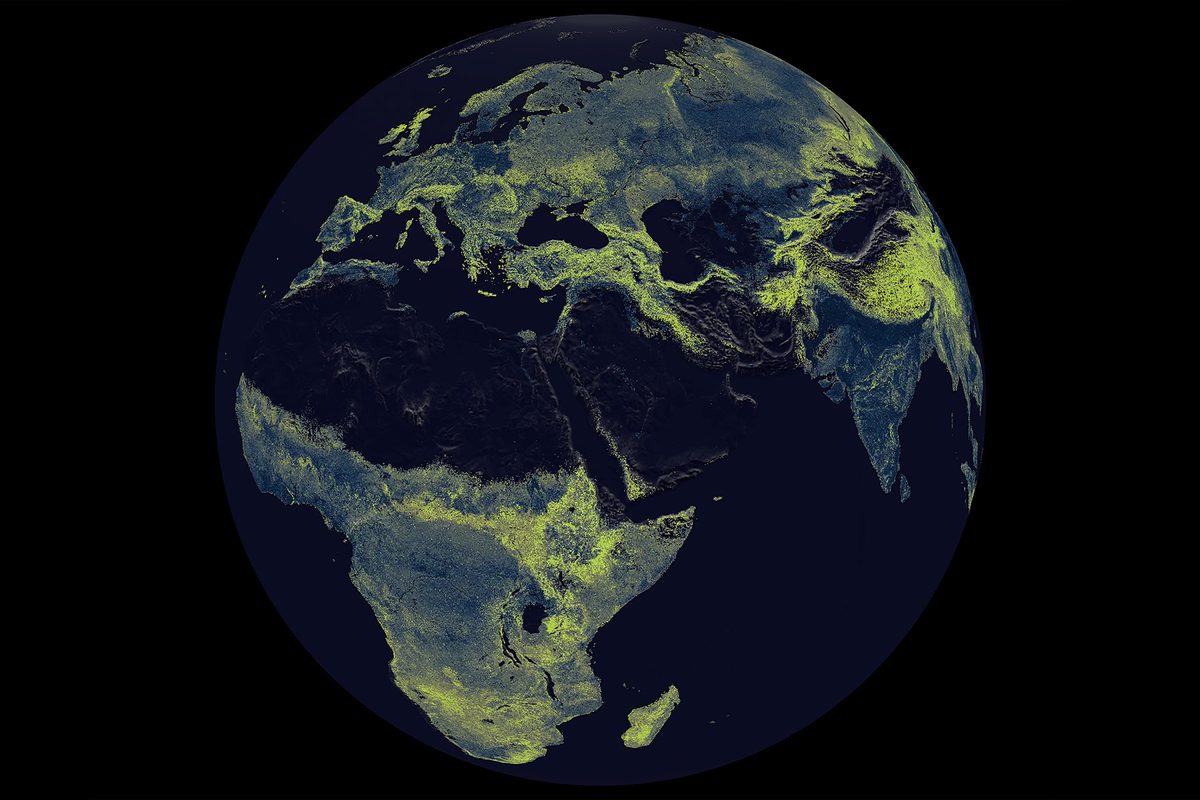
Right now, beneath almost every patch of soil on Earth, one of the planet's strangest living structures is spreading. It's a fungus, though nothing like the mushrooms on your dinner plate. Instead, it grows as microscopic threads, finer than cotton, weaving through the soil and into the roots of most plants.
There are several types of these root-dwelling fungi. The most widespread – and the focus of a major new study – are arbuscular mycorrhizal, or AM, fungi. They've been around for hundreds of millions of years, long before the first trees.
Scientists have known for more than a century that they help keep ecosystems alive by ferrying nutrients and water to plants. Yet one surprisingly basic question has remained unanswered until now: just how much of this hidden network is buried underground?
The answer, fresh from a new study by the Society for the Protection of Underground Networks (SPUN), is: a hell of a lot.
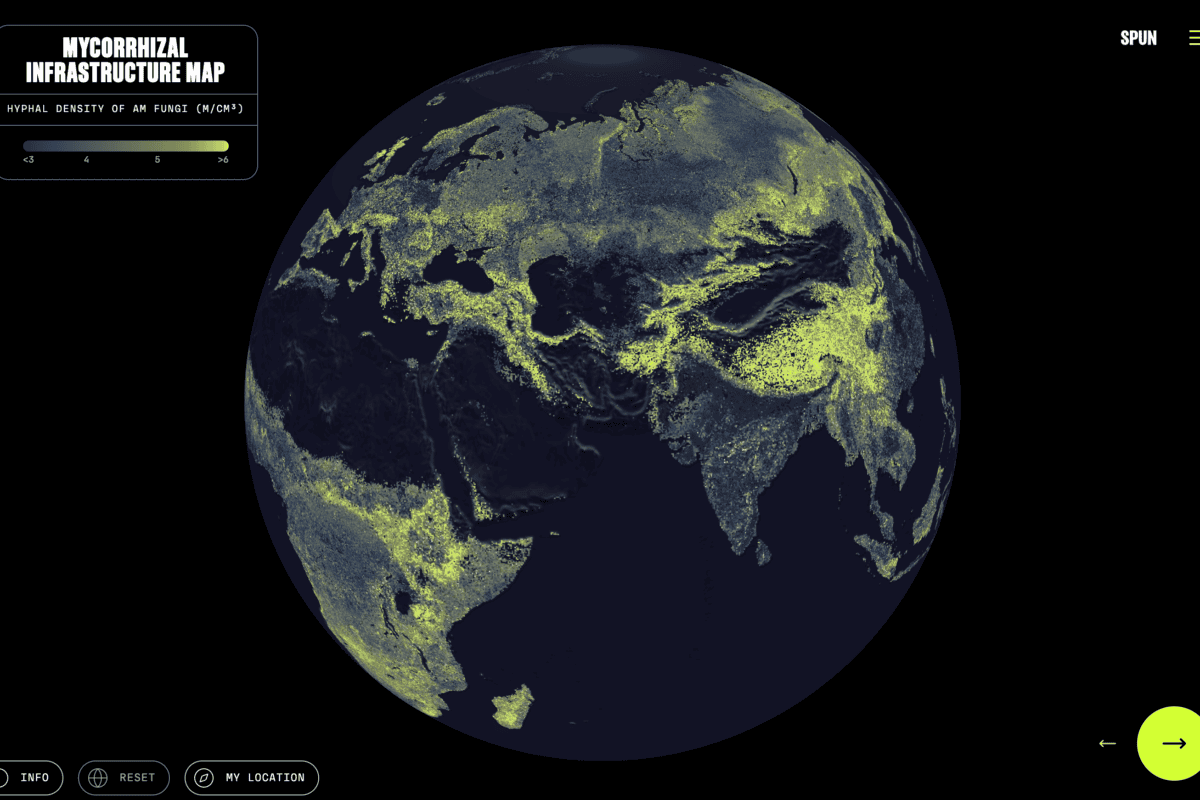
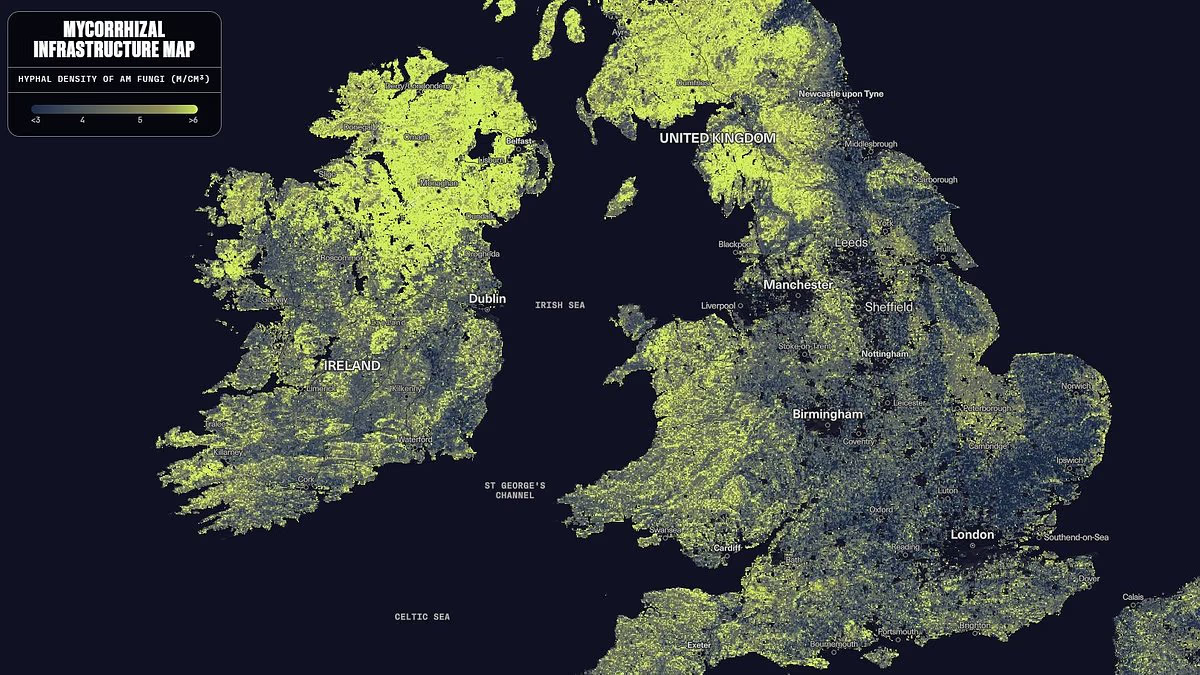
Laid end to end, it says, the threads of the world's AM fungi would stretch for more than 110 quadrillion kilometres – enough to span about a tenth of the Milky Way, or roughly 11,000 light-years. And those same threads are thought to hold around 300 megatonnes of carbon: four to six times the combined weight of every human alive.