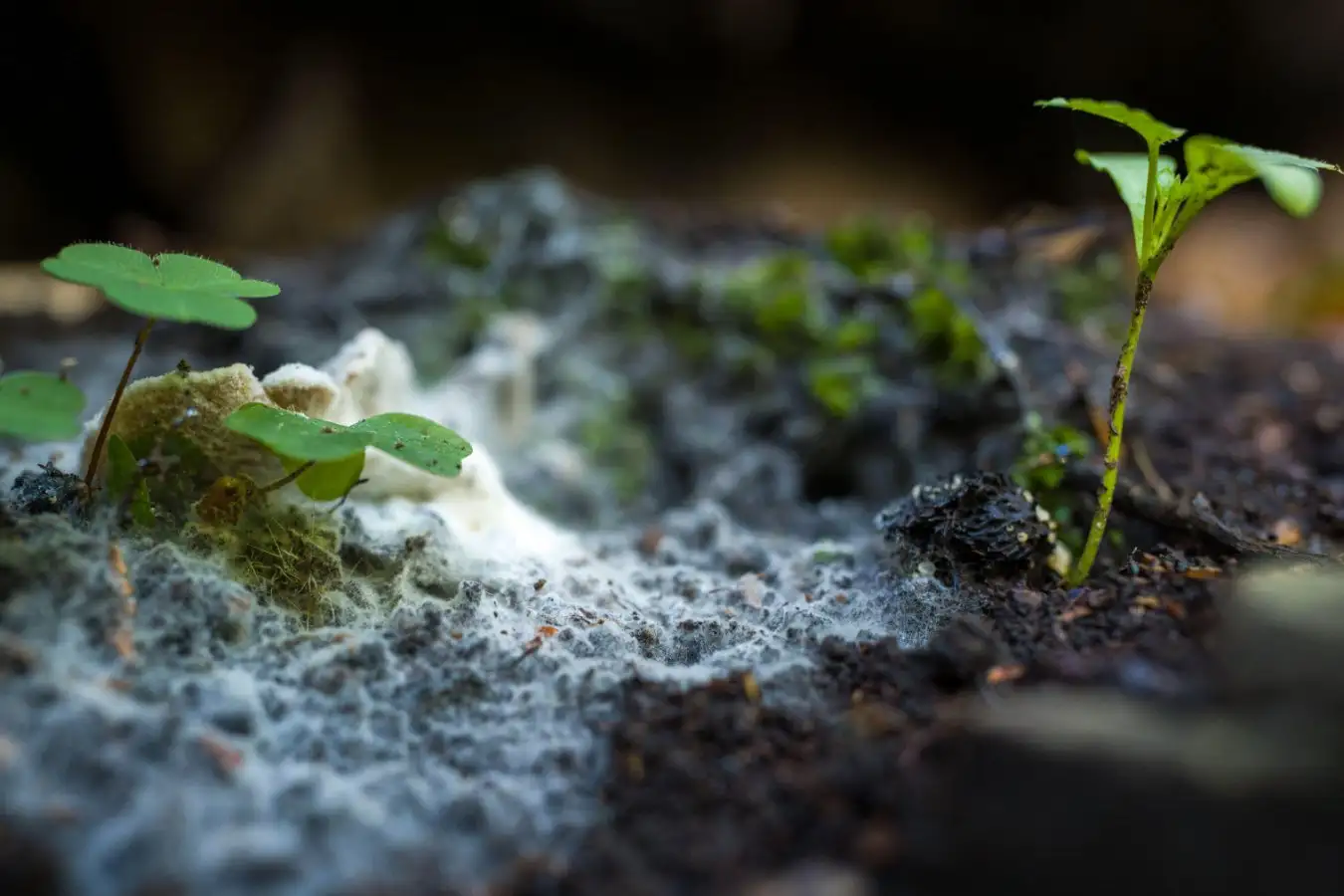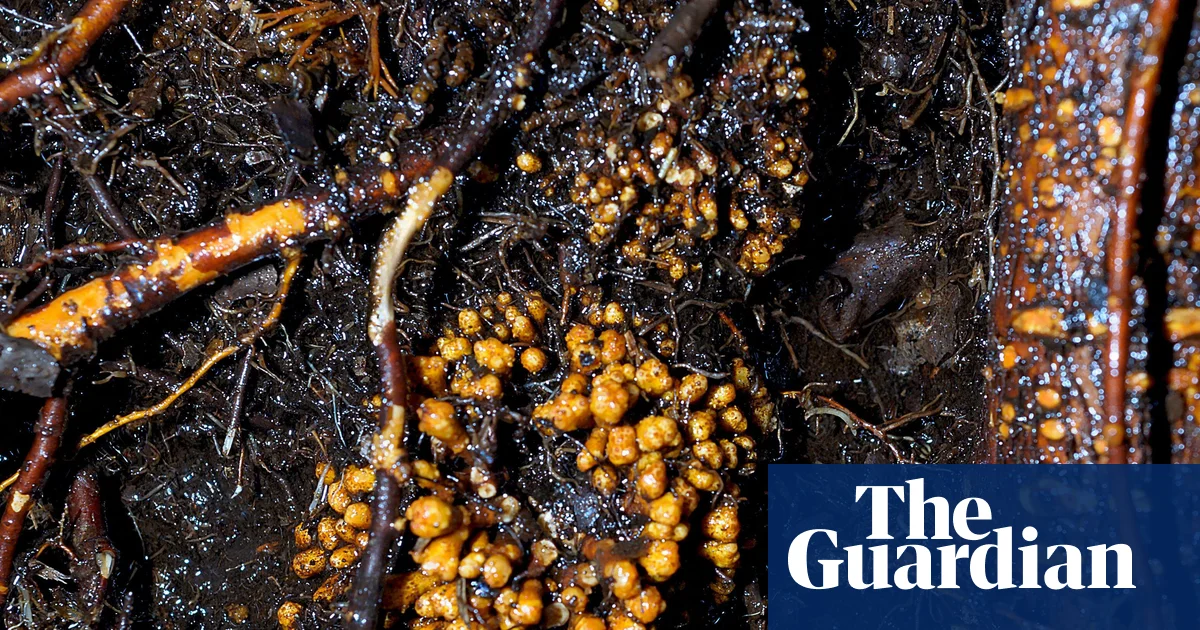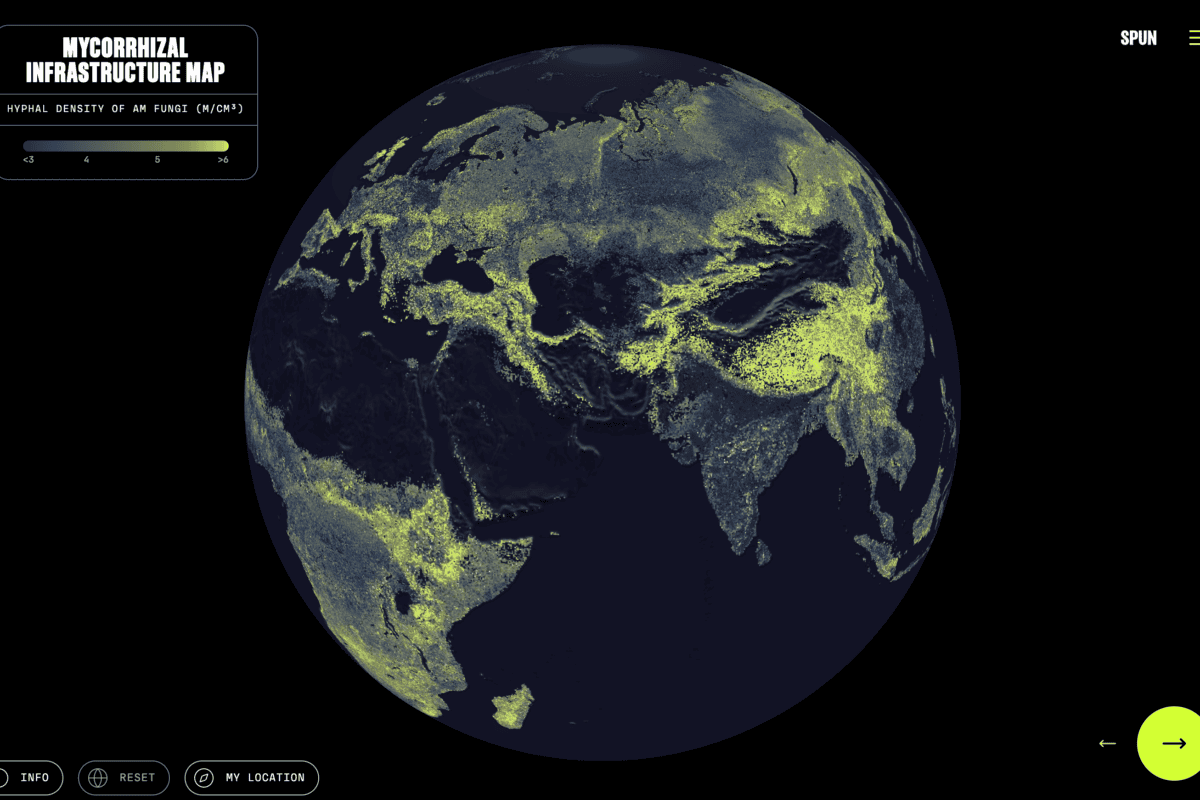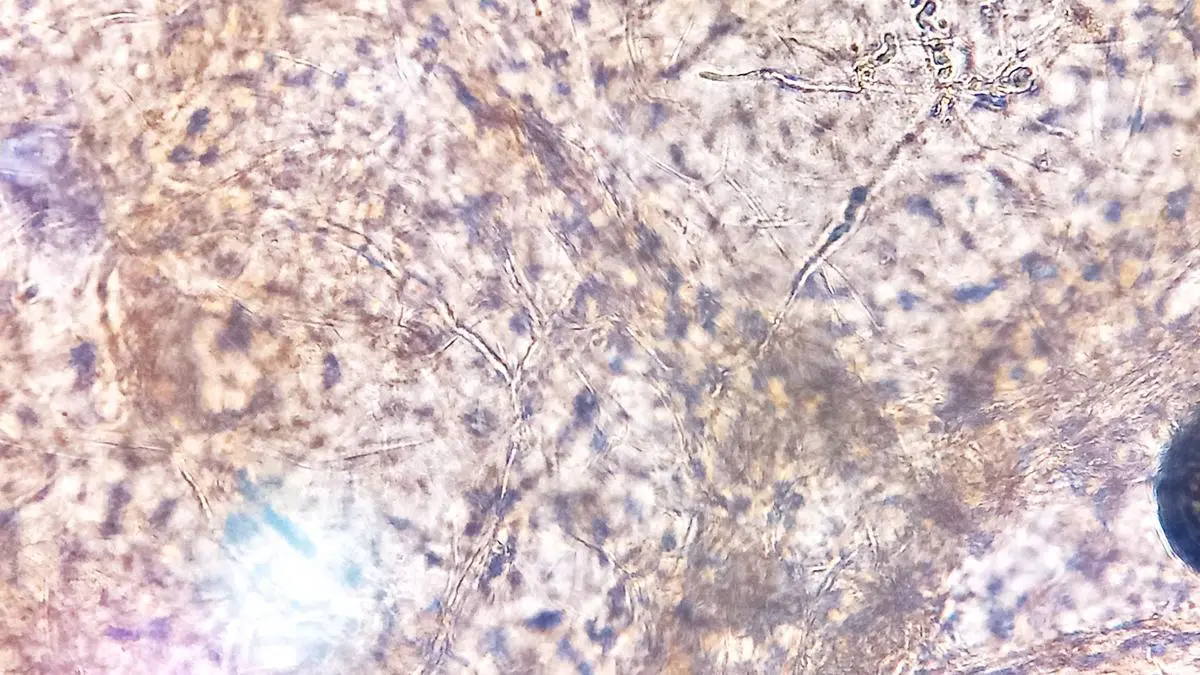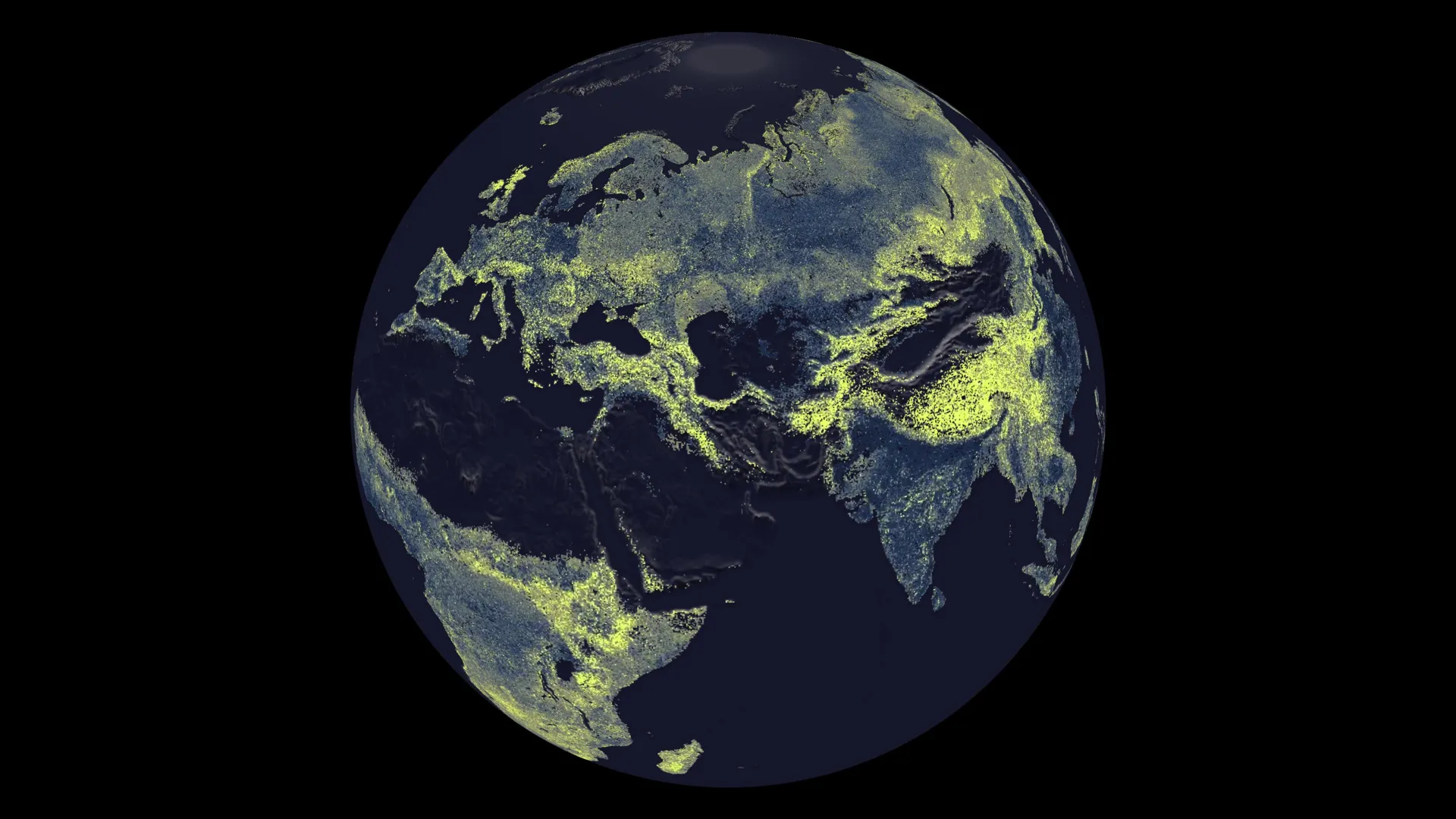
Beneath the ground, vast networks of fungi quietly support plant life and play an important role in regulating the planet's climate by helping move carbon into soils. Now, researchers have created the first global maps showing where these underground fungal networks are found and how much of them exist worldwide.
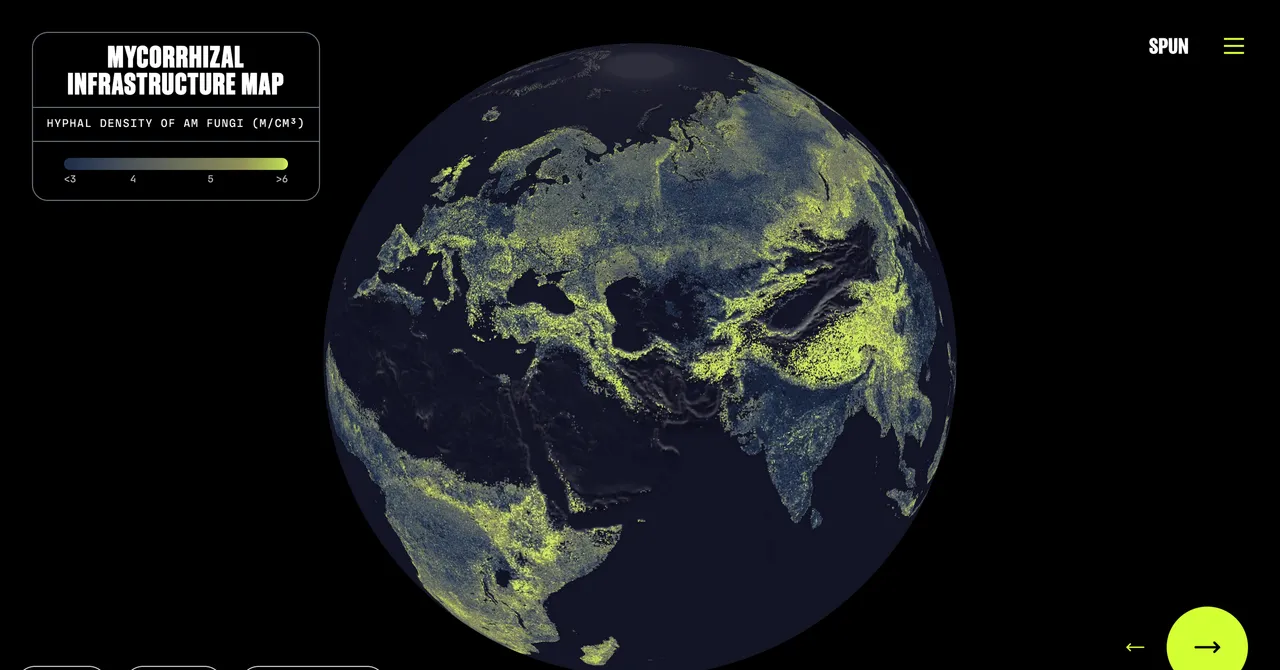
The study, published in Science, focuses on arbuscular mycorrhizal fungi, a group of fungi that form partnerships with most plants on Earth. Alongside the research, scientists released an interactive visualization that allows users to explore the remarkable scale of this hidden underground infrastructure. The maps are expected to help researchers and policymakers identify areas where these fungal networks are thriving and where they may be under threat.
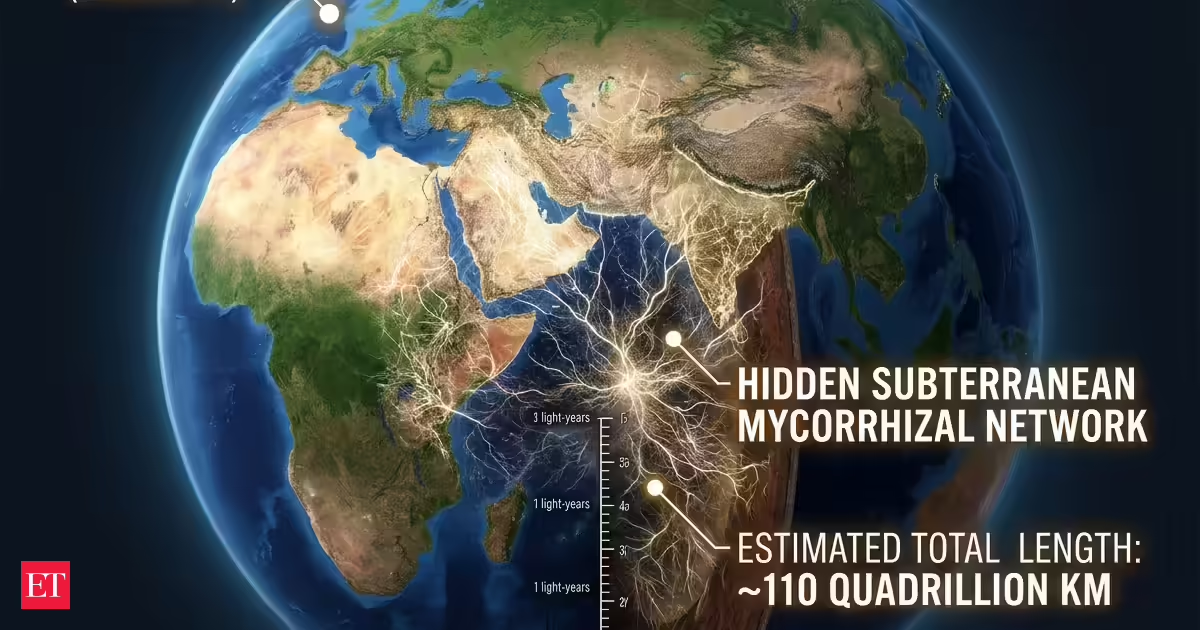
Among the study's key findings: Global topsoils contain an estimated ~110 quadrillion kilometers (~68 quadrillion miles) of arbuscular mycorrhizal fungal network, made up of thread-like structures called hyphae. That distance is almost a billion times the distance from the Earth to the Sun. Grasslands contain roughly ~40% of Earth's arbuscular mycorrhizal fungal infrastructure. Particularly dense networks are predicted in the flooded grasslands of South Sudan, the Everglades in Florida, and the Tibetan plateau. AM fungal networks move an estimated ~4 billion tons of CO2e into soils every year (equivalent to 11% of all human-related carbon-dioxide emissions). Large agricultural croplands are predicted to have about ~50% lower network densities on average. Researchers caution that less dense fungal networks could reduce a soil's ability to store carbon, cycle nutrients, and withstand environmental stress.The Hidden Partnerships Supporting Plant Life