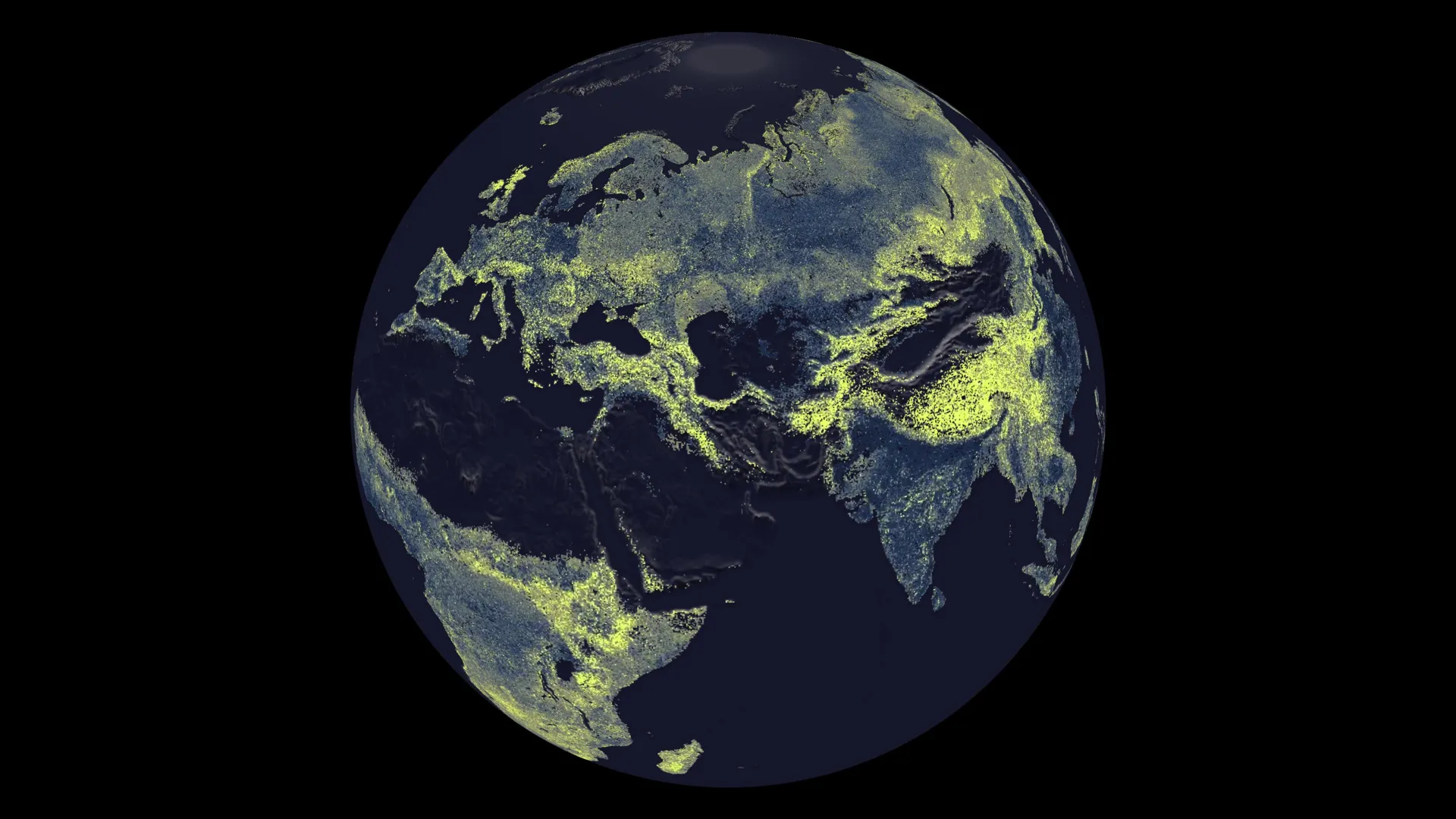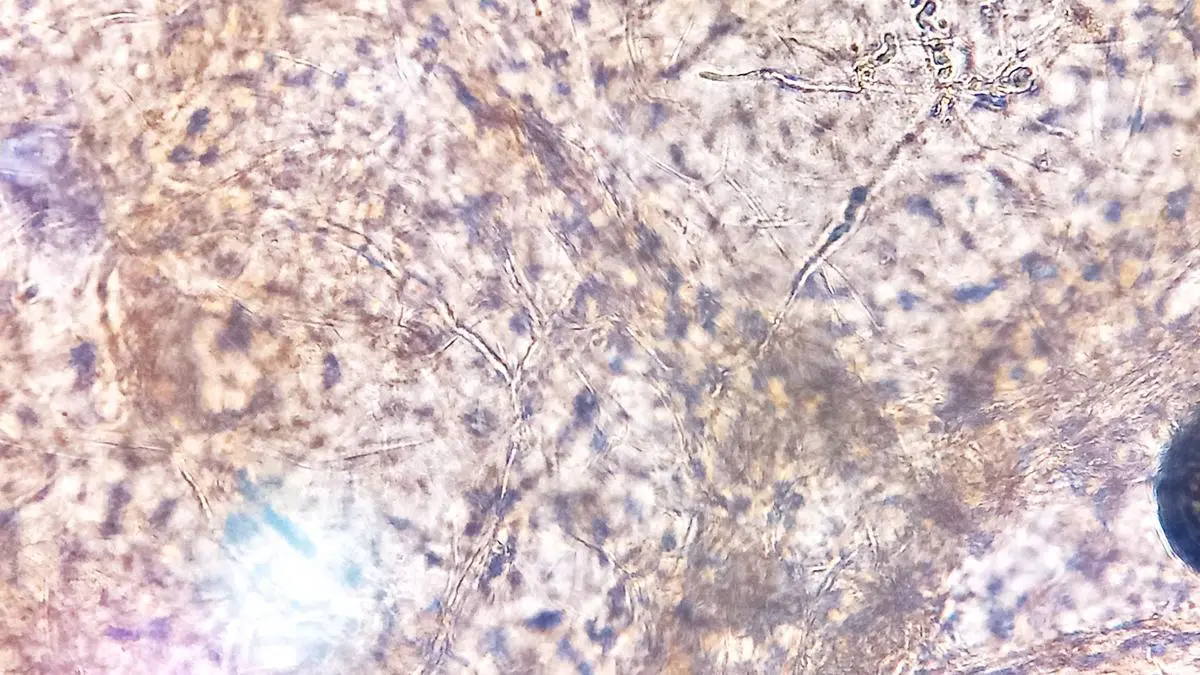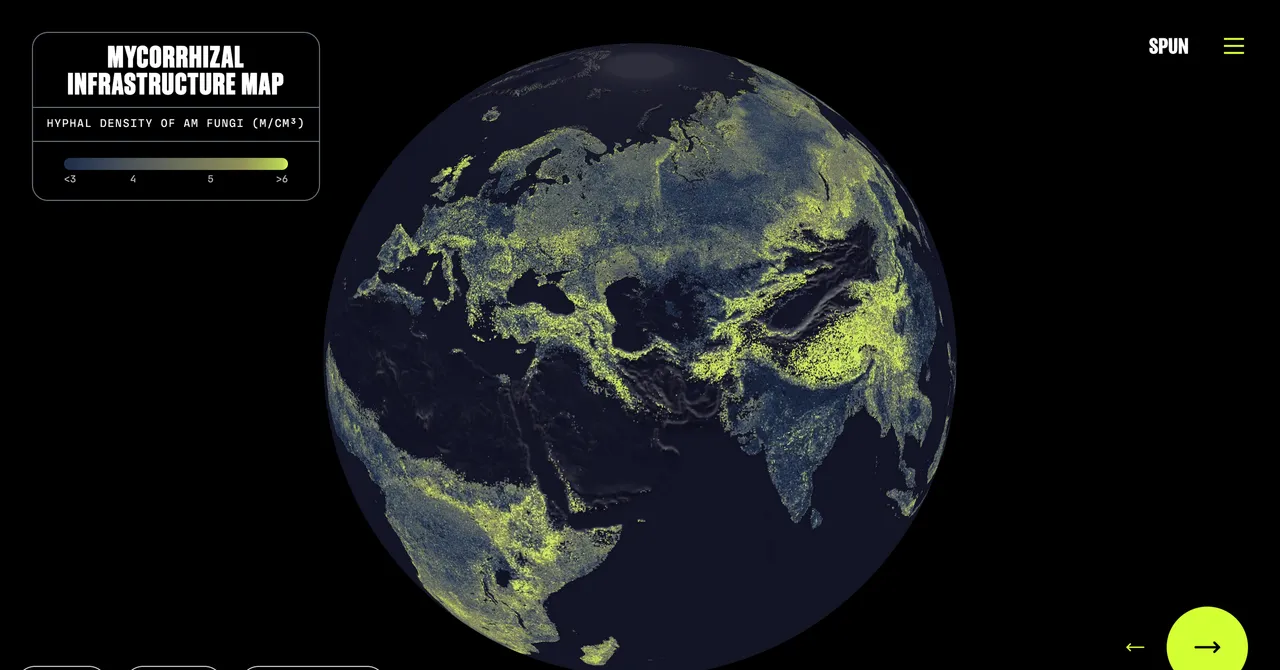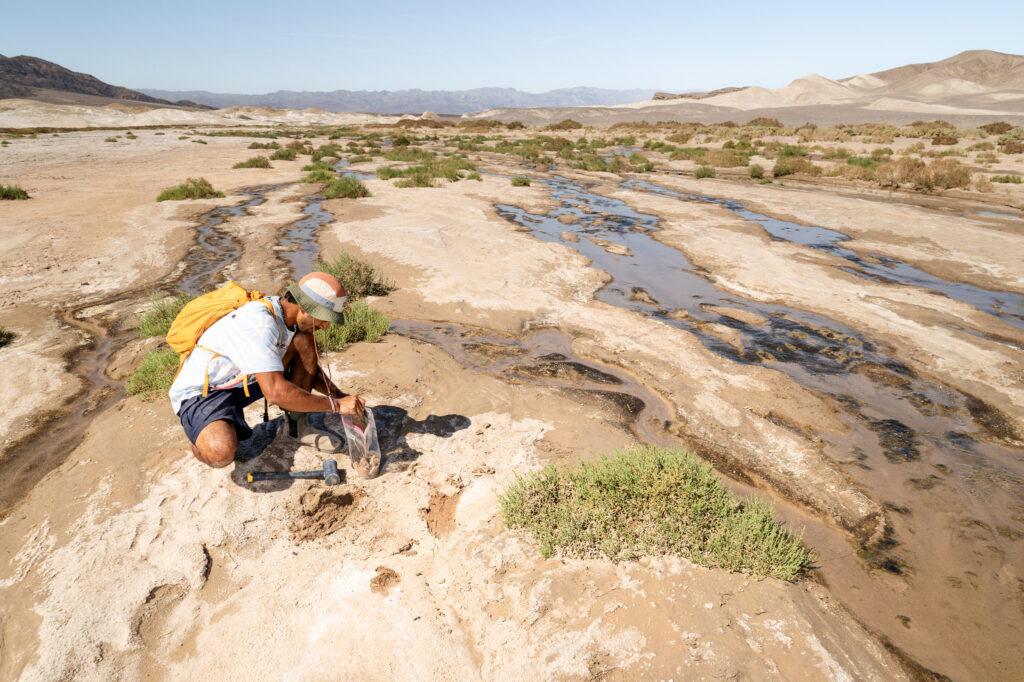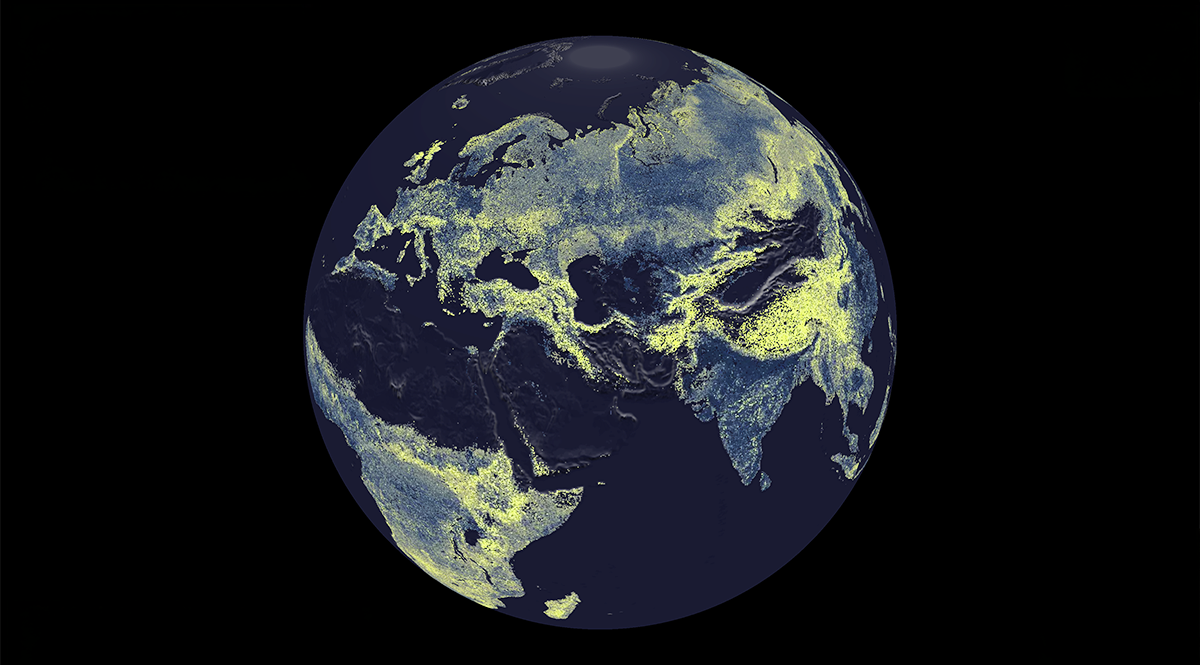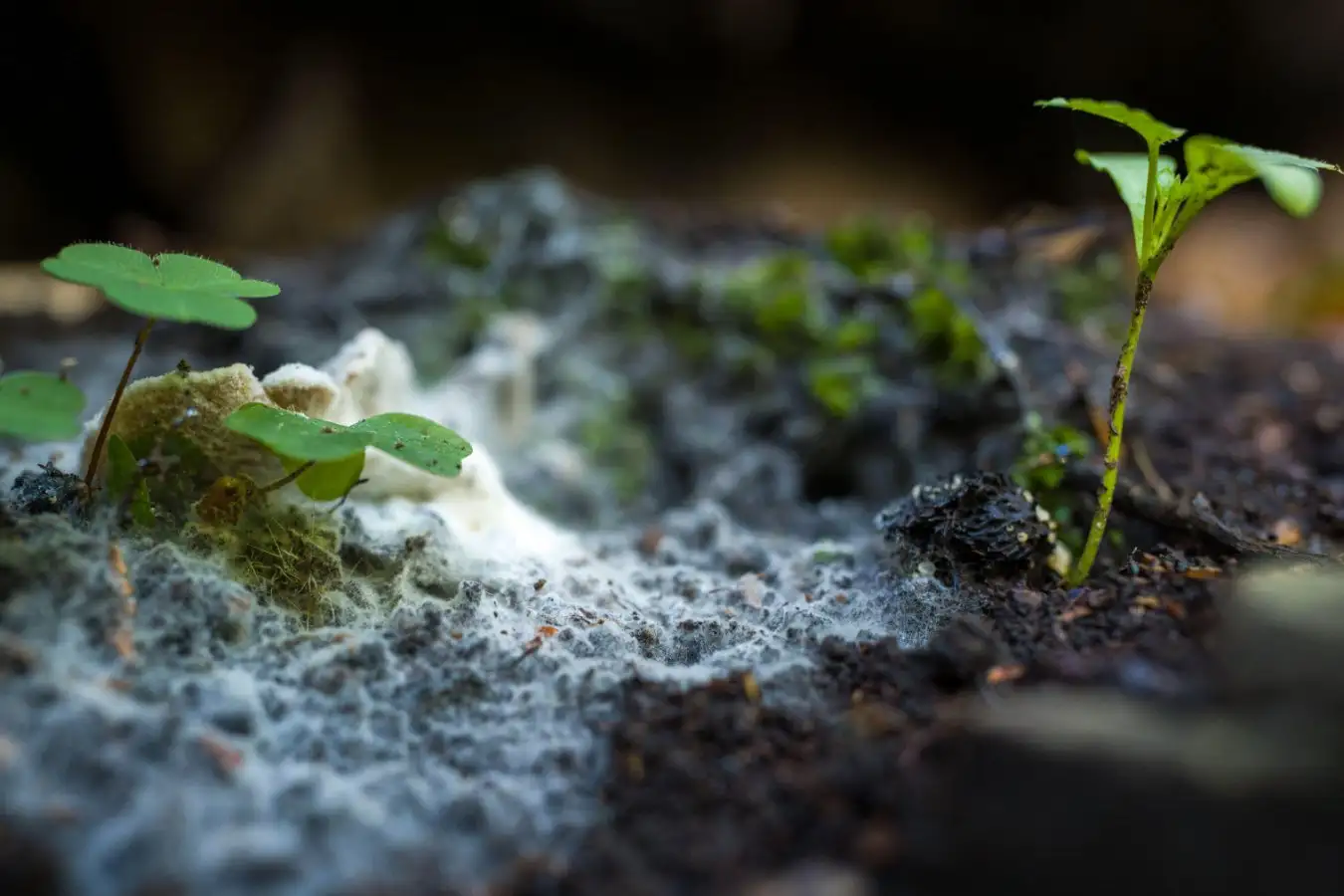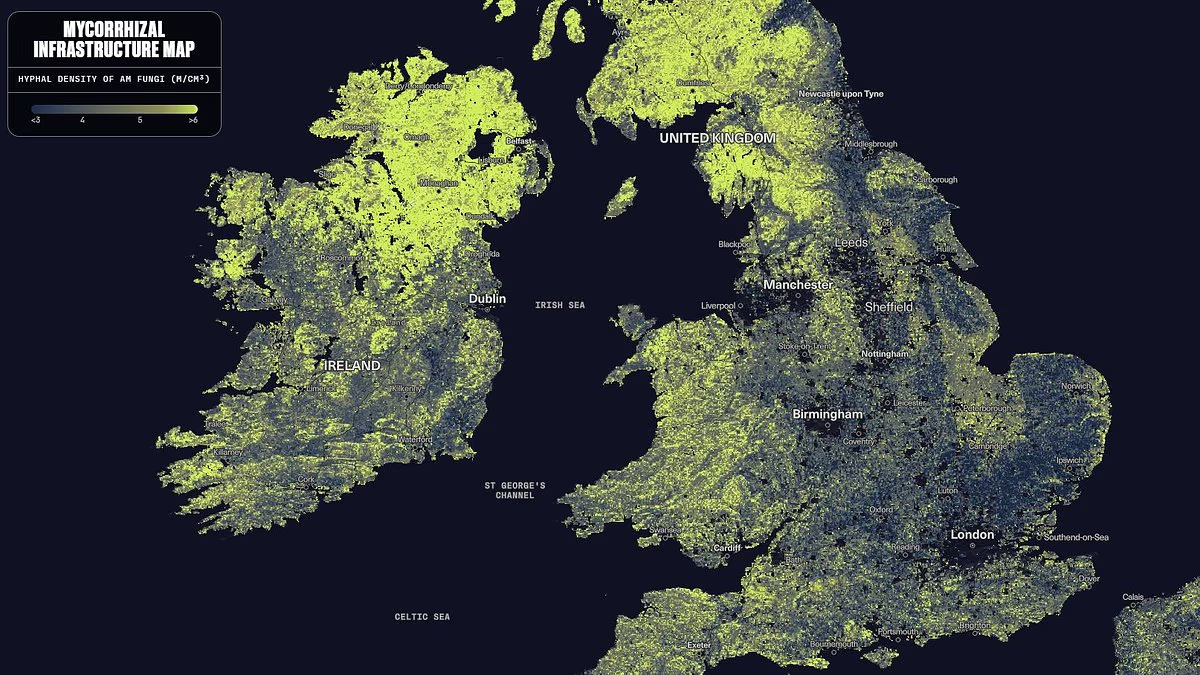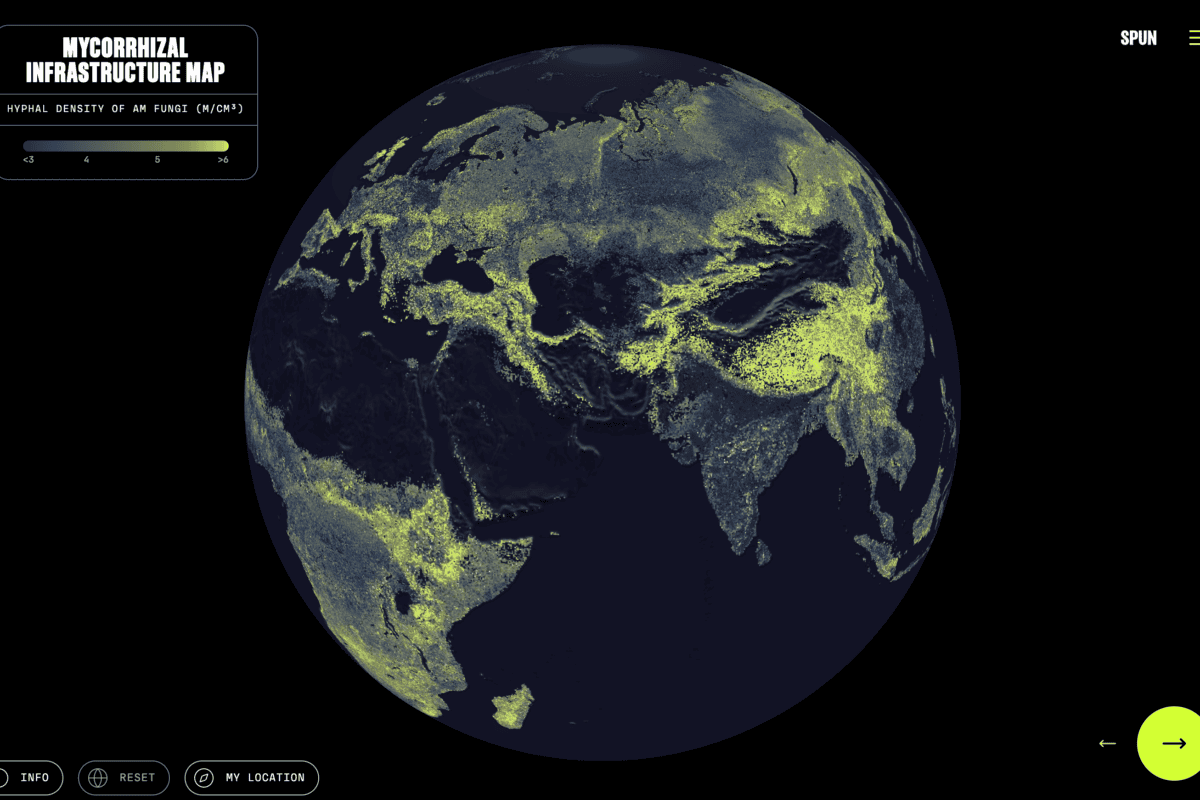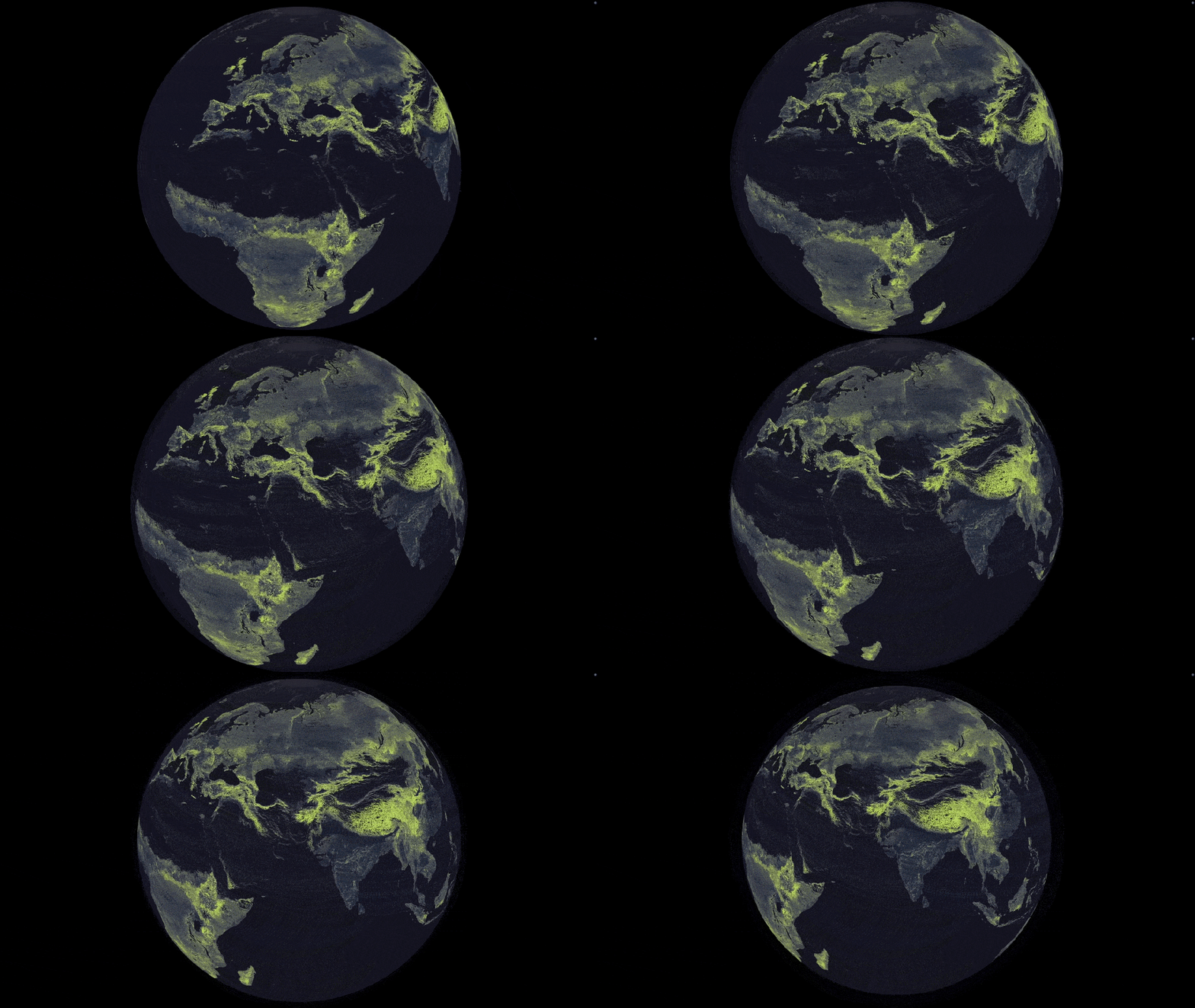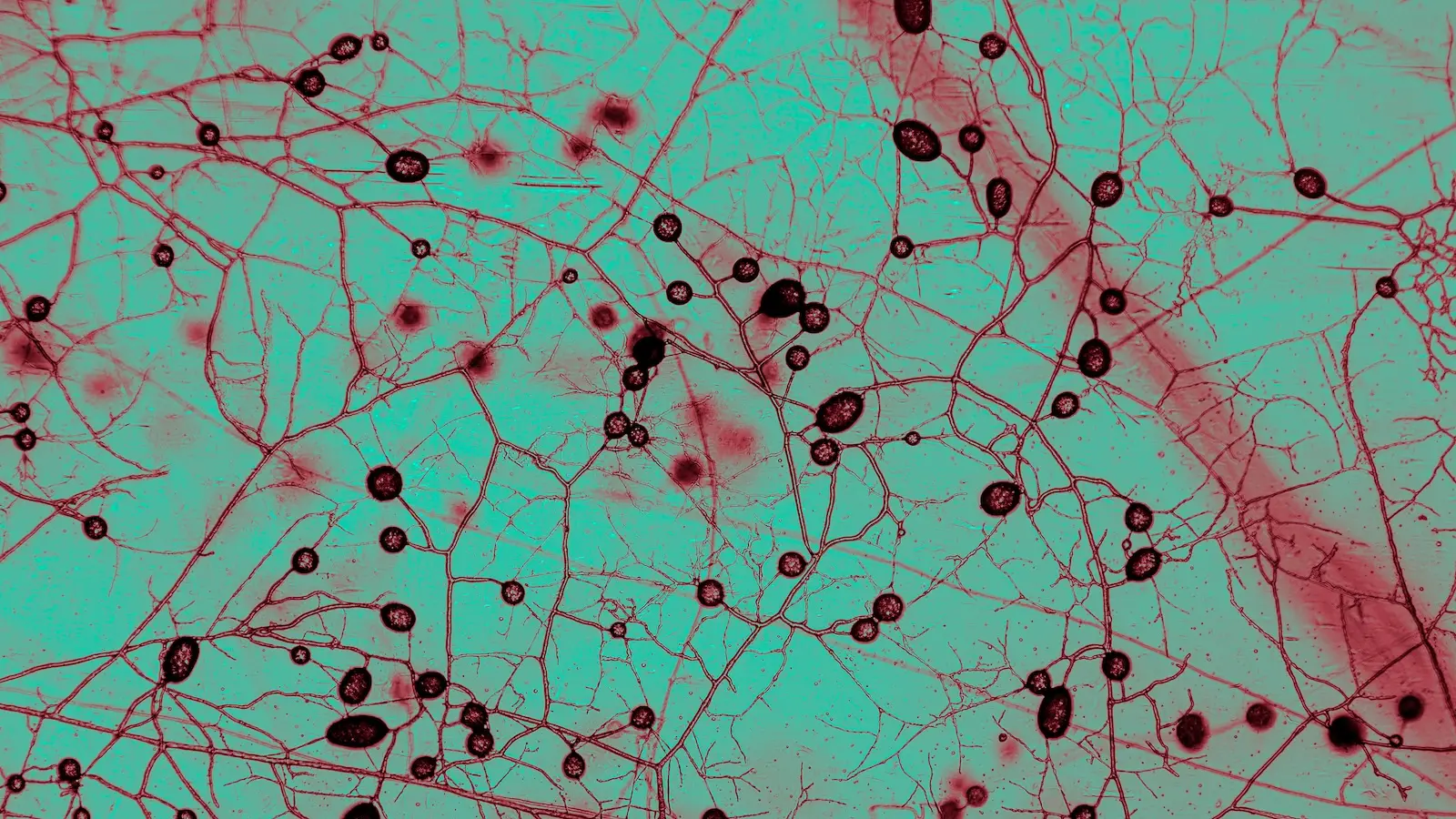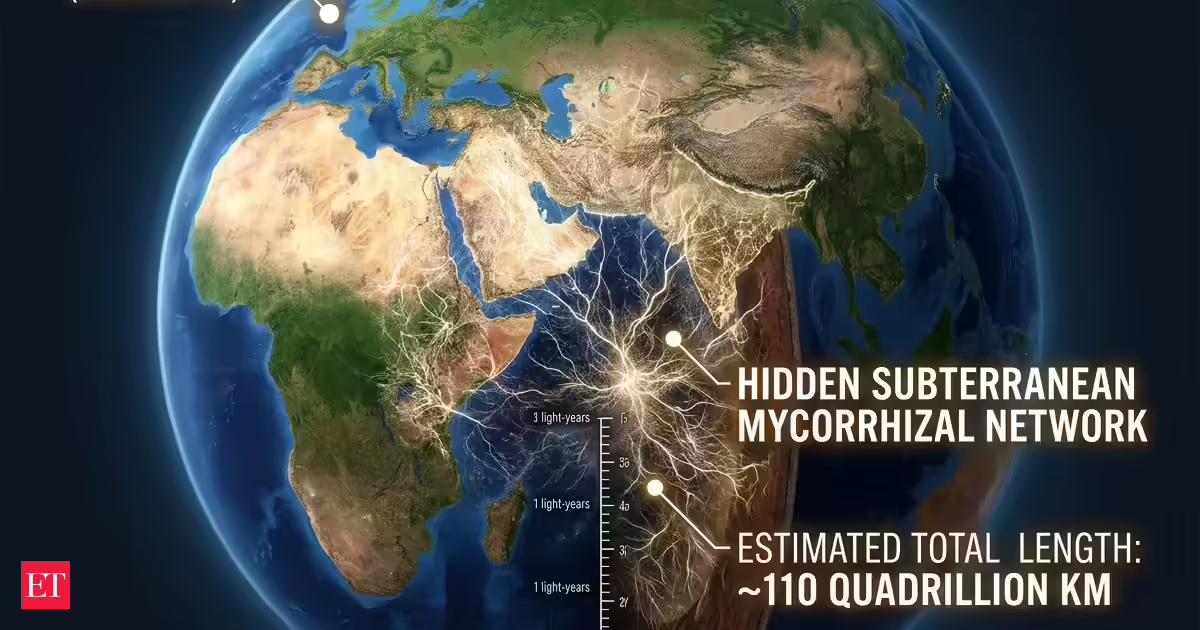
Forget the internet, there's a hidden superhighway under your feet, and it's almost a billion Sun trips long. While most people focus on forests, oceans, and wildlife when thinking about Earth's ecosystems, an enormous living network exists beneath the ground. Scientists have now created the first global maps of underground fungal networks known as arbuscular mycorrhizal fungi. These fungi connect with plant roots and help move nutrients, water, and carbon through ecosystems. The new research reveals the scale of this underground system and highlights its role in climate regulation, soil health, biodiversity, and food production across the planet.Scientists Reveal the Scale of an Underground NetworkResearchers have completed the first worldwide mapping project of arbuscular mycorrhizal fungal networks. These fungi form partnerships with most plant species and create thread-like structures called hyphae beneath the soil.The study, published in the journal Science, found that global topsoils contain around 110 quadrillion kilometers of fungal networks. This distance equals about 68 quadrillion miles. Scientists say this is nearly one billion times the distance between Earth and the Sun. The findings provide the first detailed picture of how these fungal systems are distributed across the world and how much of this underground infrastructure exists. What the Research Found?The research uncovered several important findings. Scientists estimate that underground fungal networks move about 4 billion tons of carbon dioxide equivalent into soils every year. This amount represents roughly 11 percent of annual human-related carbon dioxide emissions.The study also found that grasslands contain approximately 40 percent of the world's arbuscular mycorrhizal fungal infrastructure. Dense fungal networks are predicted in regions such as South Sudan's flooded grasslands, Florida's Everglades, and the Tibetan Plateau.Researchers discovered that large agricultural croplands have fungal network densities that are about 50 percent lower than those found in many natural ecosystems. According to scientists, lower fungal density may reduce a soil's ability to store carbon, recycle nutrients, and cope with environmental pressures.How Fungi and Plants Work Together?Arbuscular mycorrhizal fungi, often called AM fungi, form partnerships with nearly 70 percent of plant species worldwide. Plants produce carbon through photosynthesis and share part of it with fungi. In return, fungi help plants absorb nutrients and water from the soil.This relationship benefits both organisms. The fungi receive energy from plants, while plants gain access to resources that might otherwise remain unavailable. Scientists describe these fungal systems as living infrastructure because they support ecosystems and help move carbon underground.How Researchers Created the Global Maps?To build the maps, researchers gathered information from more than 16,000 soil cores collected from different parts of the world. They then used machine-learning models to analyze environmental conditions found in forests, deserts, tundra regions, grasslands, and other ecosystems. These models helped scientists predict fungal network density in places where direct measurements were not available.Researchers also worked with the Physics of Behavior group at the AMOLF research institute. Using robotic imaging technology, they examined more than 300,000 living fungal hyphae grown under laboratory conditions. By combining field measurements, imaging technology, and machine-learning analysis, the team estimated the total length and mass of global fungal networks.Their calculations suggest that these networks contain roughly 300 megatons of carbon. Scientists noted that this is about four to six times the mass of all living humans combined. Lead author Dr. Justin Stewart from the Society for the Protection of Underground Networks (SPUN) said there could be up to 10 meters of mycorrhizal network inside a single teaspoon of soil.Why Scientists Call It Earth's Circulatory System?Researchers often compare fungal networks to a circulatory system because they transport resources throughout underground ecosystems. These networks carry carbon, nutrients, and water between plants and soils. Scientists report that fungal networks can increase the effective reach of plant roots by up to 100 times. They can also provide more than 80 percent of a plant's phosphorus requirements.Co-lead author Dr. Corentin Bisot explained that advances in imaging, machine learning, and robotics are helping scientists uncover systems that were previously hidden beneath the ground. The findings offer new insight into how underground ecosystems function and contribute to climate regulation.Interactive Maps Offer New Research OpportunitiesResearchers partnered with data visualization designer Moritz Stefaner to create the Mycorrhizal Infrastructure Map. The platform provides a detailed view of Earth's fungal infrastructure and allows users to explore fungal network distribution around the world.Scientists calculated estimates for every square kilometer of terrestrial land, excluding ice-covered regions and areas with insufficient data. The information is publicly available and may help governments, conservation groups, and policymakers monitor underground ecosystems.Grasslands Face Growing PressureThe study also highlights concerns about the future of fungal ecosystems. Researchers found that wild grasslands contain around 40 percent of global arbuscular mycorrhizal fungal biomass.However, grasslands remain among the least protected ecosystems on Earth. Scientists note that grasslands are being converted to agricultural land at a rate four times faster than forests.Previous SPUN research showed that 95 percent of biodiversity hotspots for arbuscular mycorrhizal fungi exist outside protected areas. Researchers say these findings demonstrate the need to include fungi in conservation and climate strategies.What Scientists Still Need to Learn?Although the study provides the first global picture of fungal infrastructure, many questions remain unanswered. Large parts of the world still lack direct sampling data. Researchers believe additional studies will help improve understanding of fungal distribution and ecosystem function.Biologist Dr. Merlin Sheldrake said fungal networks have shaped life on Earth for hundreds of millions of years, yet scientists still know relatively little about how these transport systems operate across the planet.Researchers believe future work could improve knowledge about food security, soil health, biodiversity conservation, and climate change. The new maps mark an important step toward understanding one of Earth's least visible but most important ecosystems. Beneath the soil, a vast fungal superhighway continues to support plant life, move carbon, and connect ecosystems on a planetary scale.
Forget the internet, there's a hidden superhighway under your feet, and it's almost a billion Sun trips long
Forget the internet, there's a hidden superhighway under your feet, and it's almost a billion Sun trips long and scientists have now mapped this underground fungal network for the first time. The study shows that these fungal networks stretch about 110 quadrillion kilometers across Earth. They help plants obtain nutrients and water, move around 4 billion tons of carbon dioxide into soils each year, and support ecosystems. Researchers say the findings could help conservation efforts, climate planning, and future studies of underground biodiversity.
961 words~4 min read