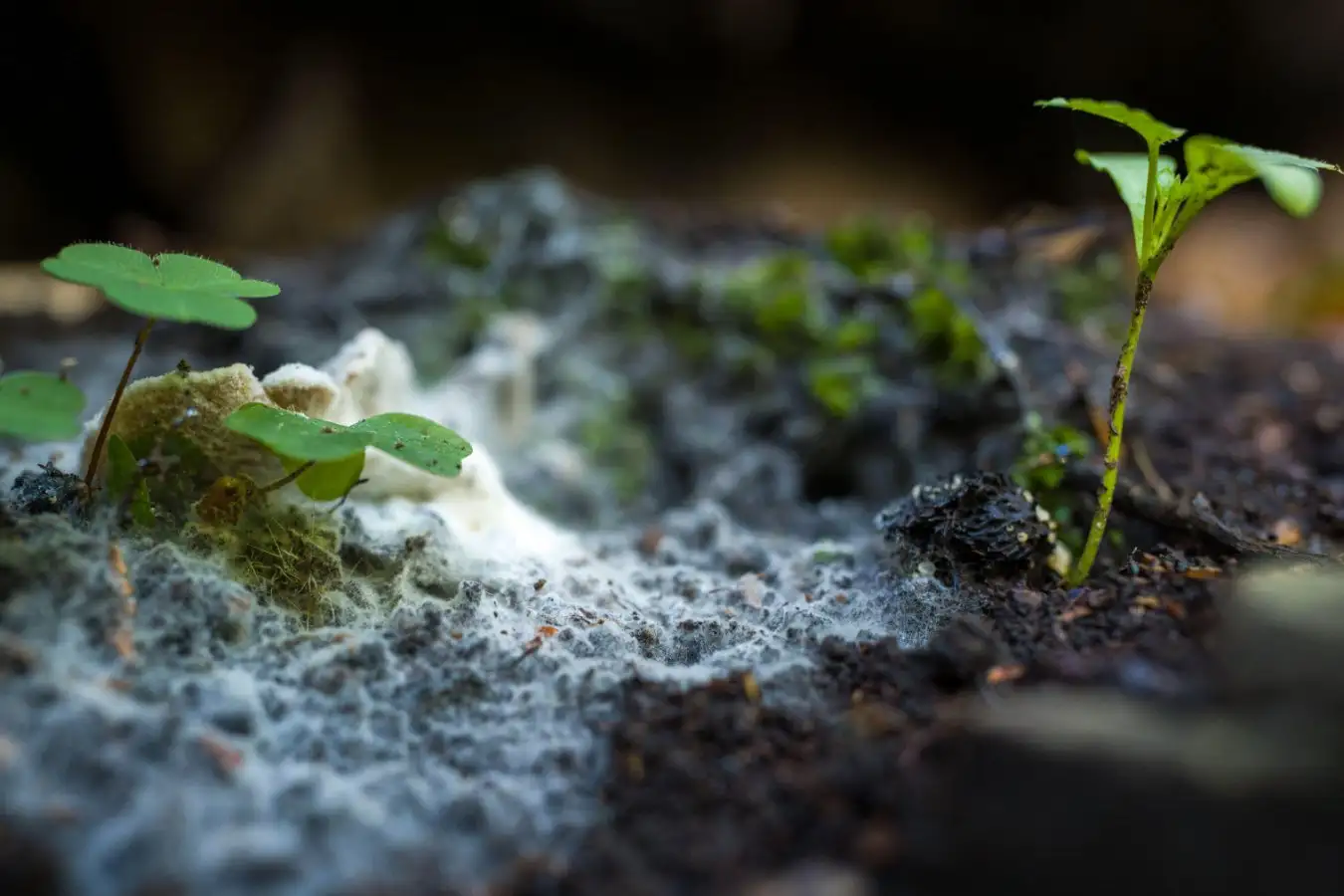
Plants and fungi are interacting beneath our feetAndrea Obzerova/Alamy
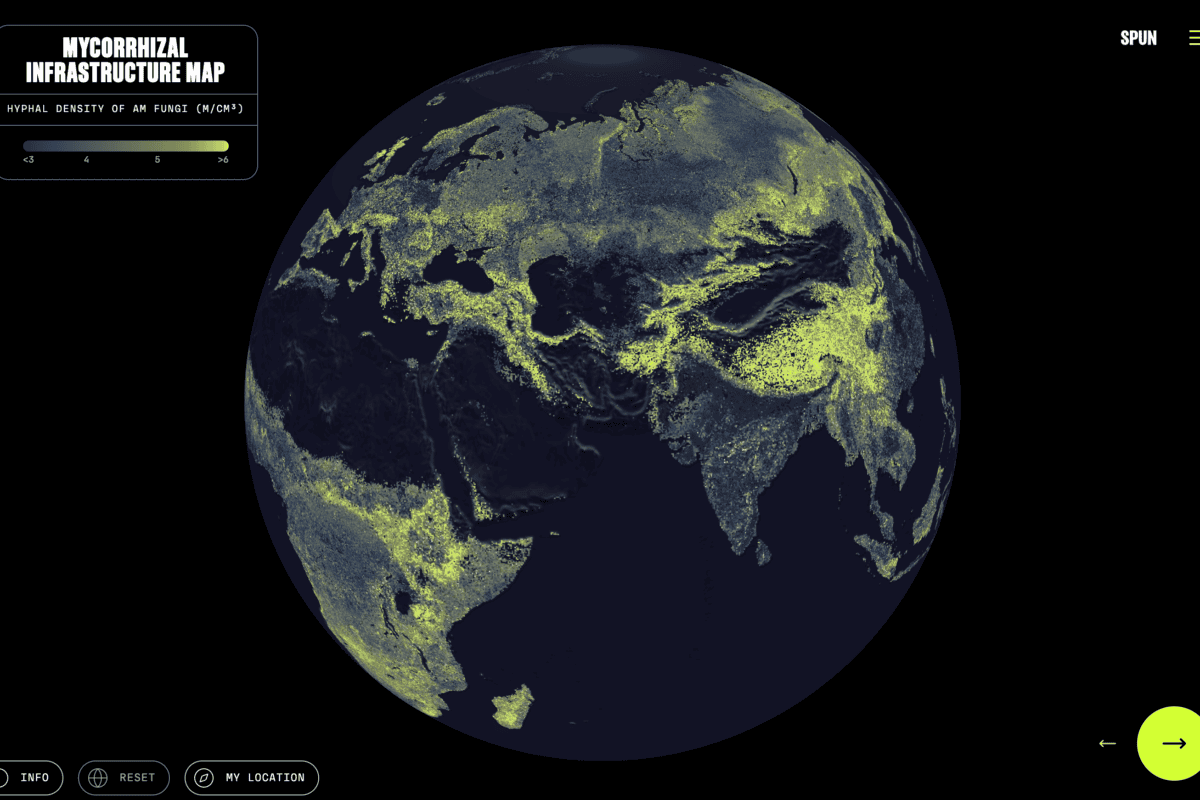
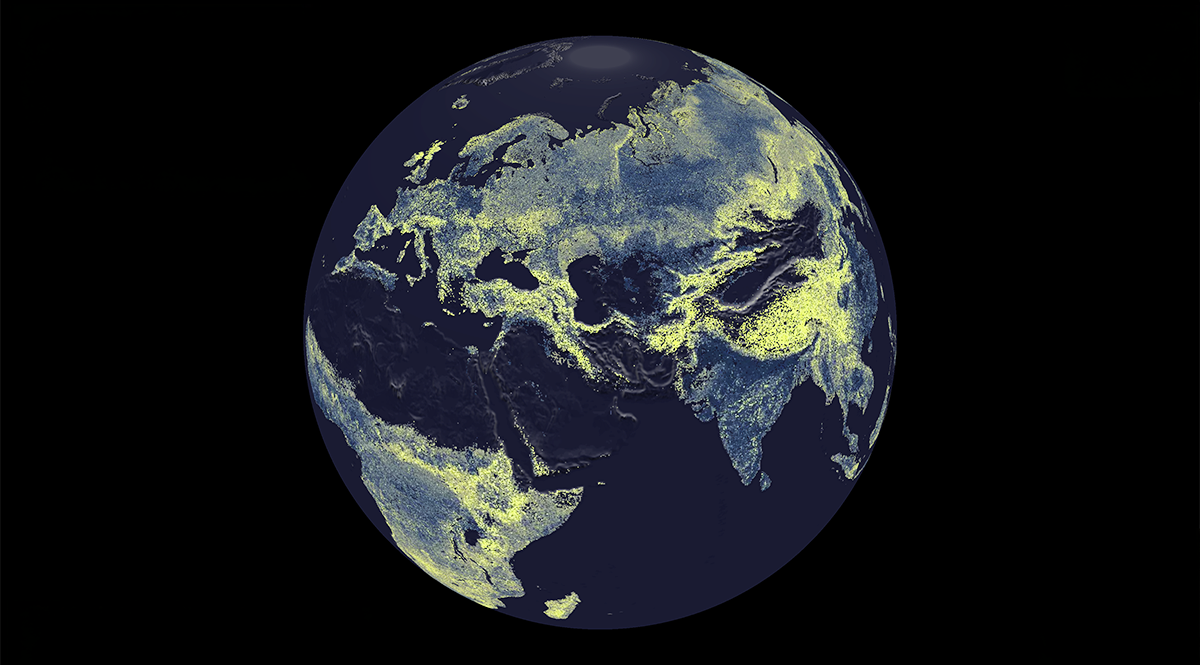
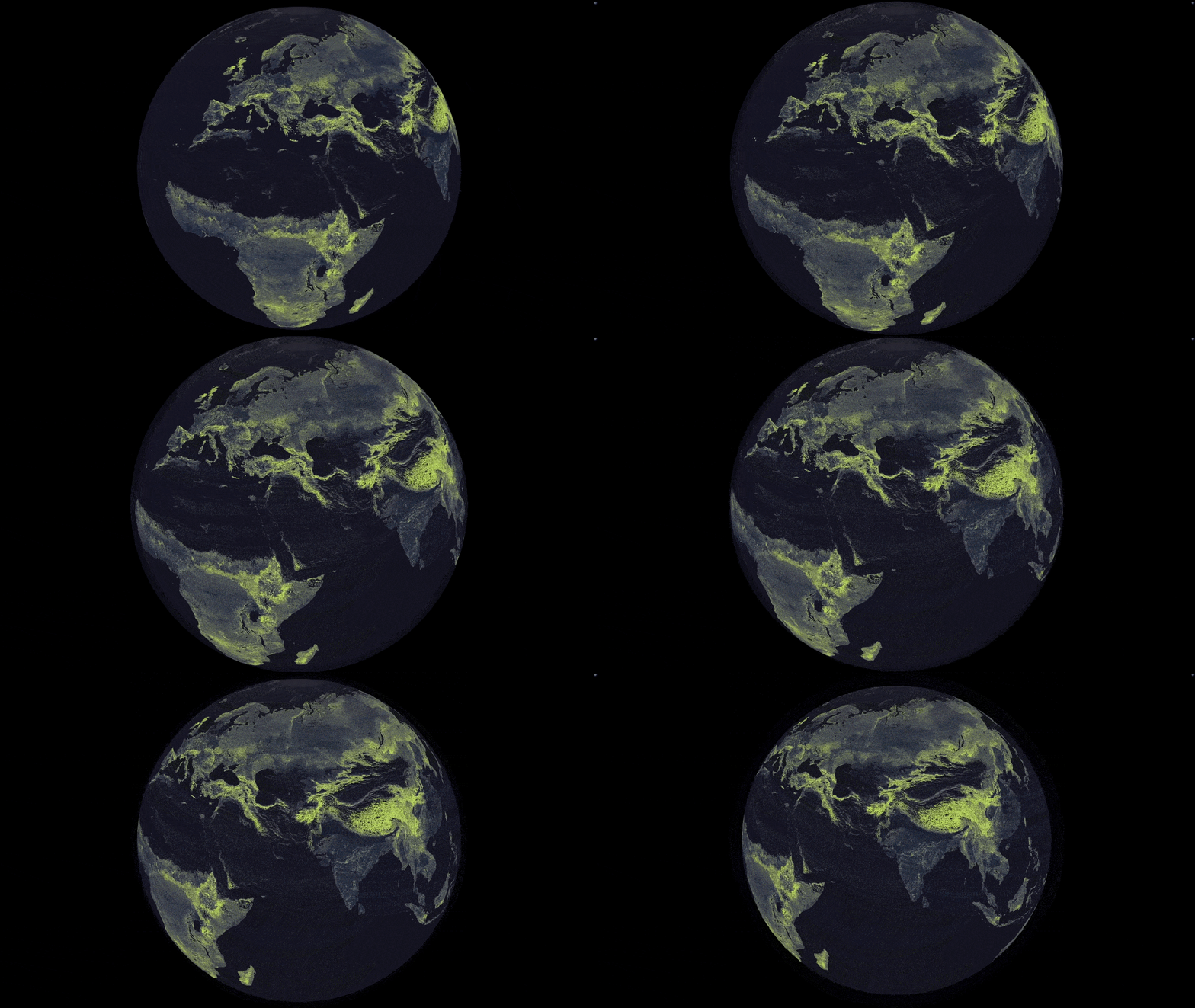
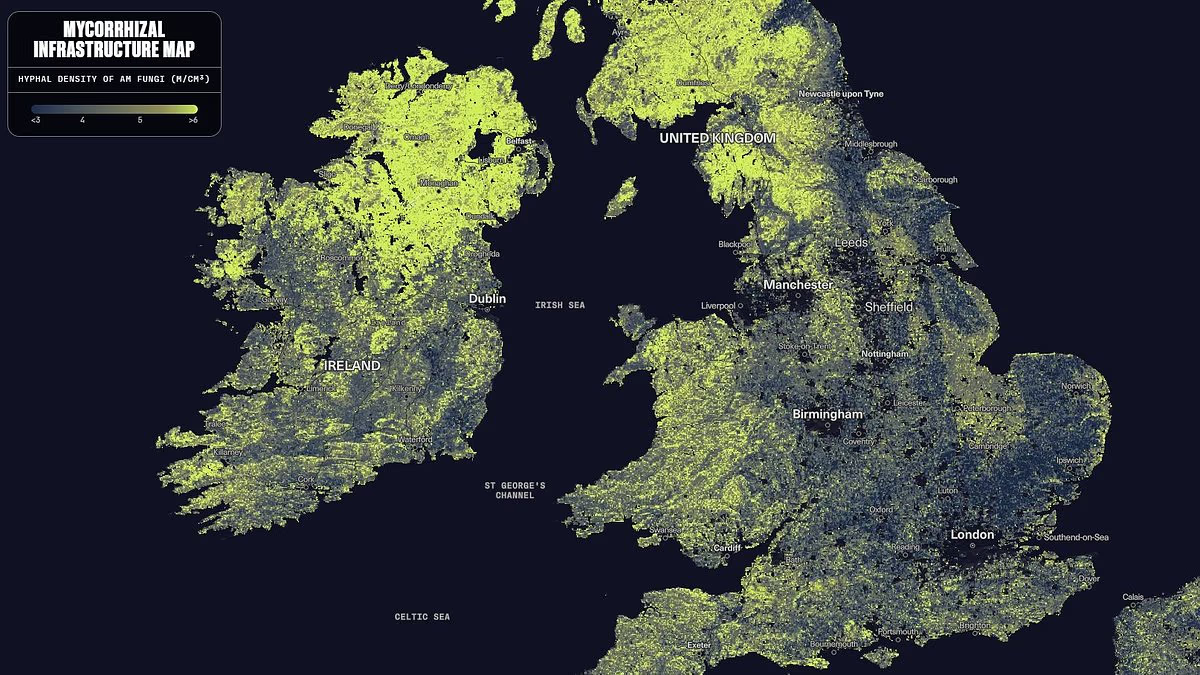
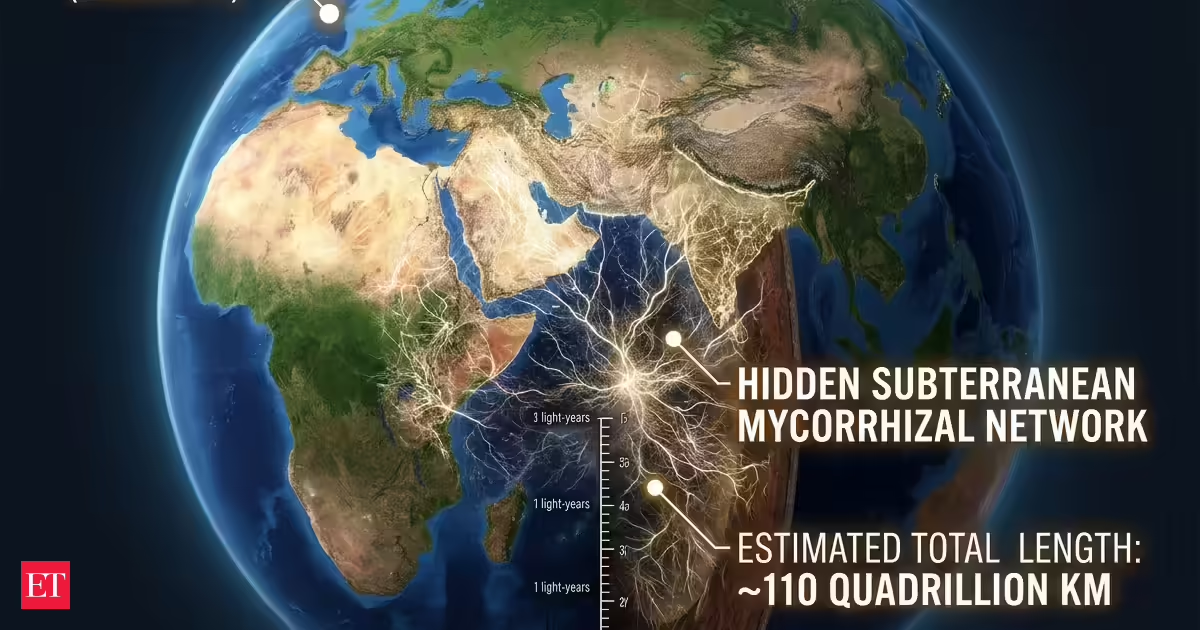
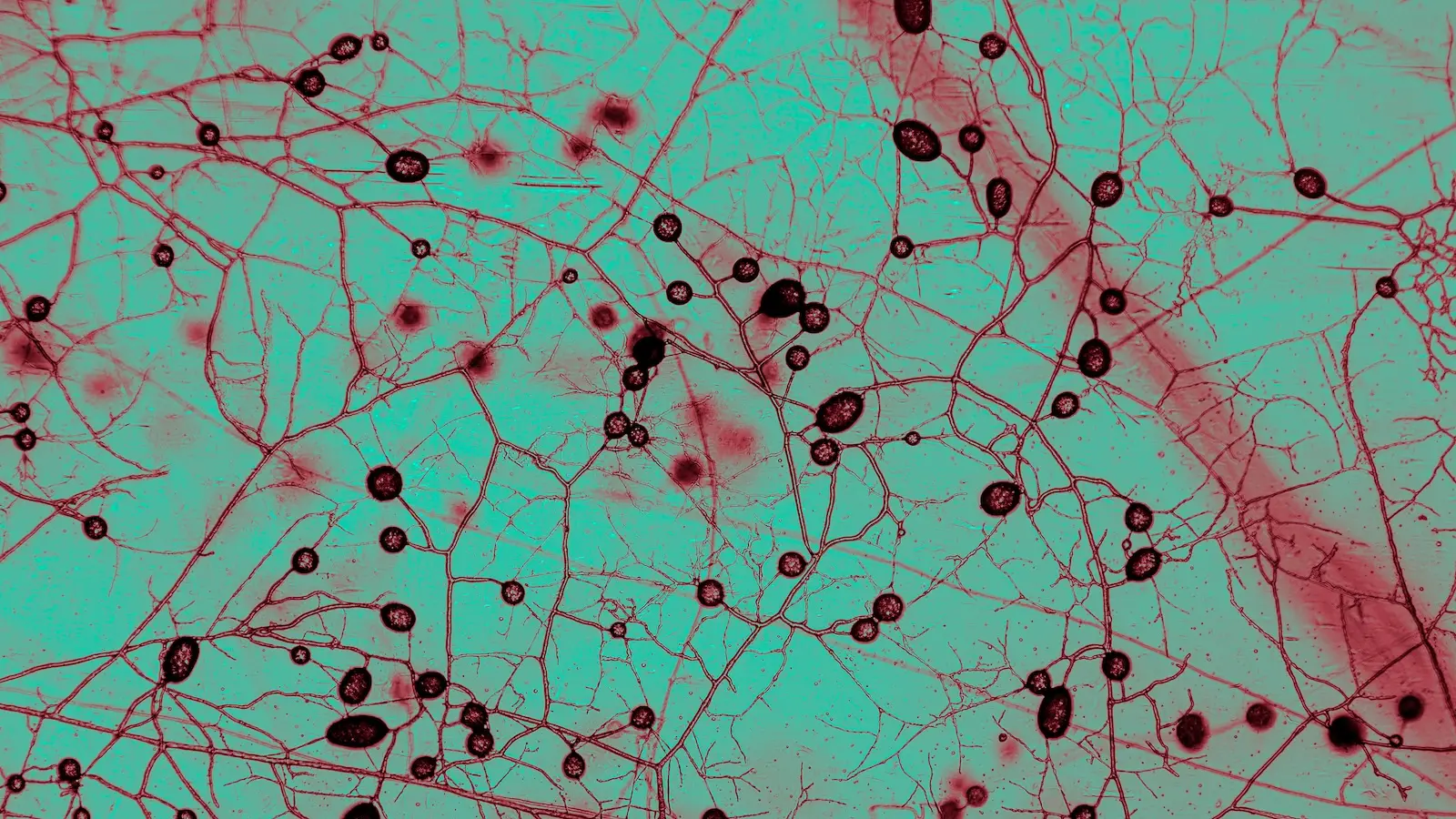
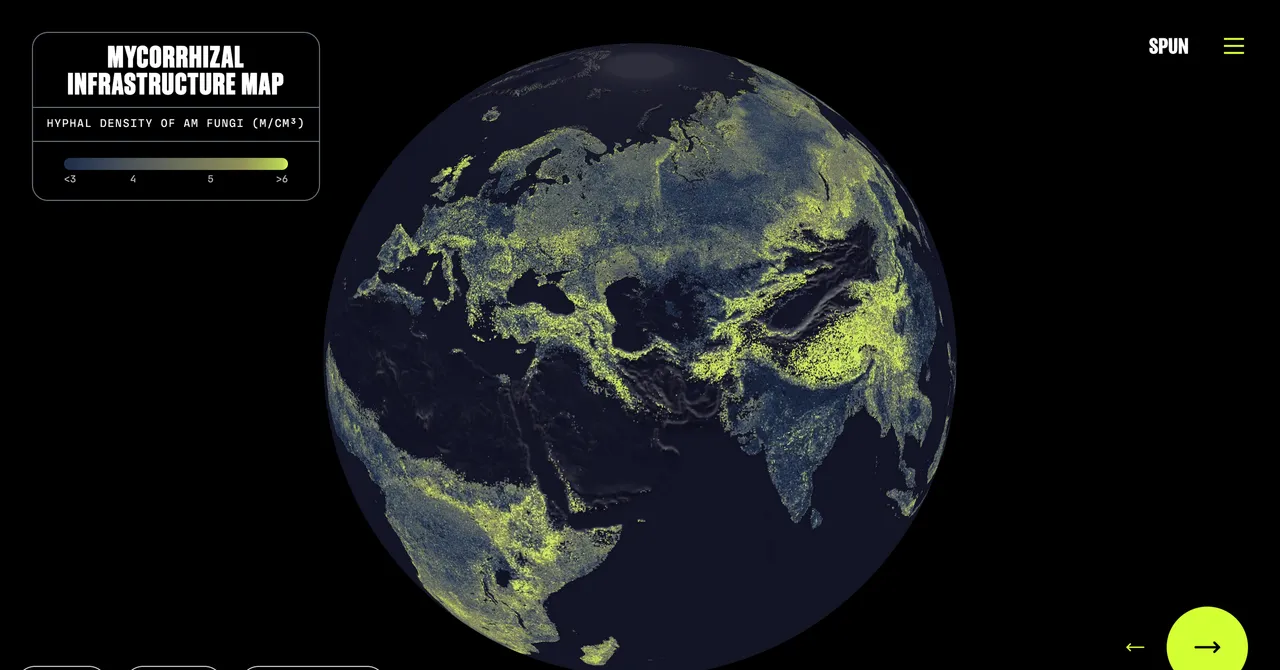
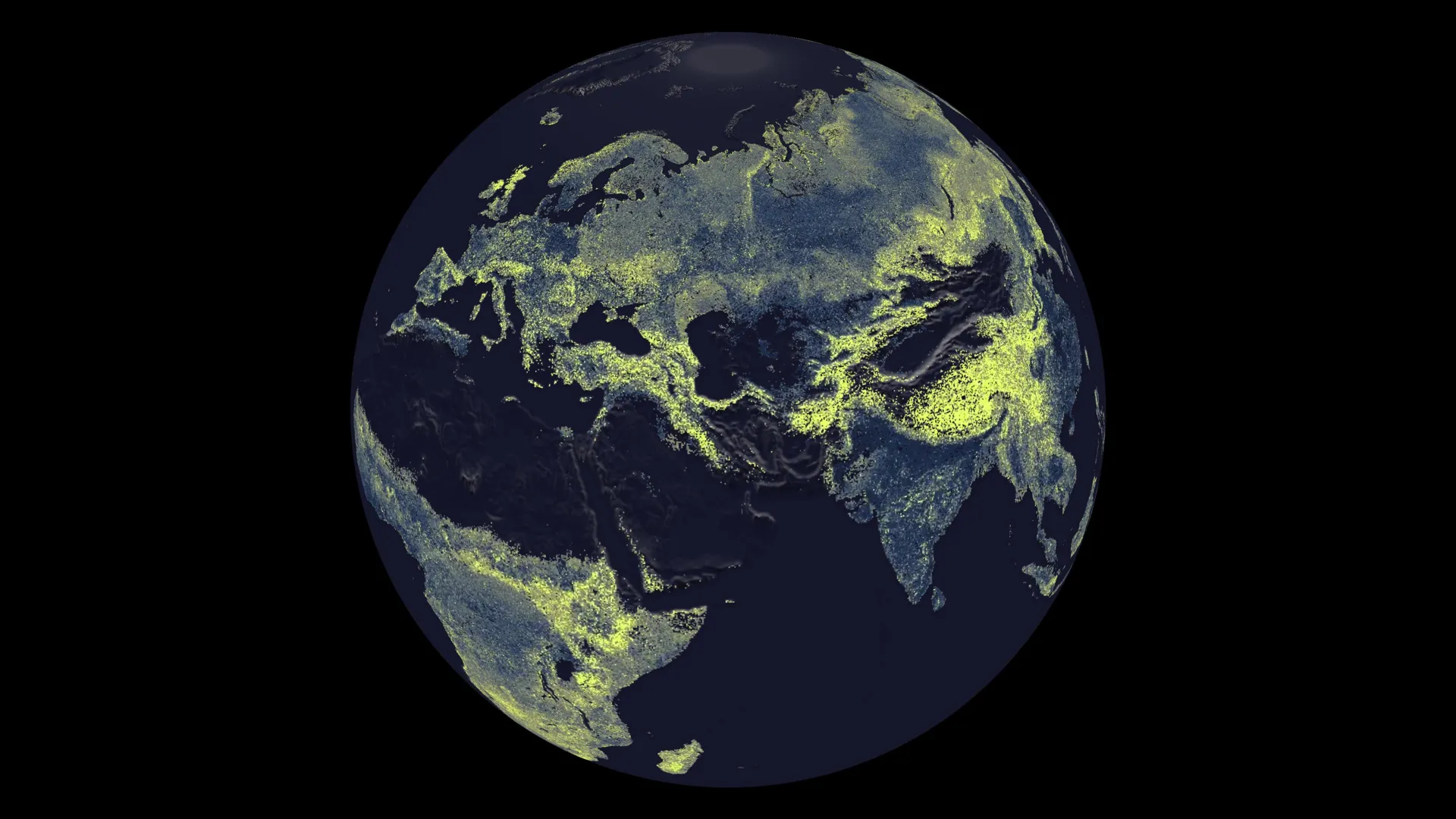
Just under Earth’s surface, 110 quadrillion kilometres of carbon-rich fungi intersect with plant roots. This vast network has been laid bare in the first global digital map of our planet’s mycelial networks. Not only do these fungi exchange nutrients with plants, they also help regulate our climate.
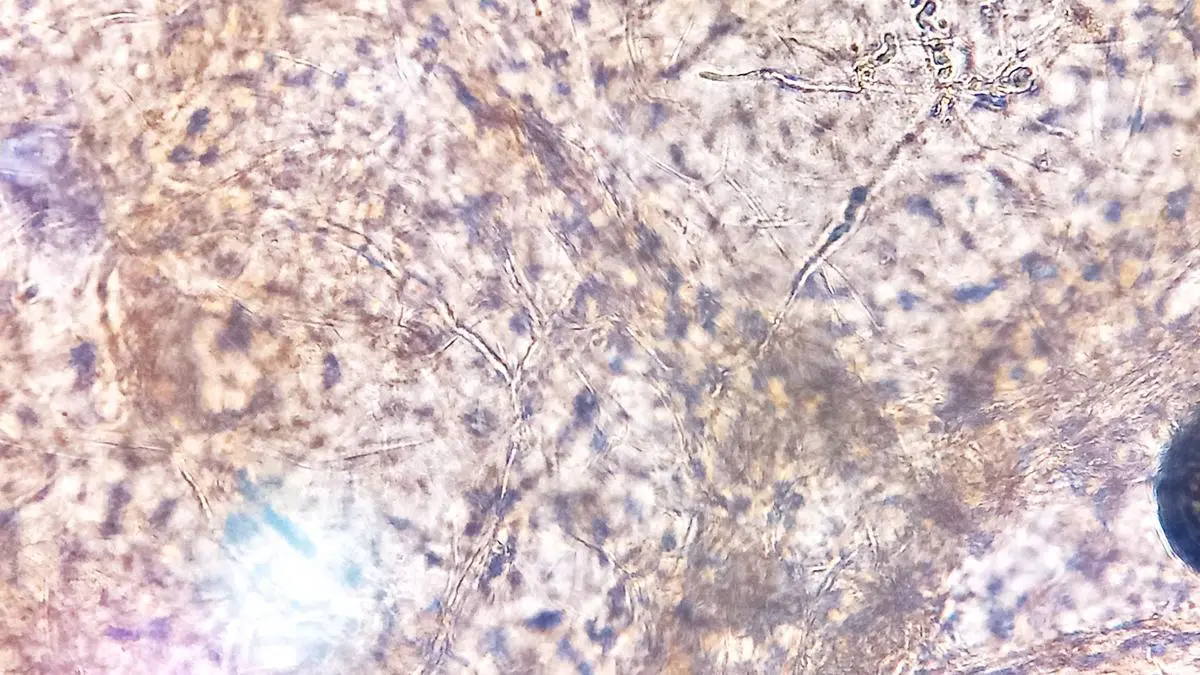
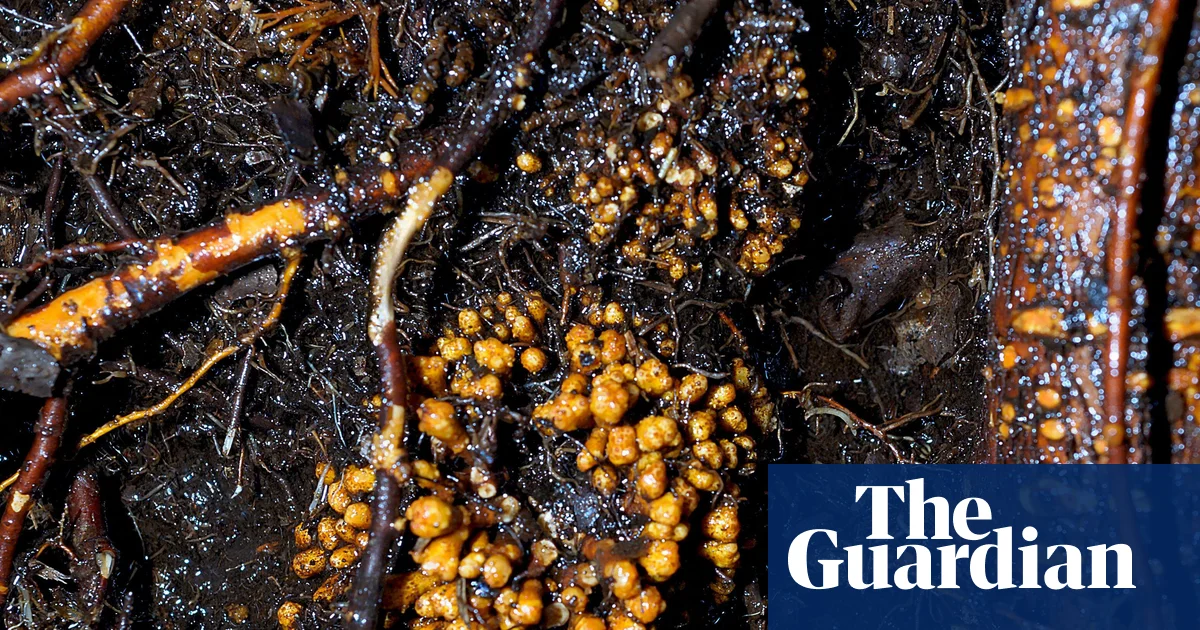
Arbuscular mycorrhizal fungi, an ancient group of soil fungi found throughout most terrestrial ecosystems, form symbiotic relationships with about 70 per cent of the world’s plant species, providing nutrients and water in exchange for carbon. “Some people call plants the saviours of these fungi, but these fungi are also the saviours of plants,” says Justin Stewart at the Society for the Protection of Underground Networks. “If you’re not in symbiosis with arbuscular mycorrhizal fungi, you’re kind of the weirdo of the plant world.”
Given the fungi’s importance, Stewart and his colleagues set out to quantify this hidden infrastructure. “We asked the question: can we map the Earth’s underground circulatory system?” says team member Toby Kiers, also at the Society for the Protection of Underground Networks.
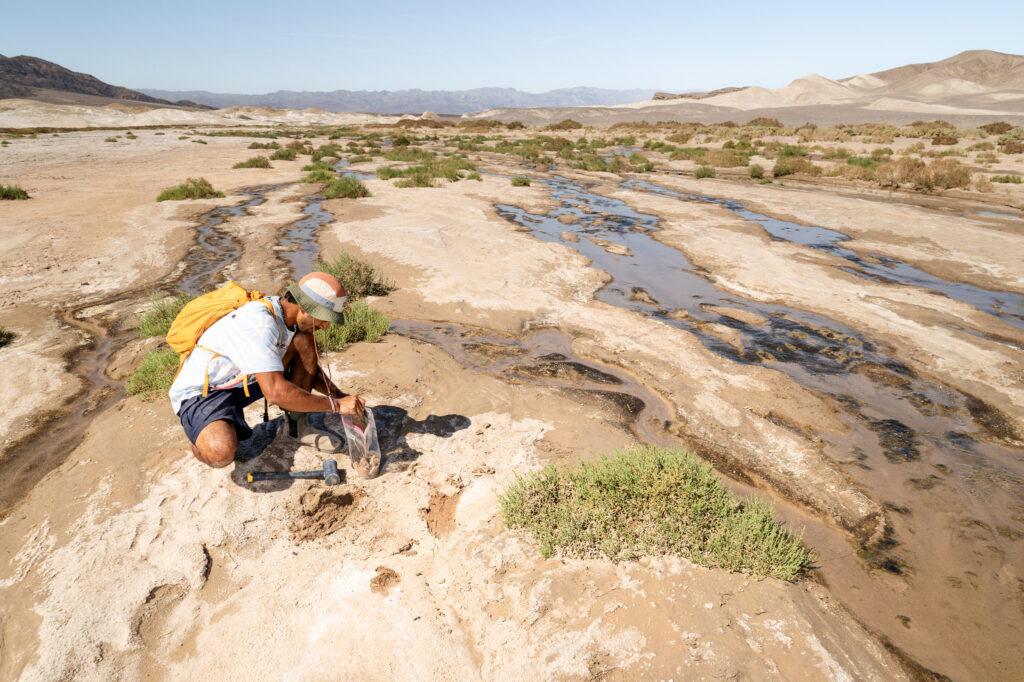
First, the researchers analysed data from 16,000 soil samples from across Earth, derived from 322 previous studies. They also used robotic imaging to measure more than 300,000 fungal threads grown in the lab, allowing them to estimate the total biomass and carbon stored in the networks. Next, the team combined that data and used it to extend estimates across deserts, tundra, forests and other regions where direct measurements were sparse or unavailable.