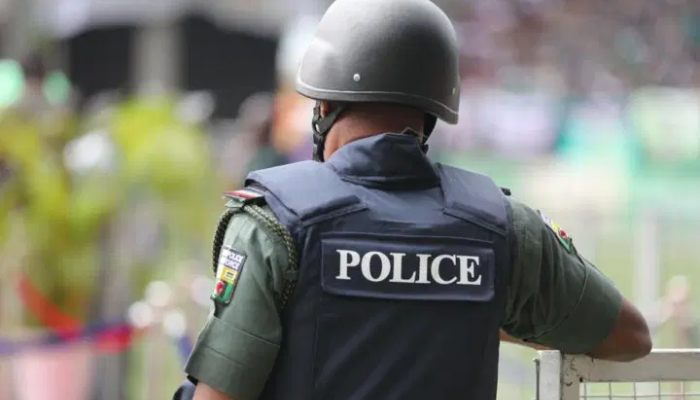
What Nigeria needs to curtail issues of mob justice is public safety that is people-centred: community policing that is genuinely local, accountable to the neighbourhoods it serves, and built on relationships. Community policing means officers who know the streets they patrol and the people on them, response times that make reporting a crime feel worthwhile, and oversight structures where ordinary citizens, not just governors and commissioners, have a real say in how their safety is managed.
ALUU4. Deborah Yakubu. The sixteen travellers lynched on the road in Uromi. These names have become painfully familiar in Nigeria’s national conversation on mob justice. While those of us far removed post #Justice4XYZ hashtags, and organisations issue media statements, a family is grieving the loss of a child, a brother or a sister. The dreams of that family are forever quenched, because of a bloodthirsty crowd.
The tougher families like the ALUU4 families in Port Harcourt follow up as much as they can, getting a conviction only after five years, with a good number of the suspects still getting away because of the lack of evidence. Other families, like Deborah Yakubu’s, have no closure at all. They mourn a daughter without ever knowing what she could have become.