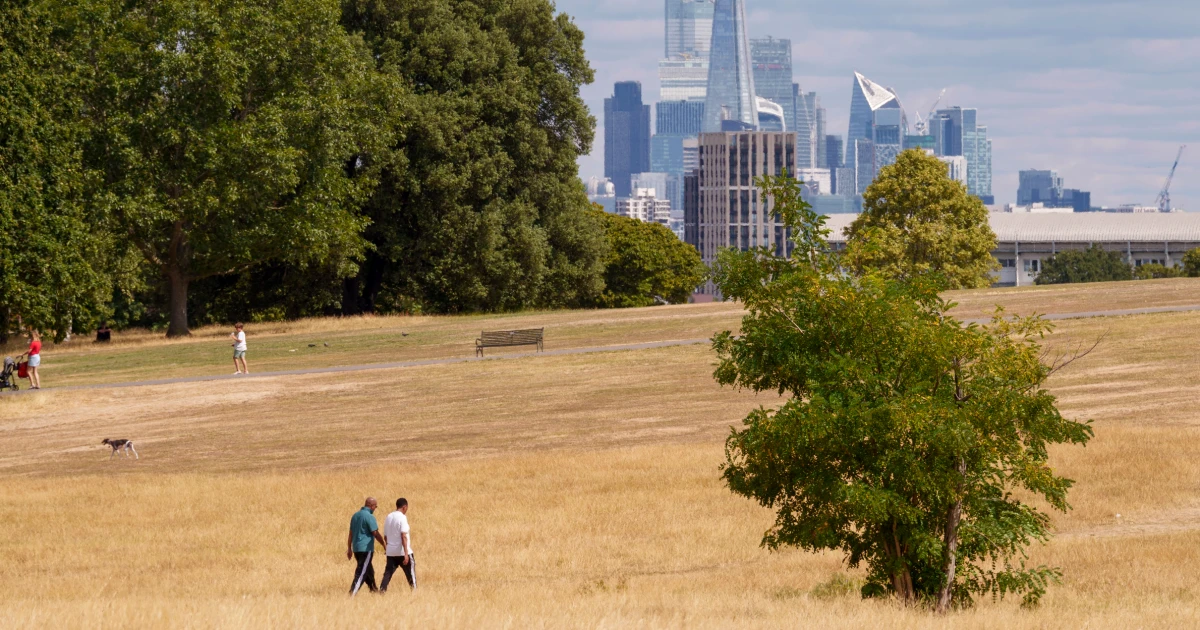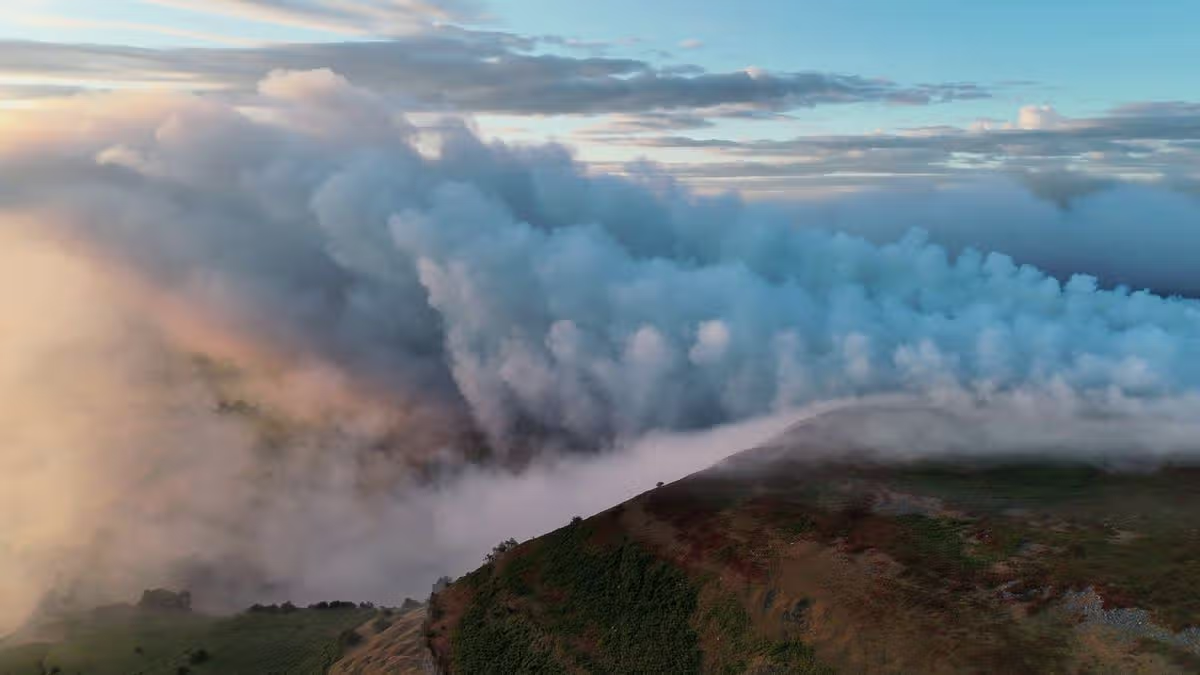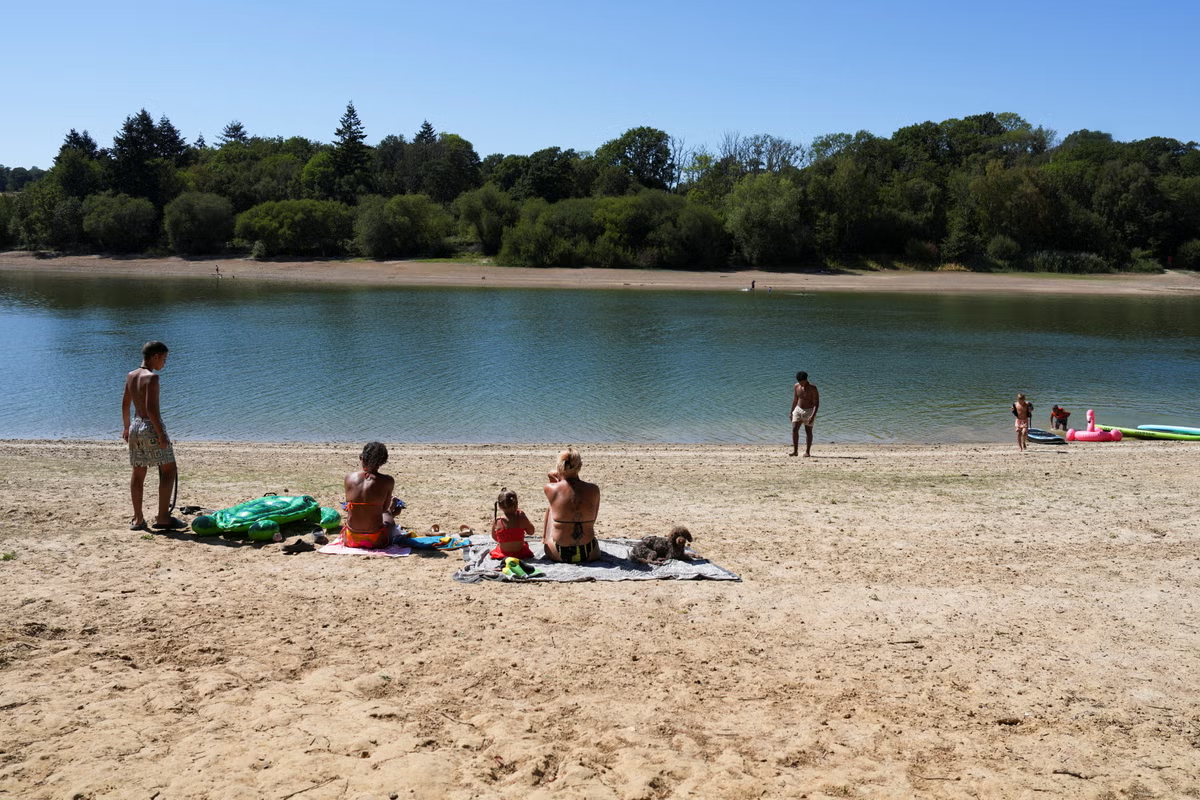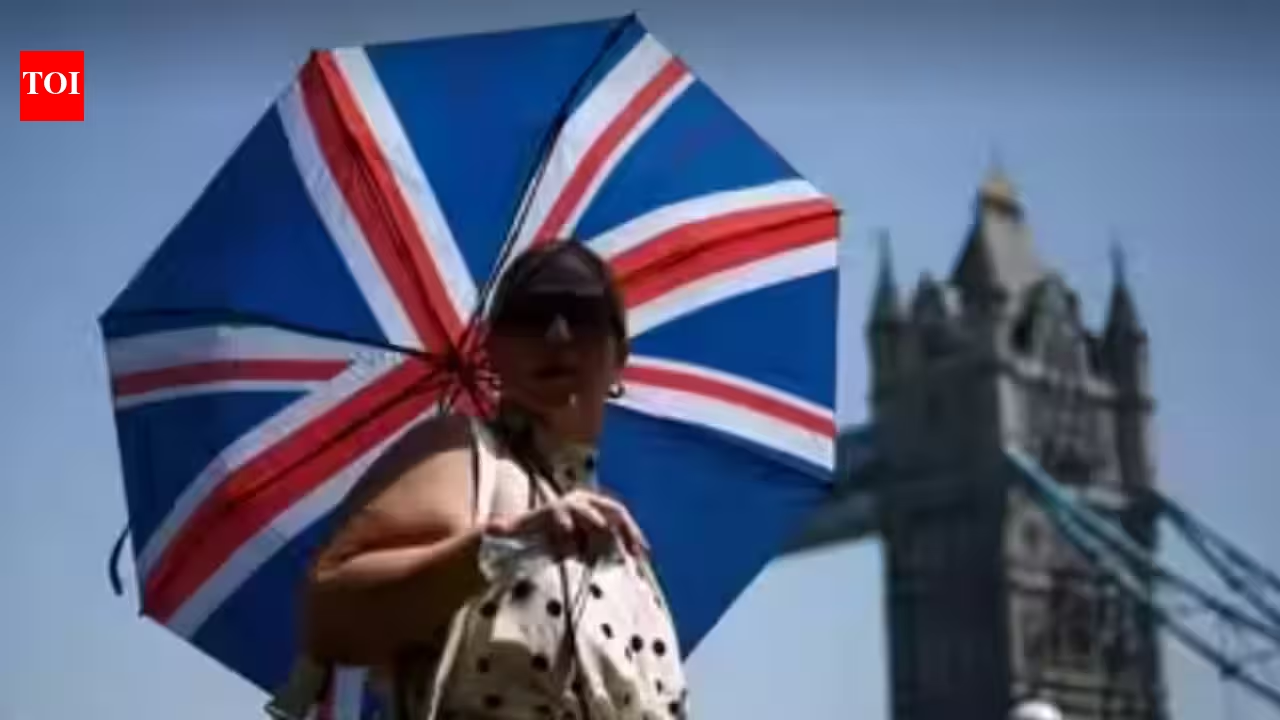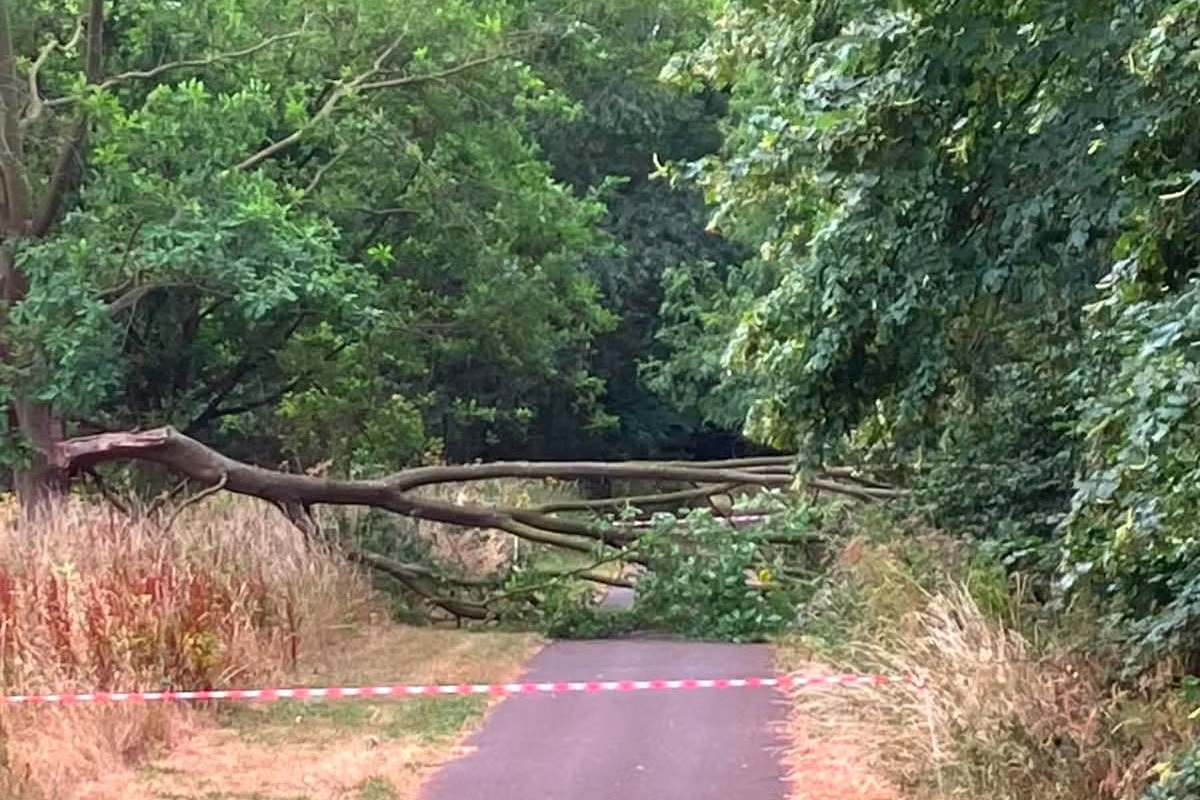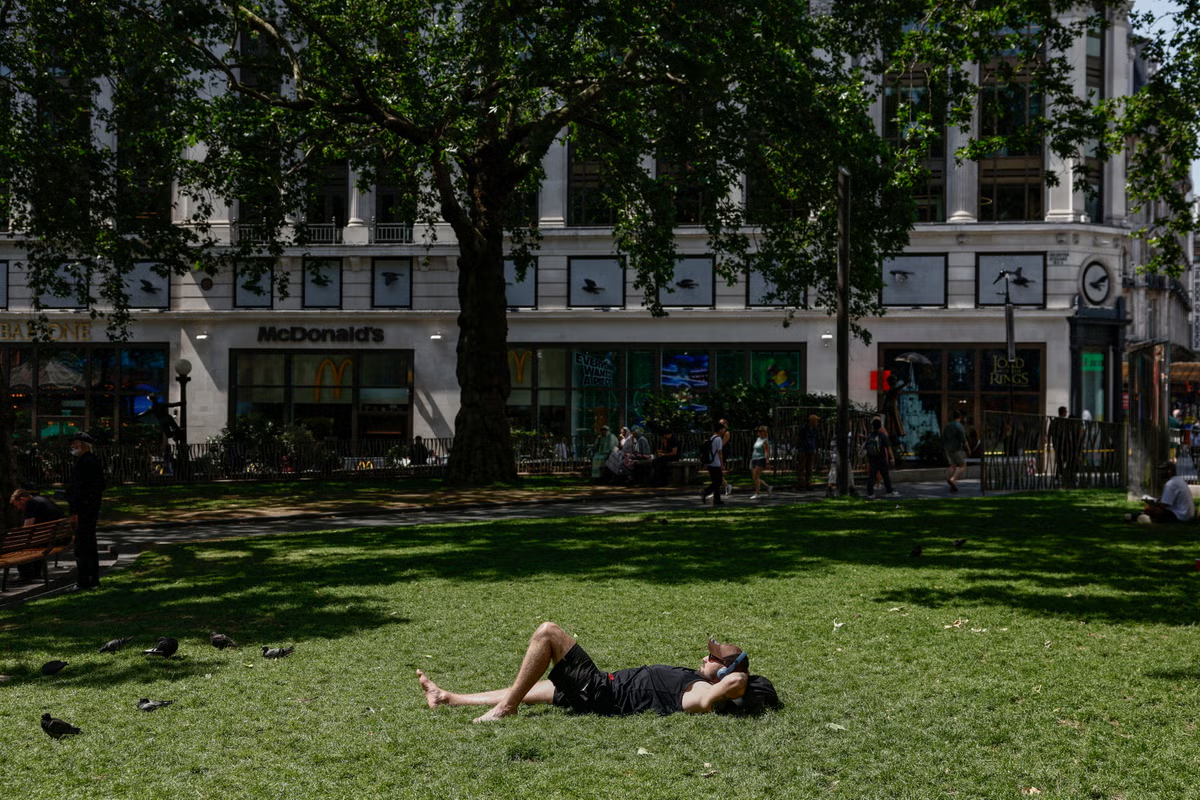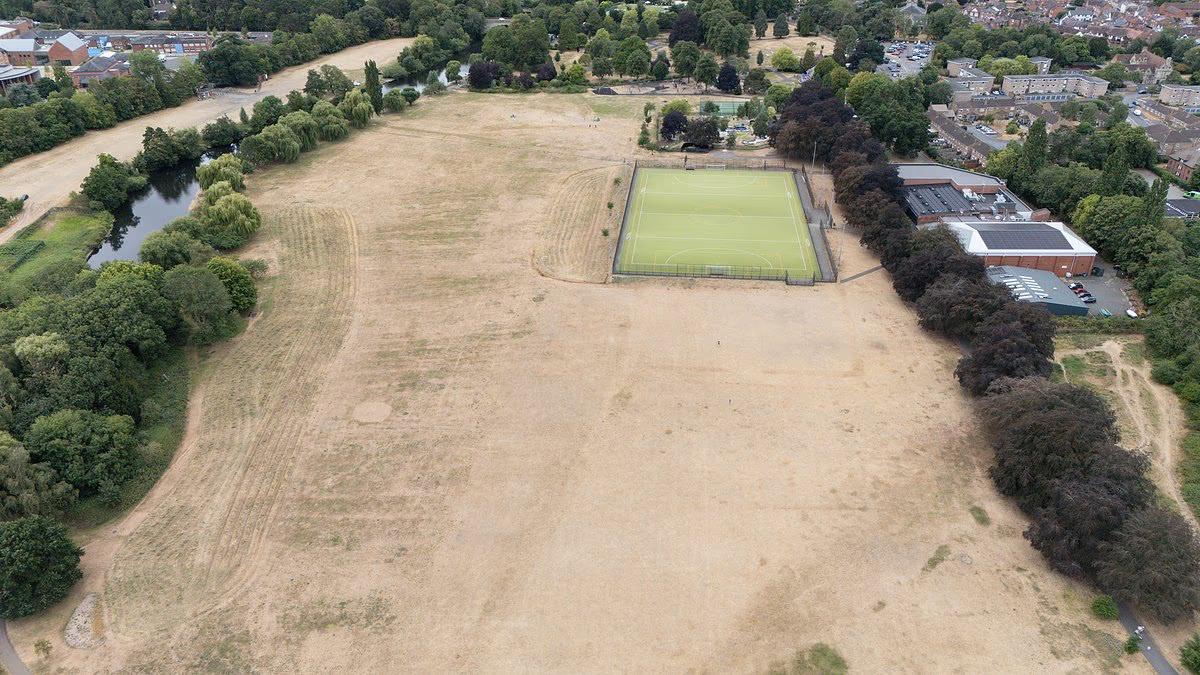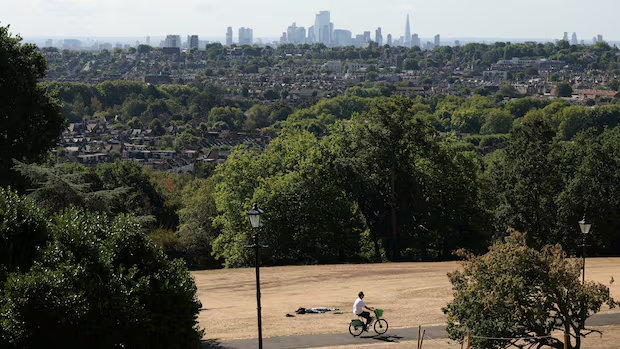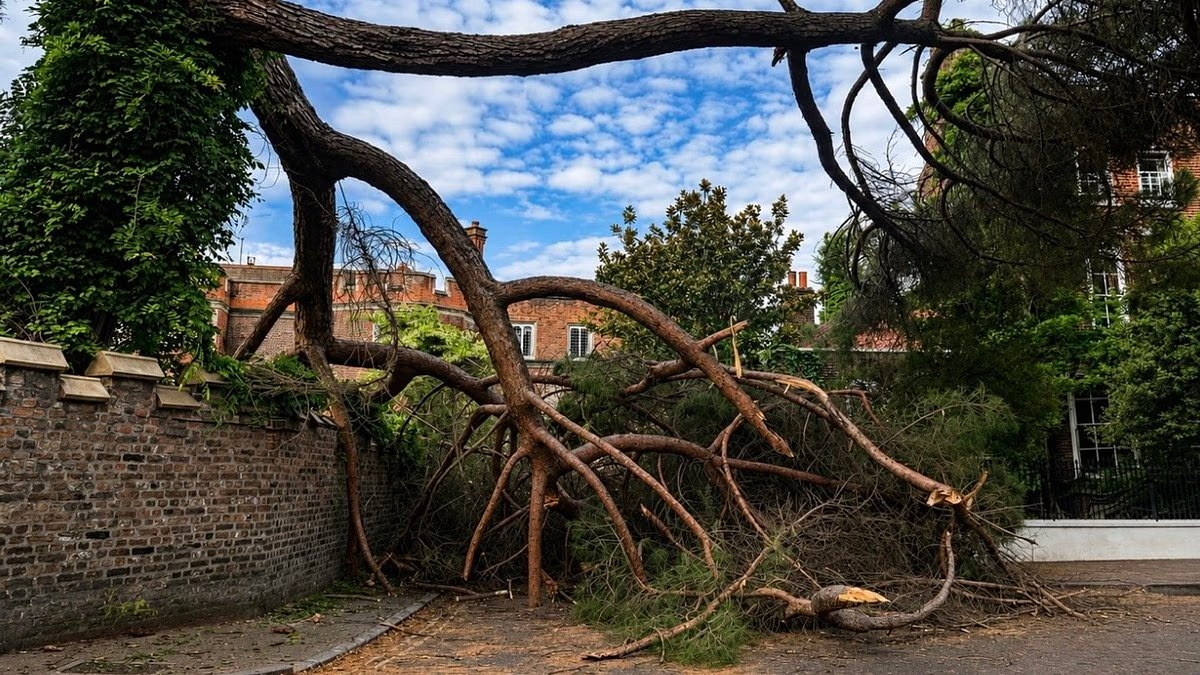
Britain’s bone-dry spell has left its grass shrivelled and brown – and now even the country’s ancient trees appear to be feeling the heat, with visitors warned to beware falling branches as temperatures soar to 33C. An ancient tree on the grounds of Richmond Palace, the historic Tudor royal residence, lost one of its largest branches this weekend after it collapsed and crashed through part of a wall.In a picture posted online, the tree’s huge limb appears sprawled across the ground, with the accompanying caption indicating that it had blocked an entrance to the Old Palace Yard on the site. The post, shared by MyRichmond, read: 'So sad to see, particularly in a spot with so much history.'While it's impossible to know exactly what caused the limb to fall, increasingly dry soil and water stress can be contributing factors in mature trees - certainly not helped by the extended period of drought we've experienced this summer.'We're hoping the remaining tree is safe and that the damage to this historic corner of Richmond can be carefully restored.'It comes as the country's fifth scorching heatwave is due to ramp temperatures up to a sweltering 33C today as the country braces beneath the sun.Yellow heat health alerts were issued at 9am on Saturday as the mercury rose up thermometers throughout the day, baking the South and South East in 28C heat, while central England saw highs of 27C. An ancient tree on the grounds of Richmond Palace (pictured) lost one of its largest branches this weekend after it collapsed and crashed through part of a wall It comes as temperatures are set to reach a sweltering 33C in England today as it is hit by its fifth heatwave (Pictured: Potters Fields Park next to Tower Bridge) The hot, dry weather has turned greenery brown across the country, and hosepipe bans mean there is no chance of respite for the wilting plants Today however, rain will provide respite to Scotland, Northern Ireland and northern England, and even some isolated showers in the South East, the Met Office reported.But the bone-dry weather will continue everywhere else, with temperatures set to reach the high 20s for most people.Health officials are raising the alarm about unforeseen risks of taking some medicines when high temperatures roll over the country.This includes taking ibuprofen, which in hot weather can make it harder for the body to stay hydrated, regulate temperature or cope with sun exposure.Dr Alison Cave, chief safety officer at the Medicines and Healthcare products Regulatory Agency, said: 'Proton pump inhibitors (PPIs), commonly used to treat acid reflux and heartburn, have also been linked to a very low risk of a lupus-like skin reaction triggered by sun exposure, and common painkillers such as ibuprofen and naproxen may also increase sun sensitivity.' The South and South-Eastern parts of the UK could see temperatures climb into the 30s, potentially reaching up to 33C in the South East, the Met Office said.Any wildfires are likely to be exceptionally severe on Sunday in almost all of the east and south-east of England, according to the Fire Severity Index. 'Exceptional' severity is its highest ranking.The Met Office data includes rainfall, temperature and humidity, and agencies use the index to assess the severity of fire if it starts. It does not cover the chances of wildfires occurring. Temperatures will be highest today at 4pm, reaching 33C in the South On Monday, cloud with a few spots of rain should settle in central areas but this will clear in the south, leaving a largely dry day with sunny spells. It is predicted to be slightly cooler than todayThe forecaster said rain would move southwards across northern England tonight, but would weaken as it does so with clear spells either side and a few showers across Scotland and Northern Ireland.On Monday, there are predictions of cloud with a few spots of rain in central areas but this will clear in the south, leaving a largely dry day with sunny spells. It is set to feel slightly cooler but still warm in the south.Tuesday brings similar dry and sunny weather, which is set to carry on throughout the middle of the week.Some rain could be present in western Scotland and Northern Ireland. In the south, it's set to be warm for most and increasingly hot as the week goes on.The UK Health Security Agency (UKHSA) has issued yellow heat health alerts for the East Midlands, West Midlands, South East, South West, East of England, Yorkshire and the Humber, and London.The yellow heat health alerts are to last until 9pm on Tuesday.They warn that the hot weather is likely to affect the wellbeing of the population and put additional pressure on healthcare services.The Met Office said heatwave conditions will likely return next week, with a high of 36C expected in parts of East Anglia and south-east England by Thursday. Tuesday brings similar dry and sunny weather, which is set to carry on throughout the middle of the week Any wildfires are likely to be exceptionally severe on Sunday in almost all of the east and south-east of England, according to the Fire Severity Index. Here, firefighters battle flames in Dunwich Heath, Suffolk, last week Yellow heat health alerts were issued at 9am on Saturday, hitting highs of 28C in the South EastTwo record-breaking heatwaves in May and June led to more than 2,800 excess deaths, and two more heatwaves in July have fuelled drought and wildfires.The National Trust is asking people to sign a petition calling on the Government to make tackling climate change a national mission.It comes after several wildfires broke out in the UK over recent weeks, with large blazes at Dunwich Heath in Suffolk, Headon Warren on the Isle of Wight, Llanwonno in the Rhondda Valleys, South Wales, and the Cairngorms National Park in Scotland.Reservoir storage in England has dropped to 69%, down from 72% a week ago and nearly 12 percentage points below the long-term average for the time of year, the Environment Agency said on Friday.Storage stood at 85% at the end of June, which was the average for that point in the year, but has fallen steadily in recent weeks.Five reservoirs are now classed as having 'exceptionally low' levels: Blagdon in Somerset (54% full); Clywedog in Powys, which provides water for central and north-west England (62%); the Dove group of reservoirs in Derbyshire (74%); Hanningfield in Essex (60%); and Wimbleball in Somerset (50%).Last month was the driest July for England and Wales since records began in 1836, according to provisional figures released by the Met Office.Nineteen counties across England recorded effectively no rainfall – 1mm or less – across the whole of the month, Met Office figures show.
Visitors warned about falling tree branches as Britain faces heatwave
An ancient tree on the grounds of Richmond Palace, the historic Tudor royal residence, lost one of its largest branches this weekend after it collapsed and crashed through part of a wall.
1,115 words~5 min read