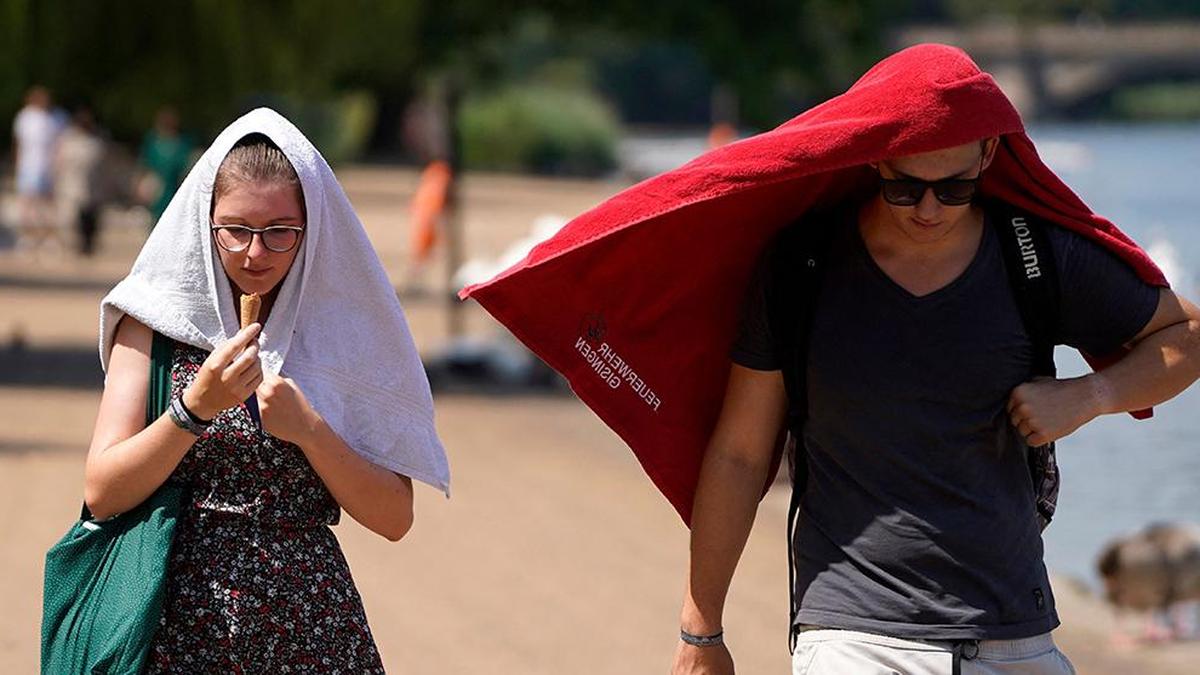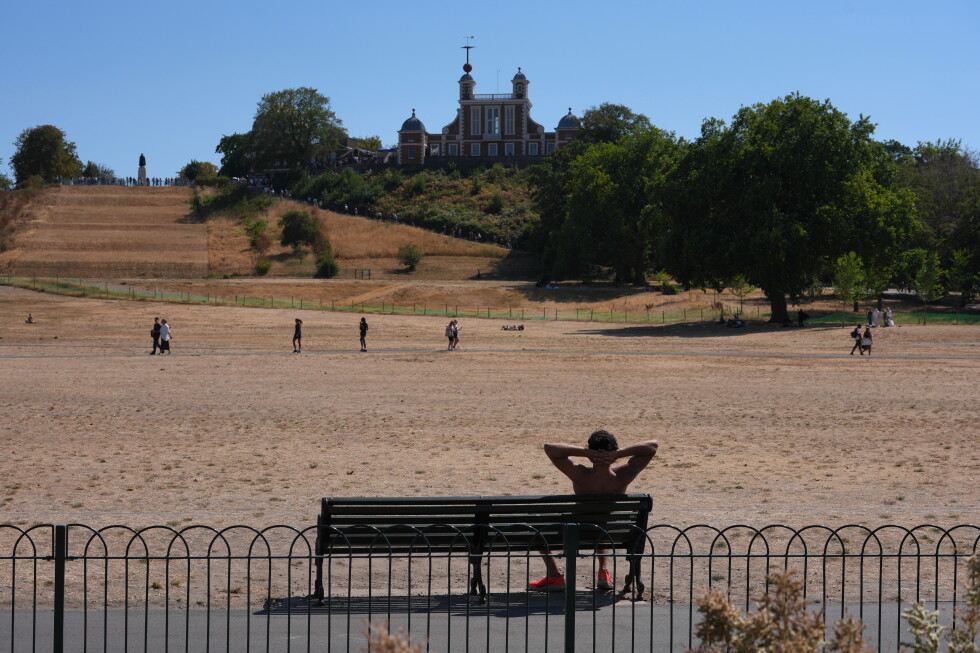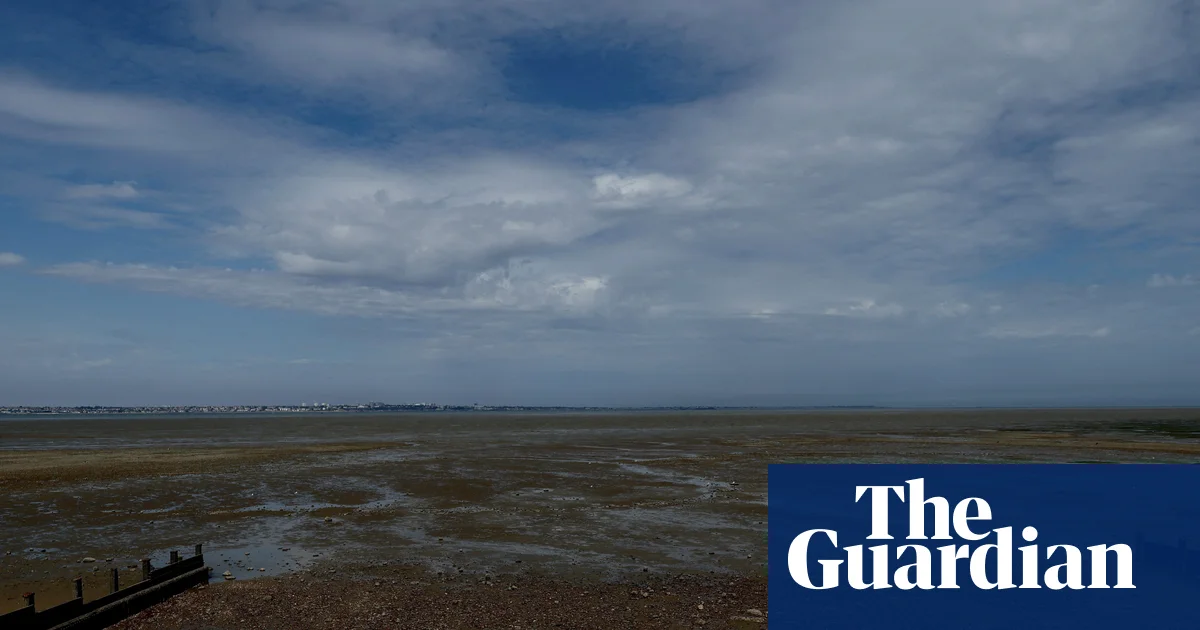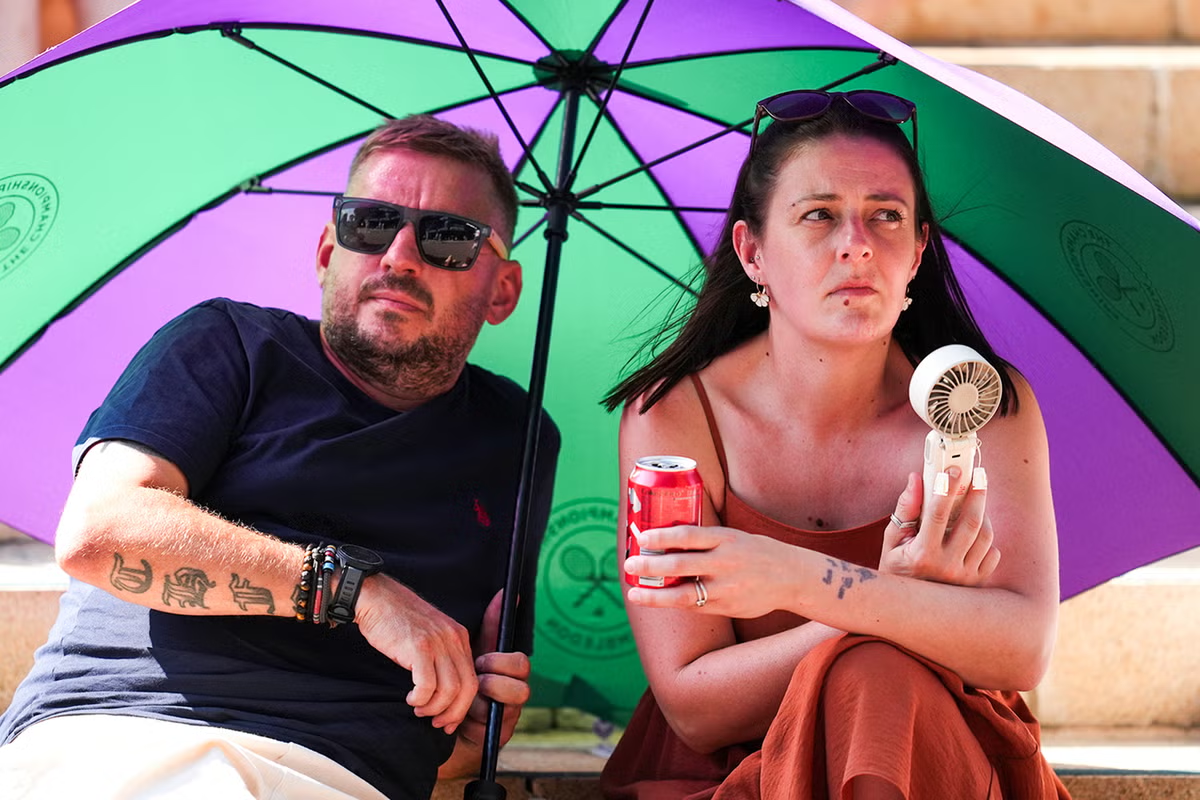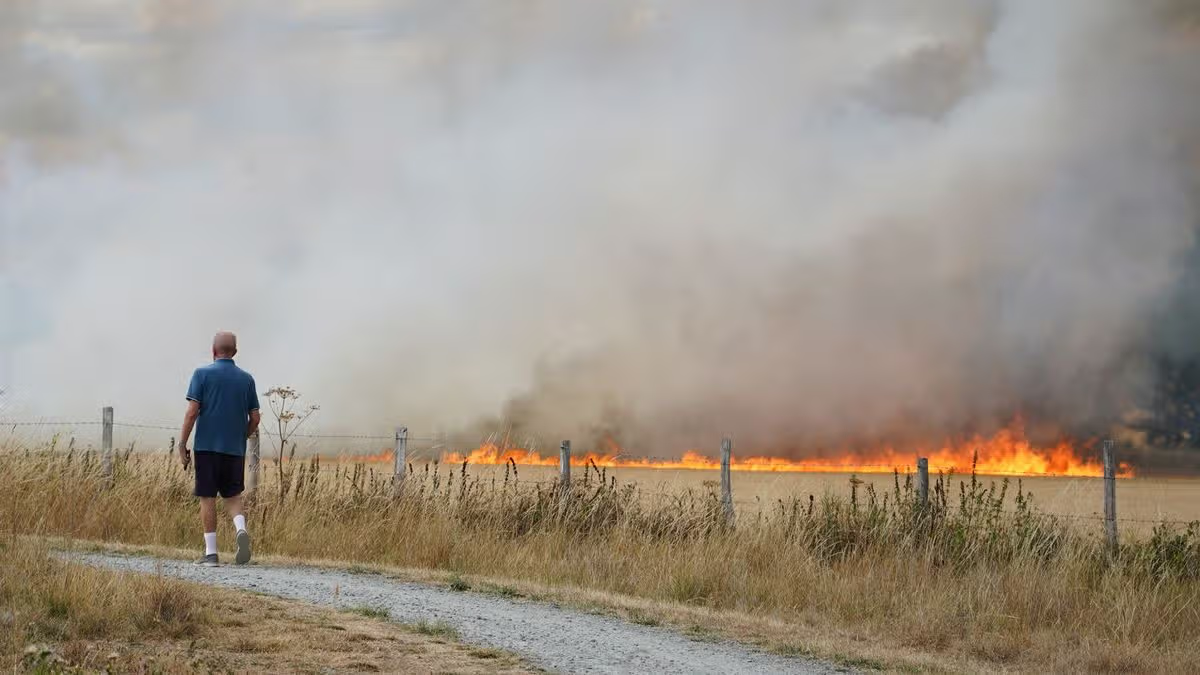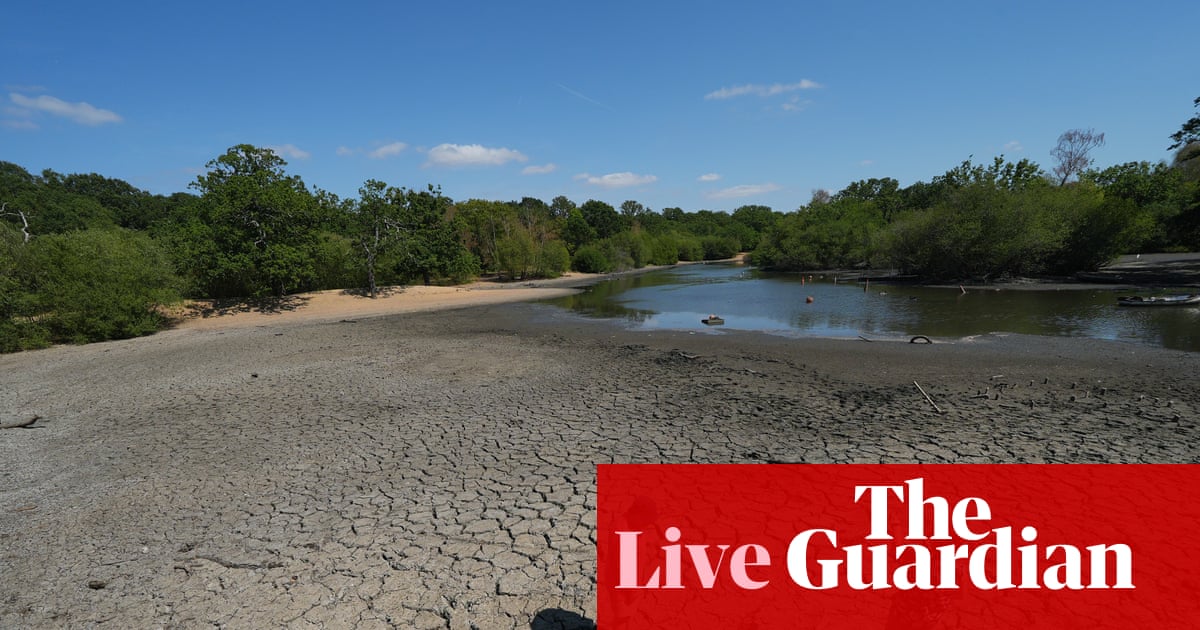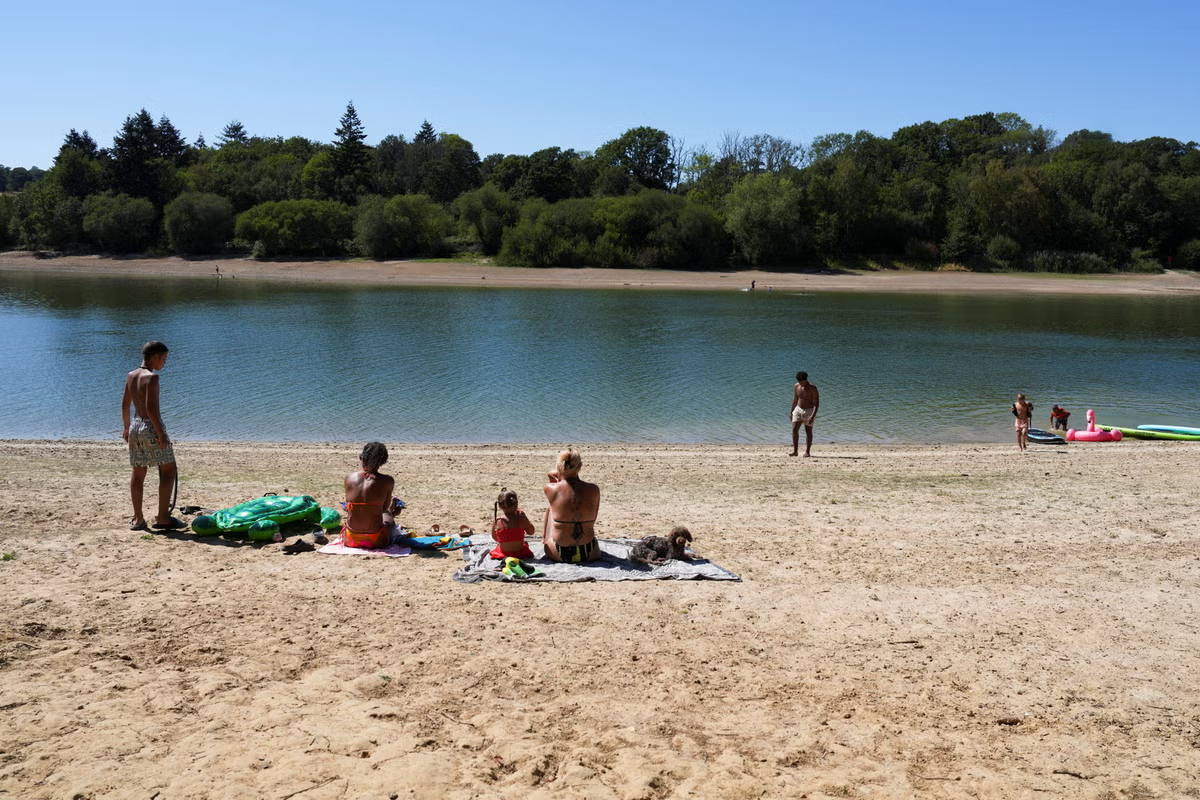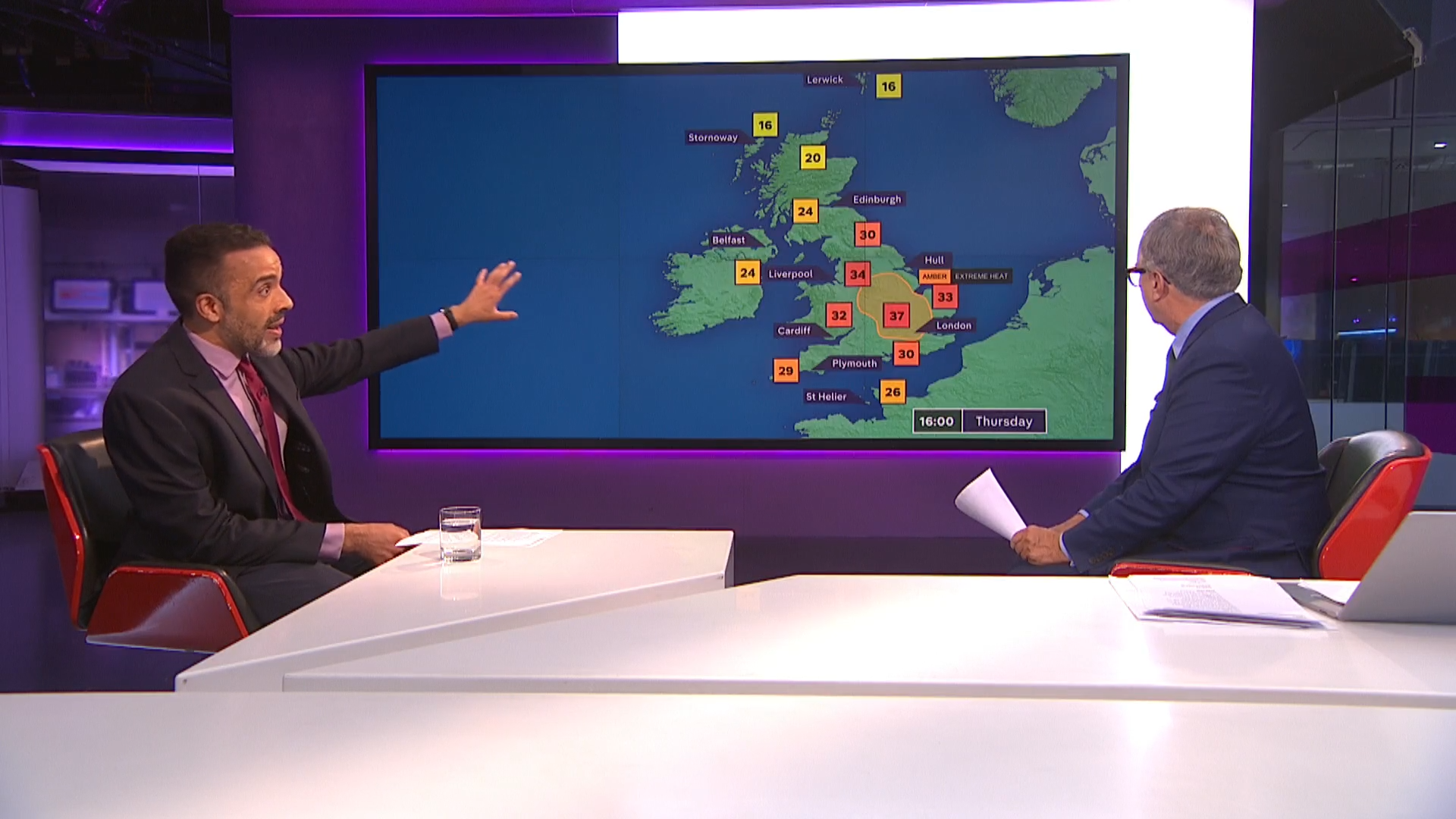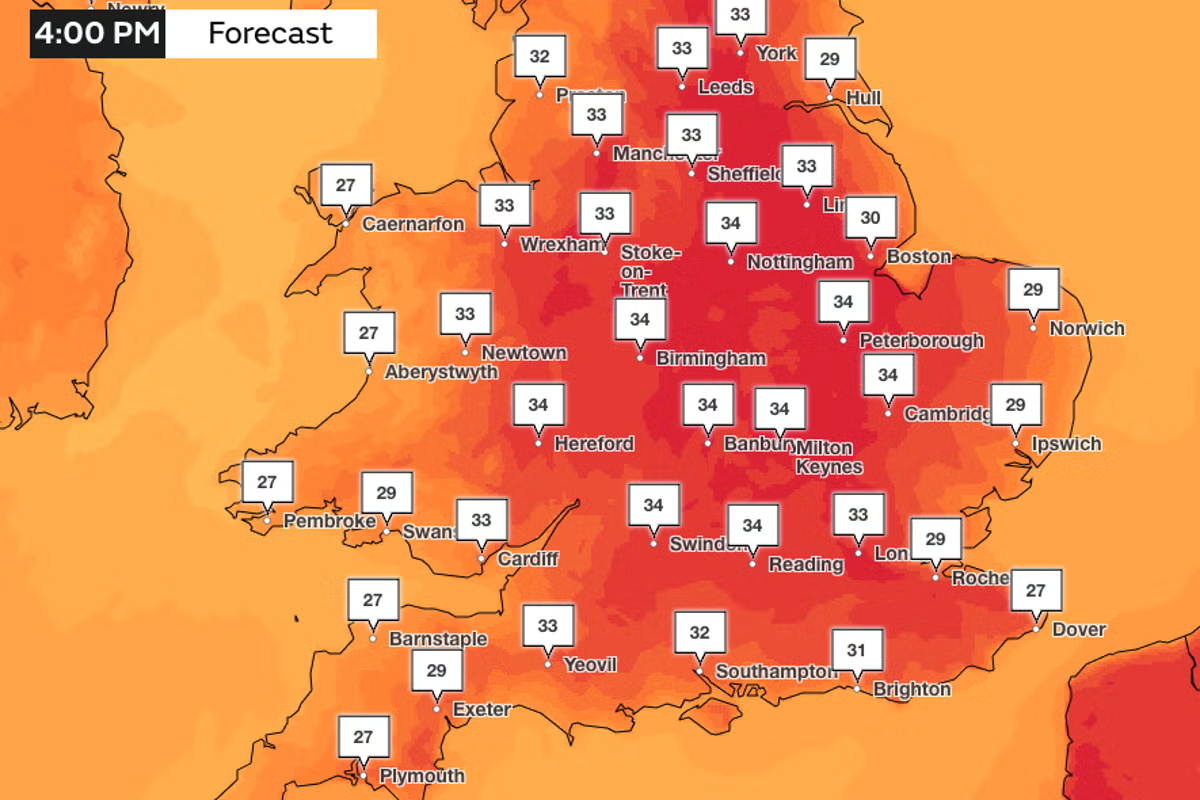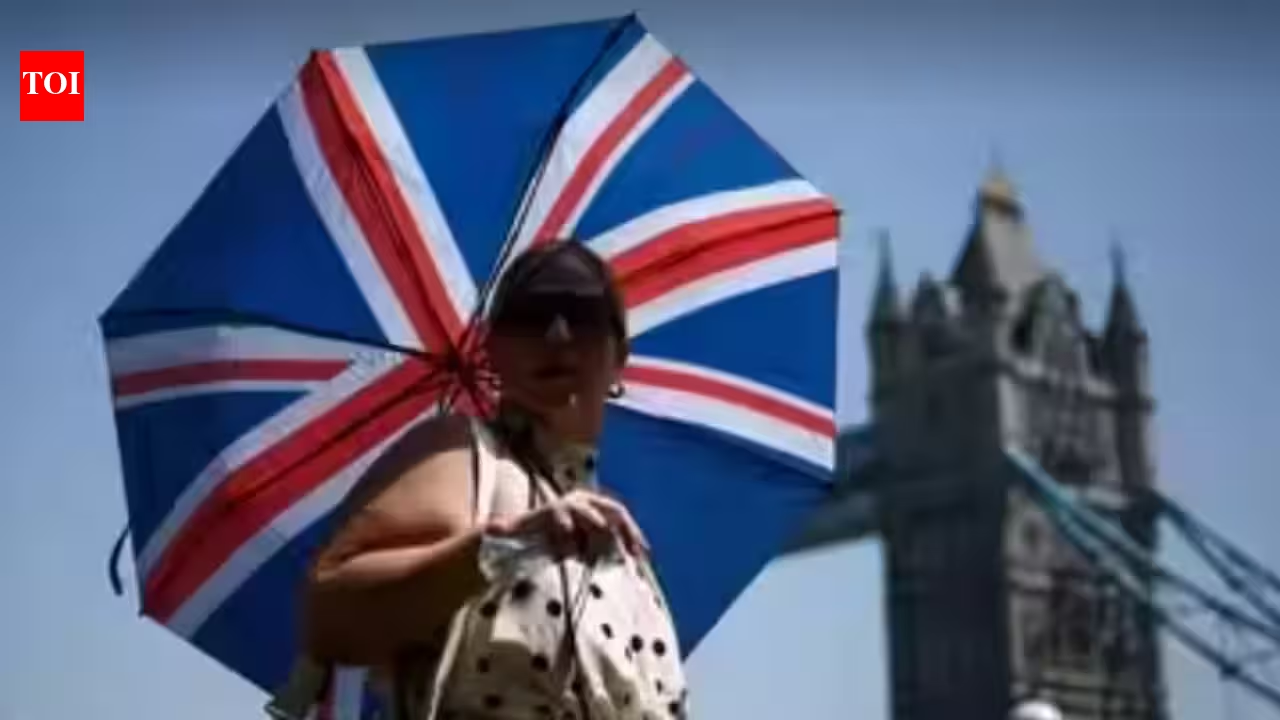
A woman using a Union Jack umbrella as a parasol to shade herself from the sun, with the Tower Brige visible in the background. (File Photo)Britain's fifth heatwave of the summer is expected to peak on Thursday. An amber extreme heat warning remains in force across large parts of England until midnight.Temperatures could reach 38 degrees celsius, potentially making Thursday the hottest day of 2026 so far. The UK August record stands at 38.5 degrees celsius, set in 2003.Even average temperatures for the rest of August could make 2026 the UK's hottest summer on record. The Met Office said this was possible, according to news agency Associated Press.Heat alerts extend into FridayThe Met Office warning covers areas stretching from London to Sheffield. Forecasters have warned of possible disruption as temperatures climb through Thursday.Rail services could be among those affected. Some passengers have been advised to travel only if their journeys are essential.Extreme heat can force trains to slow when tracks and overhead equipment are affected. Disruption could continue through the hottest part of Thursday.Health concerns are expected to last beyond the temperature peak. UK Health Security Agency alerts remain in force across England until 9pm Friday. Eight regions are under amber alerts, while the North East is under a yellow alert. UKHSA has advised people to stay hydrated and avoid prolonged exposure to the sun. People have also been urged to check on elderly and vulnerable relatives.Drought pressure could deepenThe heatwave is likely to put further strain on areas already facing severe water shortages. About 45 million people live in drought-hit parts of England.Another 27 million face restrictions on water use. Government figures show 71.3% of England is experiencing flash drought.The situation could worsen without significant rainfall. England and Wales provisionally recorded their driest July in 190 years.Southeast England received just 1% of its expected average rainfall during the month. Reservoir and river levels are also under growing pressure.Reservoir storage across England fell 16% in July, the biggest July decline in 30 years. Only 14% of rivers were reported at normal levels. One in five rivers was classified as exceptionally low.Tighter water curbs could followWater restrictions could tighten further in southern England if dry conditions persist. Southern Water has applied for a drought order in Hampshire and the Isle of Wight.If approved, the order could ban some non-essential business uses of water. These include washing vehicles, cleaning windows and filling non-domestic swimming pools.Southern Water has warned that supplies could come under greater pressure if rain remains scarce. Continued high demand would add to that risk.In a worst-case scenario, supplies to around 165,000 people could be compromised.Environment Secretary Angela Eagle has 28 days to decide on the application. Approval would allow the first such ban since 2006.Wildfire threat could rise furtherFire services are bracing for further outbreaks as temperatures rise and the ground remains extremely dry. England and Wales have already recorded 1,017 wildfires this year.That matches the record total for all of 2025. The figure adds to concerns as the latest heatwave reaches its peak.One of the most serious recent fires has been in the New Forest in Hampshire. More than 100 hectares of heathland have been affected. The blaze began after a vehicle caught fire on the A31 near Ringwood. More than 120 firefighters were deployed earlier in the operation.Crews have continued to tackle the fire and remaining hotspots. Further flare-ups remain a concern while the ground stays dry.The rising risk has also put disposable barbecues under scrutiny. Prime Minister Andy Burnham has urged retailers to stop selling them during the current conditions.The government will consider whether temporary restrictions should be introduced during future summers.Hospitals brace for more heatHospitals could face further pressure if high temperatures persist. Staff have already reported difficult conditions during repeated spells of extreme heat.The Royal College of Nursing said some nurses had collapsed or felt dizzy and sick in overheated wards. It has called for better ventilation, airconditioning and heat-appropriate uniforms.A critical-care nurse told the Guardian that temperatures on her ward had risen above 30 degrees celsius.Reuters, citing UK health authorities, reported an estimated 2,877 heat-related deaths in Britain this year.The pressure has also renewed concerns over preparations for hotter summers. Health Secretary Yvette Cooper has called for greater resilience across the NHS. She said recurring summer heat should receive the same level of preparation as winter pressures.Farms face tougher weeks aheadFarmers could face further pressure if significant rain fails to arrive. The National Farmers' Union said some had already completed unusually early harvests.Livestock producers have also started using feed normally kept for winter. Continued dry weather could increase pressure on farms in the coming weeks.Low river and reservoir levels could also make water availability a bigger concern. Any prolonged spell without rain would add to existing pressure on crops and livestock.Heat, drought risks to remain in focusThe immediate focus will be on whether temperatures reach their expected peak on Thursday. The amber extreme heat warning remains in force until midnight.Heat-health alerts will continue until 9pm Friday, keeping pressure on health and transport services. Authorities will also be watching for further wildfires as the ground remains dry.Beyond Friday, rainfall will be crucial in determining how quickly conditions ease. Continued dry weather could bring tighter water restrictions and greater pressure on farms.The government also faces decisions on Southern Water's drought application and possible future controls on disposable barbecues. With August only halfway through, the prospect of a record-hot summer remains in sight.
Britain on course for hottest summer on record as fifth heatwave hits
Britain's fifth heatwave of the summer is expected to peak on Thursday. An amber extreme heat warning remains in force across large parts of England until midnight.
907 words~4 min read