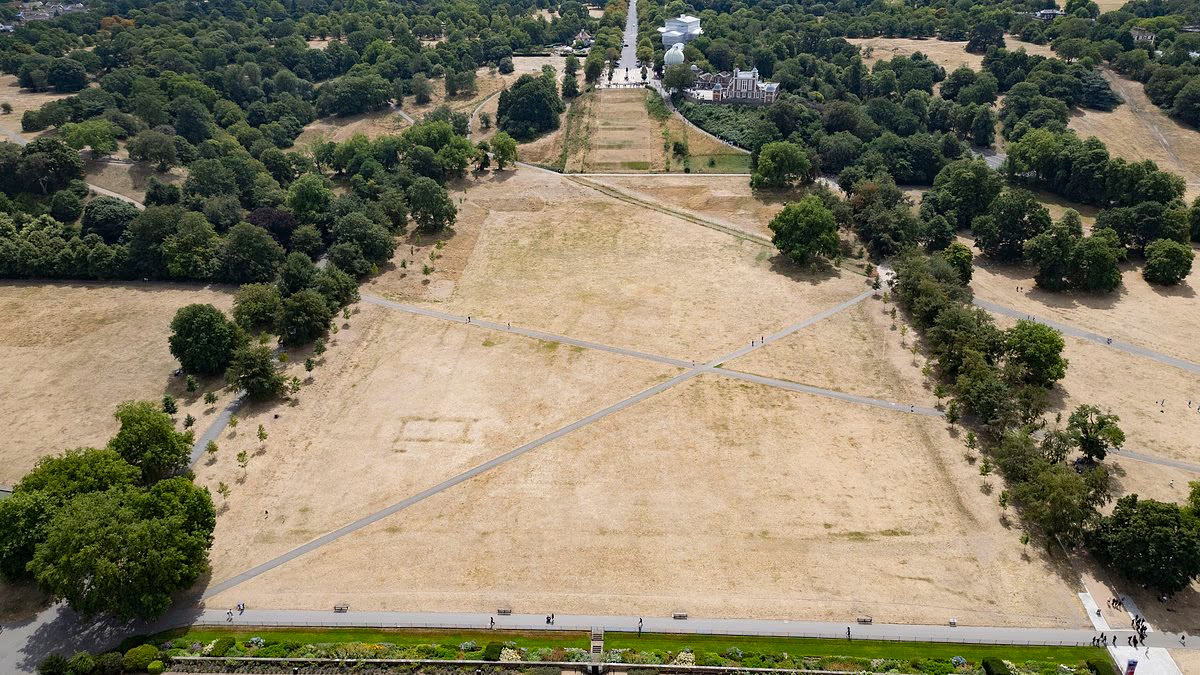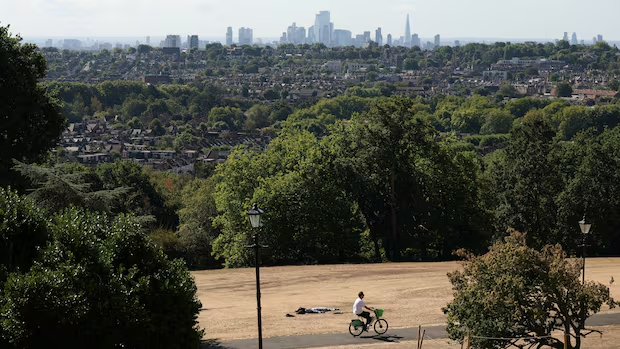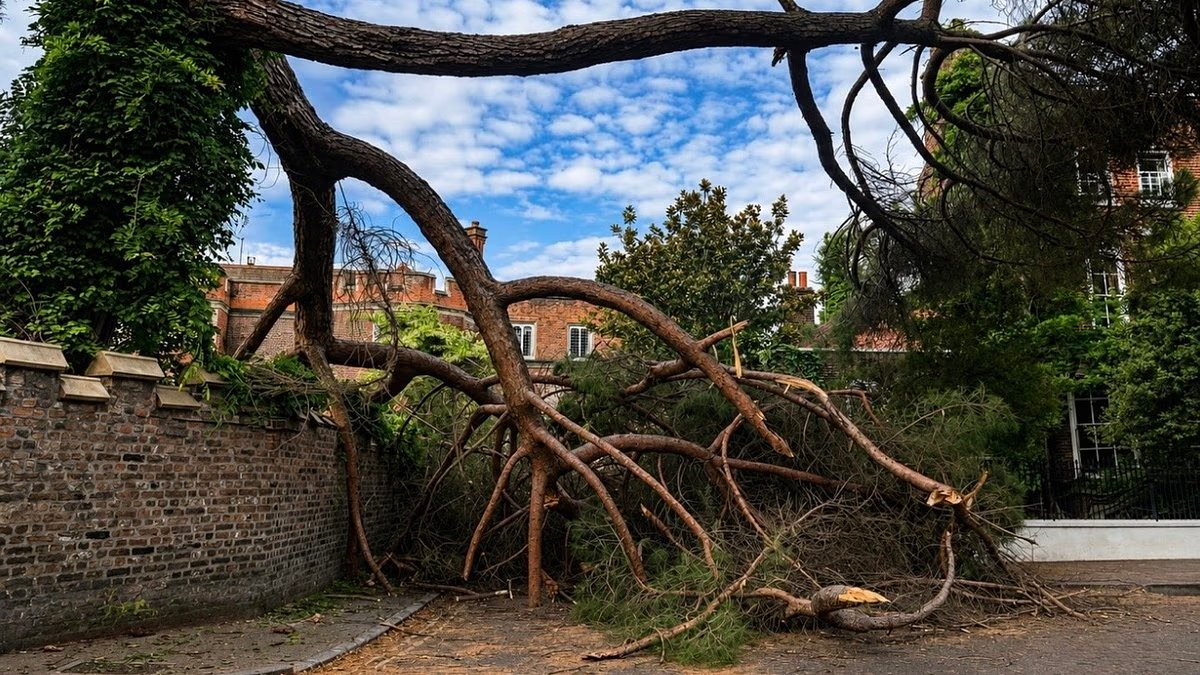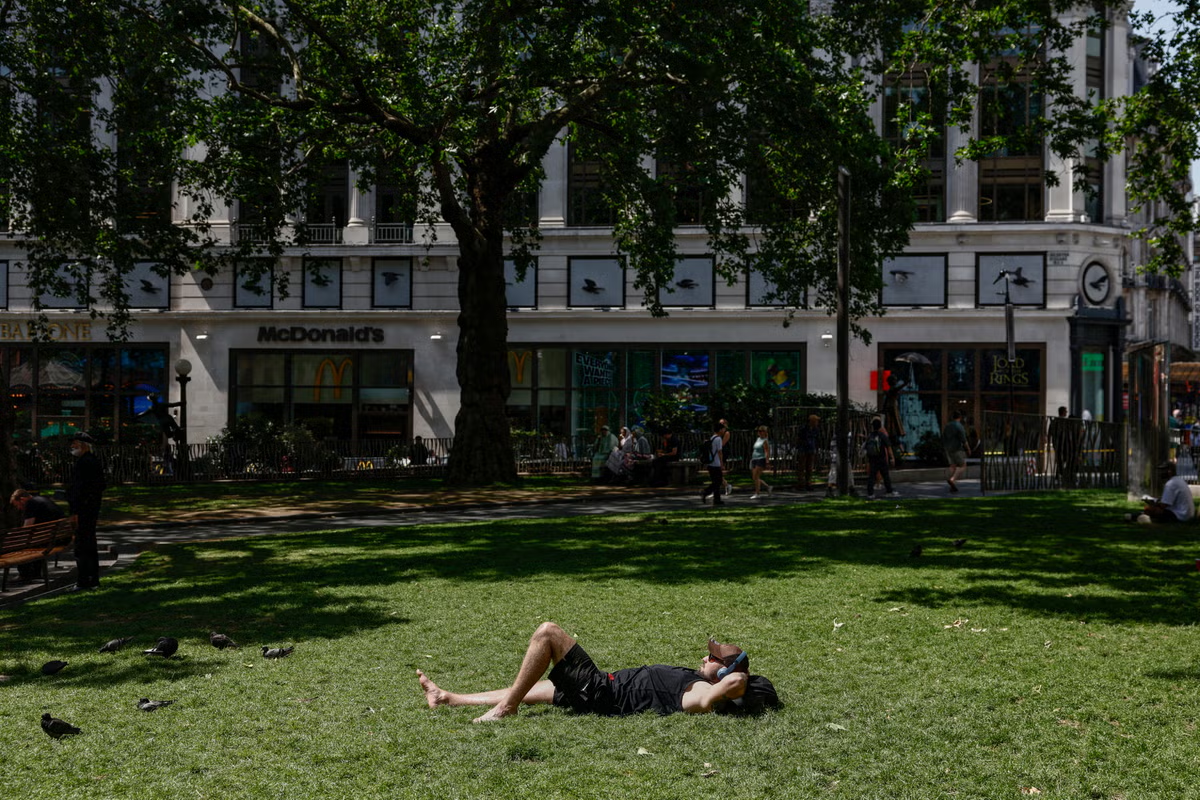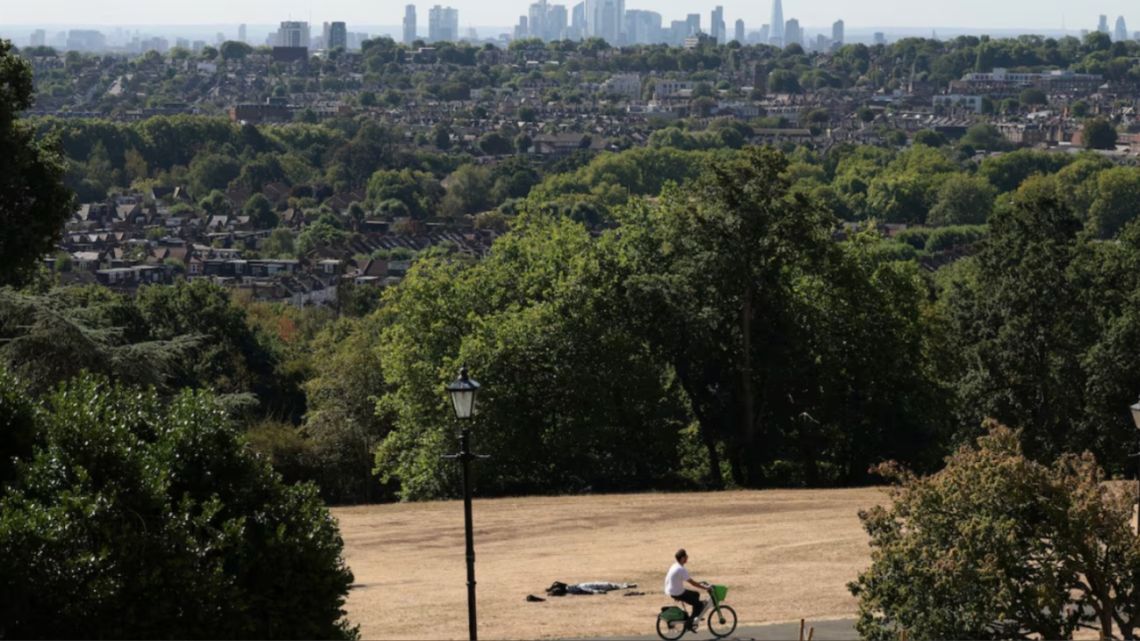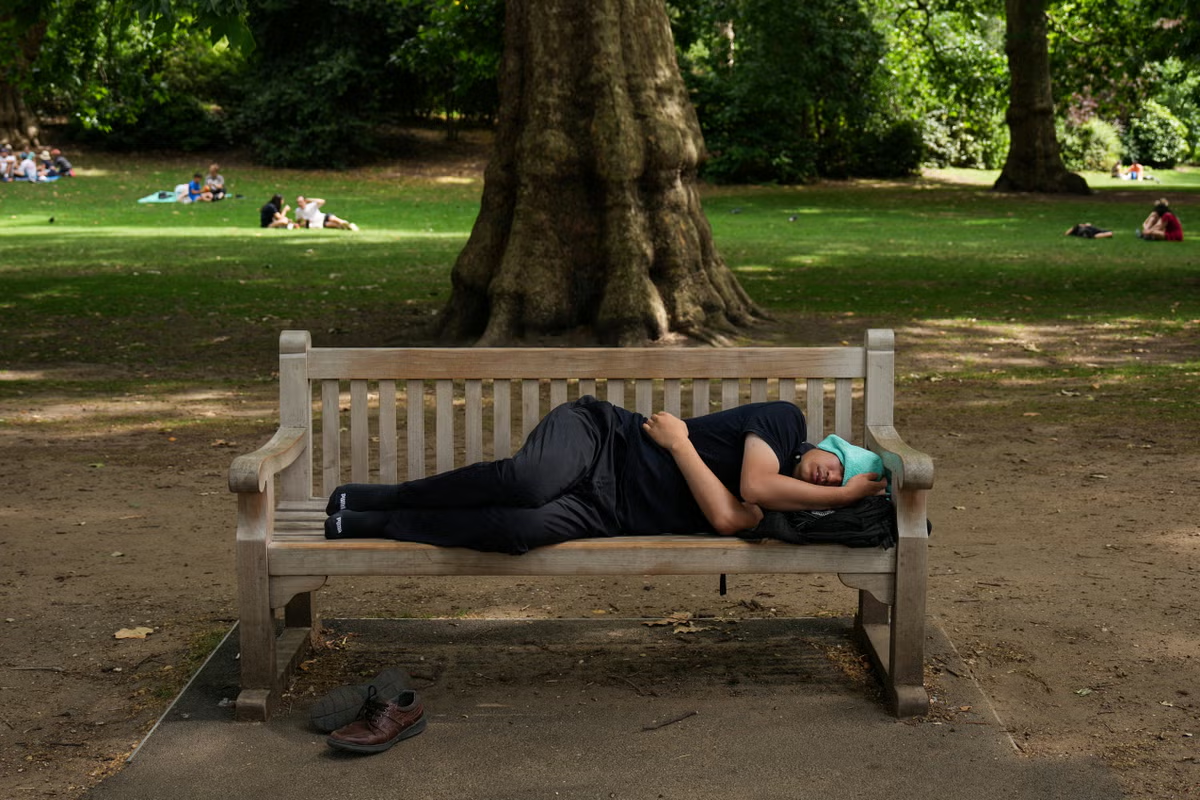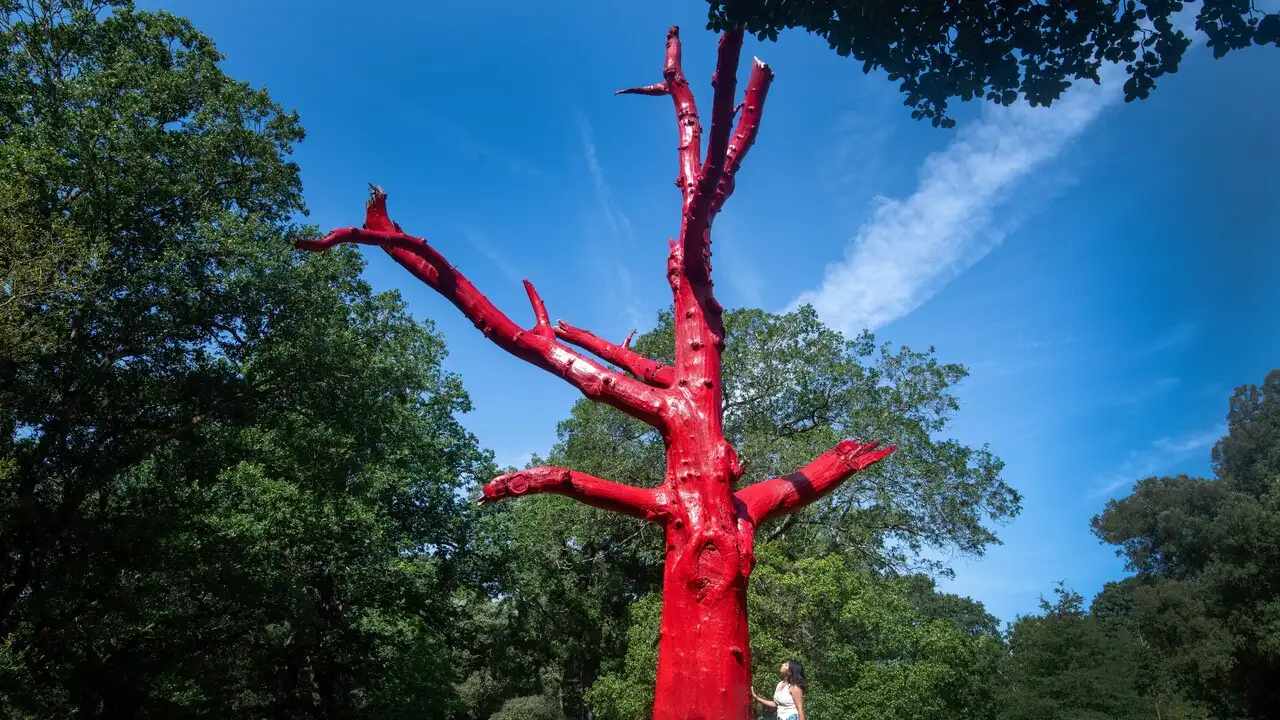
British summers now see large branches falling from trees due to climate change. This summer branch drop is a stress response to conserve vital moisture. The Royal Botanic Gardens, Kew, lost over 400 trees during the 2022 heatwave. Image Credits: Jeff Eden/RBG KewBritish summers are often associated with greenery and the shade of mature trees. These trees stood the test of time for many centuries, surviving through the changing seasons to create an atmosphere suitable for a relaxing walk in the park or a trip out into the countryside. Climate change is affecting the behaviour of these trees in unexpected ways. On warm, still days, large branches can snap and fall from apparently sturdy trees.This phenomenon, often called summer branch drop, may be a stress response that helps trees conserve water. When temperatures rise sharply, trees can experience severe physical stress. Under extreme heat, trees may reduce water flow to their longest, heaviest branches, which can then shed suddenly. This dramatic self-amputation helps the main trunk preserve its remaining moisture, but it leaves behind a visibly scarred canopy and a clear warning about the health of the environment.The horrifying extent of the problem could be explained by taking into consideration a statement made by the Royal Botanic Gardens, Kew. Visitors to the gardens in west London can see a red-painted oak tree that died during the 2022 heatwave. This shocking memorial was erected not only as a symbol of grief but also as an educational monument. According to the institution's data, the 2022 heatwave killed more than 400 Kew trees. Modelling predicts that up to 50% of the 11,000 existing trees may become highly sensitive to changing climate conditions by 2090.A silent crisisA major cause is a hot drought, when extreme heat combines with dry soil and stresses trees. Normally, trees cool their foliage through a process similar to sweating. Water absorbed by the roots is transported through the xylem, which is a system of microscopic channels, and then evaporates from the surface of leaves. The constant flow of water regulates the temperature inside the canopy of the tree, enabling it to photosynthesise even on sunny summer days.However, when the surrounding air becomes exceptionally hot and dry, the atmosphere begins to pull moisture from the leaves at a rate that the roots simply cannot match. This mismatch creates high negative pressure inside the tree's internal plumbing. If the tension becomes too great, micro-bubbles of air can block the water column, a potentially fatal event known as an embolism. To explore how different species manage these structural and ecological pressures, researchers can look to a dataset published in the scientific journal Data in Brief, titled OakEcol: A database of Oak-associated biodiversity within the UK. This database tracks native species, wood conditions and their relationships with local organisms, showing how the decline of a host such as oak can affect regional biodiversity.A tree that constantly loses branches and conserves water pays a high biological price that can last long after heatwaves subside. This strain can deplete the plant's carbohydrate stores and limit growth in the following years. This stress can recur as temperatures rise, weakening some native species, including English oak, silver birch and common beech. That can leave trees more vulnerable to insects and fungal attacks, making the effects of one summer of heatwaves last for several years.Hot droughts and dry soil stress trees, potentially causing fatal embolisms. Future urban planning must adapt by planting drought-resistant species for resilience. Image Credits: Jeff Eden/RBGShifting landscapesAs Britain warms, urban planning and park management will need to adapt. To continue using the same palette of plants as before in an attempt to keep cities green will not be possible if we want to preserve our cities' greenery. Mature trees help reduce the urban heat island effect, so preserving them can make cities more comfortable in summer.To preserve landscapes for future generations, experts are calling for succession planting. This approach introduces drought-resistant tree species from hotter regions alongside existing trees that are less likely to survive. Horticulturists are trying to maintain a more diverse tree cover by planting resilient species alongside existing trees so landscapes can withstand higher temperatures later this century.
Britain's trees are now shedding giant branches to survive heatwaves, and scientists warn that up to half of Kew's trees could be vulnerable by 2090
British summers are often associated with greenery and the shade of mature trees. These trees stood the test of time for many centuries, surviving through the changing seasons to create an atmosphere suitable for a relaxing walk in the park or a trip out into the countryside.
697 words~3 min read