A future of extreme heatwaves, drought and collapsing habitats awaits if we continue to ignore the danger signs
W
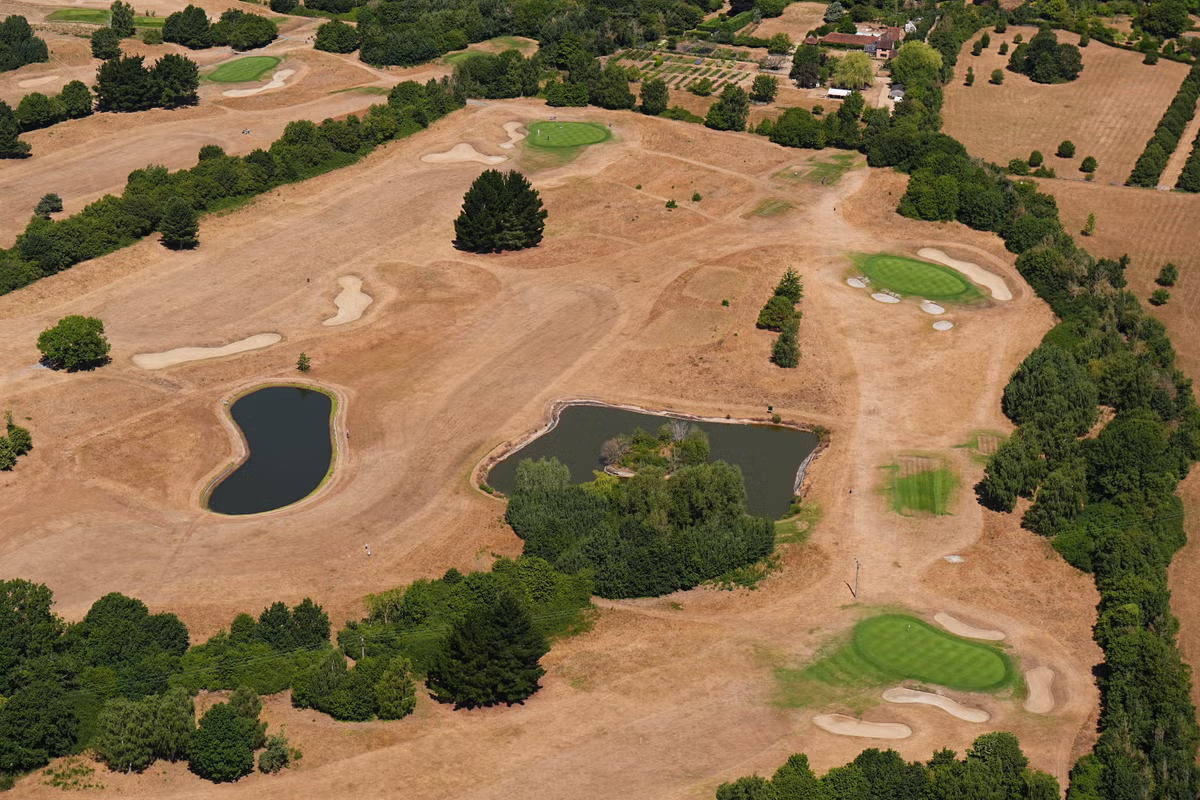
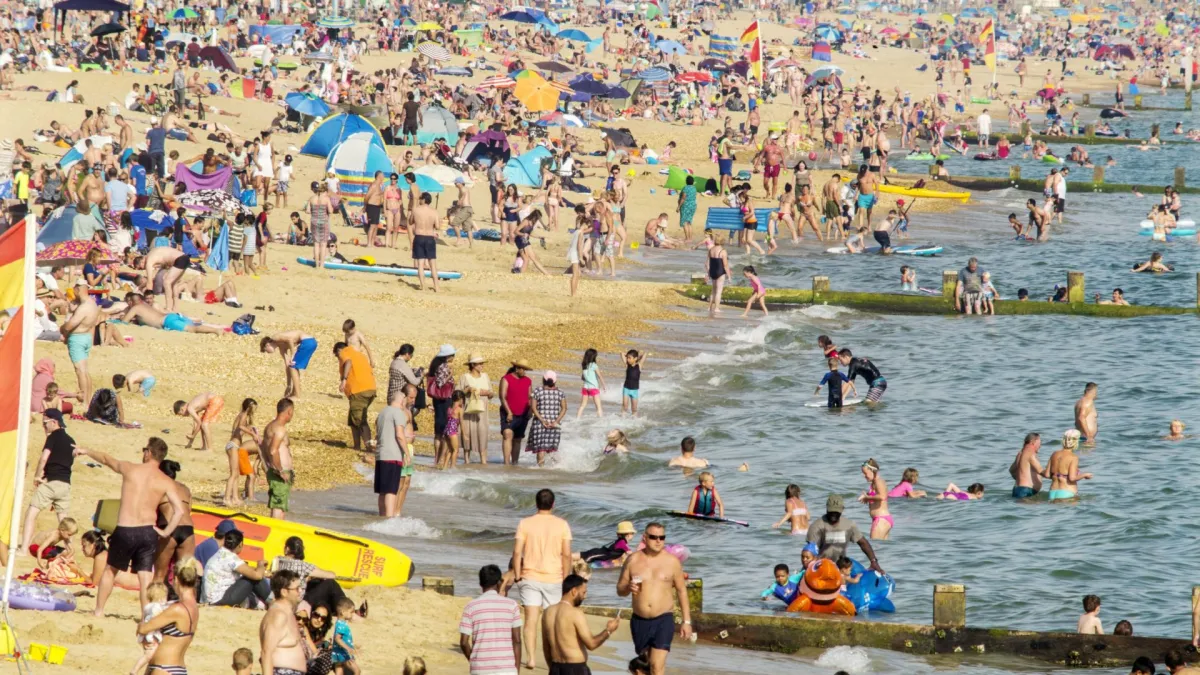
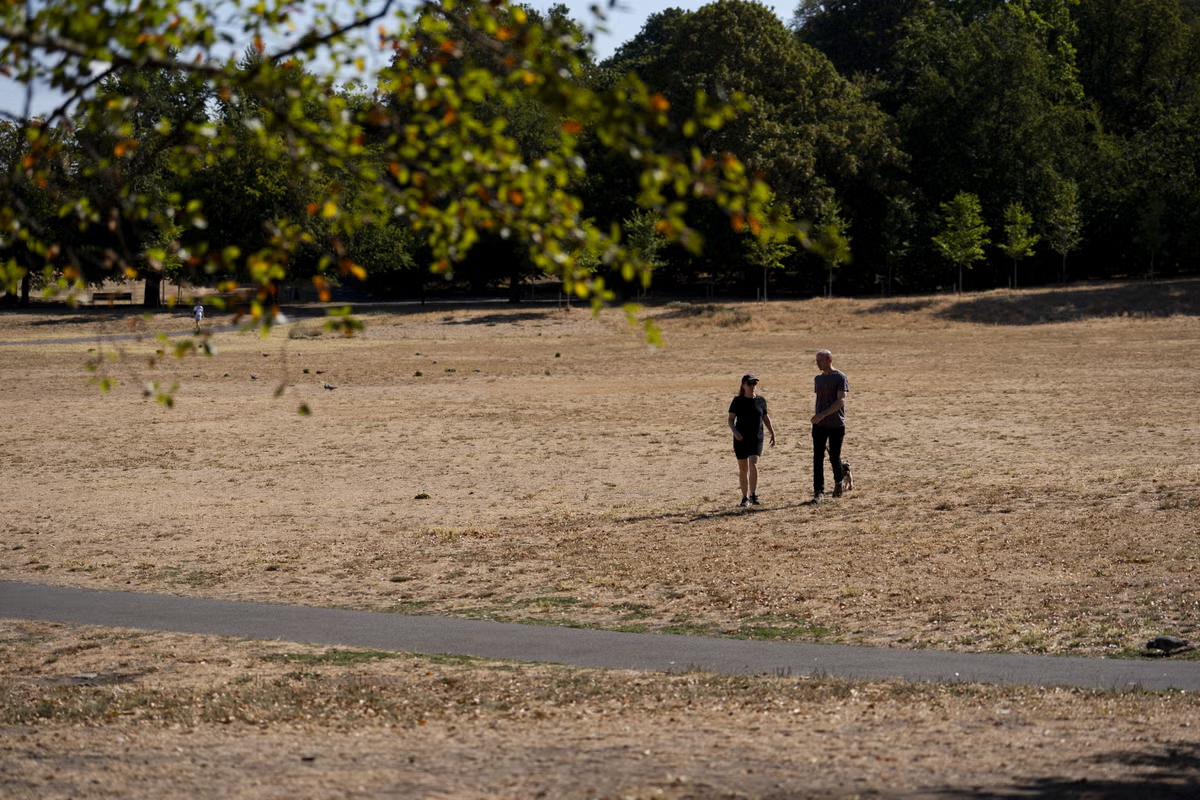
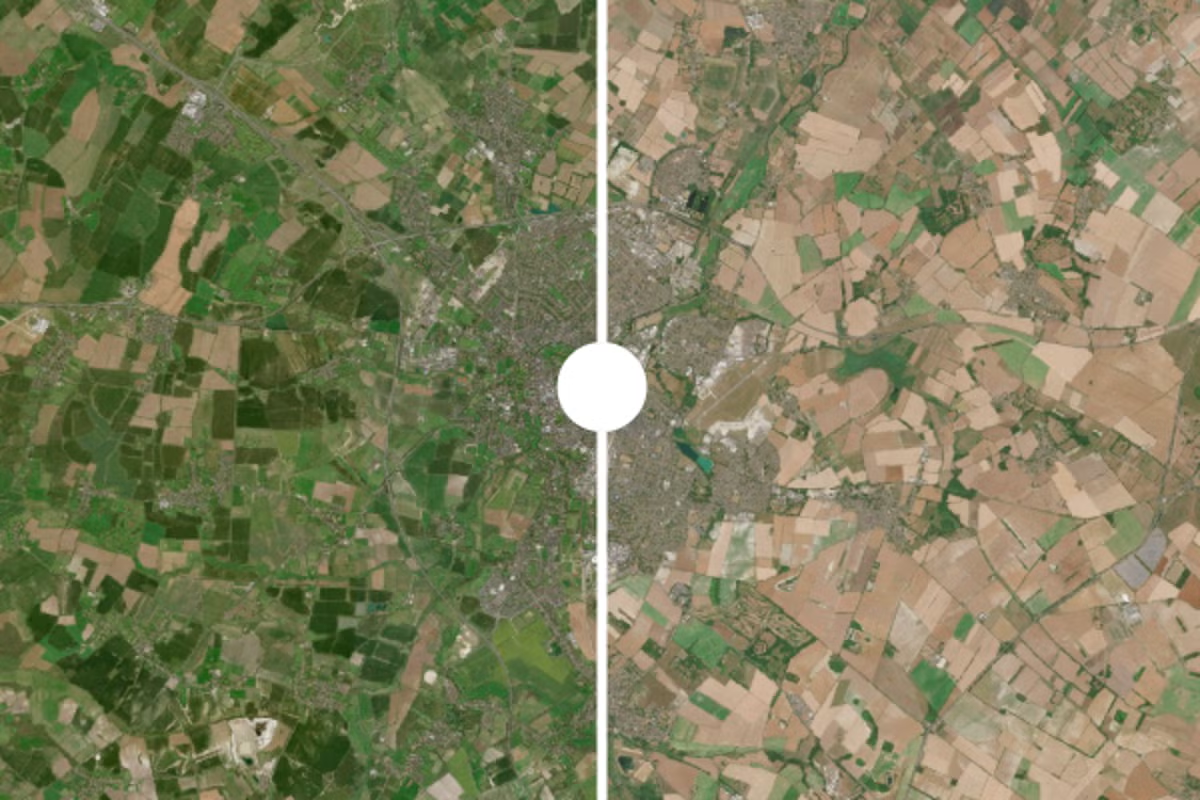
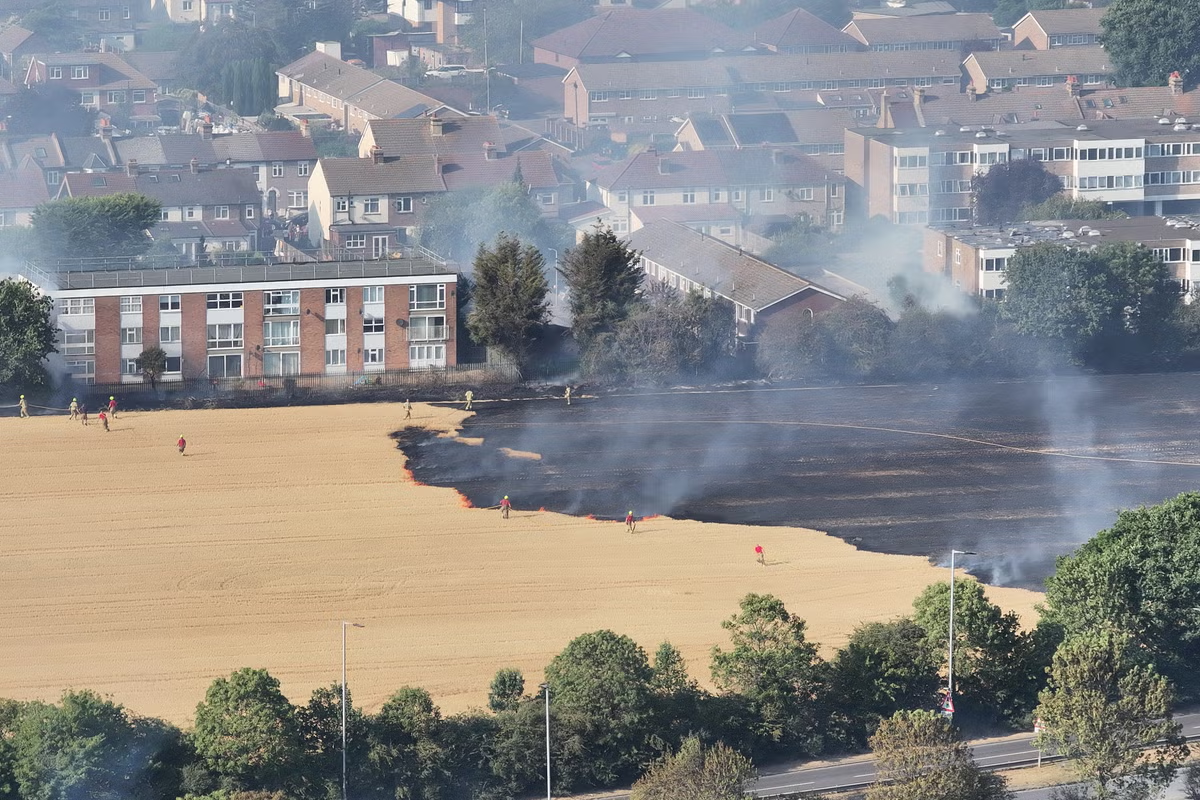
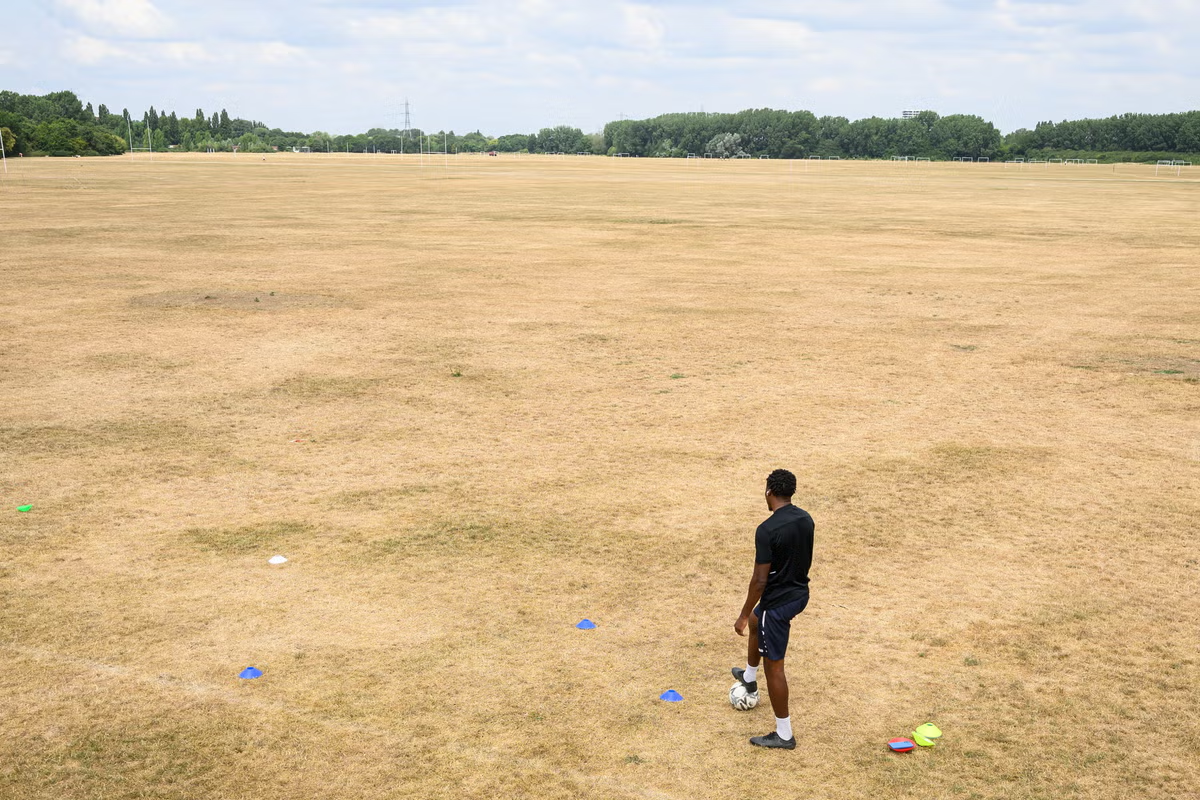
hat does British summertime mean to you? Blackberries? Picnics? Festivals? Ticks? This summer has been the hottest on record in the UK. As human-caused climate breakdown intensifies, the outdoor areas we spend time in are changing – and so, too, are our relationships with the land and the ecosystems we live in.
My home is in the south of England, near beautiful woodlands. Since moving there in 2016, the number of ticks my family has picked up in the woods has increased each year, but this summer has been astonishing. For a few weeks, our four-year-old came home from nursery with a tick almost every day. I’ve had many: some tiny nymphal ones that could be easily missed. We spend time in Scotland, too, and find ticks often when we go there now.
We’ve become adept at removing the blighters with a special tool, protecting ourselves and checking the kids – but there are dangers. Lyme disease is increasing, and the potentially deadly tick-borne encephalitis has also been found in the UK. In the US, there are 500,000 new cases of Lyme disease per year. Sometimes I wonder if it’s only a matter of time before the risks of spending time in these woods – beloved spaces, like a second home – could outweigh the benefits.