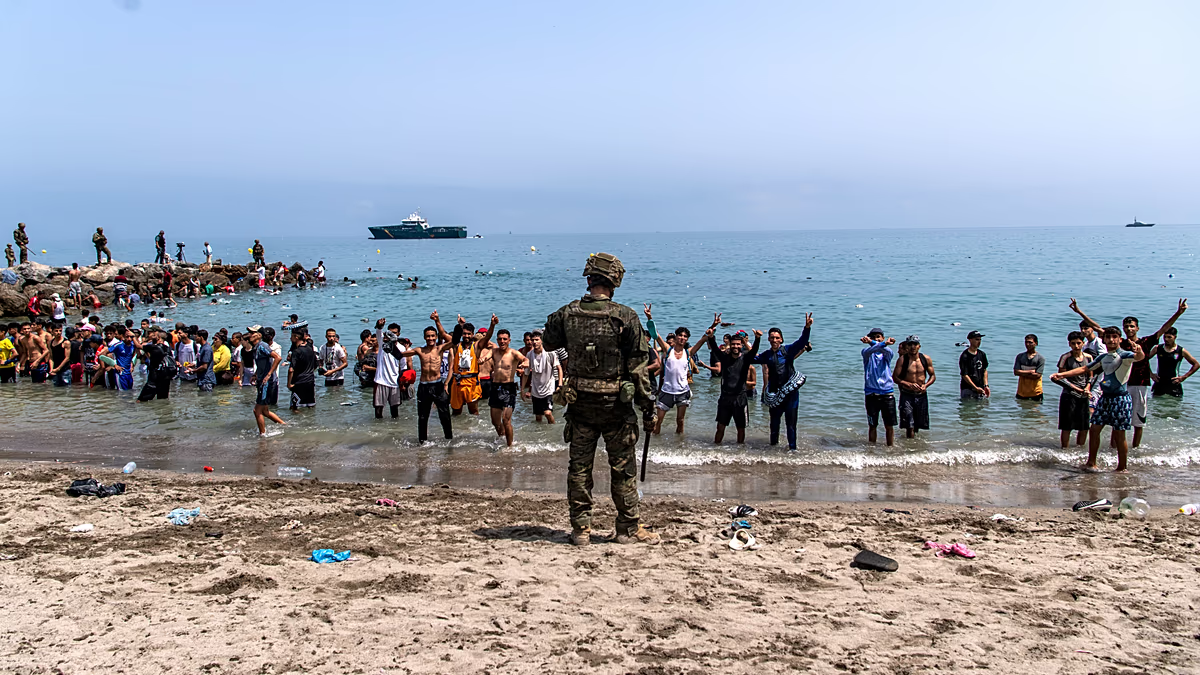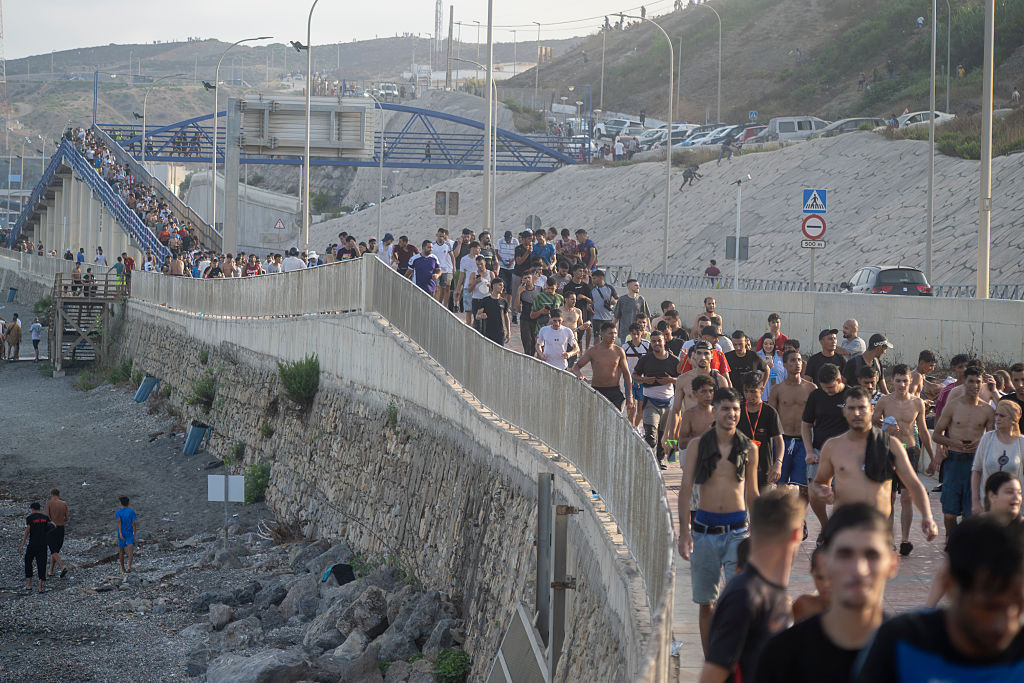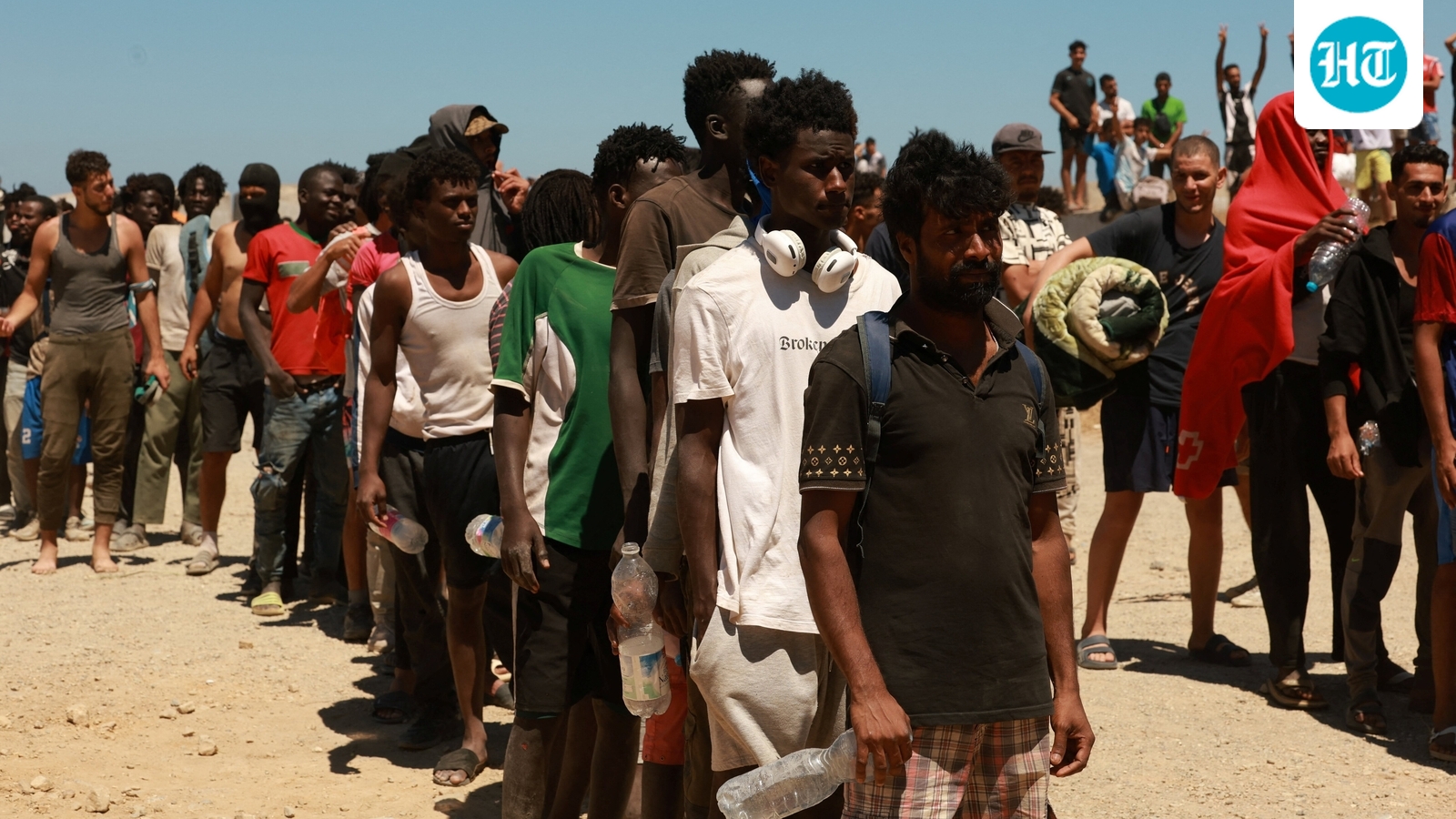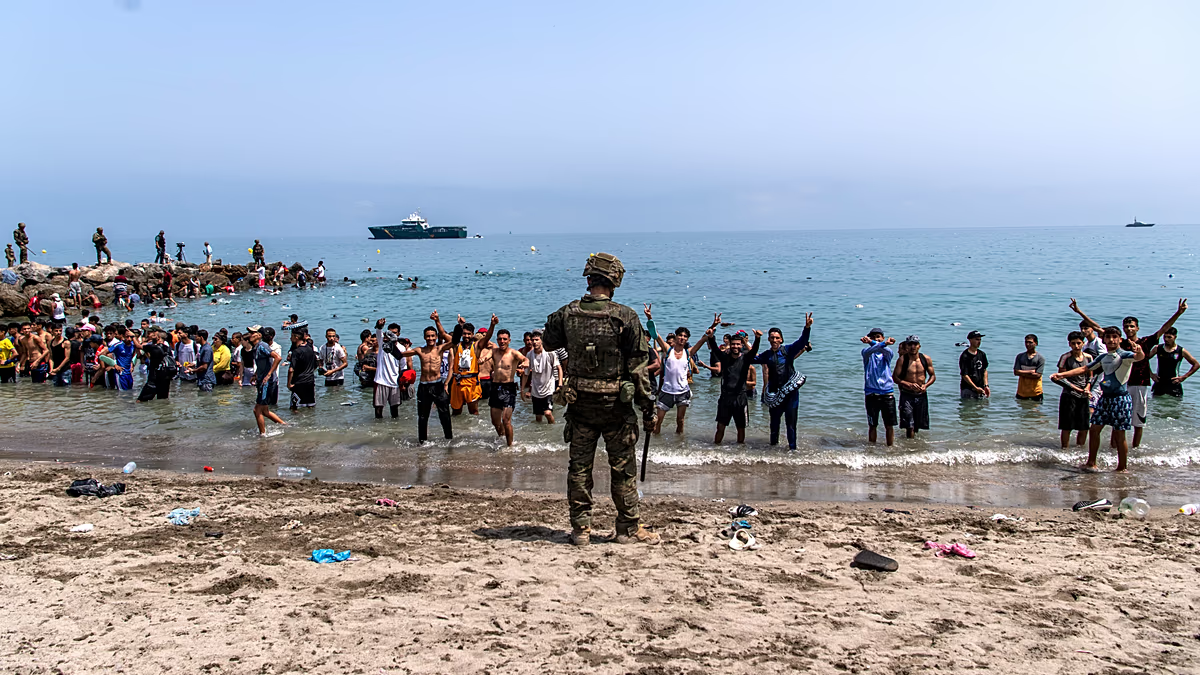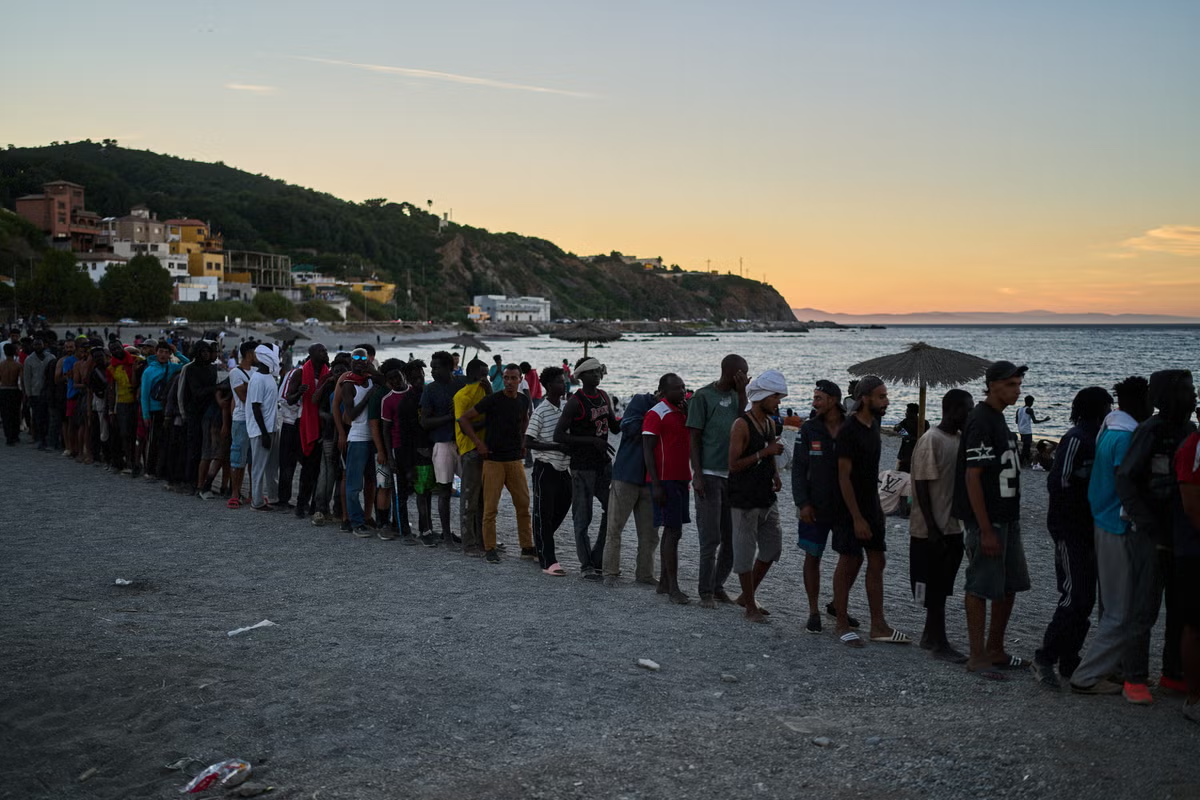
On July 30, thousands of people began arriving in Ceuta, a Spanish exclave in North Africa that borders Morocco. The number reached nearly 60,000 people within just 24 hours. Although exact figures were never known, the number reached nearly 72,000 people within a couple of days of the initial influx. The profile of this mass migration showed that most of those arriving were young men between the ages of 18 and 25, accompanied by a smaller number of minors and women. Even this profile suggested from the outset that these people were seeking better living conditions, primarily due to limited economic opportunities, inadequate employment prospects and persistent inequalities that were deepening social divisions in Morocco.
This massive influx was met with a harsh response from the Spanish government and authorities, who pushed back approximately 70,000 migrants to where they had come from. The remaining 2,000 were mostly minors who, under international law, were entitled to protection. Their cases were therefore required to be assessed individually by the Spanish authorities.
Legal confusion
Of course, several theories circulated in academic circles and the media regarding the reasons behind this sudden influx. One plausible trigger was the Spanish Supreme Court’s judgment of June 29, concerning the treatment of migrants intercepted at sea while attempting to reach Ceuta and Melilla. The ruling did not authorize Spain to open its borders or guarantee migrants the right to remain in the country. Rather, it emphasized the need for greater procedural safeguards before migrants intercepted at sea could be returned. Nevertheless, human traffickers and smugglers reportedly misrepresented the judgment on social media, creating the impression that anyone who managed to reach Ceuta by sea would automatically be permitted to stay in Spain.