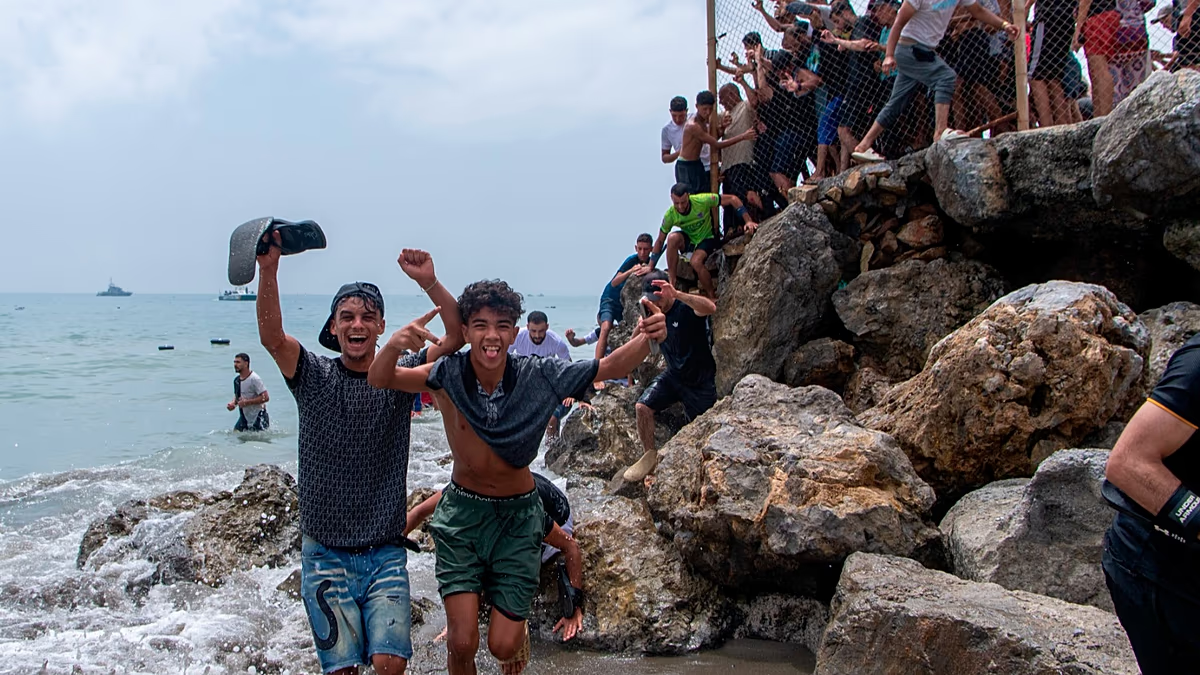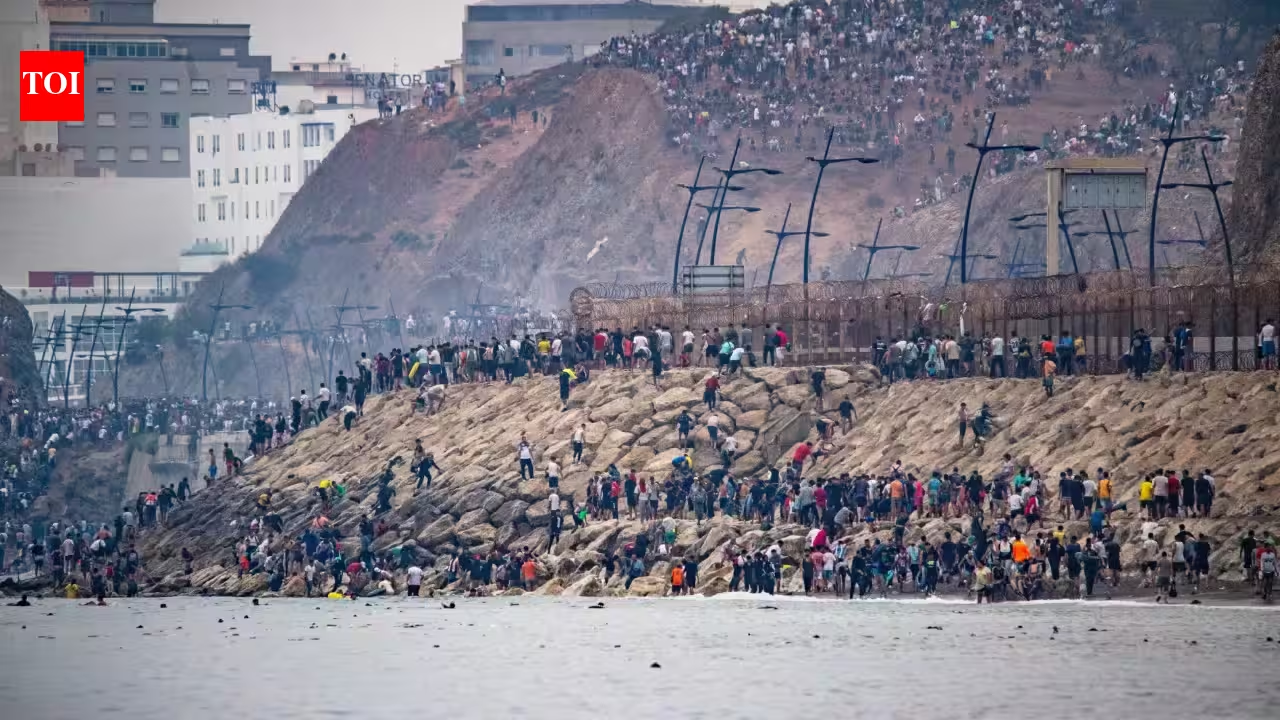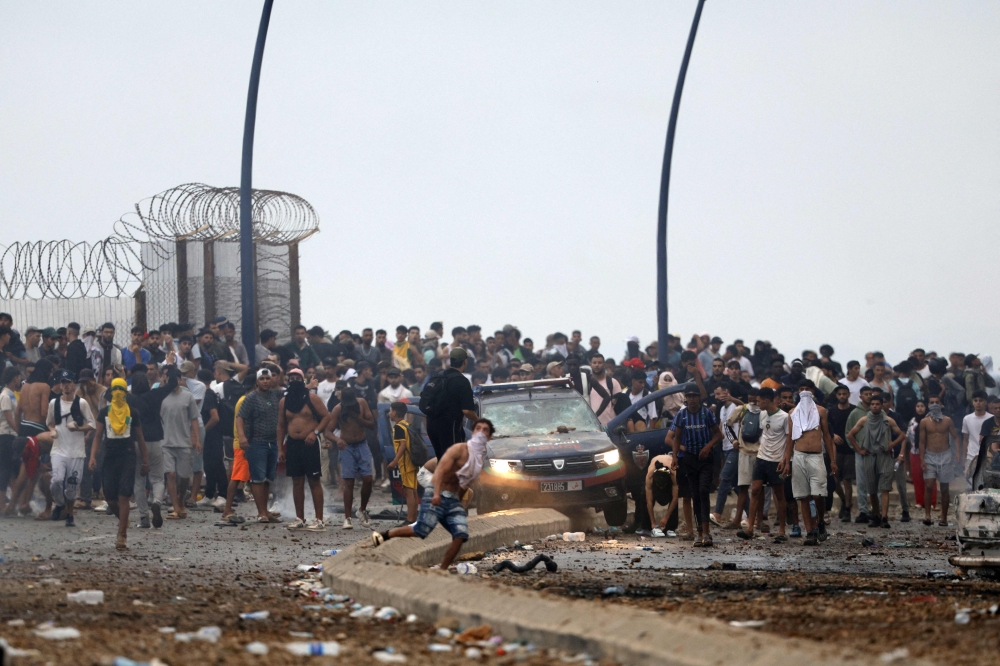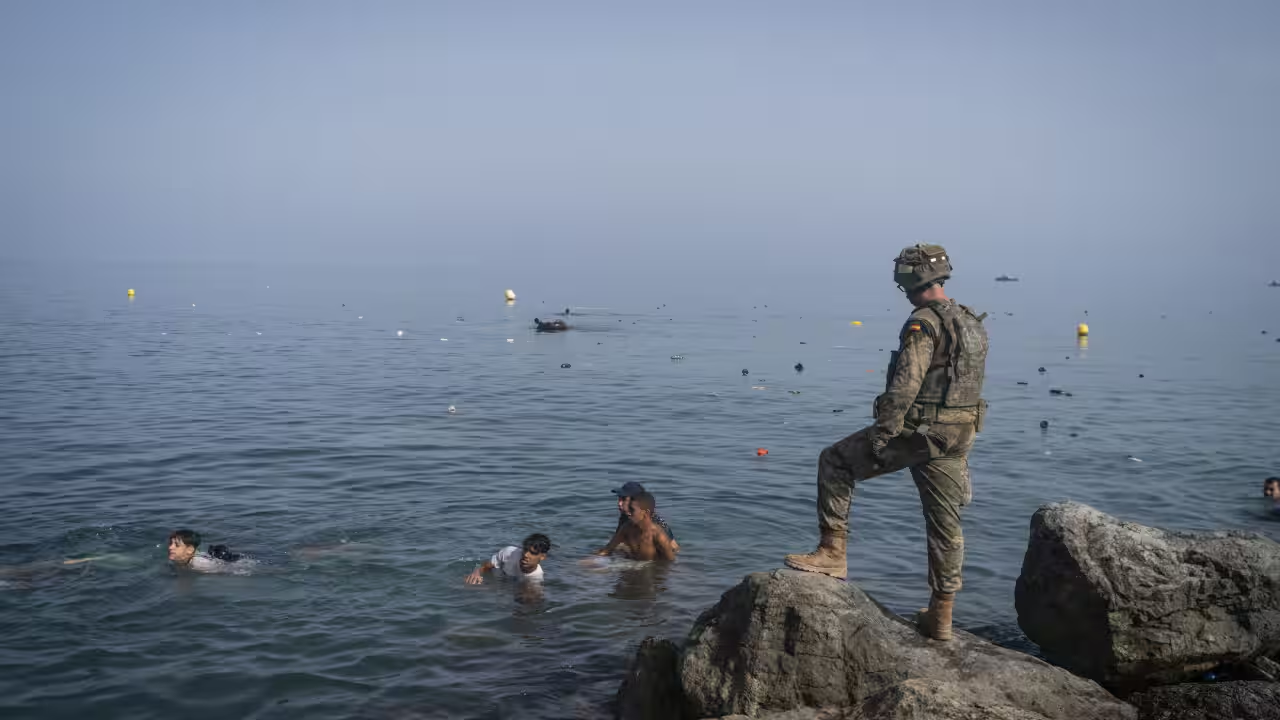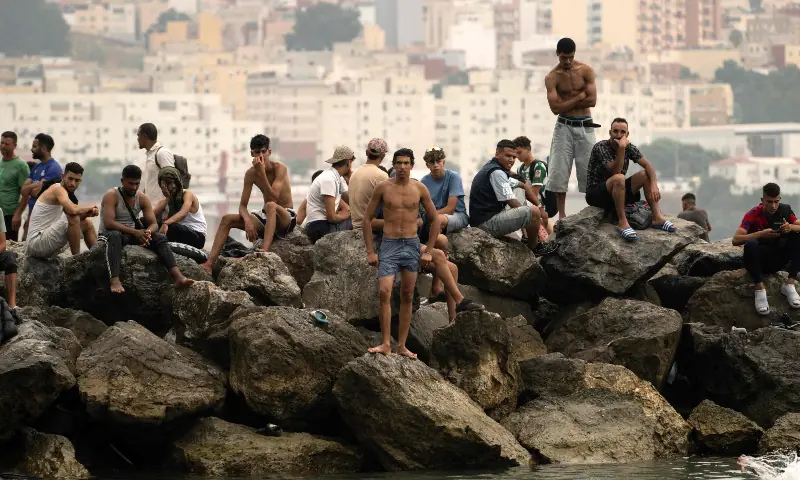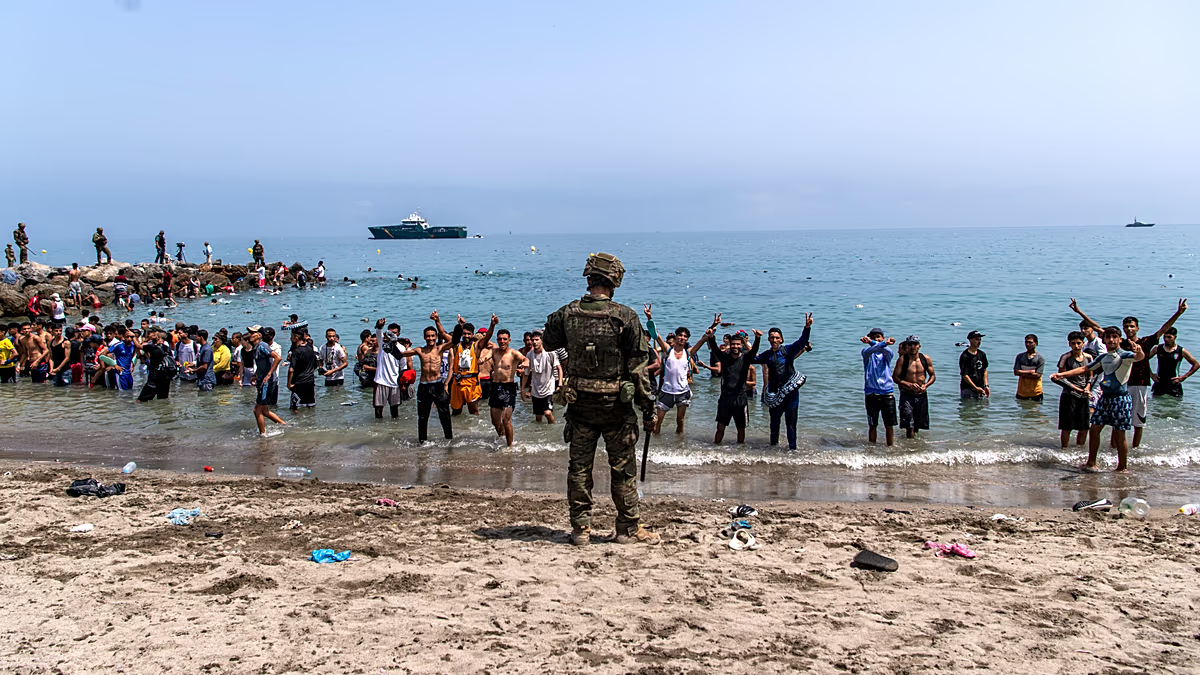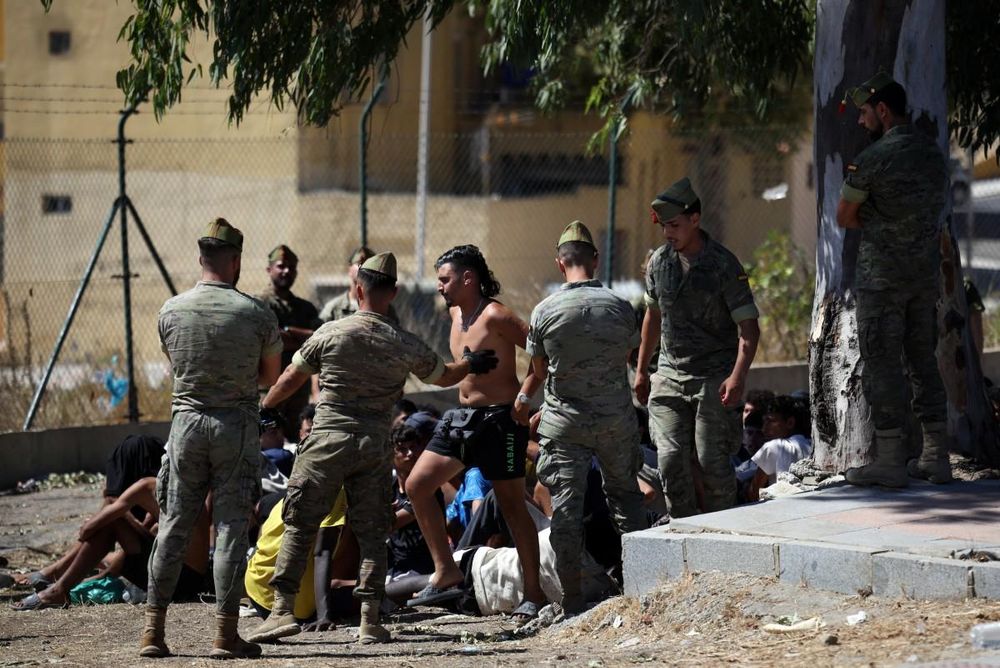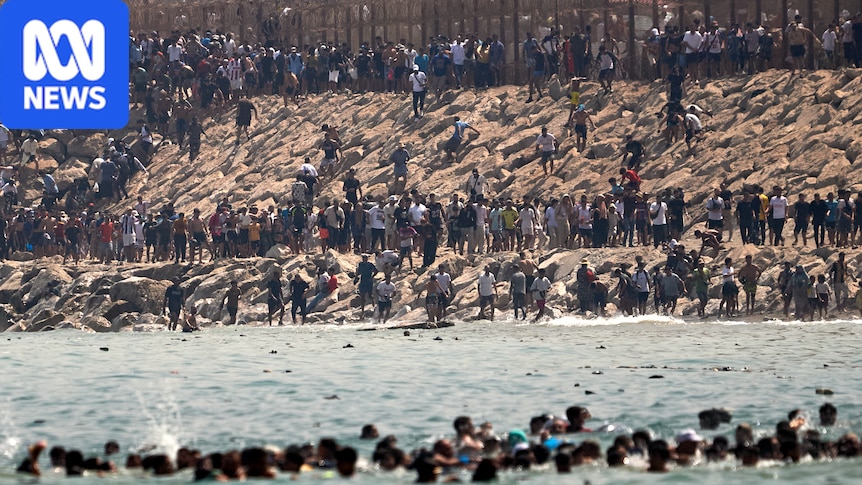
A city of roughly 80,000 people has received around 60,000 migrants in the space of just a few days, turning Spain’s tiny North African enclave of Ceuta into the centre of a migration emergency — and raising a larger question across Europe: why did so many people cross at once?There is no single confirmed explanation for the extraordinary surge.A recent Spanish Supreme Court ruling may have made sea crossings appear more attractive, while Madrid’s decision to regularise some undocumented migrants has also been cited as a possible factor. But analysts say neither fully explains the sheer scale and speed of the movement.Attention is therefore increasingly turning towards Morocco and the long-running dispute over Ceuta and Melilla, the two Spanish territories on the North African coast that Rabat claims as its own.Some experts believe Moroccan authorities may have deliberately relaxed border enforcement, potentially allowing migration to become a source of diplomatic pressure on Spain.The result is a crisis that extends well beyond immigration, touching on territorial sovereignty, relations between Madrid and Rabat and potentially the European Union itself.200 migrants a minute: How large was the Ceuta surge?The numbers alone illustrate the extraordinary nature of the crisis.Ceuta regional president Juan Jesús Vivas estimated that around 60,000 migrants had entered the territory over two or three days.Ceuta itself has only around 80,000 residents, meaning the number of arrivals was equivalent to roughly three-quarters of its regular population.At one stage, approximately 200 people were entering “every minute”, according to Ignacio Cembrero, a journalist specialising in migration in North Africa.Thousands have since turned around.Spain’s Interior Ministry said about 25,000 migrants had returned to Morocco by Friday, but the initial influx was still on a scale far beyond previous border emergencies.In May 2021, around 12,000 migrants entered Ceuta over several days, according to the Ceuta and Melilla Observatory.The latest surge was therefore several times larger.Why are questions being asked about Morocco?The behaviour of Moroccan security forces has become one of the most politically sensitive elements of the crisis.Cembrero said Moroccan forces appeared to have significantly reduced efforts to prevent migrants from reaching the border from Wednesday onwards.Getting to the breakwater separating Morocco and Ceuta normally requires passing areas monitored by Moroccan police and auxiliary security forces.The ability of tens of thousands of people to reach the crossing points has therefore prompted questions over whether authorities could have prevented the movement had they chosen to do so.Cembrero argued that the sheer number of people reaching the border suggested they had effectively been allowed through.Carlos Echeverria, head of the Ceuta and Melilla Observatory, described the mass movement as pressure being placed on a neighbouring country through the illegal crossing of an international border.The claims add a diplomatic dimension to what might otherwise have been viewed principally as a migration crisis.Did a Spanish Supreme Court ruling trigger the crossings?Another possible explanation lies in a Spanish Supreme Court decision handed down on July 8.The ruling addressed how migrants arriving by sea can be returned.It determined that the immediate return of a migrant without first opening an administrative expulsion procedure does not apply in the same way to people arriving by sea.That distinction may have spread among people considering the journey to Ceuta, creating the perception that reaching Spanish territory through the water offered a better chance of remaining there.Cembrero said the ruling had “without a doubt” played a role.But he also questioned whether a court judgment alone could explain mobilisation on such an enormous scale.The critical issue is not simply why migrants wanted to enter Spain — something that has been occurring for years — but why tens of thousands attempted it almost simultaneously.Did Spain’s migrant regularisation policy play a role?Spain’s broader immigration policy has also entered the debate.The Spanish government recently moved to regularise hundreds of thousands of migrants already living in the country without legal permission, allowing eligible people to obtain residency and work rights.That policy has led critics to argue that Spain is sending a message that could encourage further irregular migration.Another theory is that some migrants may believe the political window for entering Spain could narrow if the government changes and is replaced by an administration taking a tougher approach to immigration.Analysts, however, say there is insufficient evidence to establish either explanation as the principal cause of the Ceuta surge.The timing may instead reflect several factors converging at once — including economic pressures, perceptions of Spanish immigration policy, the Supreme Court ruling and the enforcement situation on the Moroccan side.Is Morocco using migration as leverage against Spain?Behind the immediate crisis lies a dispute considerably older than the latest migration wave.Morocco has claimed sovereignty over Ceuta and Melilla since gaining independence in 1956.Spain rejects those claims and has repeatedly refused to negotiate away its sovereignty over the territories.The two enclaves are politically unusual: they are Spanish and therefore part of the European Union, yet geographically sit on the North African coast surrounded by Morocco and the Mediterranean.That makes migration one of the most powerful pressure points in relations between Madrid and Rabat.Echeverria argued that recurring migration emergencies and periods in which Moroccan border enforcement appears weaker should be viewed within that broader diplomatic struggle.Cembrero similarly suggested Moroccan authorities may have identified an opportunity to increase pressure on Spain over the long-term status of Ceuta and Melilla.If that interpretation is correct, the sudden arrival of migrants is not simply a border-control failure. It becomes part of a much larger geopolitical dispute.Why the Ceuta crisis could become an EU problemThat possibility also explains why some experts believe Spain should push the issue beyond bilateral negotiations with Morocco.Ceuta may be geographically located in Africa, but politically it is Spanish territory. Pressure on its border therefore has implications for an EU member state.Echeverria argued that Madrid should seek a coordinated European response and potential retaliatory measures if Morocco is found to be deliberately using migration as leverage.Such a move could transform the dispute from a Spain-Morocco confrontation into a broader issue between Rabat and the European Union.For now, however, the precise trigger behind the unprecedented movement remains disputed.The Supreme Court ruling provides one explanation. Spain’s immigration policies provide another. Economic desperation among migrants is a longstanding factor.But the speed with which around 60,000 people were able to reach Ceuta has ensured that another question will remain central to the crisis: whether Morocco could have stopped the crossings — and, if so, why it did not.
Morocco, 60,000 migrants and Spain’s Ceuta crisis: All we know so far
Tens of thousands of migrants arrived in Ceuta over a few days. Moroccan authorities reportedly relaxed border enforcement, allowing this surge. A Spanish court ruling and immigration policies may have also influenced the movement. This crisis touches on territorial sovereignty and Spain-Morocco relations. The situation could escalate into a broader European Union issue.
1,064 words~5 min read