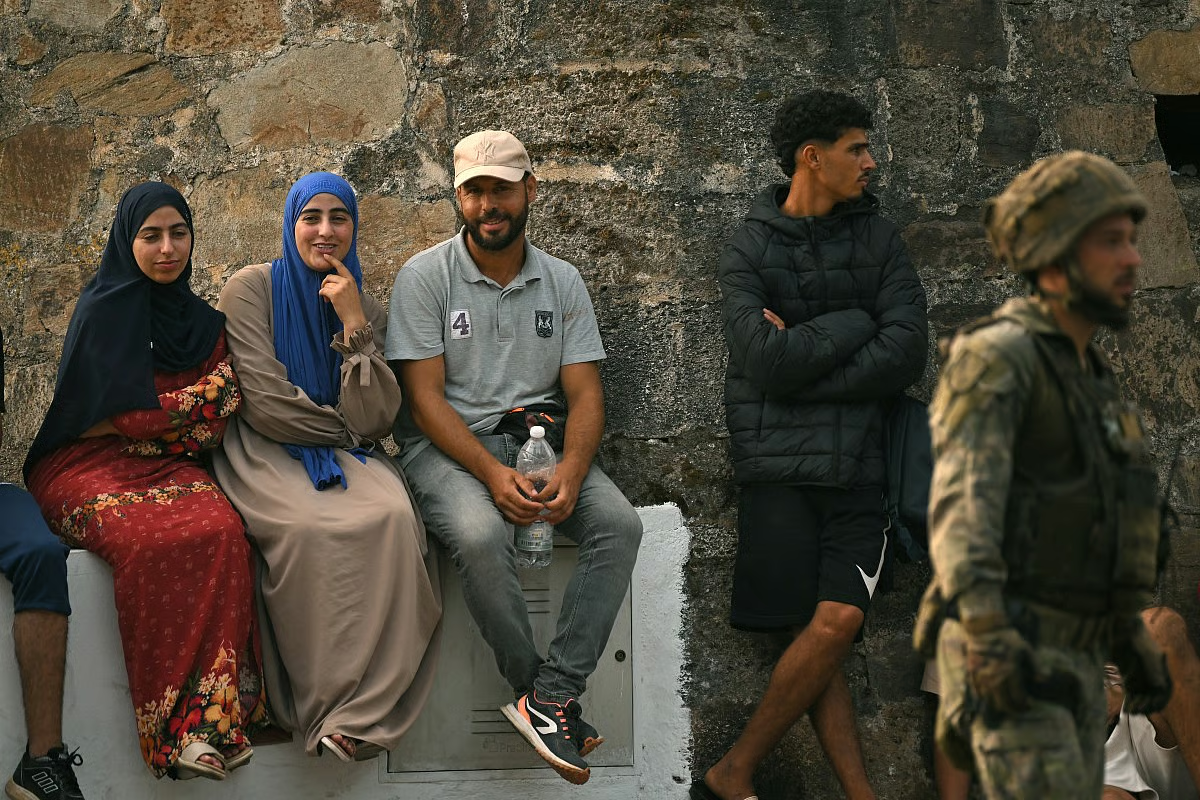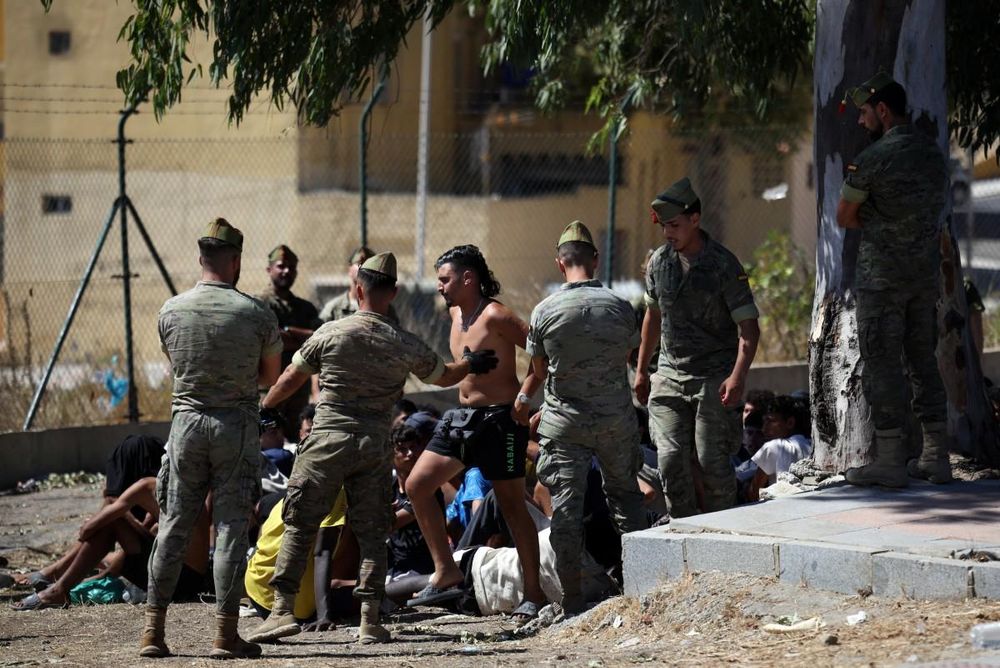
Spanish infantry soldiers watch a group of migrants sitting on the ground near the border post, prior to escorting them back to Morocco, in the Spanish enclave of Ceuta.
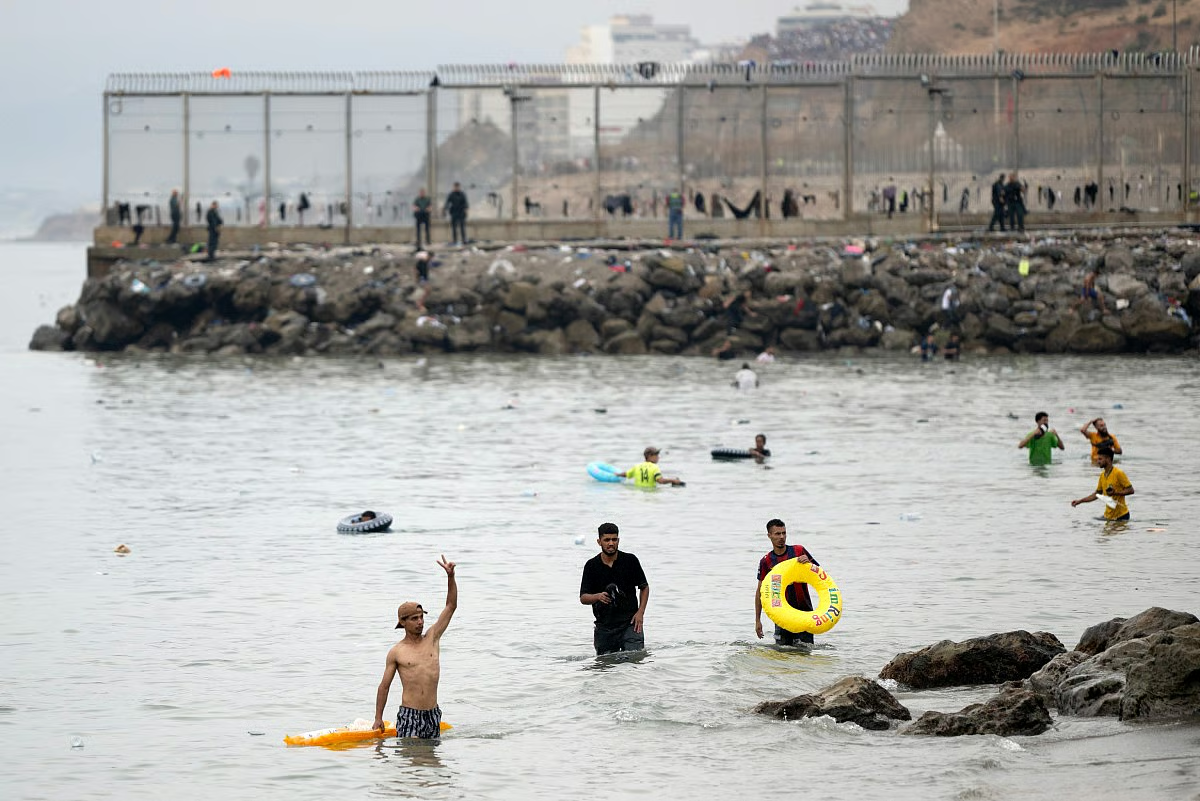
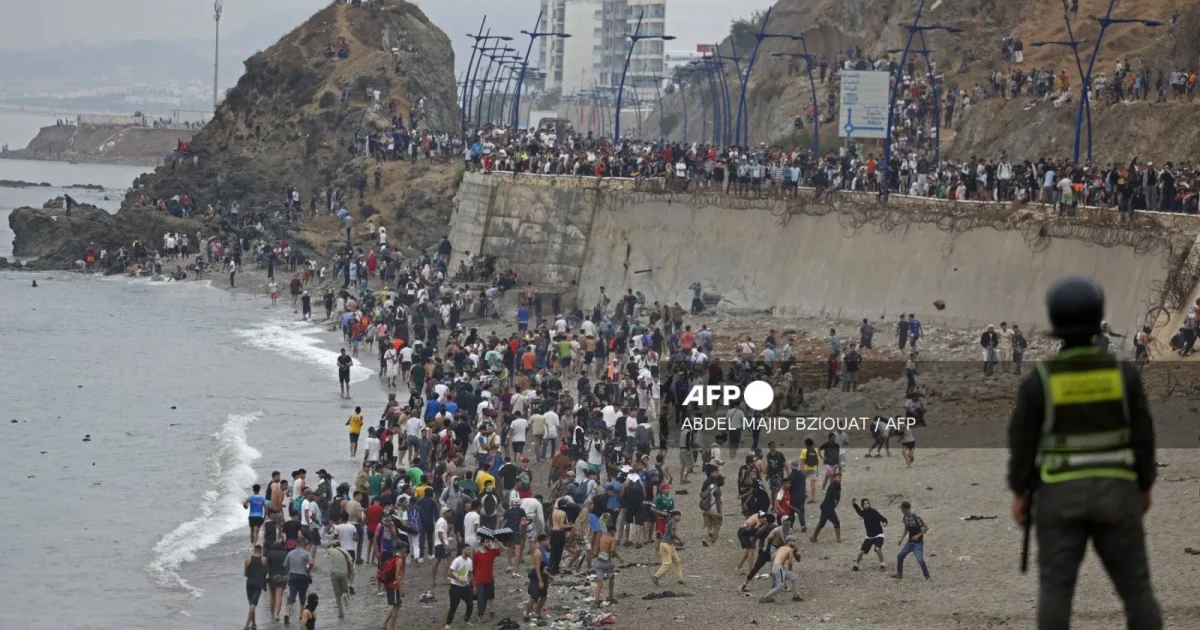
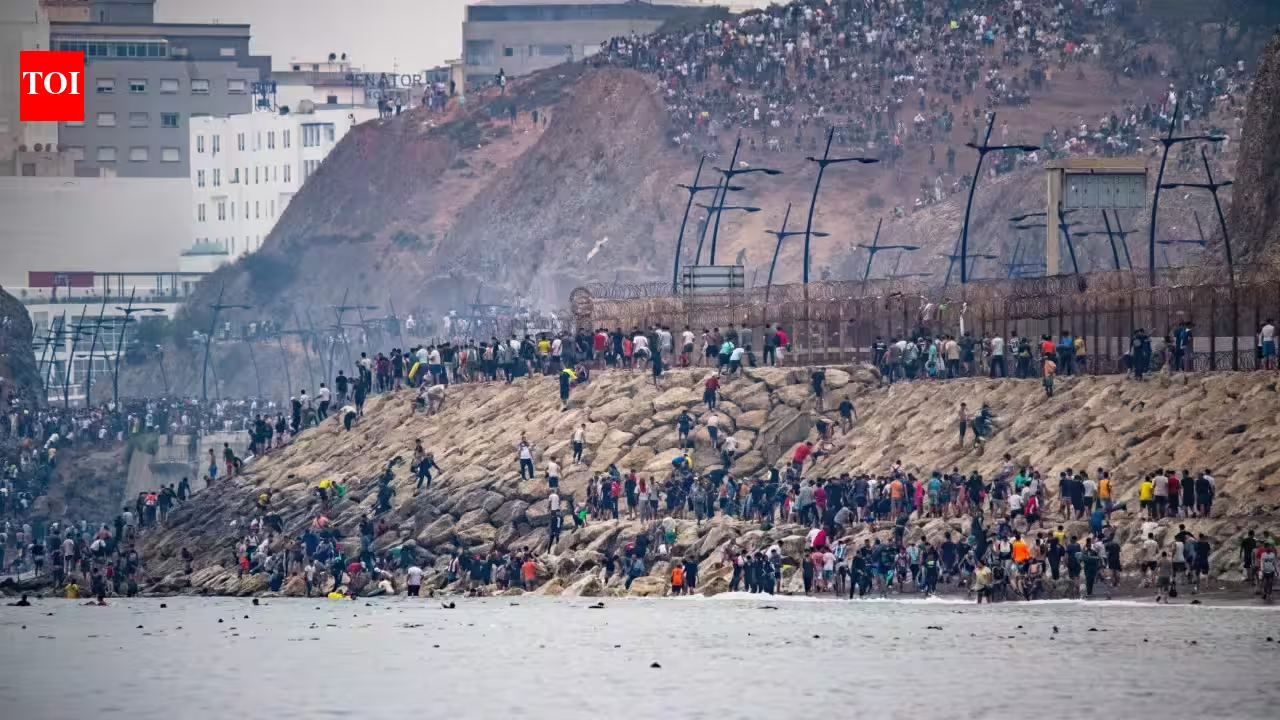
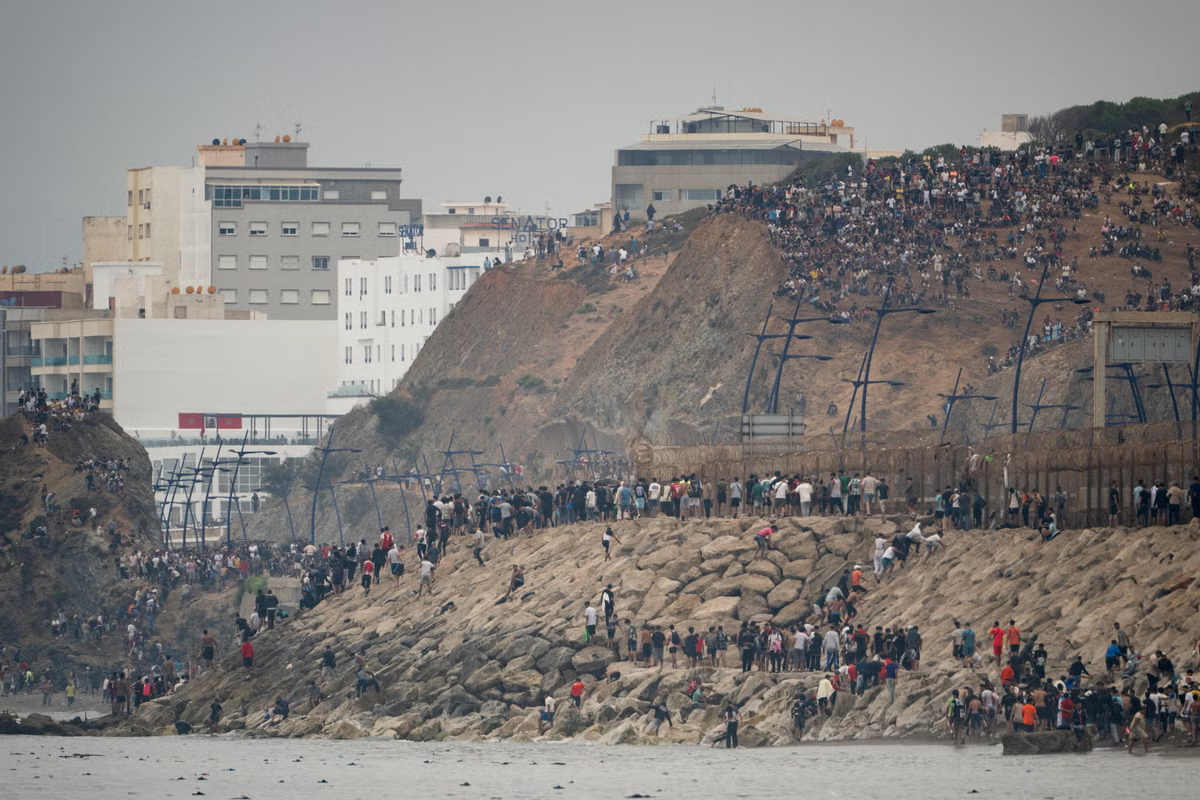
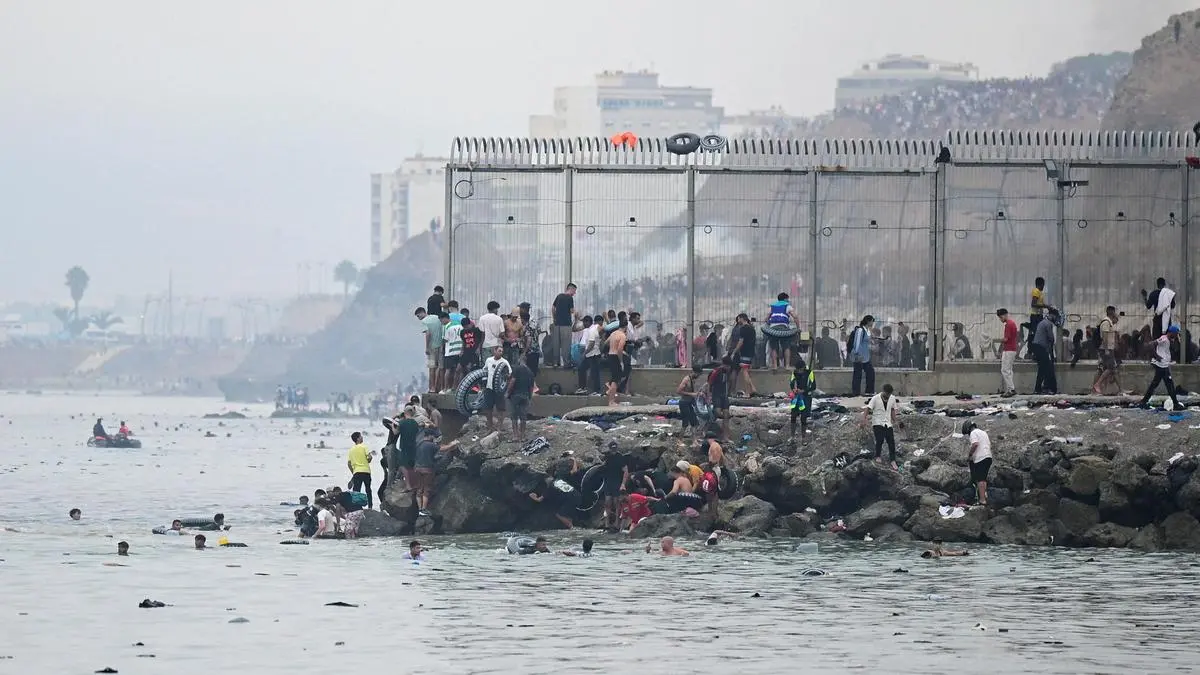
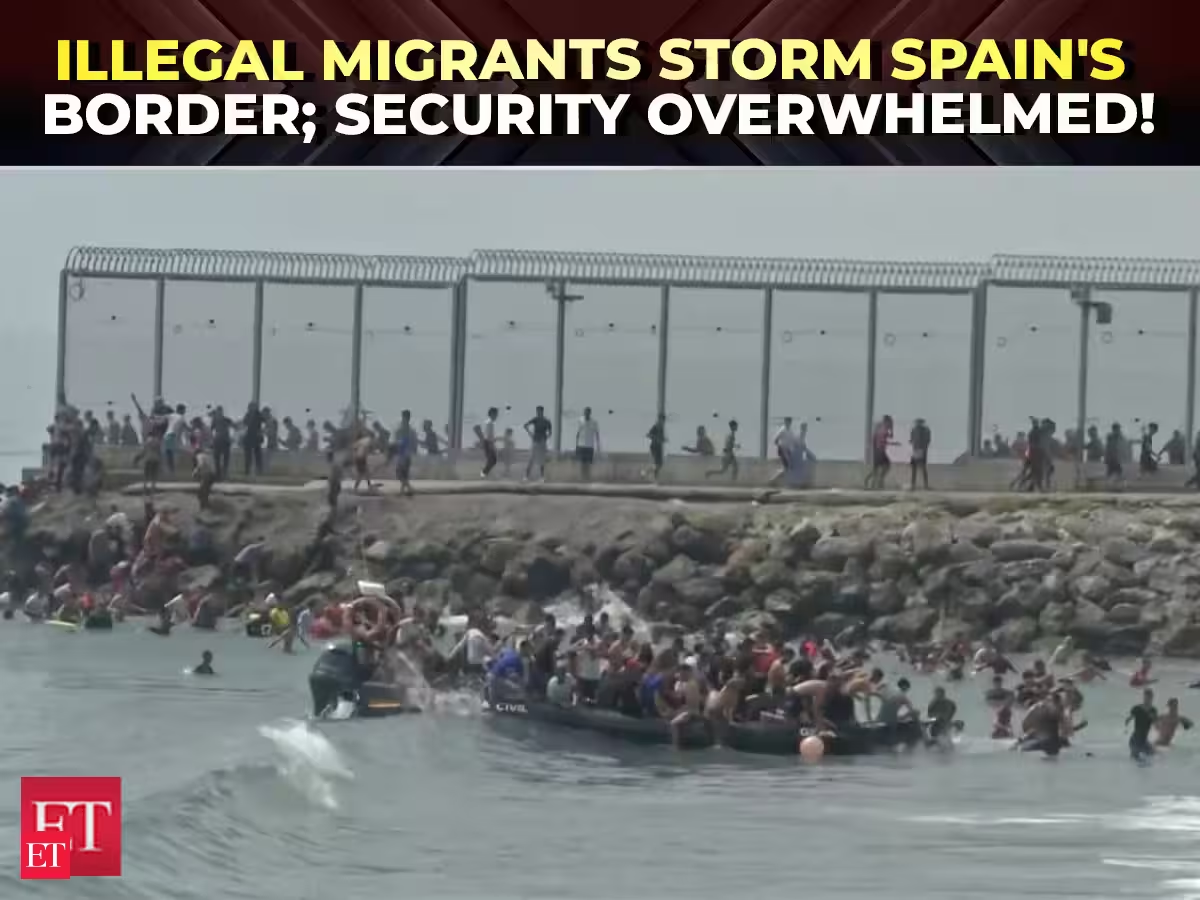
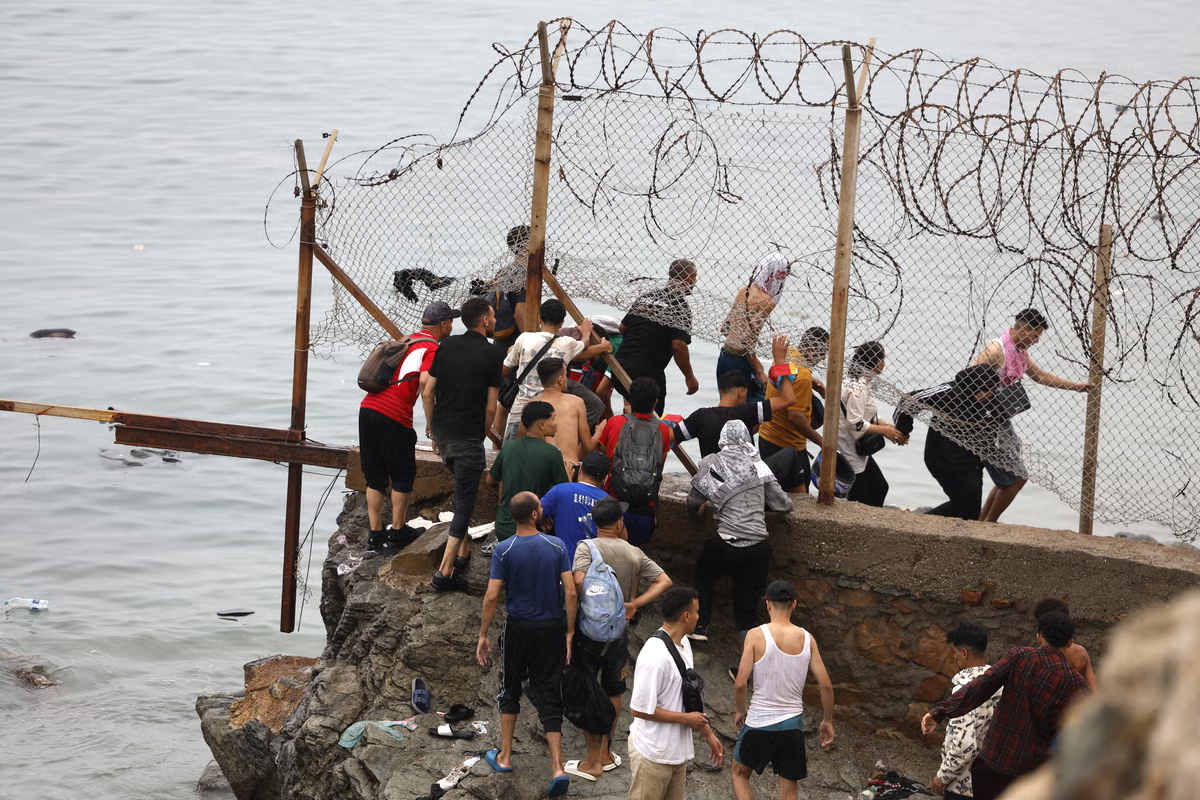
A recent surge of undocumented migrants crossing from Morocco into Spain's North African enclave of Ceuta has triggered one of the most serious border crises Spain has faced in recent years, placing renewed pressure on migration management and exposing divisions within the European Union (EU).
The influx prompted Madrid to deploy military support, tighten border controls and enhance coordination with Rabat, while reigniting debate within the EU over how to manage migration at its external borders.
Ceuta is one of Spain's two exclaves on the North African coast, alongside Melilla. Although geographically located in Africa, it forms part of the EU's external border. Its location has long made it one of Europe's most sensitive migration gateways. For years, undocumented migrants have attempted to reach the enclave by climbing border fences or swimming around coastal barriers before trying to continue to mainland Spain and other parts of Europe.
Spain and Morocco have expanded cooperation in recent years on border control, migrant returns and efforts to combat human trafficking and smuggling networks.