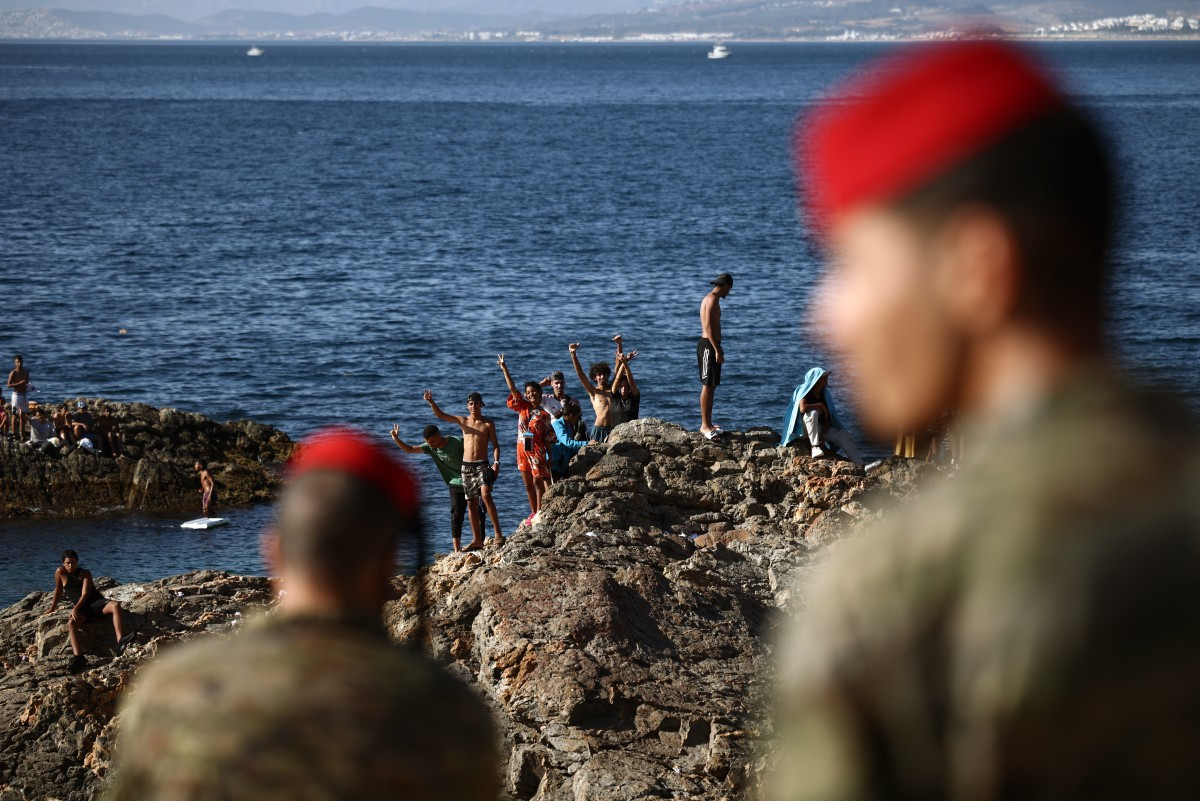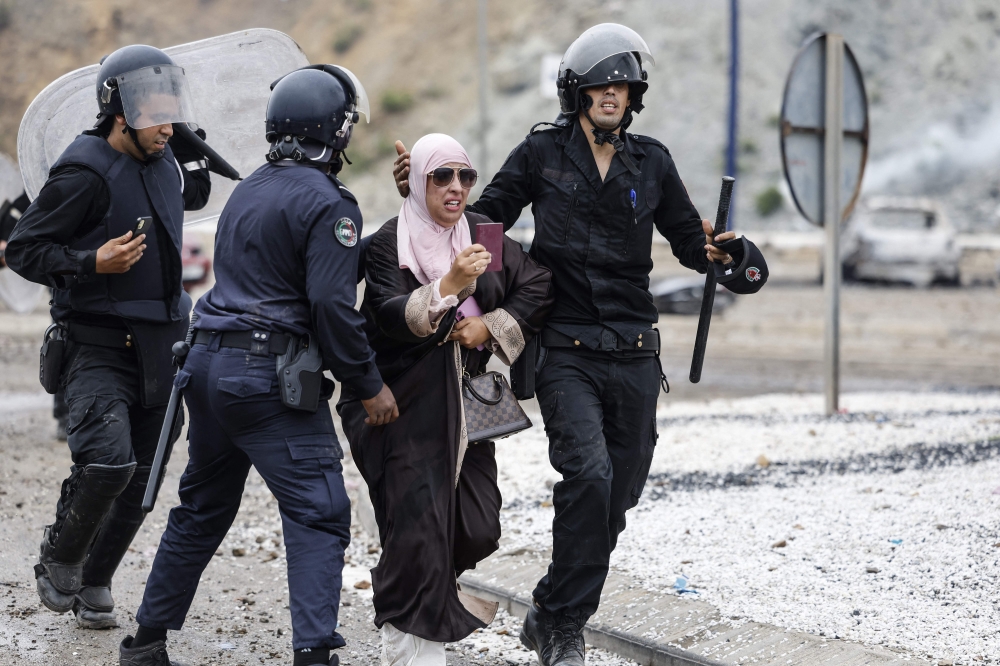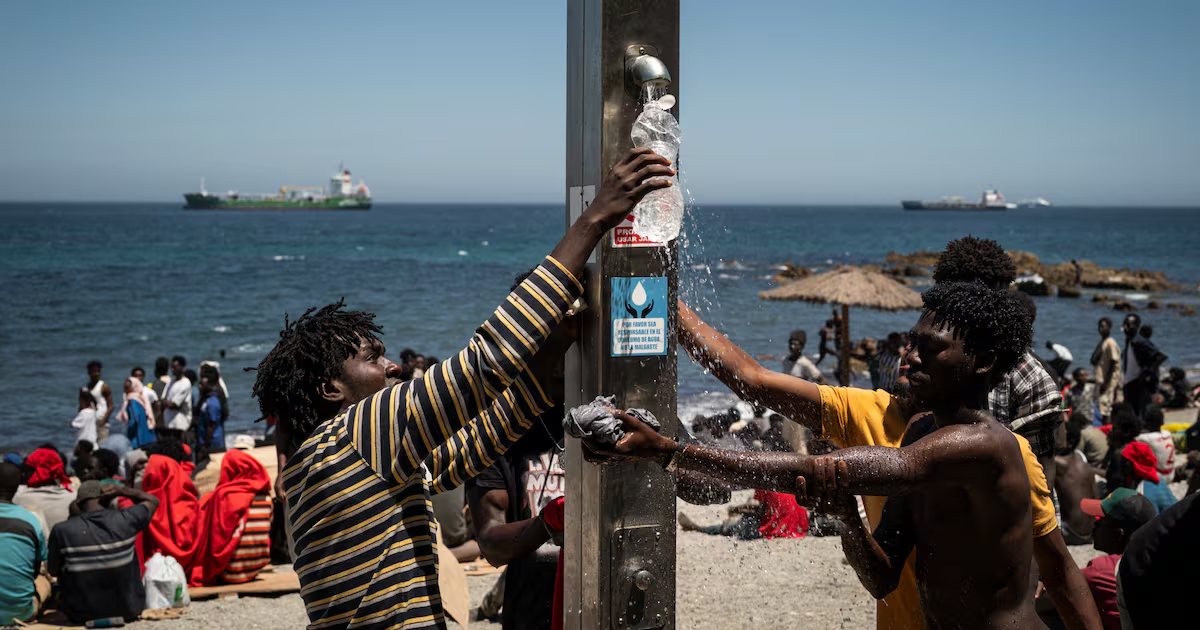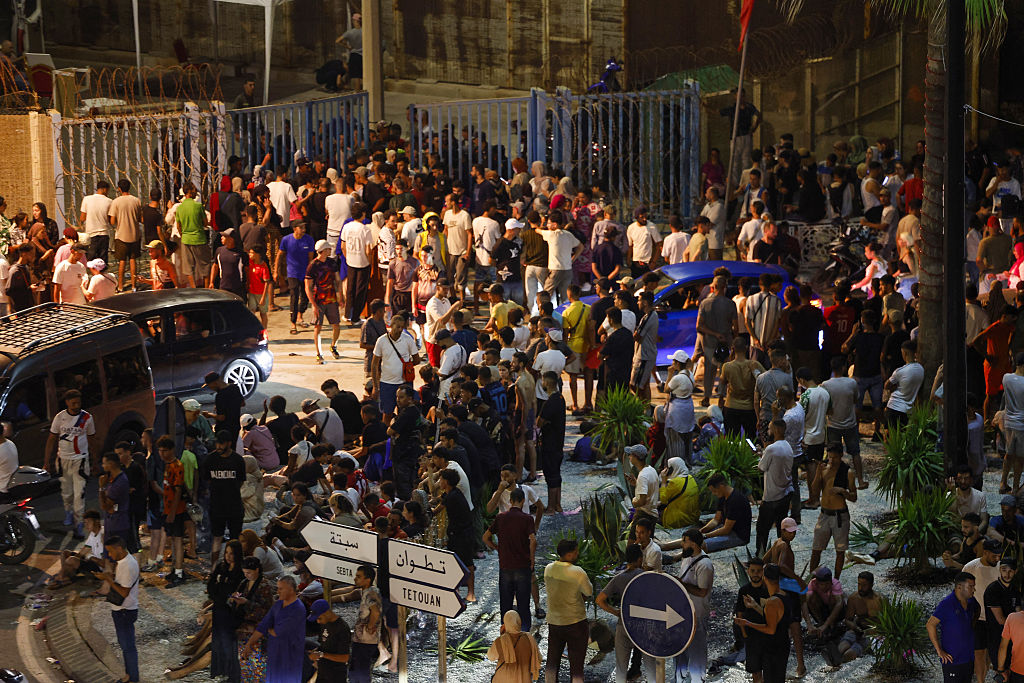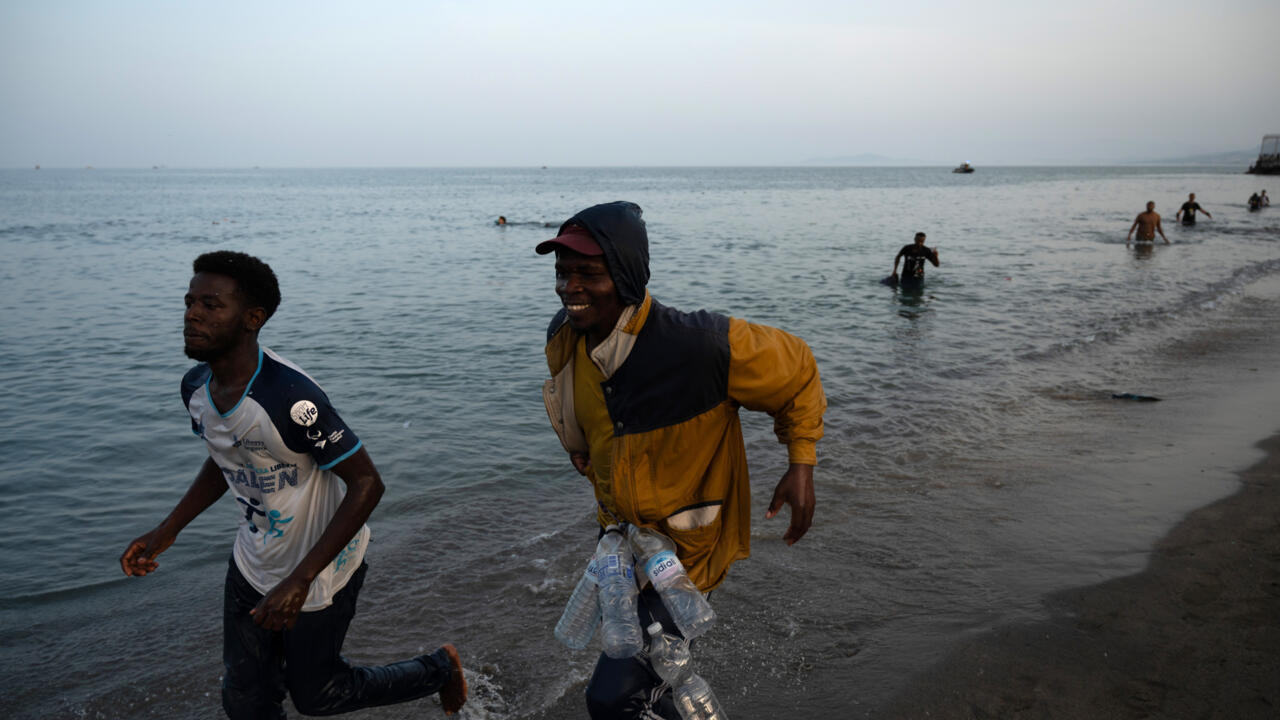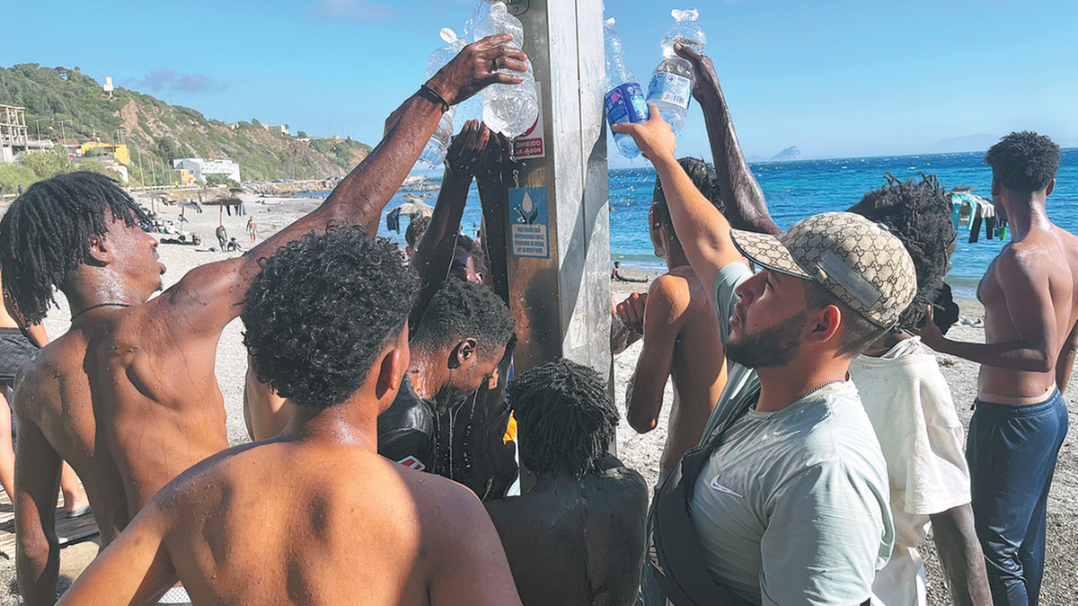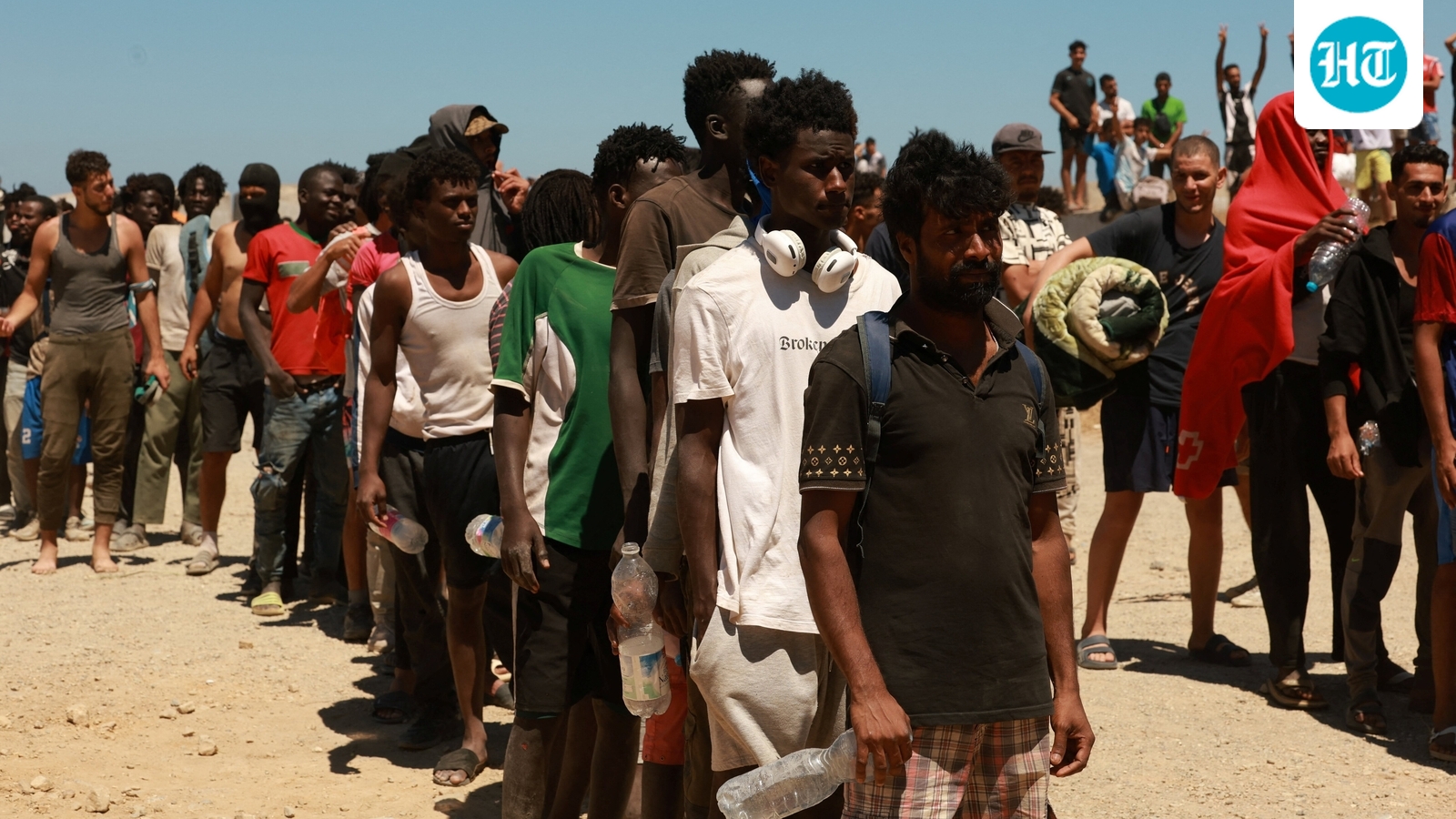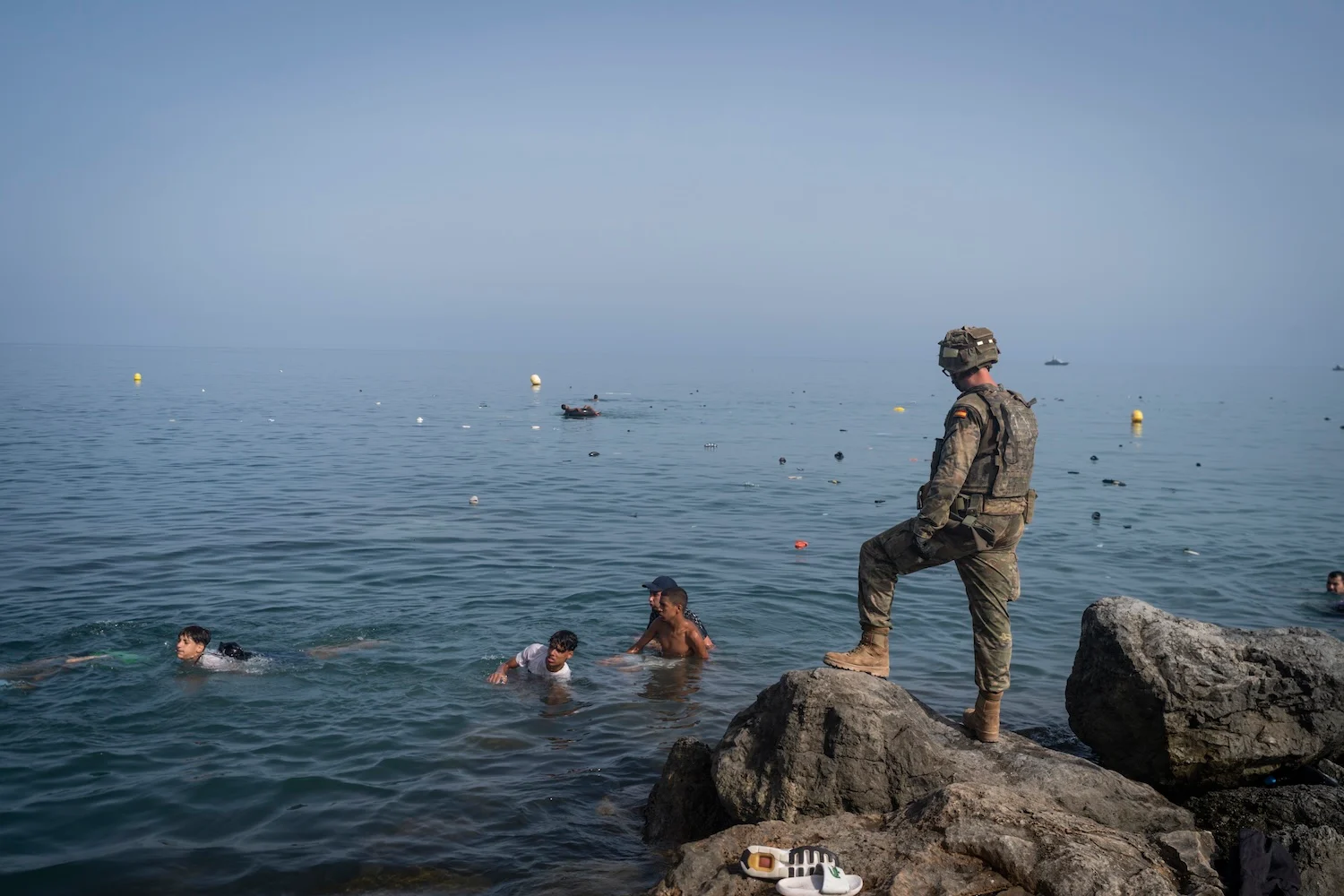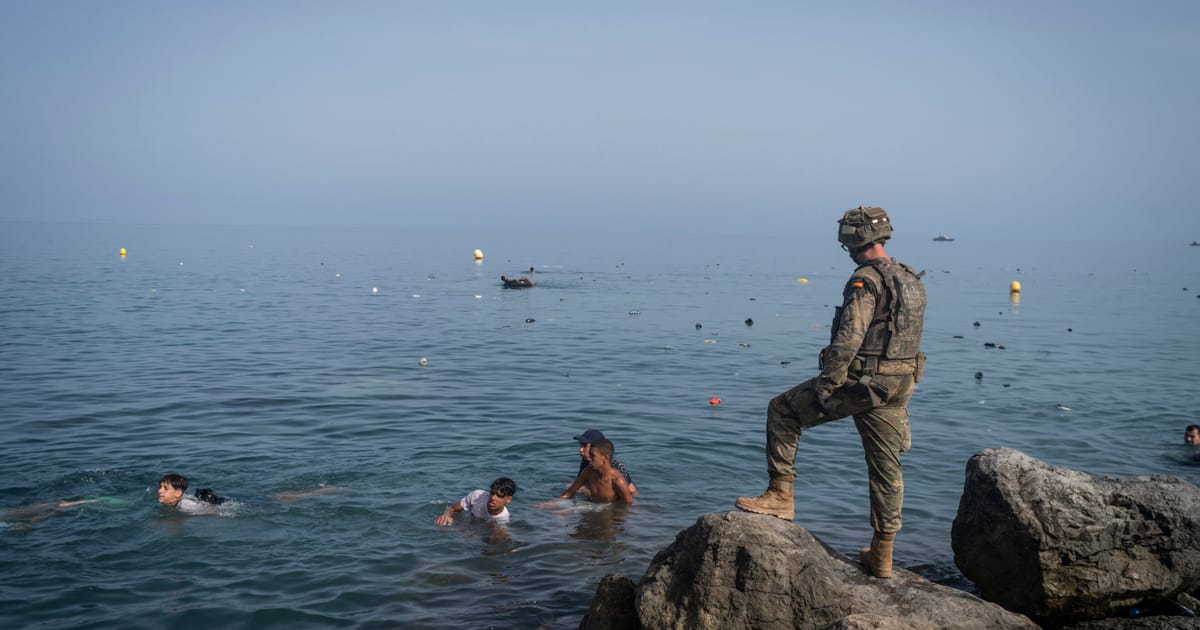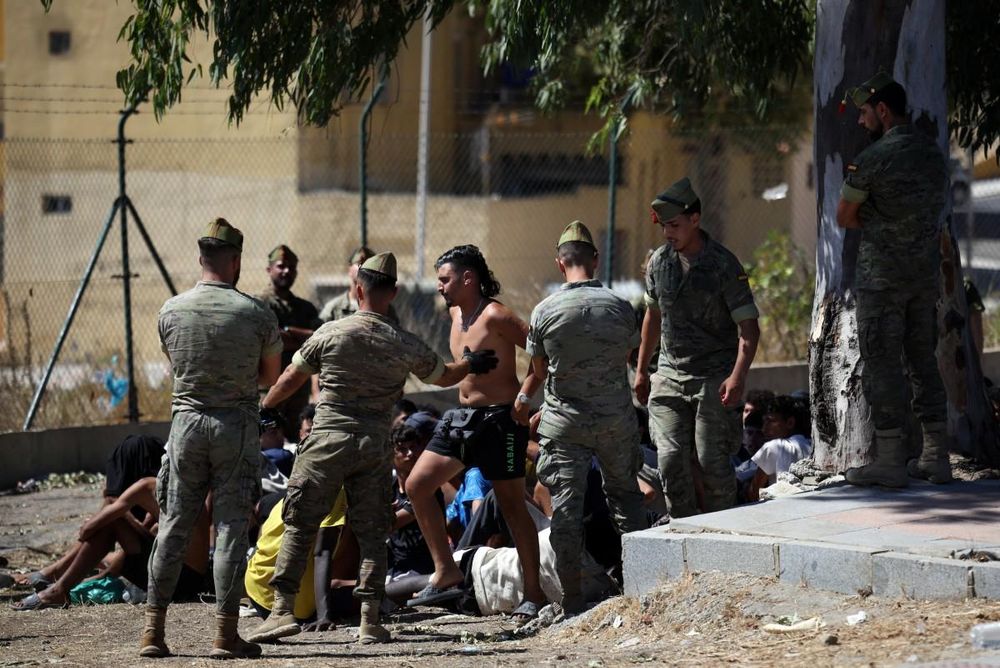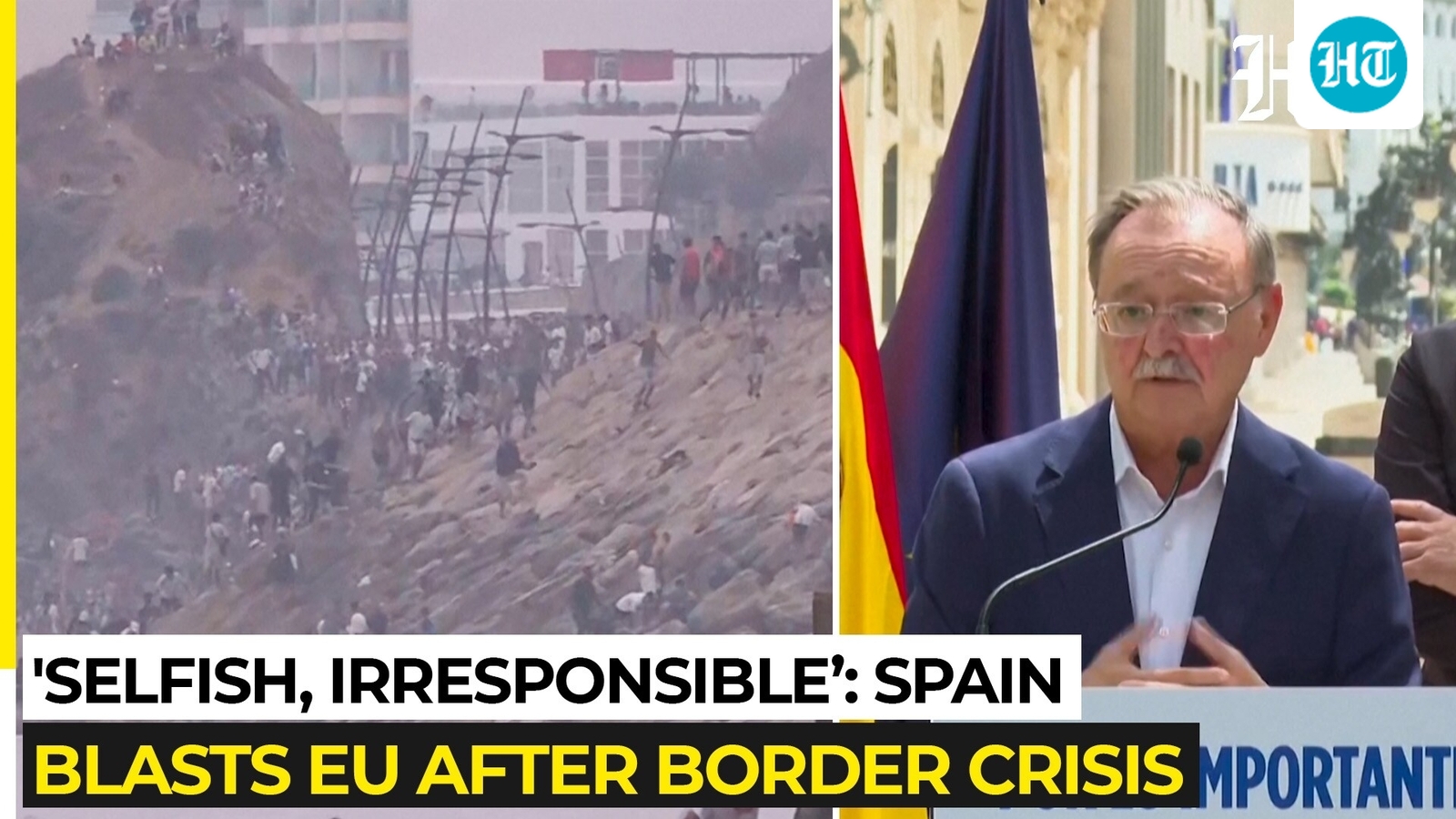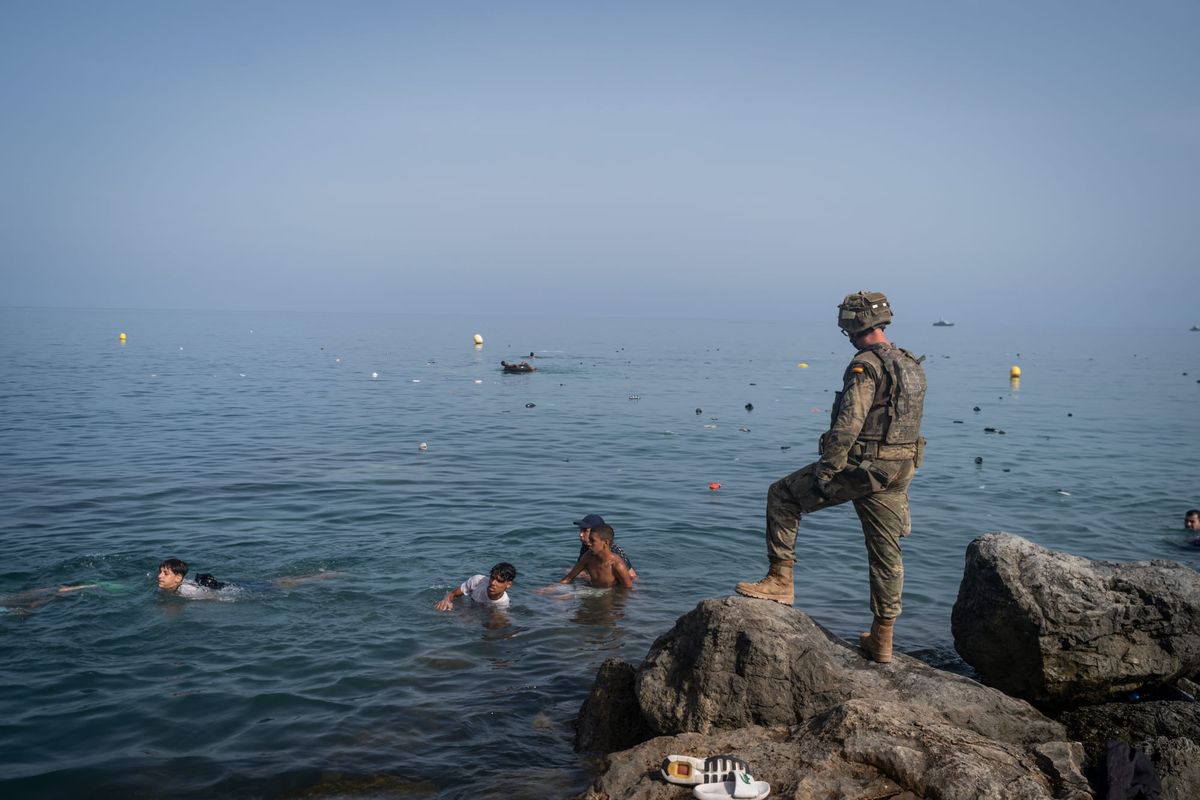
The word "crisis" is used too late in most European discussions of Ceuta. It begins when cameras show people in the water or at the fence. For the cities on either side, however, it begins with services that were never designed for a sudden population surge – and continues long after national governments declare the border restored.Spain's interior minister now estimates that about 72,000 people crossed into Ceuta and 70,000 returned to Morocco. Spain says at least 75 people died, while Morocco has reported 11 deaths on its side of the border. An estimated 1,000 unaccompanied children remain in Ceuta, a city whose normal population is about 84,000.Those numbers have given rise to grand arguments about sovereignty, Spain-Morocco relations and the security of Europe's external frontier. In Brussels, ministers debated Schengen, even though Ceuta is outside the passport-free area. In Madrid and Rabat, officials traded claims about misinformation, smugglers and whether the frontier had been deliberately left unguarded. Those questions require investigation. But they do not answer the most urgent question in a border city: what happens to the person standing in front of you now?On Monday, the Red Cross and the local organisation Cooperacion Sur-Sur distributed bread, milk, water, tuna and other basic food to about 2,000 people on a Ceuta beach. Some said they had eaten nothing for days. Elsewhere, local residents gave young migrants food and clothes. One woman let a 17-year-old girl into her home to wash after the government youth centre turned her away because it was full.Solidarity also took a political form. When far-right figures arrived to brand the crossings an "invasion", Ceuta residents organised counter-protests against outsiders exploiting the emergency. These gestures do not erase the fear, hostility and violence also reported in the city. But they do show that Ceuta is not simply a fortress under siege. It is a community deciding, under immense pressure, what kind of city it wants to be.Across the border, Fnideq faced another version of the same emergency. Thousands returned exhausted, sometimes barefoot or without phones, while families searched for missing children and young relatives. Returnees depended on local residents for food, transport and a place to rest. These acts of kindness should not be romanticised. A woman opening her bathroom to a stranger is admirable, but it is not a reception system. A charity food queue is welcome, but it is also proof that public provision arrived too late. Families should not have to create their own cross-border missing-persons network from photographs and social media posts.This is the scale at which some cities experience migration. National authorities decide who may enter, remain or be returned. Cities deal with the de facto population: everybody physically present in their streets, clinics, beaches, schools and shelters. They must manage sanitation, emergency healthcare, child protection, public order, homelessness and community tension regardless of whether an immigration file has been opened.Years of work by the City Initiative on Migrants with Irregular Status in Europe (CMISE) point to a lengthy repertoire of practical lessons from and for cities. For example, Barcelona has used municipal registration to connect people, including those without a fixed address, to education and local services. Other cities have opened shelters according to need, worked through trusted NGOs, or firewalled information gathered by doctors, teachers and social workers from routine immigration enforcement. The logic is as relevant to established residents as it is to newcomers. Untreated injuries become medical emergencies. People afraid to approach the police leave crime and exploitation unreported. Excluding some rough sleepers does not reduce homelessness; it simply moves it to beaches, hillsides and abandoned buildings. A child outside the protection system is more vulnerable to disappearance and abuse.Ceuta and Fnideq fly different flags but neither controls national migration policy. Instead, they form an interdependent urban system divided by one of the world’s most politically charged borders. Before the pandemic, a special local arrangement allowed residents of the surrounding Tétouan region of Morocco to enter Ceuta without a visa, sustaining the daily movement of workers, shoppers, traders and families. Work, trade and everyday life have long connected the two cities. During a sudden crossing, their hospitals, emergency services, neighbourhood groups and transport networks also become linked – whether their national governments acknowledge it or not.Ceuta's own service providers had already warned that summer pressure was recurring and the city could not keep lurching from one declared emergency to the next. Treating every predictable rise in arrivals as an unprecedented shock is a political choice. So is leaving a small border city to carry responsibilities created by national and European policy.The same applies in Fnideq. Moving returnees away from the frontier is not an adequate local response. People may need first aid, food, replacement documents, transport home, psychosocial support and protection from exploitation. Parents need reliable information about their children who may be in Ceuta, in hospital, in detention, back in Morocco or missing at sea.Europe will continue to argue about deterrence, returns and responsibility-sharing. Spain and Morocco will continue to negotiate cooperation while disputing who caused the latest breakdown. Cities cannot wait for those arguments to end. Their responsibility begins with the immediate needs of the people before them.
Lessons from Ceuta: State failures and local solidarities
Cities and communities cannot wait for Europe to resolve its endless arguments about migration, deterrence and responsibility sharing.
863 words~4 min read