Rafael BardajI
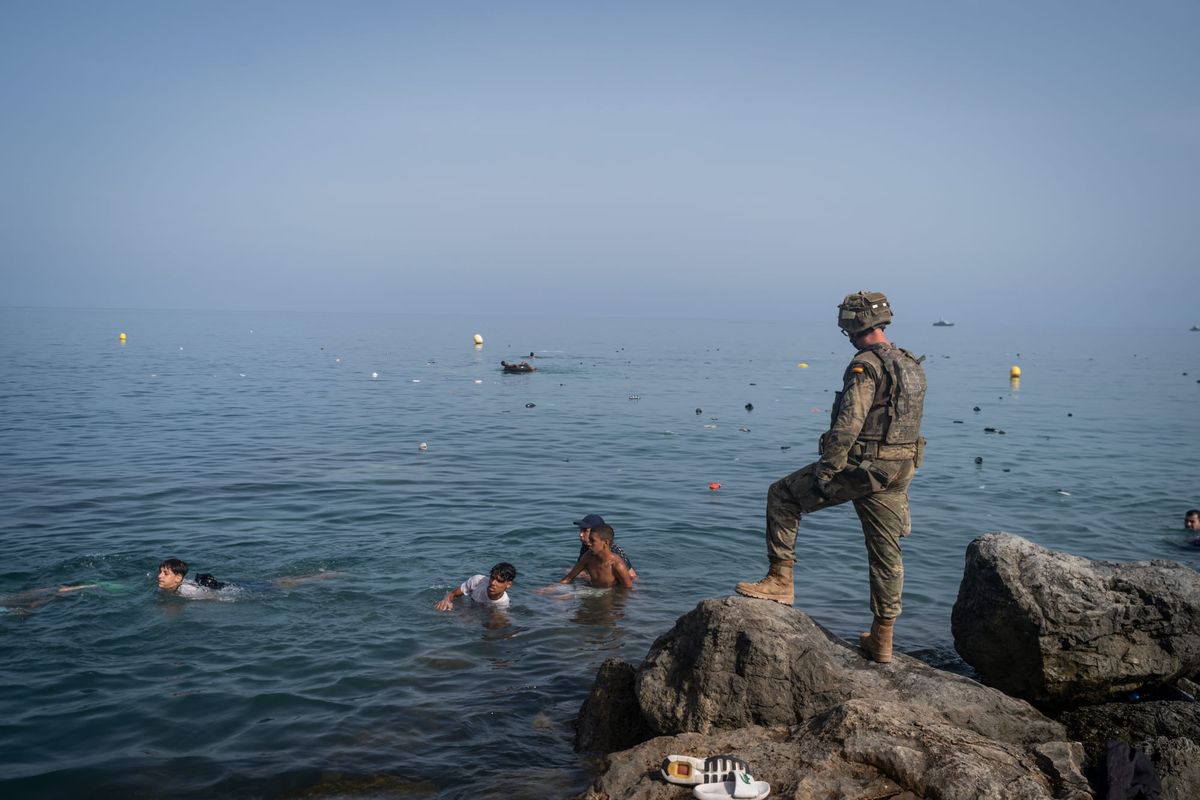
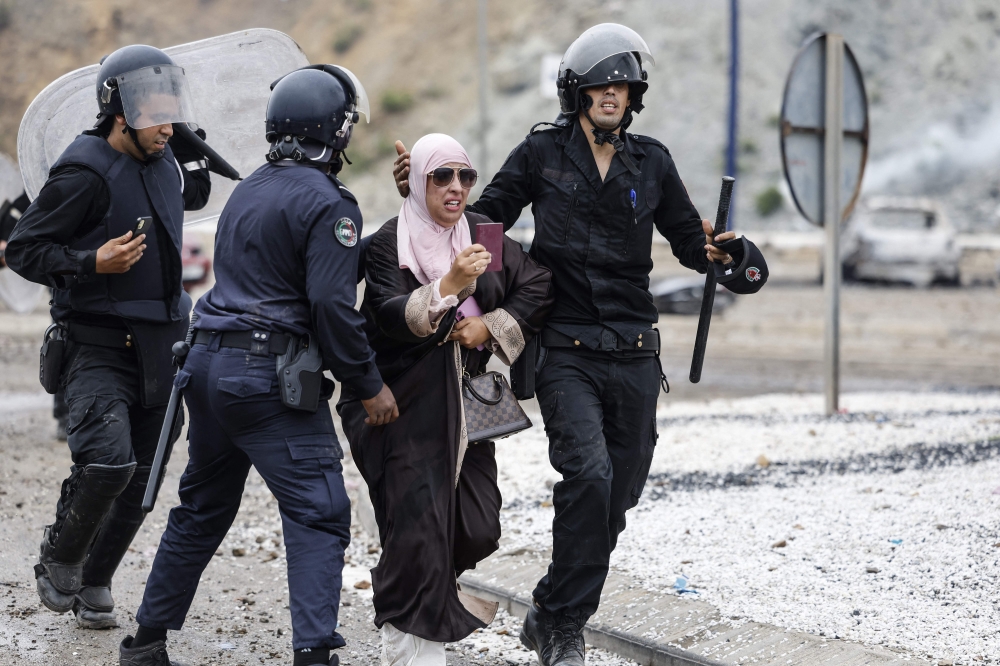
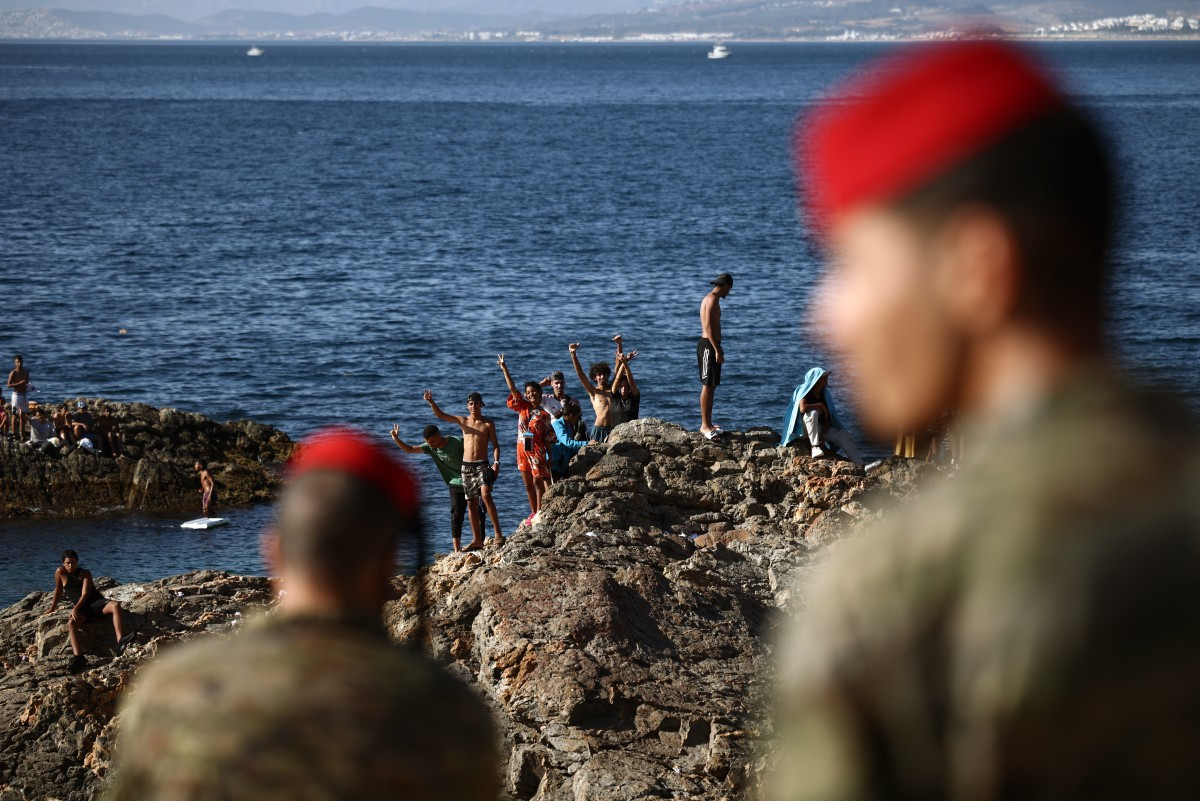
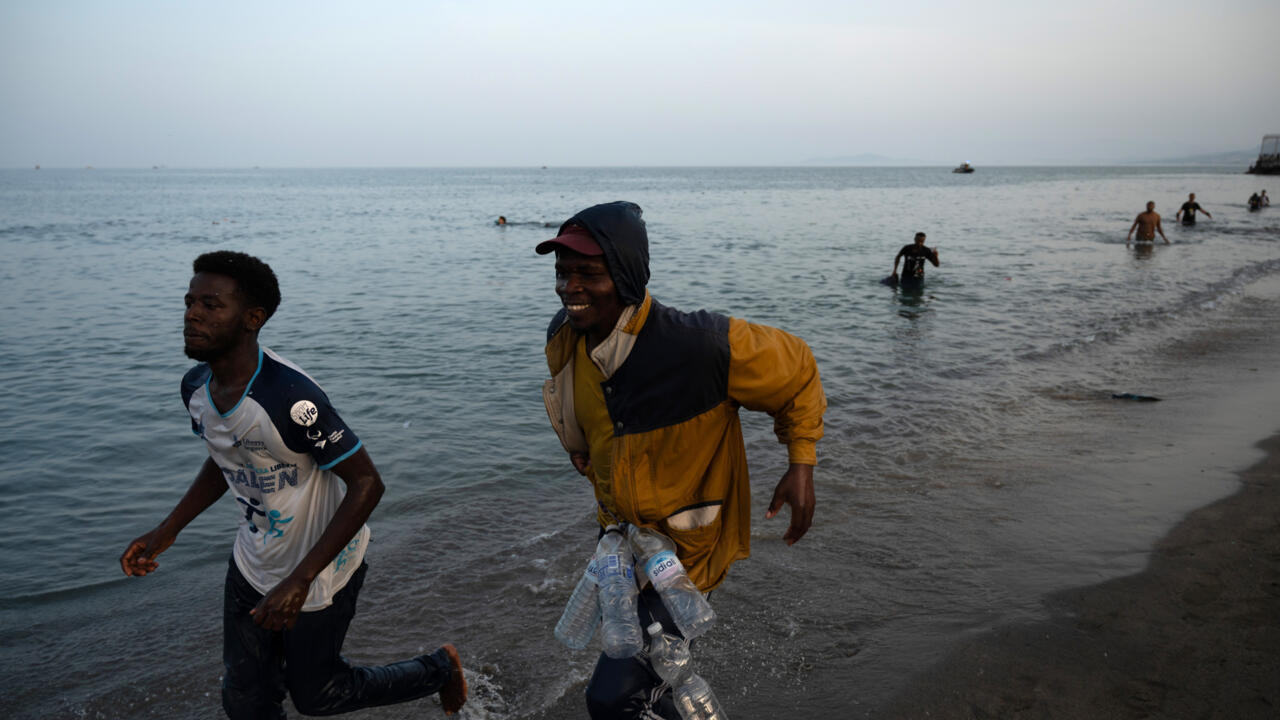
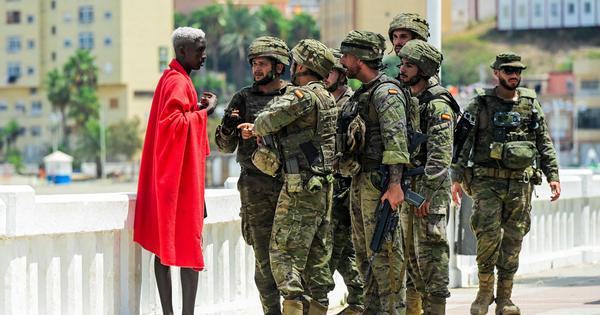
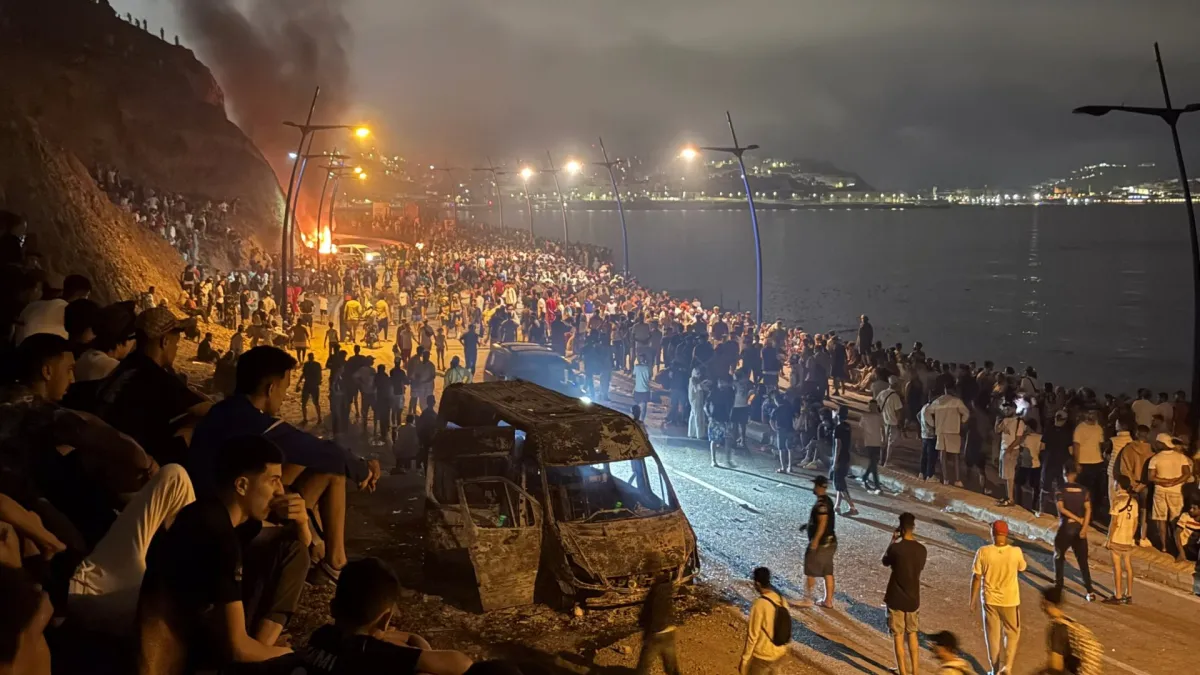
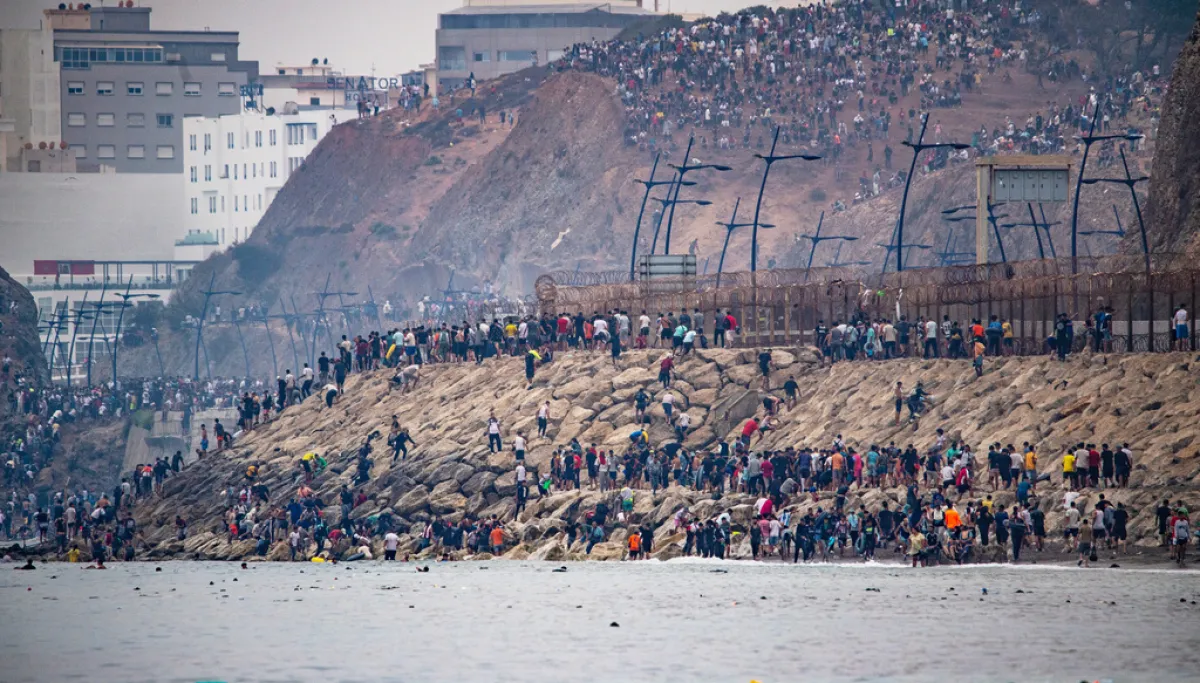
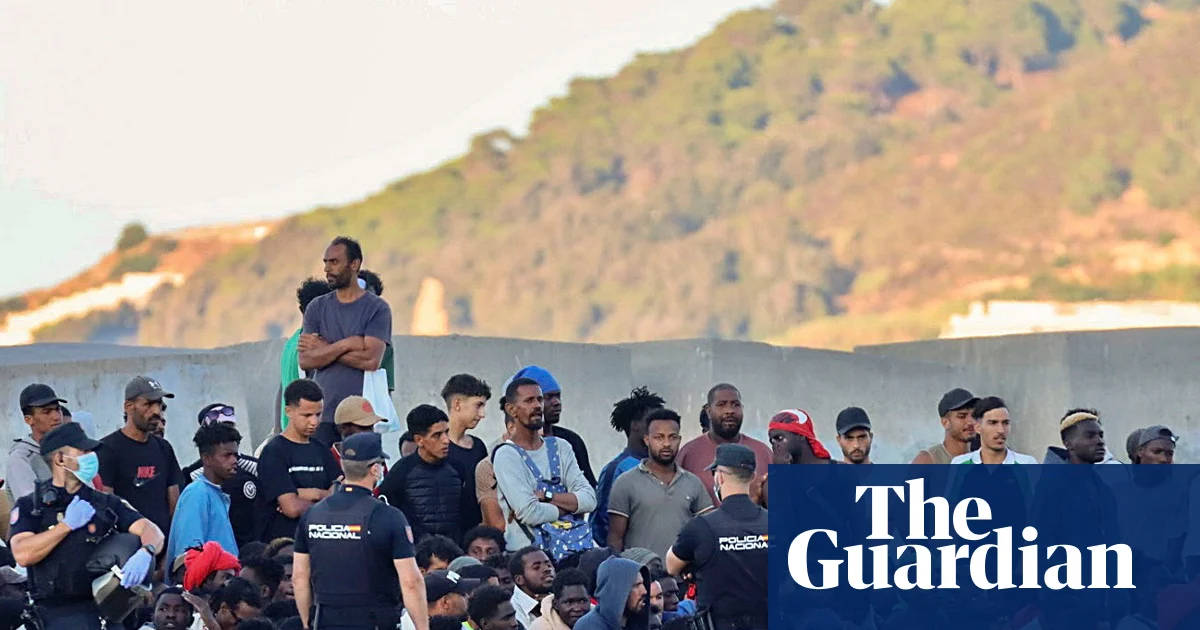
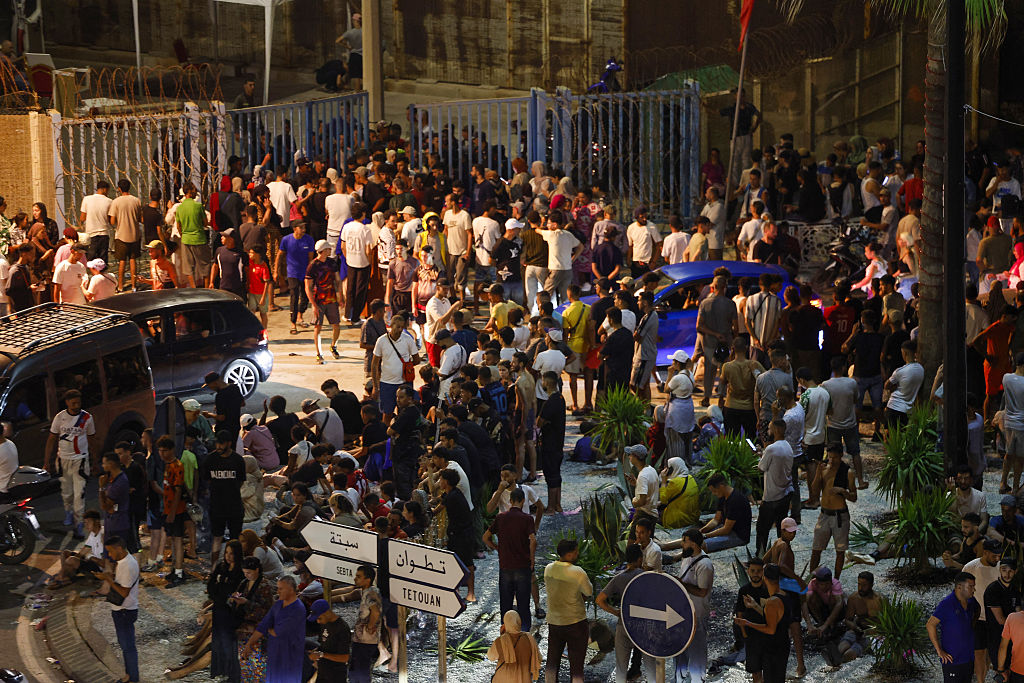
Europe risks learning precisely the wrong lessons from the latest crisis in Ceuta.What unfolded on Spain’s North African border was not one crisis but two. They are closely connected, yet fundamentally different. Failing to distinguish between them risks misunderstanding both, and, ultimately, repeating them.
The first concerns Morocco’s long-established use of migration as an instrument of political coercion against Spain. The second concerns the Spanish government’s own approach to immigration and the wider consequences that approach may have for the European Union. Only by separating these two issues can Europe hope to address either successfully.
Cueta was a warning about Europe’s willingness to defend the foundations upon which its freedom depends
Morocco’s latest operation should not be mistaken for a conventional migration crisis. It was, above all, an act of strategic coercion. For decades, Rabat has understood that migration can serve purposes extending far beyond humanitarian need. Properly controlled – or deliberately left uncontrolled – migration becomes a remarkably effective instrument of statecraft.