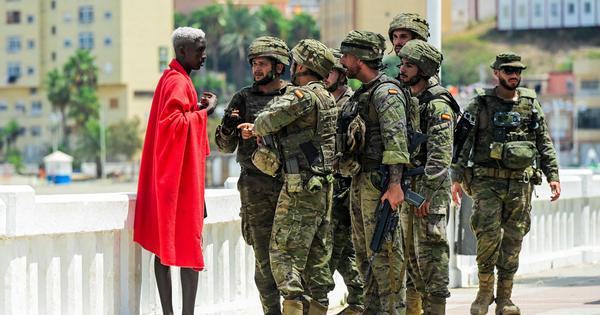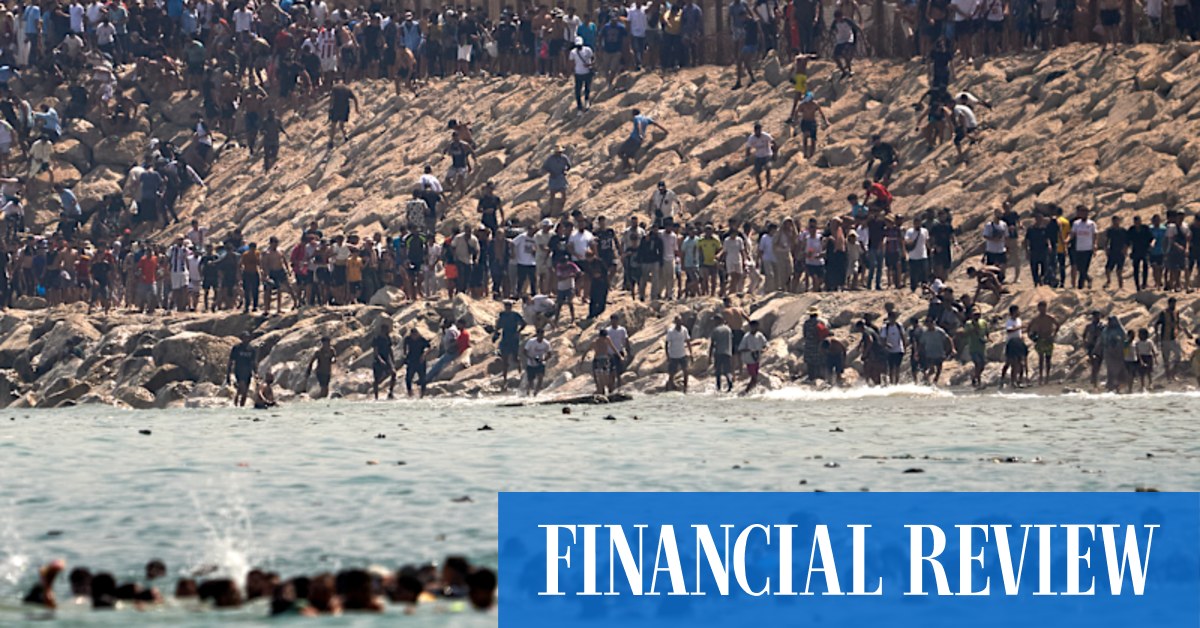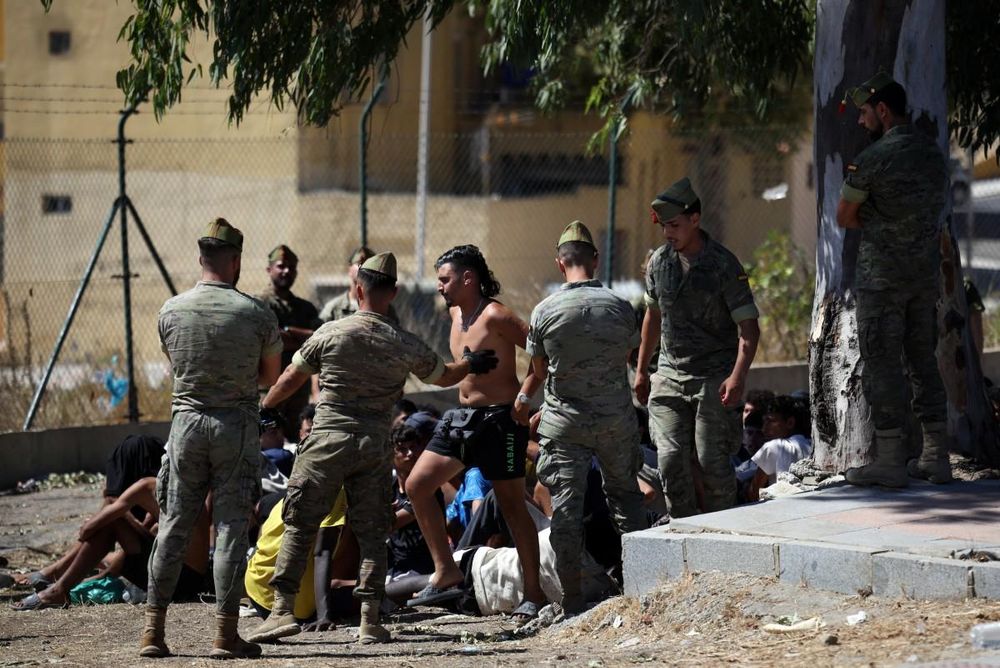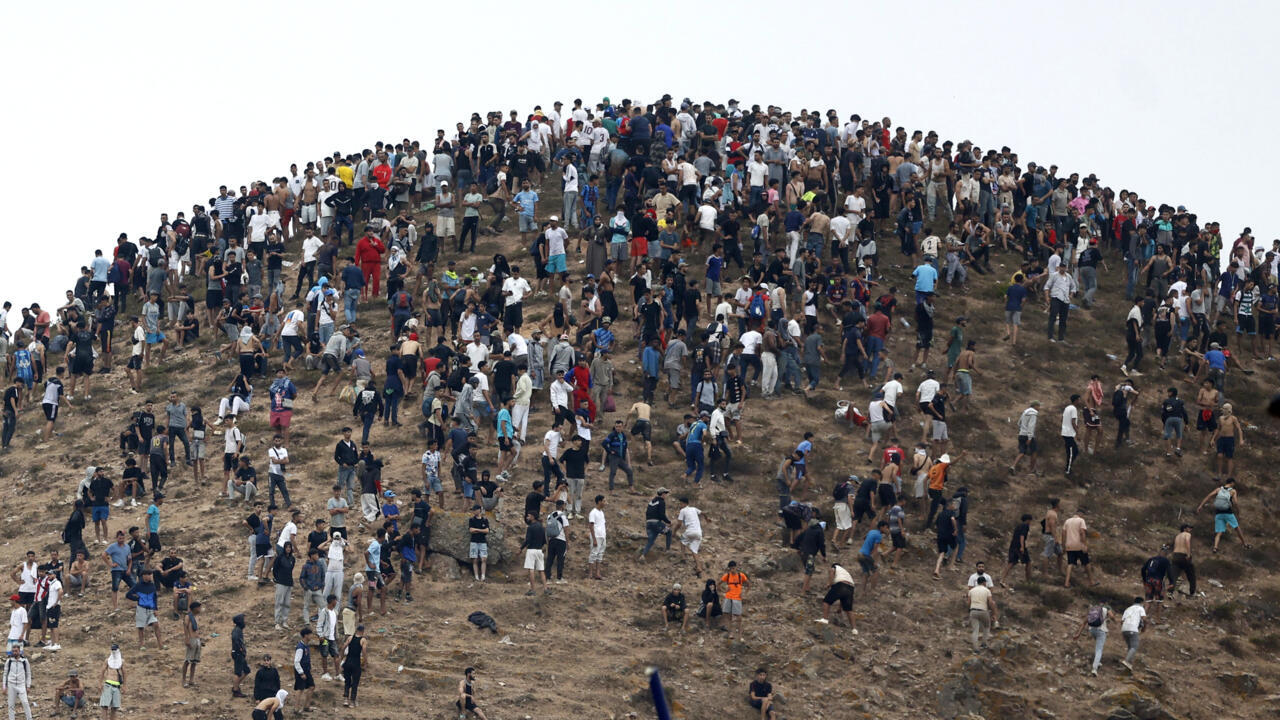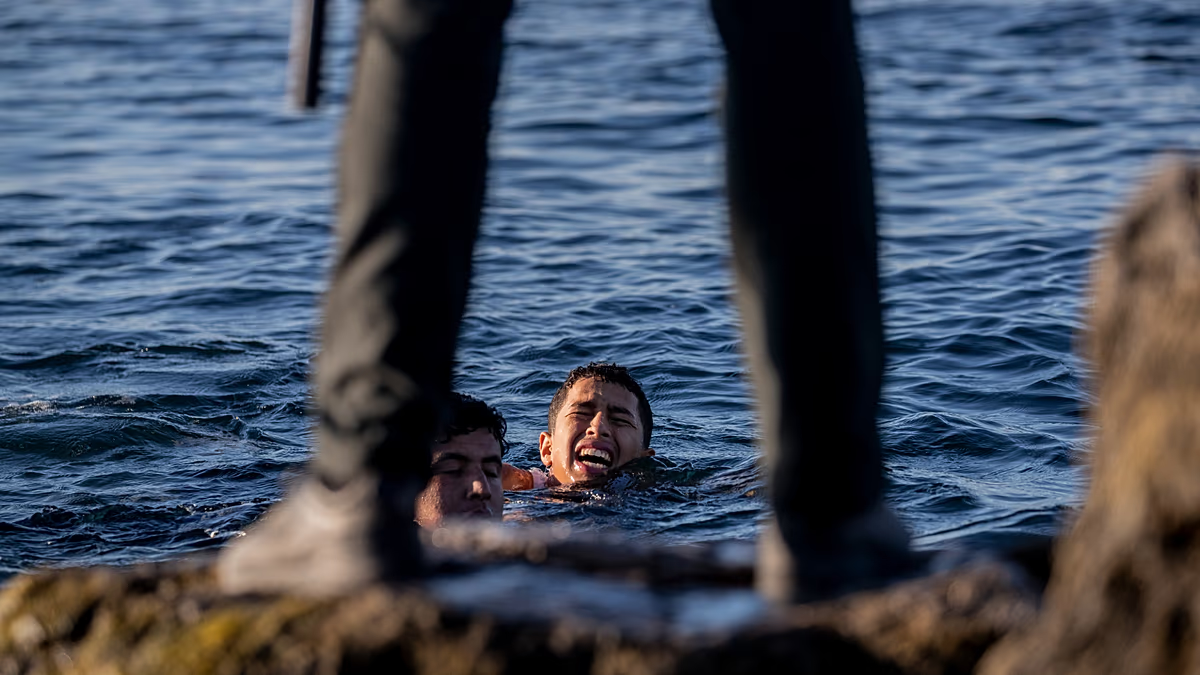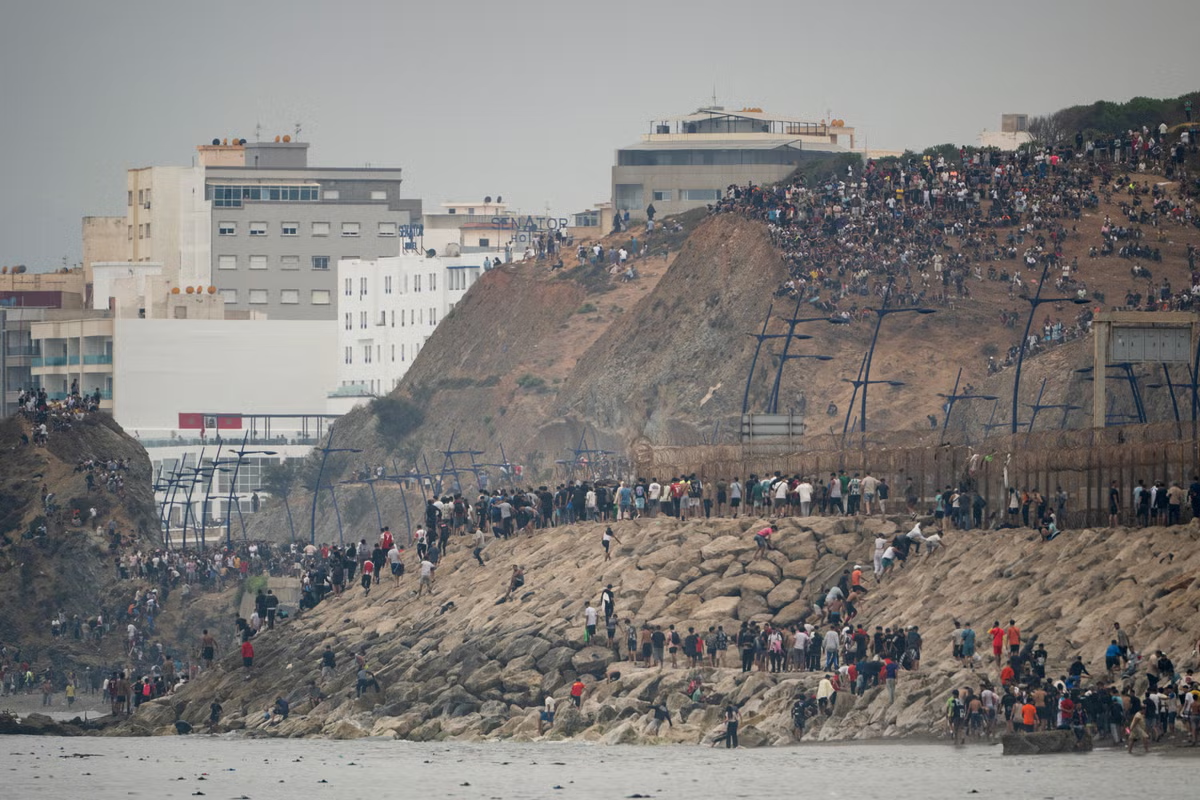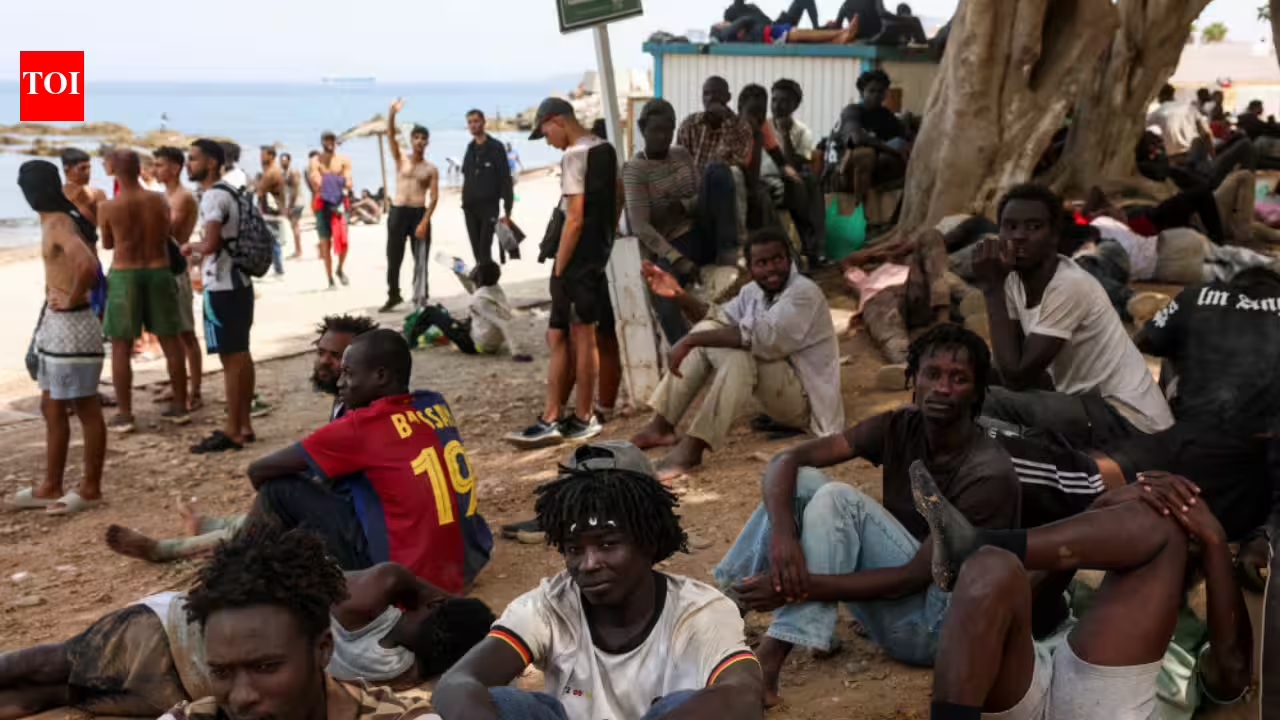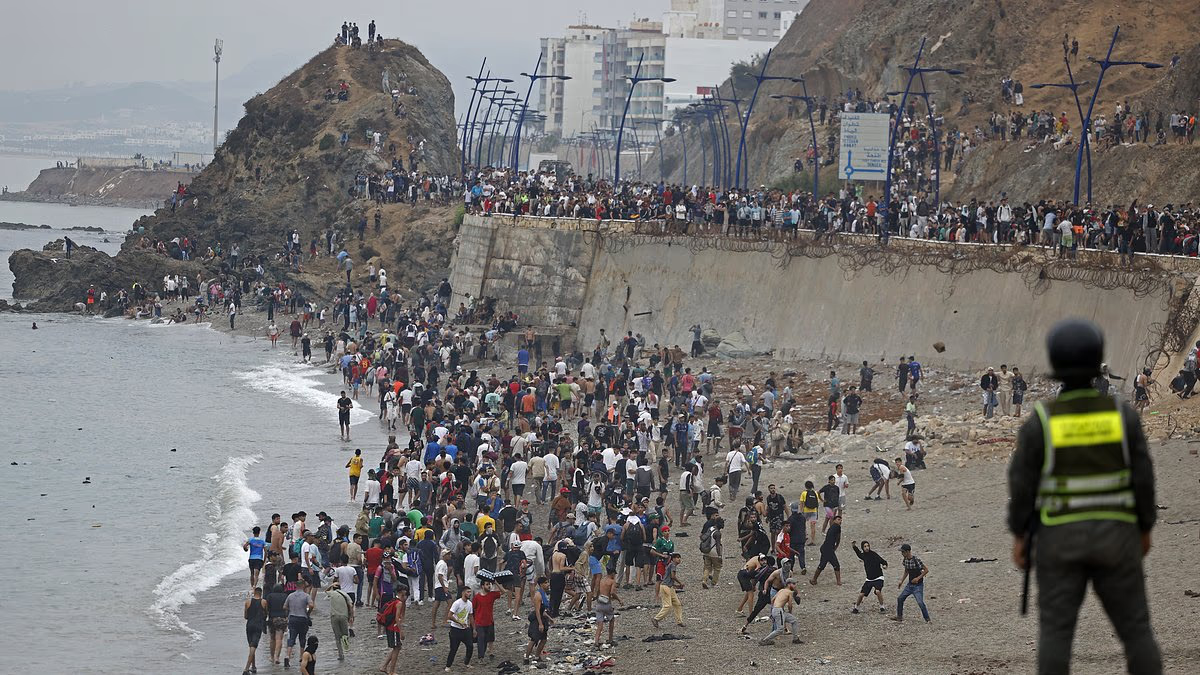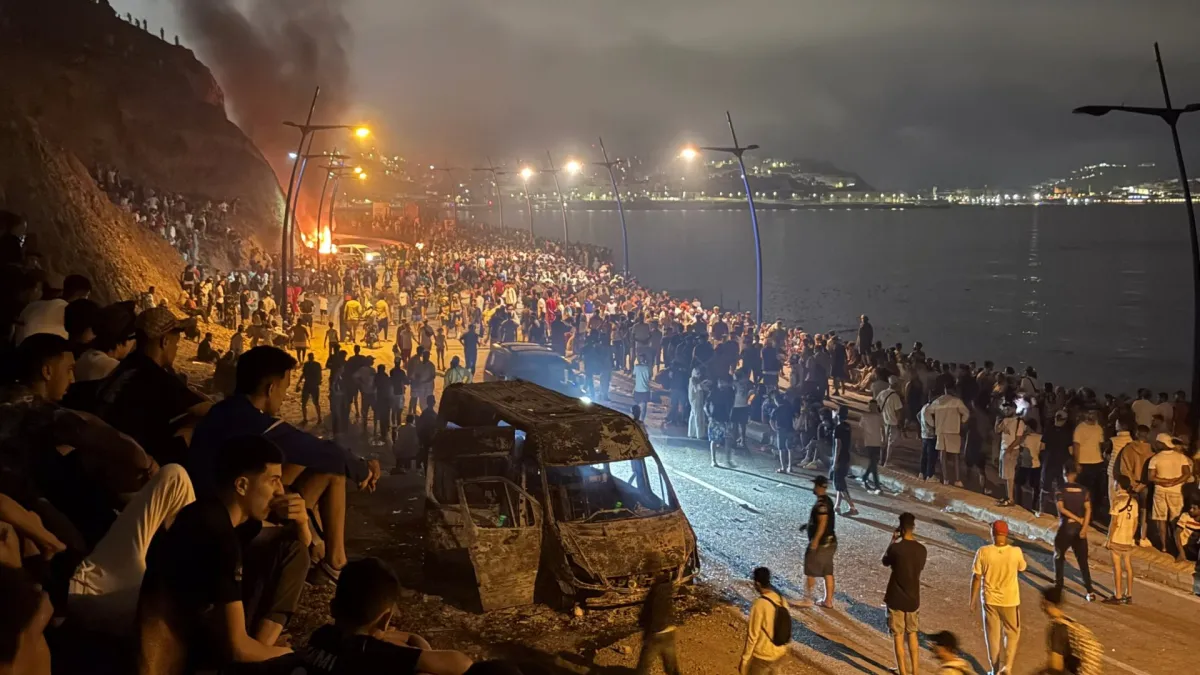
The images emerging from Ceuta, the tiny Spanish enclave perched on the north African coast, are shocking.
Thousands of migrants clambering ashore after swimming around the breakwater that separates Morocco from Spanish territory. Discarded rubber rings strewn across the coastline. Hundreds of new arrivals, many of them young, sleeping rough as reception centres are pushed beyond breaking point.
Some 60,000 migrants have poured into Ceuta in just 24 hours, according to Ceuta’s President, Juan Jesús Vivas, in what is believed to be the largest single day of irregular arrivals ever recorded anywhere in the European Union.
Spain’s central government claimed on Friday that around 25,000 migrants had already gone back out of a number they put closer to 50,000. But at least 57 people have died attempting the perilous crossing, their lifeless bodies pulled from the choppy waters of the Mediterranean Sea.
This apparent collapse in border security may seem unprecedented, but it should not come as a surprise. What is unfolding has laid bare a problem that European leaders have spent the past decade trying to manage rather than solve.