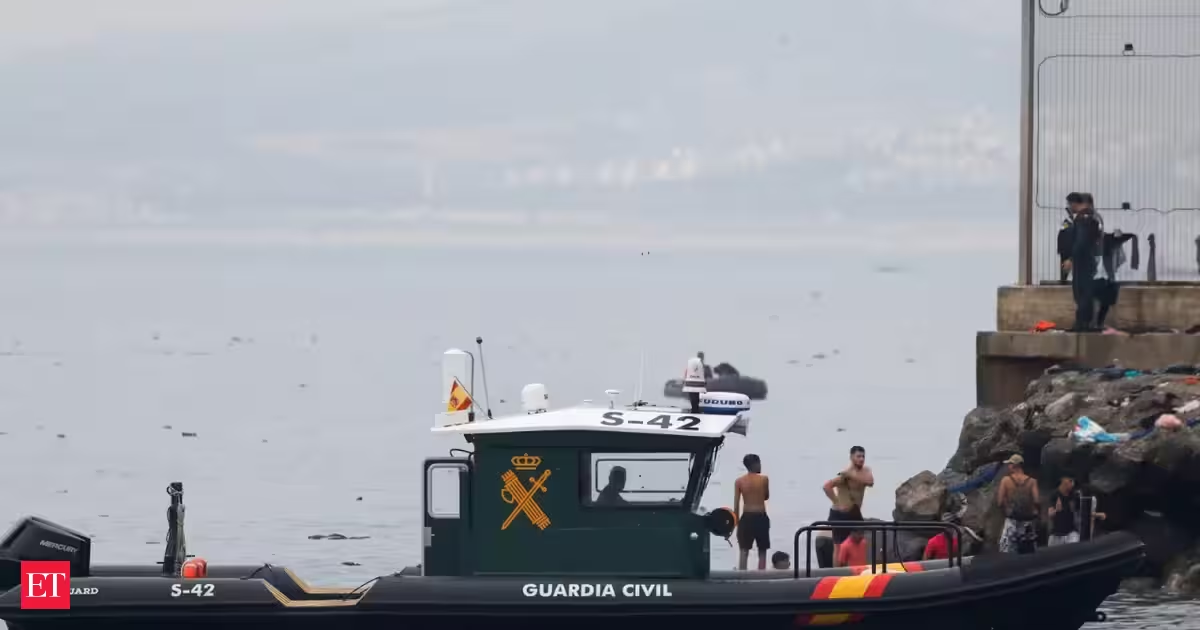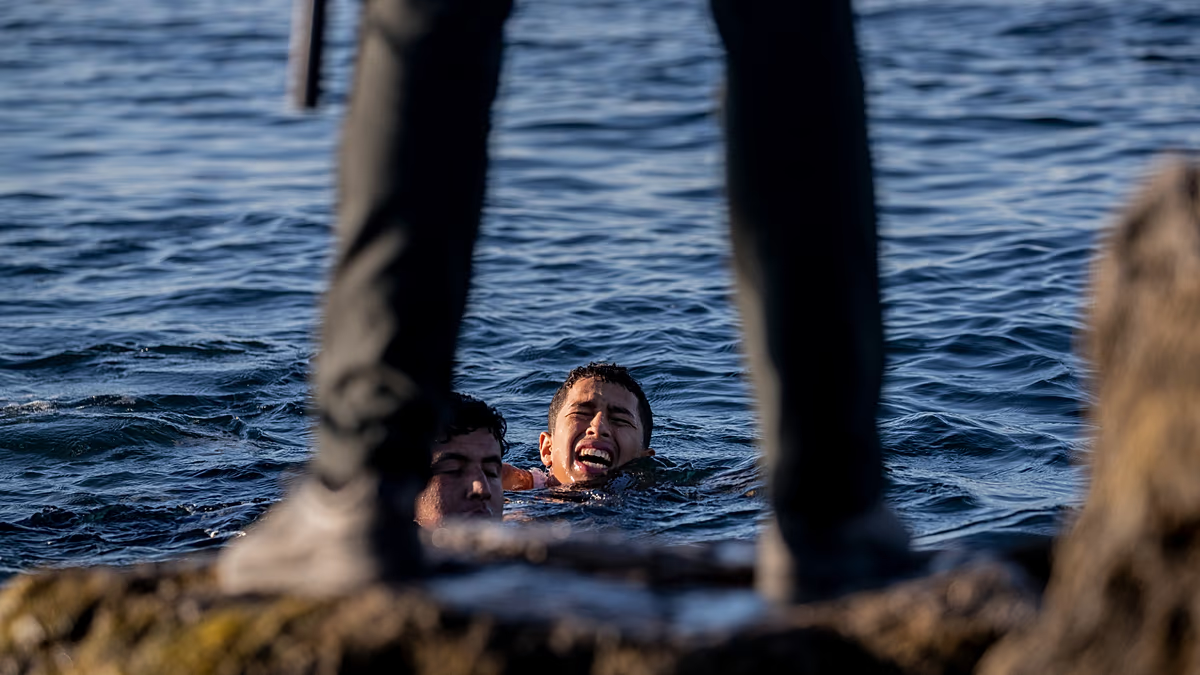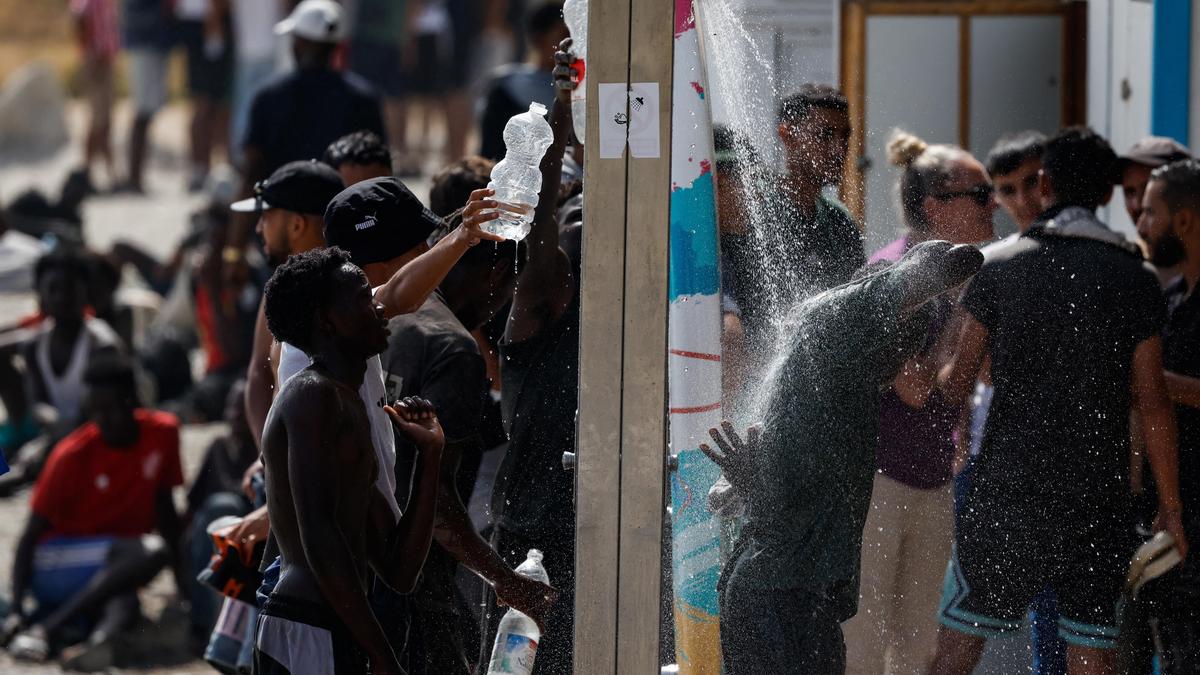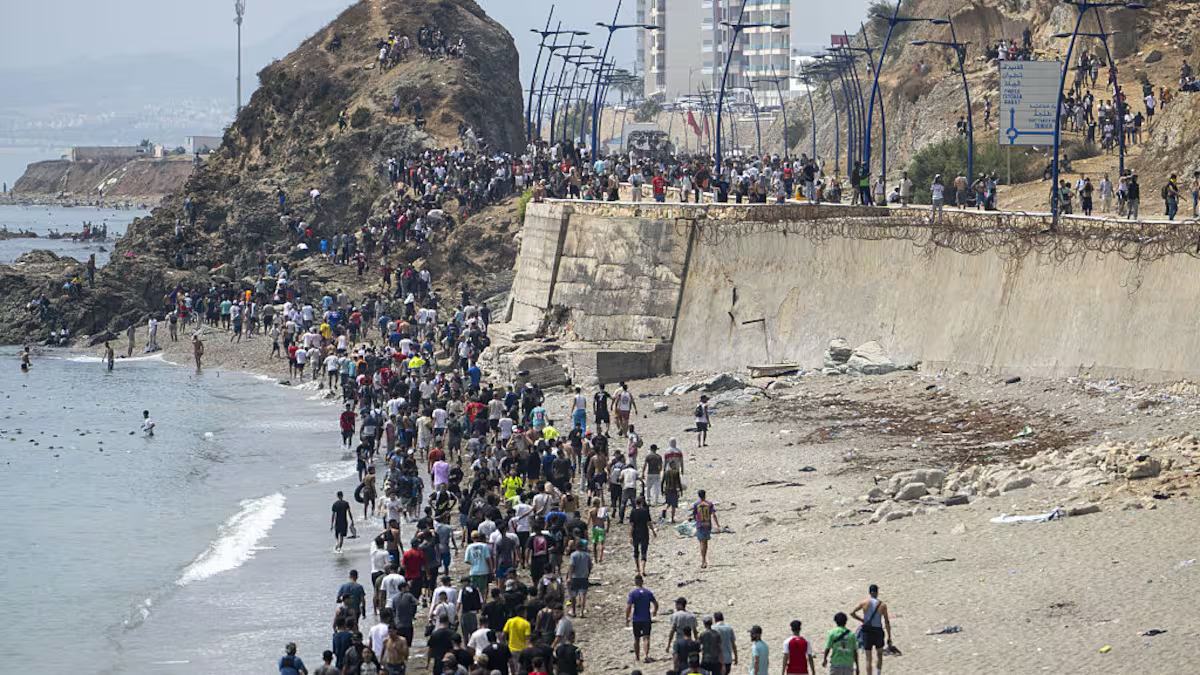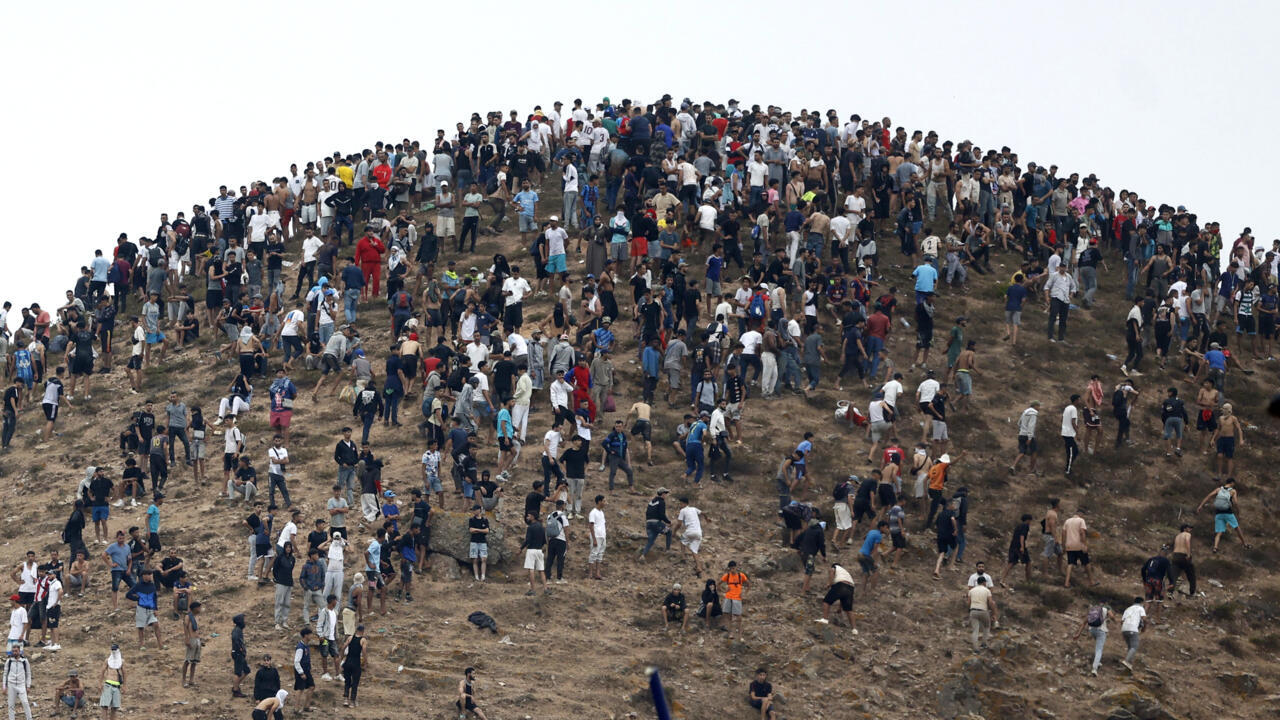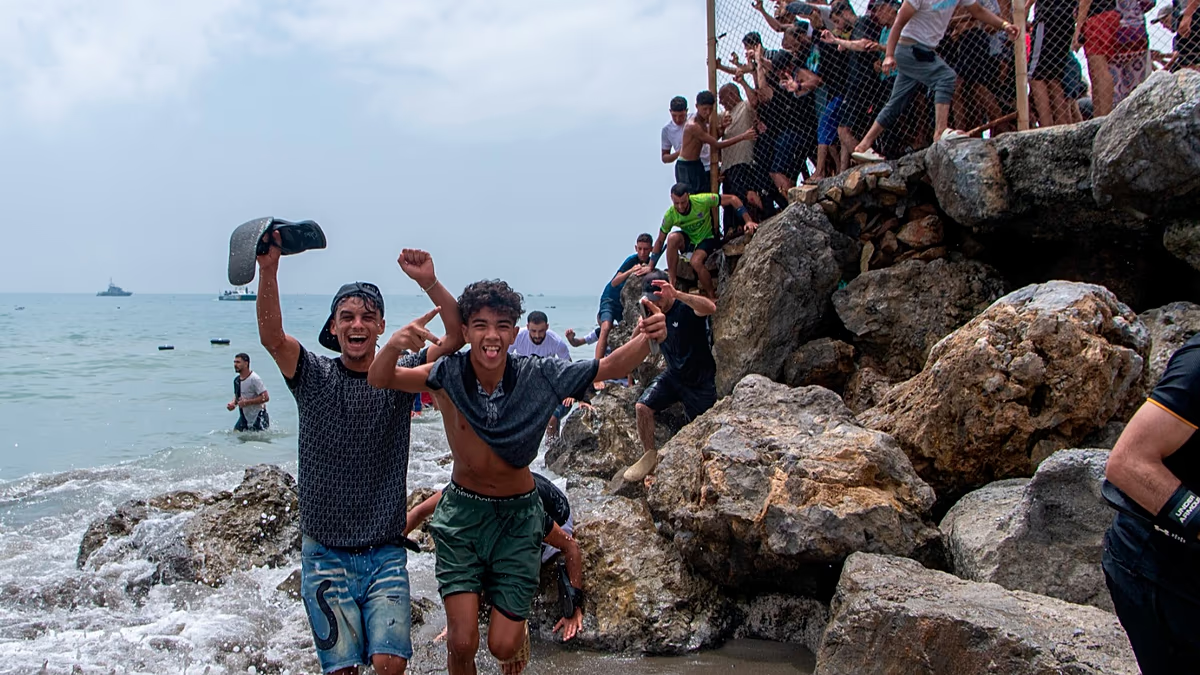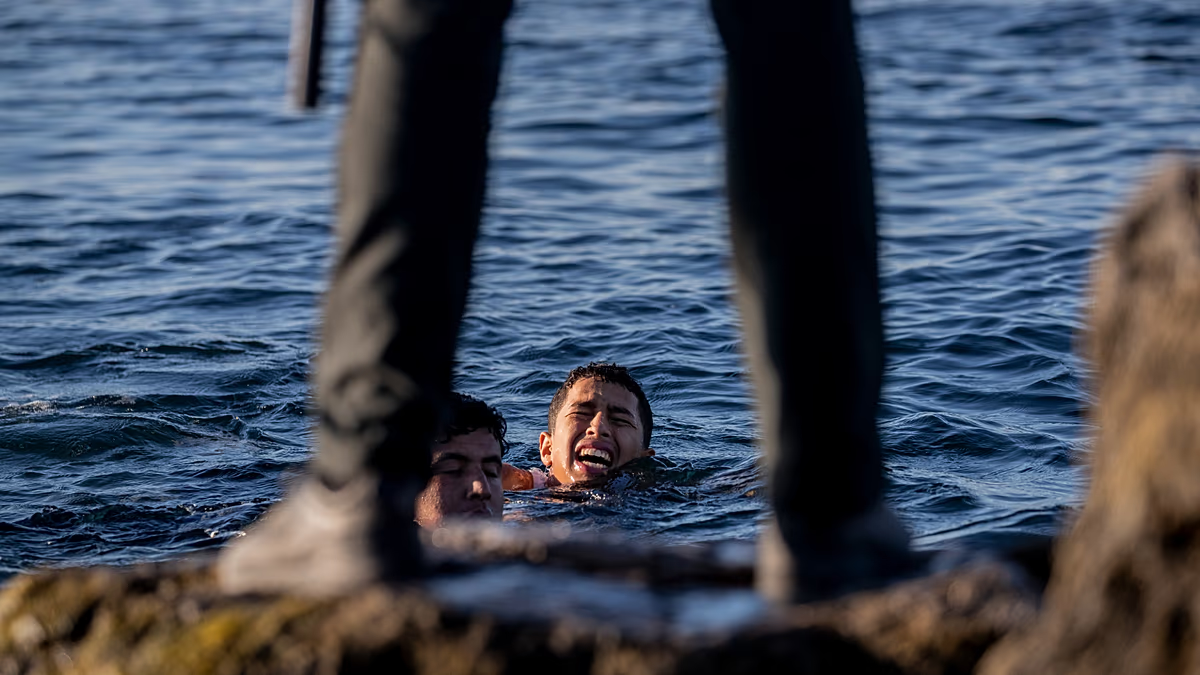
Ceuta has seen its highest number of migrant arrivals in five years. According to Spain's Interior Ministry, around 50,000 people from Morocco, Algeria and sub-Saharan Africa have entered the Spanish enclave since Thursday, most by swimming around the southern breakwater at Tarajal beach. By Friday afternoon, around 48,000 had already returned to Morocco voluntarily.
Behind the bottleneck are two legal issues that have collided at the worst possible moment. The first stems from a case dating back several years, in which an Algerian migrant challenged his summary return to Morocco, arguing that he had entered Ceuta by swimming rather than by breaching the border fence or climbing over razor wire.
Ceuta's court, followed by the High Court of Andalusia and ultimately the Supreme Court, all ruled in his favour, establishing a key legal precedent: migrants who arrive by swimming do not "cross a border containment element", a legal requirement for carrying out summary returns without first opening an individual case file under Spain's Aliens Act. In practice, this means a large proportion of those now crossing at Tarajal cannot be immediately returned under that mechanism.
The second legal development is more recent. On 8 July, the Supreme Court (STS 868/2026) struck down several provisions of the 2024 Aliens Regulation, including one that had weakened the authorities' obligation to provide immediate care to unaccompanied foreign minors found on Spanish territory.