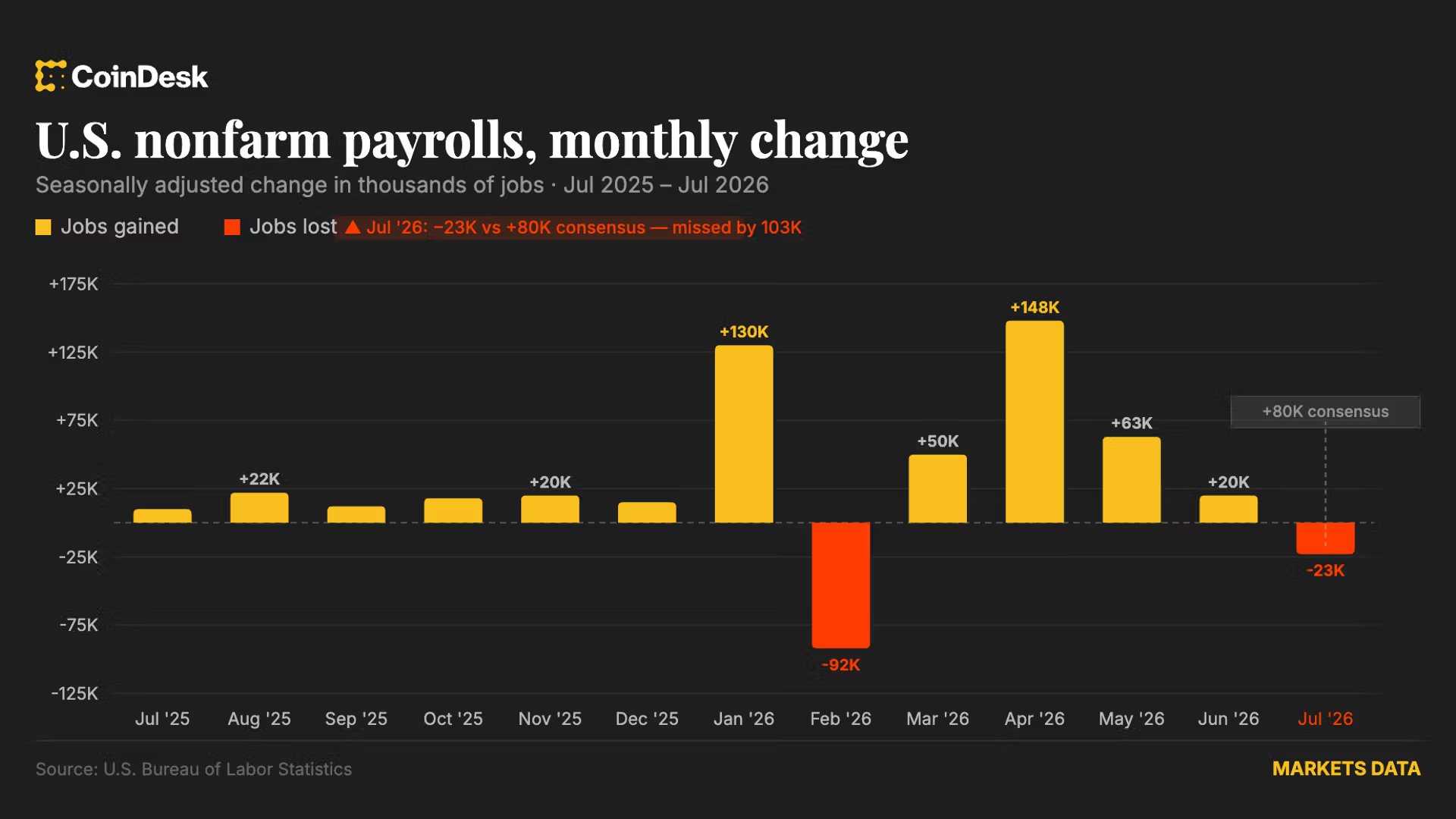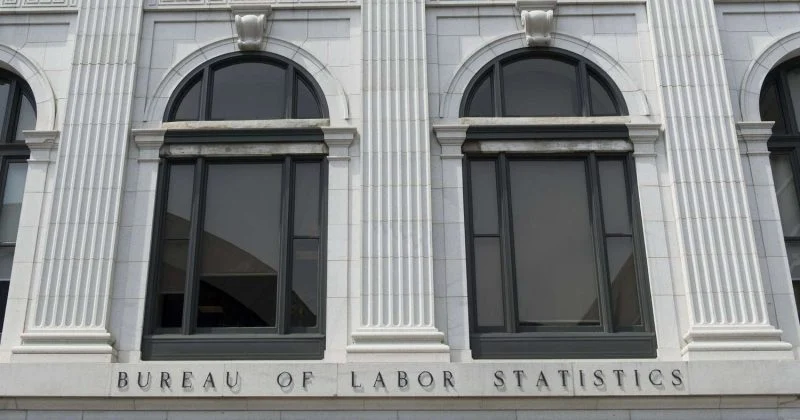
The US labor market just handed economists a number they did not see coming. Nonfarm payrolls fell by 23,000 jobs in July 2026, the Bureau of Labor Statistics reported on August 7, marking the first negative monthly reading since February. Forecasters had penciled in a gain of 80,000 jobs. The gap between expectation and reality was not a rounding error.
The numbers underneath the headline
The top-line figure was bad enough on its own, but the revisions made it worse. The BLS cut a combined 103,000 jobs from its previously reported May and June totals, meaning the labor market was already softer than it appeared heading into July.
The three-month average job gain fell sharply to around 20,000 positions, a level that signals near-stagnation rather than a healthy expansion. For context, the US economy generally needs to add somewhere in the range of 100,000 to 150,000 jobs per month just to absorb new workers entering the labor force at a normal pace.
The unemployment rate did tick down, landing at 4.1%. That sounds like good news until you look at why it fell. Some 264,000 people exited the labor force entirely in July, which mechanically reduces the pool of workers counted as unemployed. The labor-force participation rate dropped to 61.4%, the lowest reading in nearly five and a half years, putting it back near levels last seen in early 2021 when the economy was still emerging from pandemic disruptions.