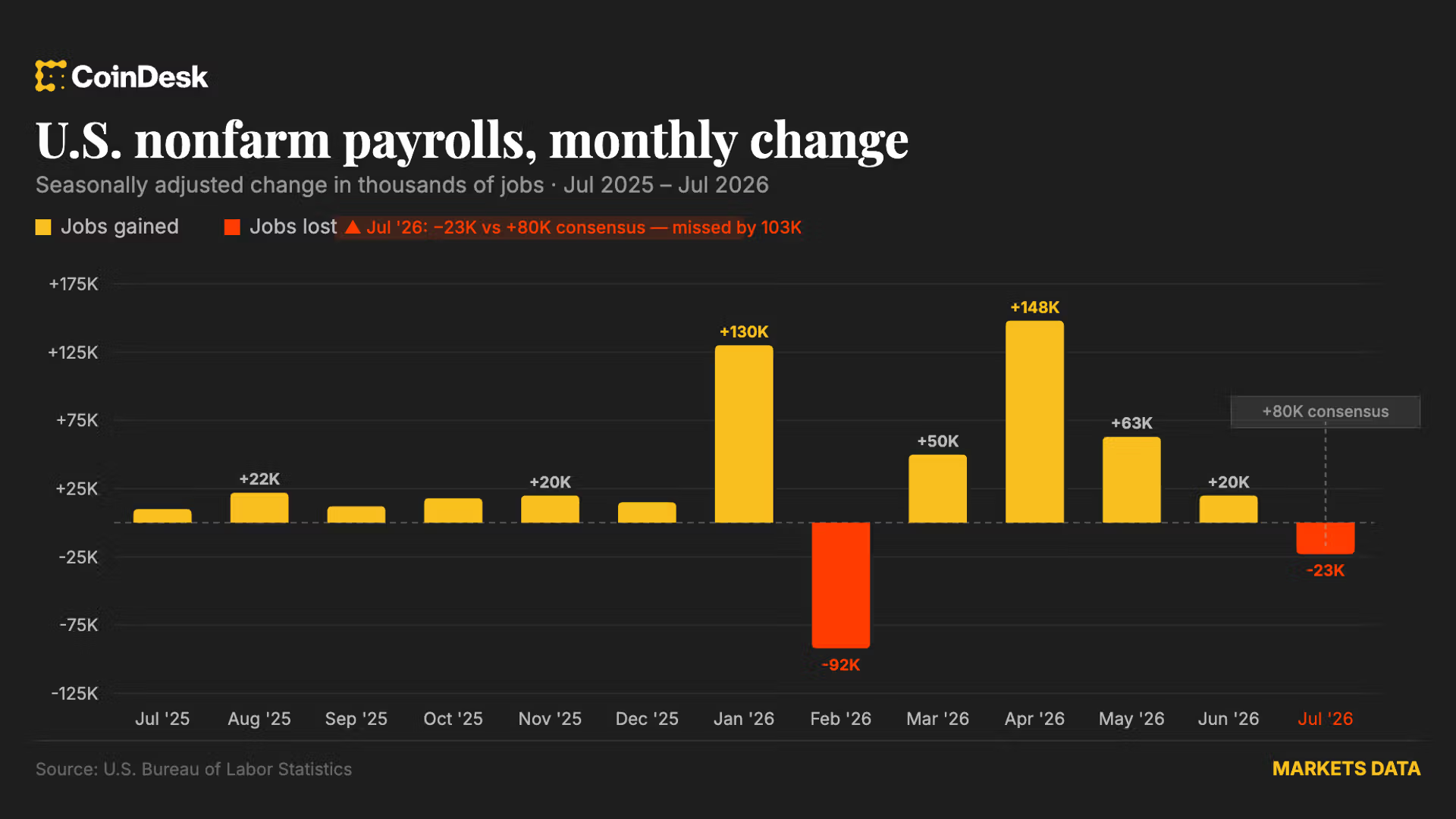
The US economy added just 57,000 jobs in June, roughly half of the 115,000 that economists had penciled in. That kind of miss doesn’t just raise eyebrows. It rewrites the playbook for anyone betting on what the Federal Reserve does next.
The Bureau of Labor Statistics released its Employment Situation report on July 2, and the numbers painted a picture of a labor market losing momentum. May’s figures were also revised downward to 129,000 nonfarm payrolls, meaning the slowdown isn’t a one-month blip.
The numbers behind the narrative
The unemployment rate technically improved, ticking down to 4.2% from 4.3% in May. The labor force participation rate dropped by 0.3 percentage points to 61.5%. That means the unemployment rate fell partly because fewer people were actively looking for work, not because more people found jobs.
The federal funds rate currently sits at a target range of 3.5% to 3.75%, where it has remained since earlier this year. The Fed had been in a holding pattern, watching for signals strong enough to justify another move in either direction.