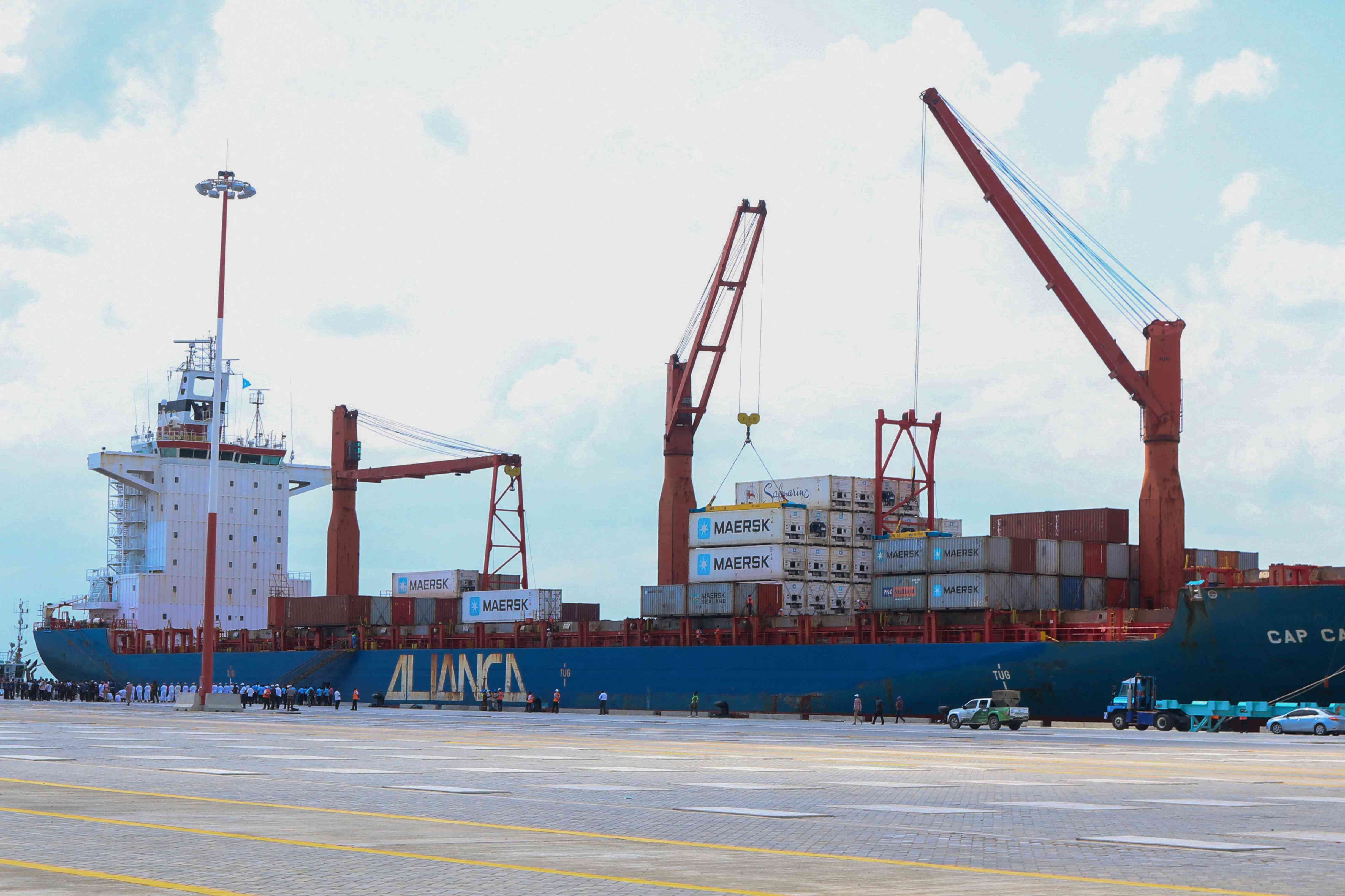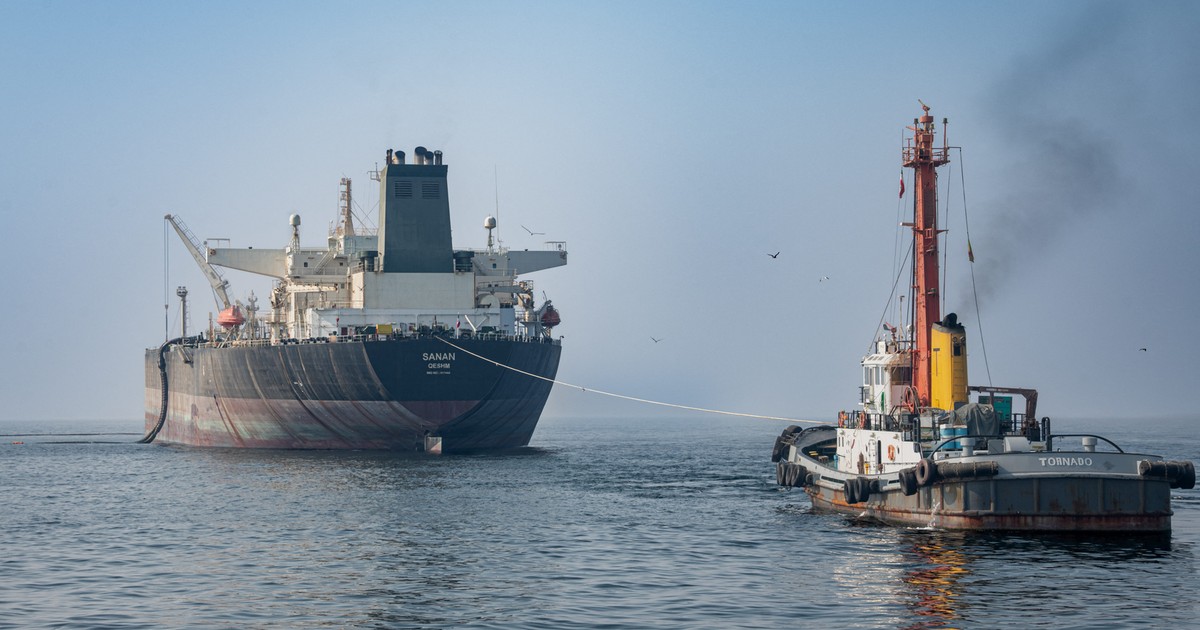
The prolonged disruption of shipping through the Strait of Hormuz has exposed how vulnerable Africa’s economies are to geopolitical shocks. Fuel prices have remained elevated, squeezing economies that depend heavily on petroleum imports from the Middle East. These include Ethiopia, Kenya, Mozambique, South Africa, Tanzania and Uganda.
This vulnerability also puts at risk the continent’s push to escape poverty through what economists call structural transformation: moving workers from low-productivity activities such as subsistence farming into more productive jobs in manufacturing and modern services.
The continent never fully participated in the export-manufacturing wave that transformed East Asia from the 1960s onward. And now Africa’s industrialisation ambitions have become even more difficult to realise as geopolitical rivalry, fragmented supply chains and artificial intelligence reshape the global economy.
As an economist who has written about how weaponisation of global trade affects African economies, I believe structural transformation still matters. But it must be reinvented around four priorities:
larger markets