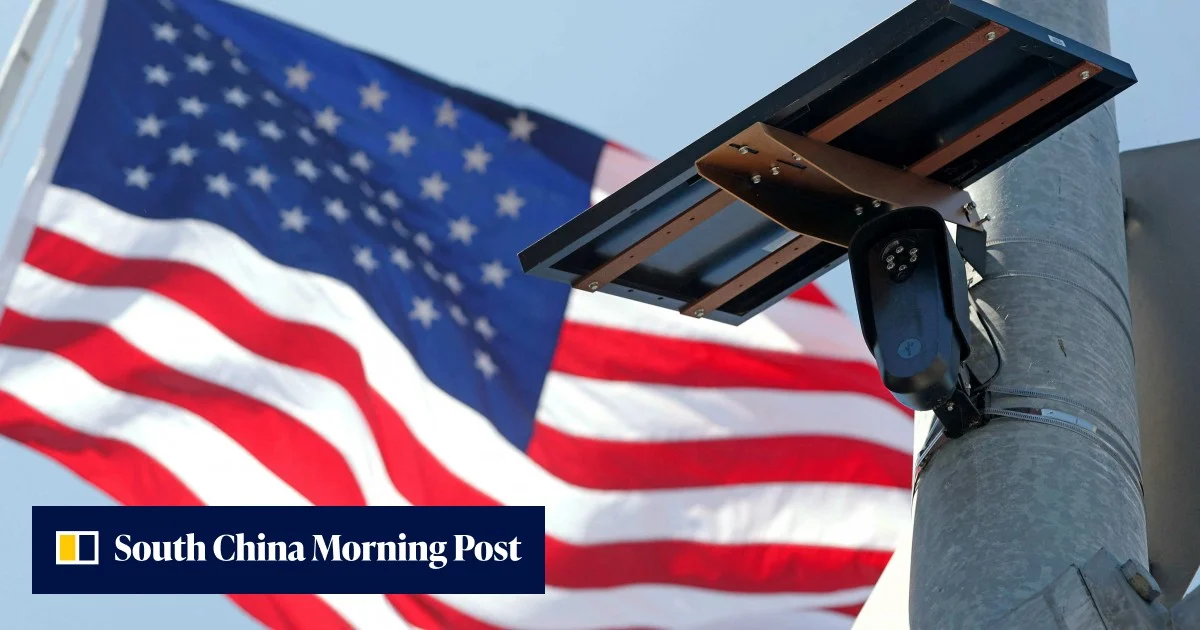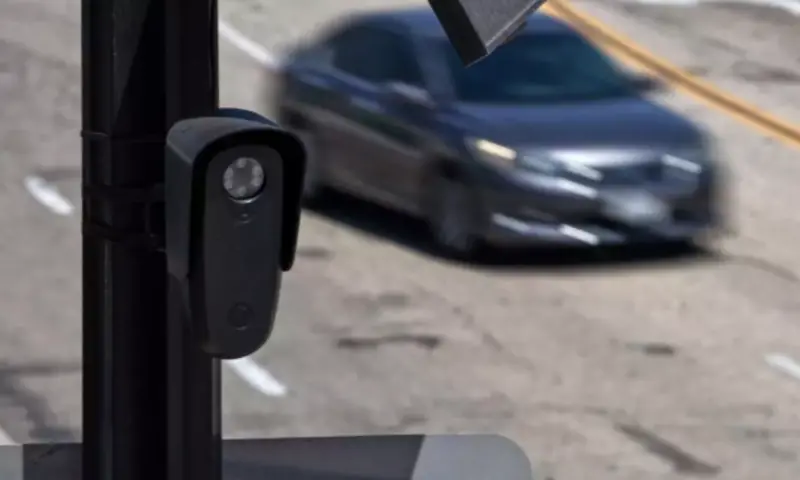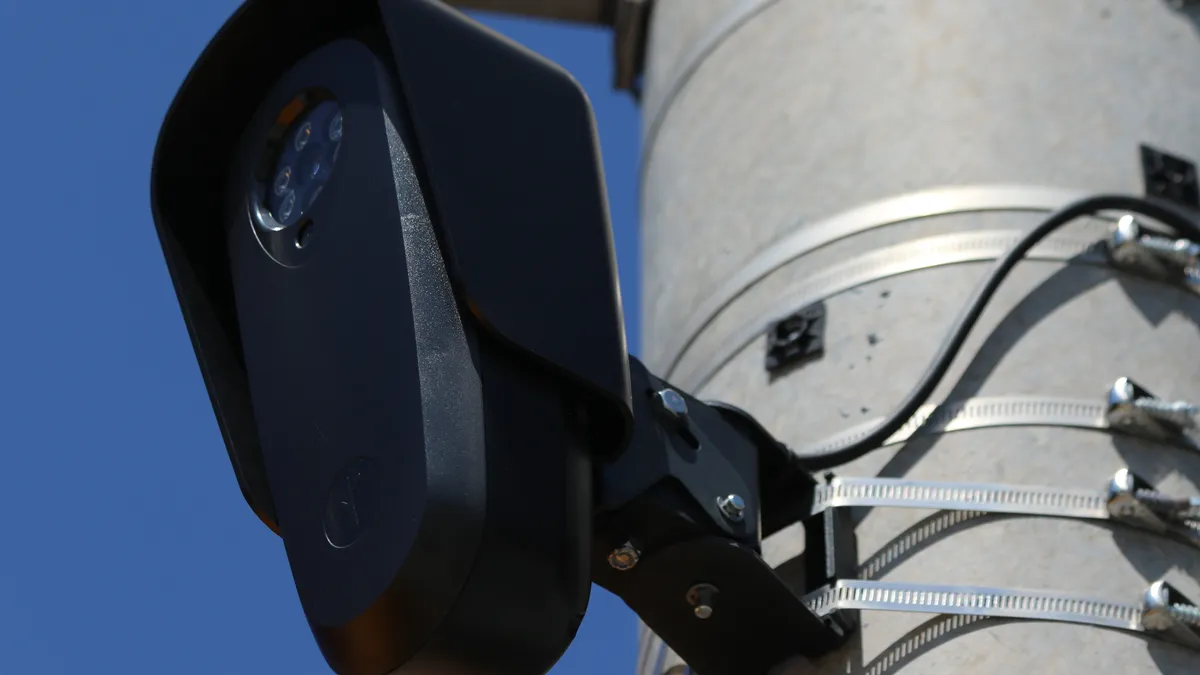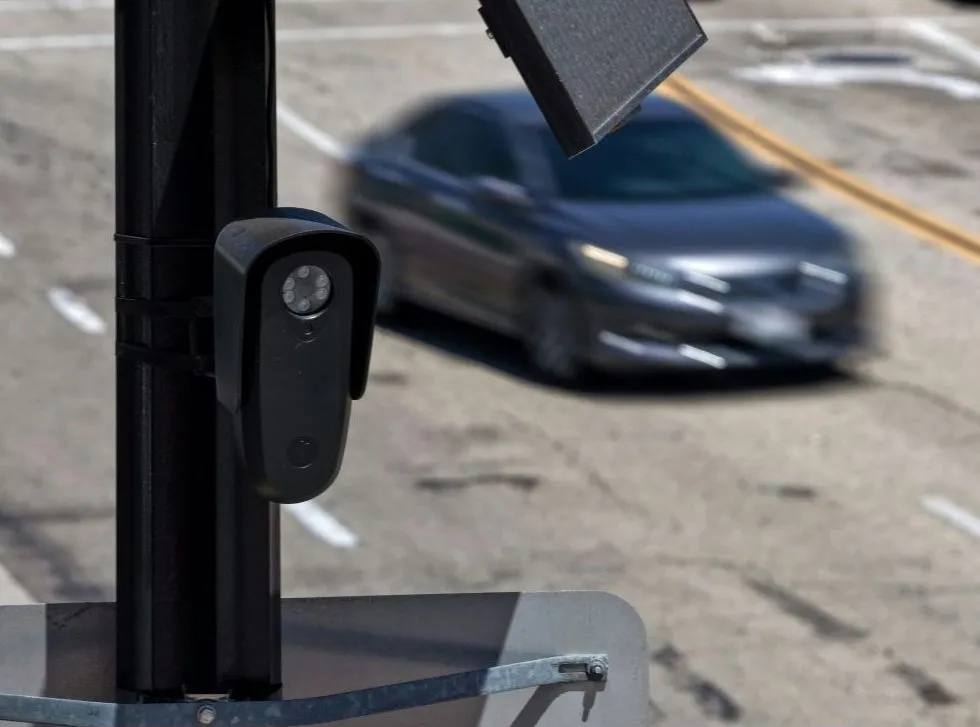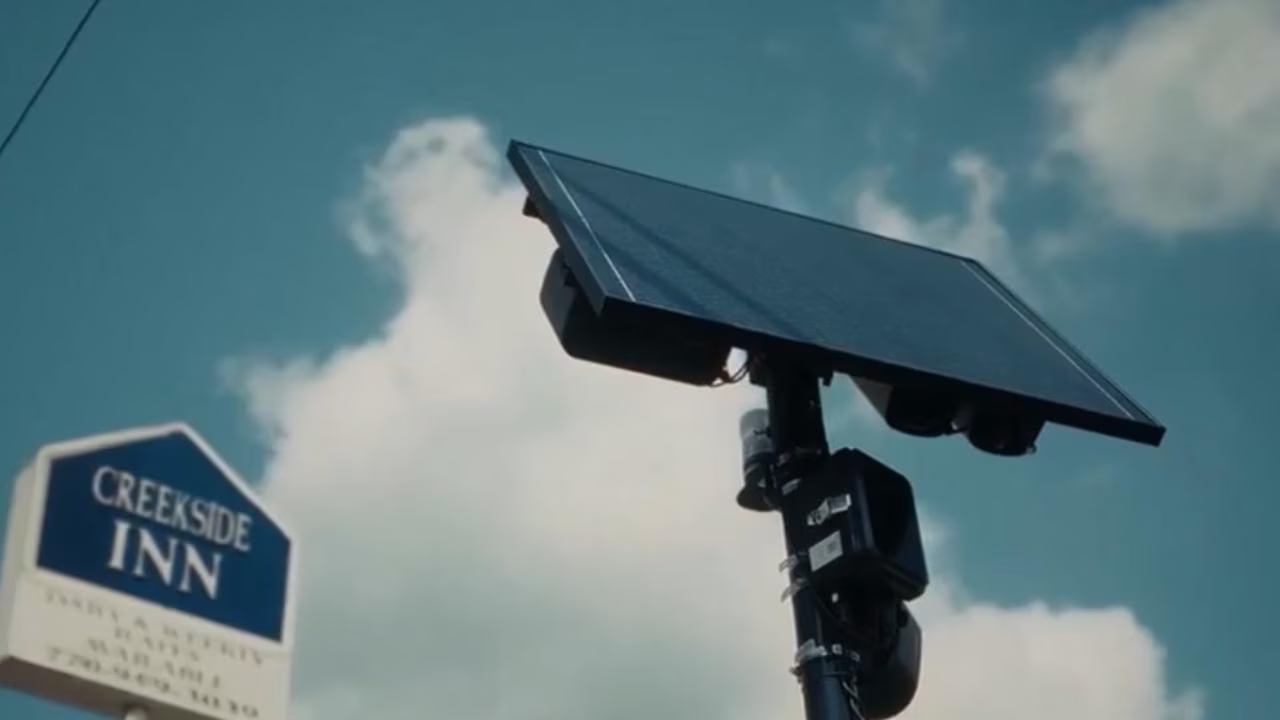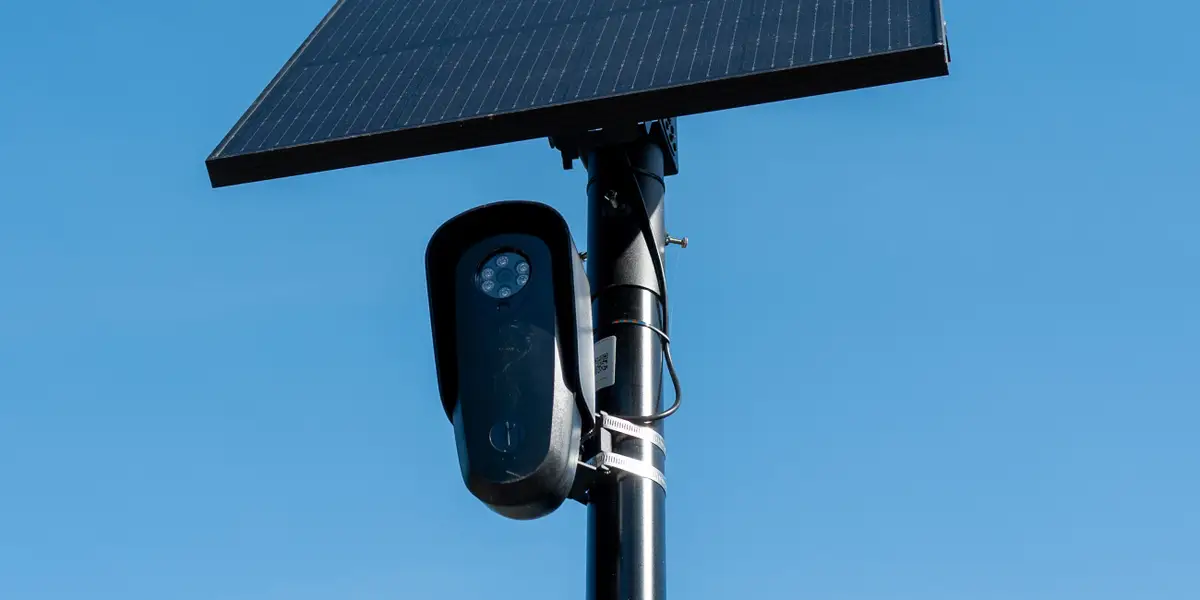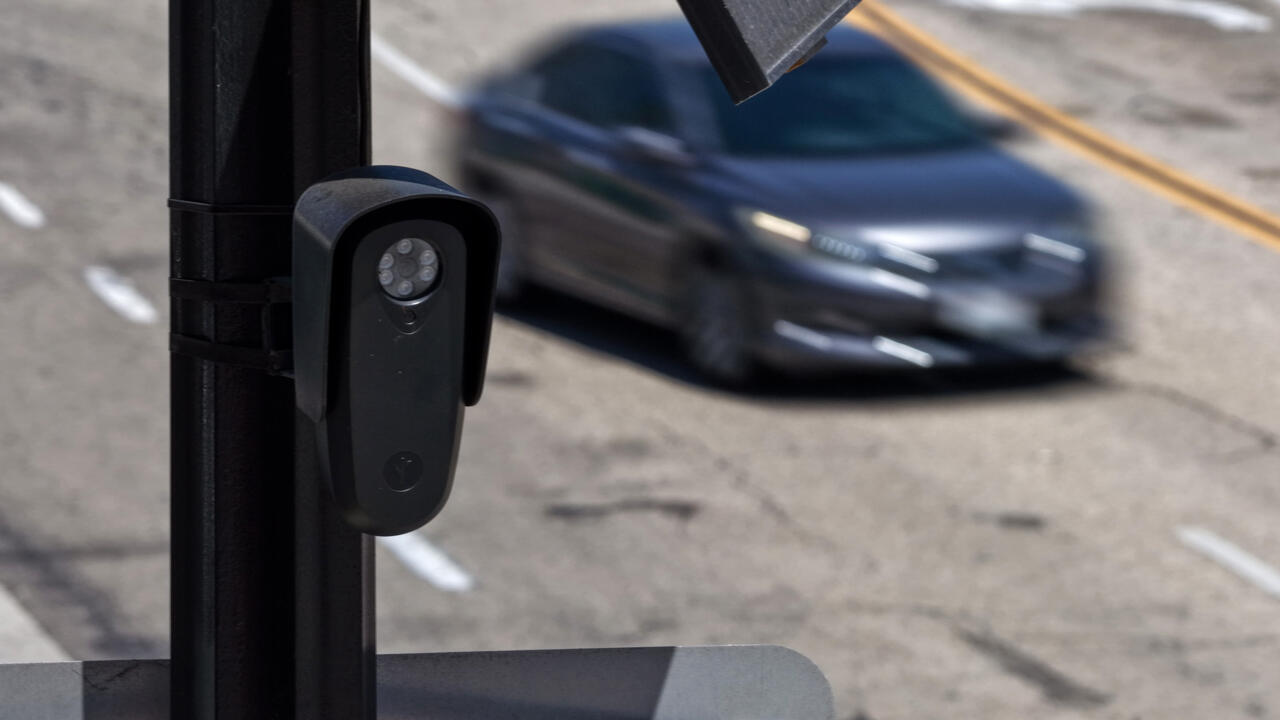
But a grassroots movement upset over privacy concerns is fighting back -- even going so far as systematically vandalizing the equipment.The first time he decided to trash one of the cameras, a self-styled vigilante wearing all black and known as Nomark says he was "super nervous."Now, after disabling about 30 of the devices near his home in the Minneapolis area, he told AFP: "I'm not really as scared anymore."Flock cameras are installed by police departments, homeowners' associations and businesses, ostensibly to catch criminals in the act. Data is uploaded to Flock's cloud and can be shared with subscribers.But opponents are outraged at what they say is a dangerous tool that can be used to infringe on American privacy and civil liberties.At just 20 years old, Nomark offers his 500,000 Instagram followers a how-to guide for rendering the cameras useless, raising awareness about the devices.His detractors point out -- correctly -- that his actions are illegal, but like-minded individuals have followed suit nationwide over the past few weeks.Instead of being dismissed as a radical fringe outfit, the anti-Flock movement is taking hold.Its proponents have been active online for months, creating crowdsourced maps of cameras, sharing ways to block their lenses, and hailing the "heroes" who are arrested for destroying them.The Facebook group DeFlock America has more than 600,000 members, and is gaining thousands more by the day. Massive databaseFlock cameras differ from traditional surveillance cameras in that they do not record video footage.Instead they take still images of vehicles, capturing the make, model, color, license plate data and other distinguishing features such as bumper stickers.And unlike classic surveillance cameras, which are not networked, this data is stored for up to a month and shareable, sometimes across state lines. Opponents say this gives police an overwhelming look into the private lives of law-abiding Americans. Jon Bridges, a police official in Virginia's state capital Richmond, says that for "practically any crime that has a connection with a vehicle or a vehicle involved, we will at least query the database to see if there's anything there."His department has used Flock since 2023.Bridges gave an example of how useful the technology can be: during the investigation of a domestic-related double homicide in May, police quickly identified a suspect who fled the scene in his pick-up truck.Detectives retrieved his license plate data and entered an alert in Flock's system. When he appeared on another camera, officers in a neighboring county arrested him.- Potential abuses -
Angers mounts in US over vast network of car license plate cams
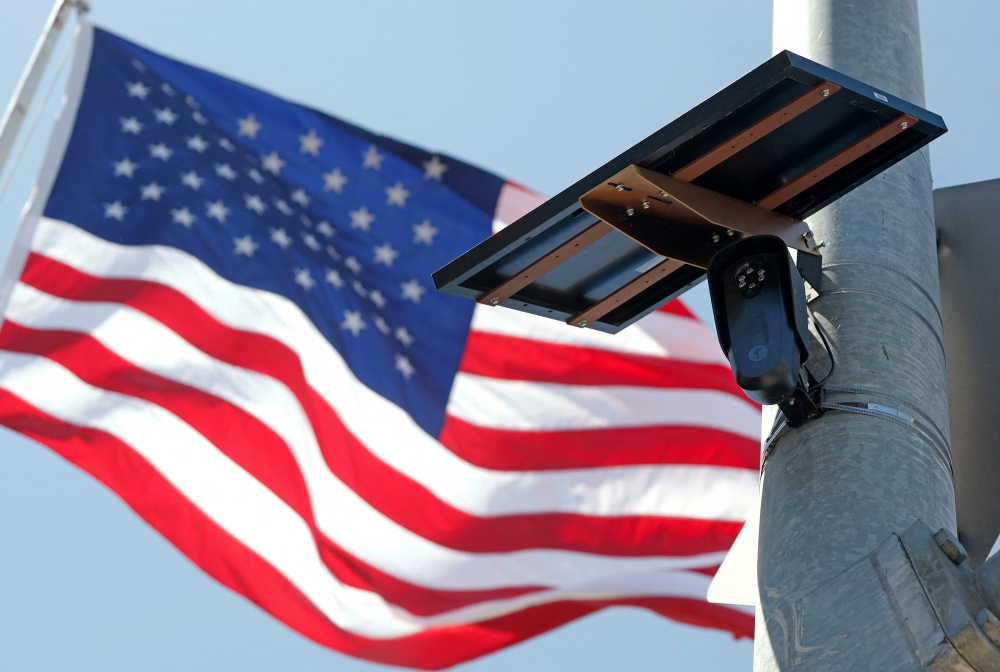
In only a few years, the surveillance start-up Flock has installed more than 100,000 license plate reader cameras across the United States.
710 words~3 min read