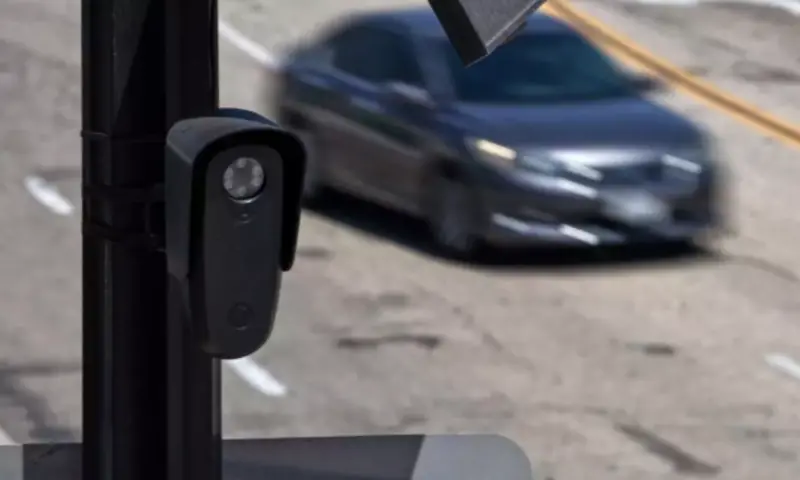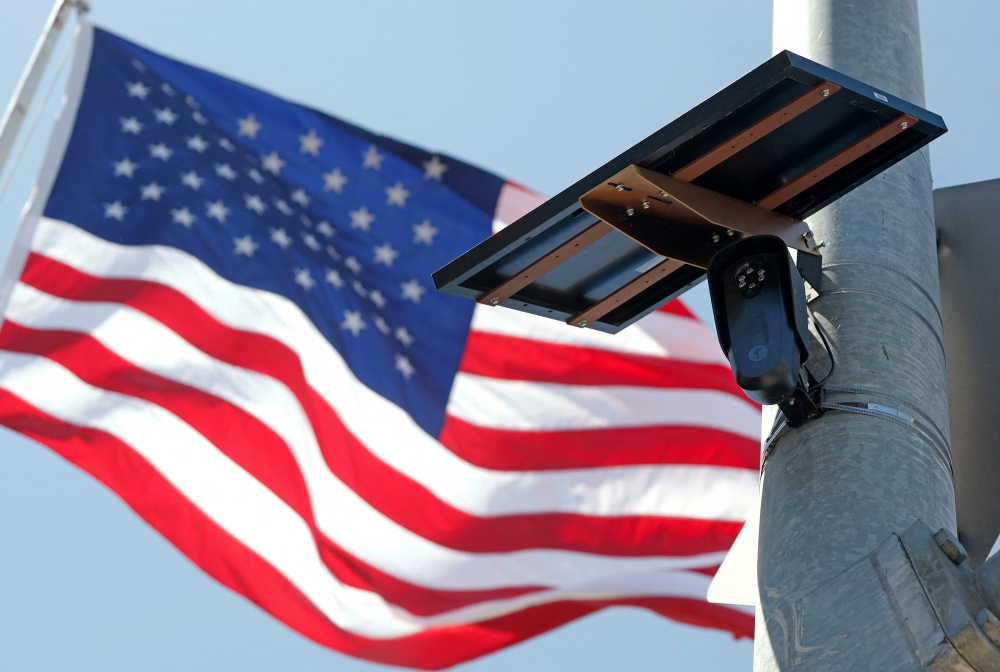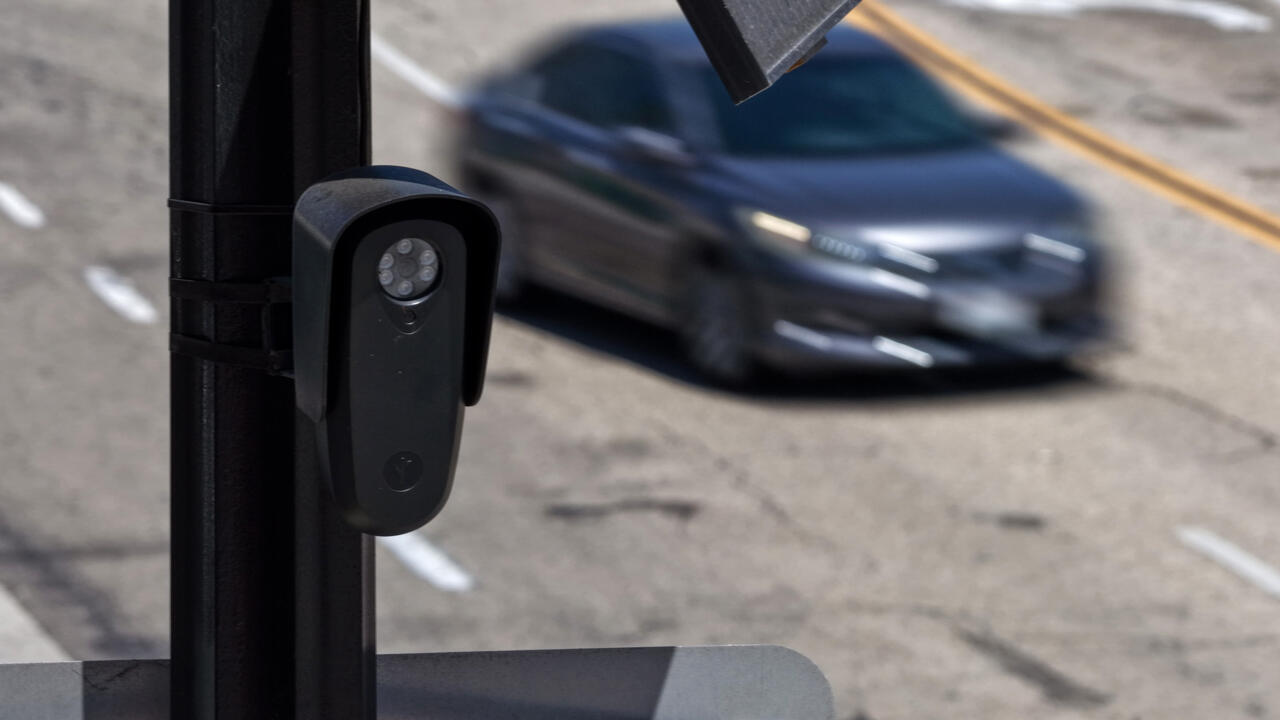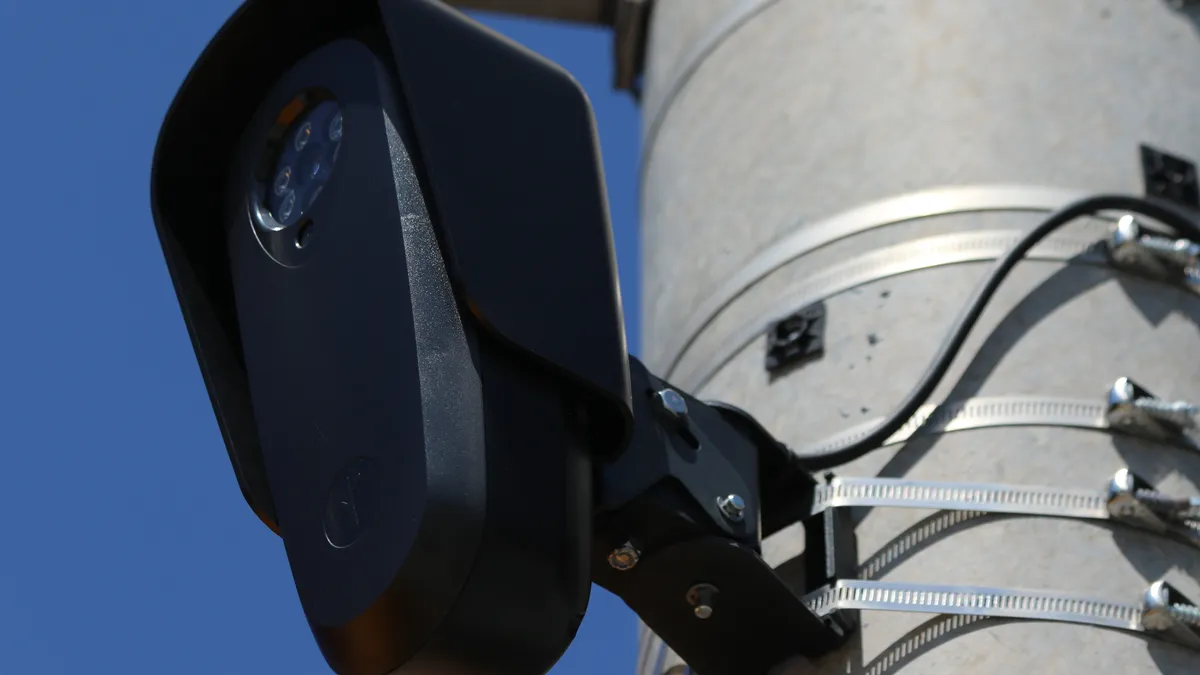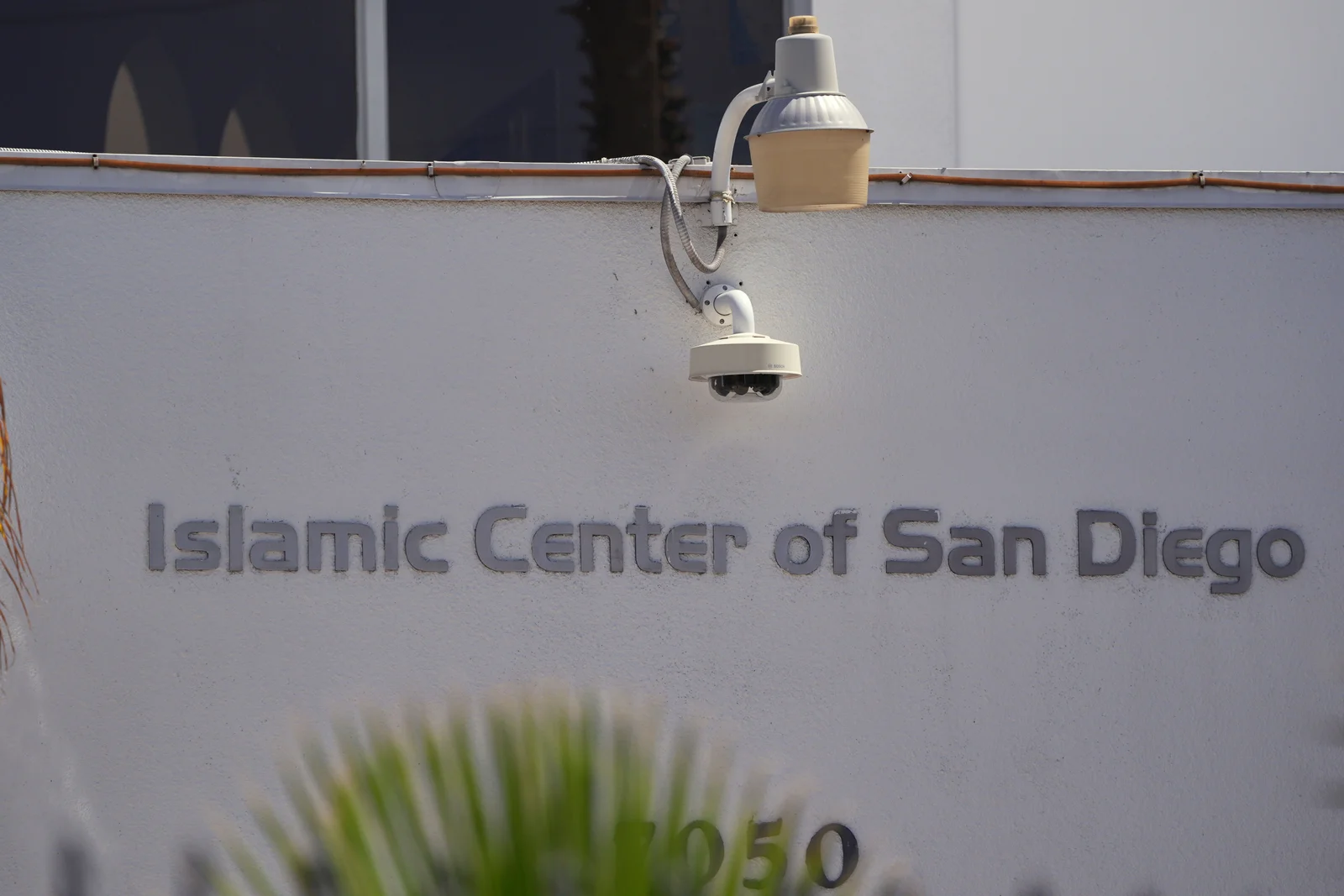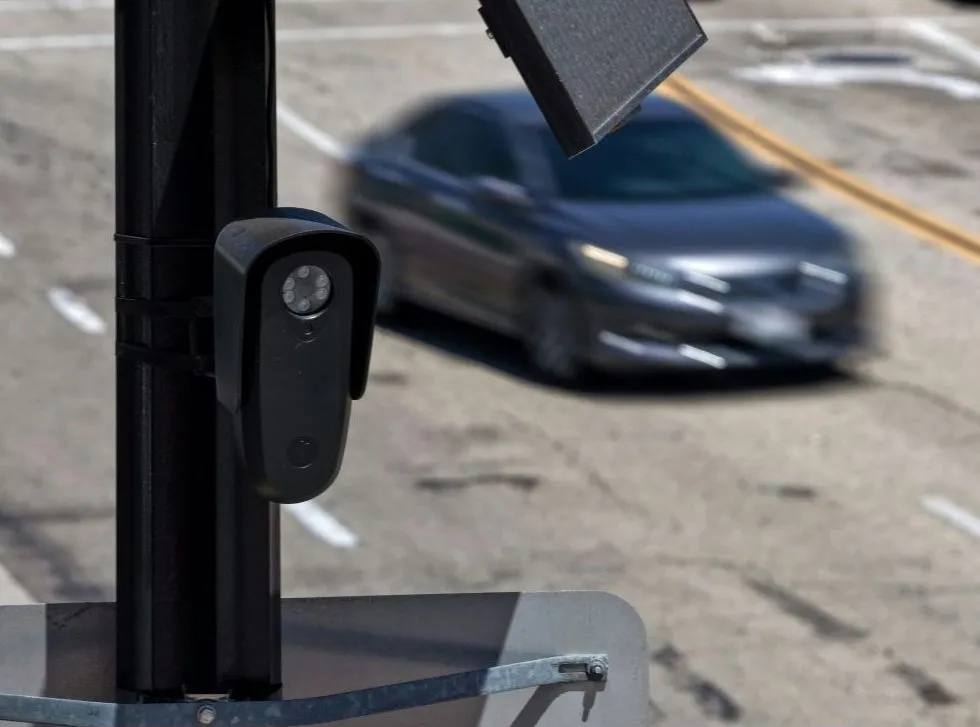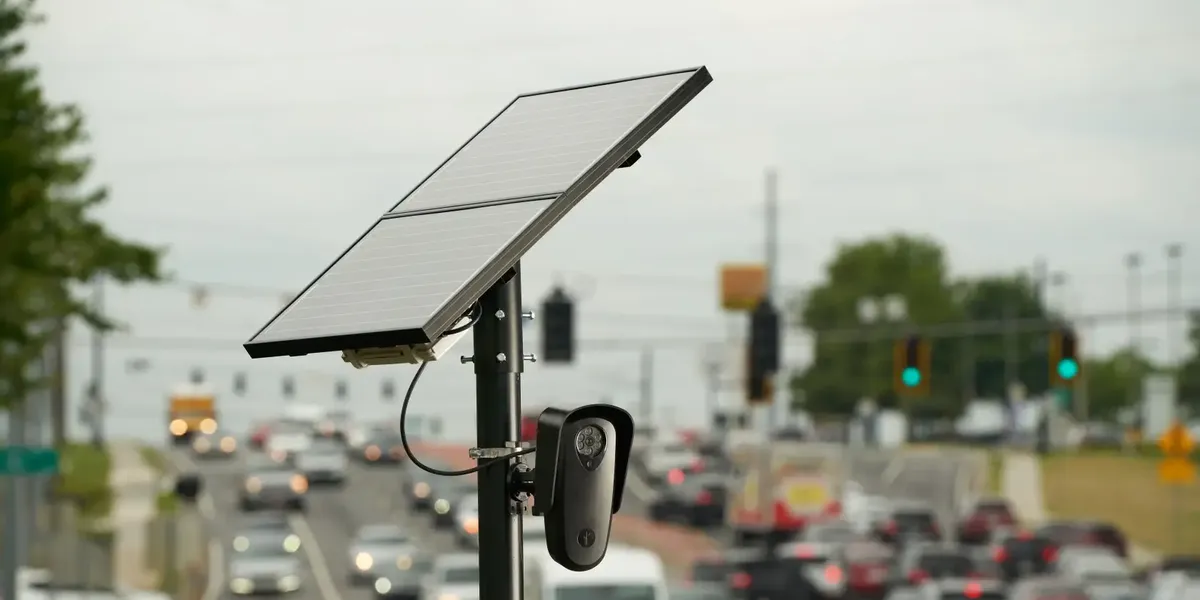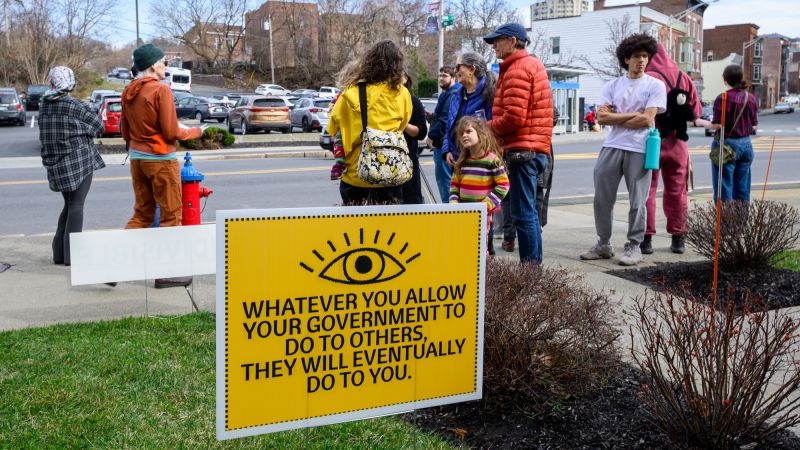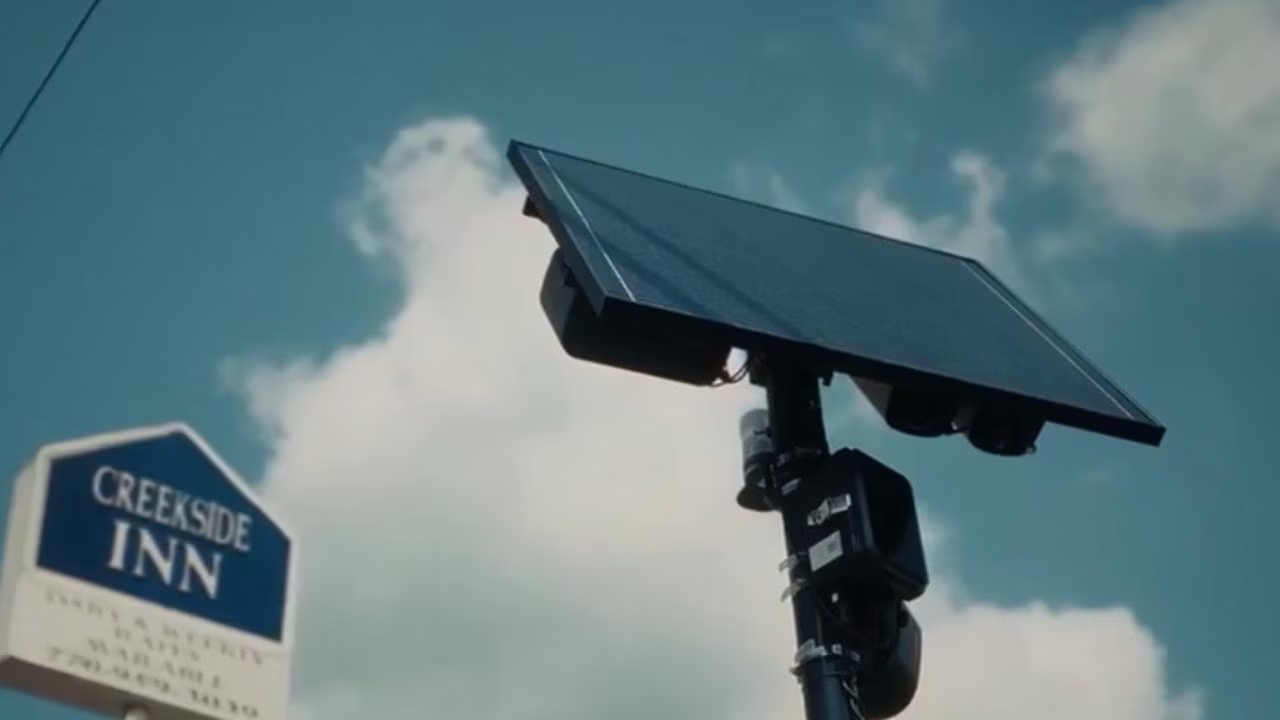
A fast-growing US network designed to help police catch criminals has become the target of organised backlash.Videos are emerging of locals scaling power poles to rip down automated licence plate reader cameras, as online activist movements begin to recruit people to map out the country’s latest influx of public surveillance technology.Flock Safety has come under scrutiny after quickly installing tens of thousands of cutting edge cameras across the US, building a network capable of logging where vehicles travel and allowing participating law enforcement agencies to comb through the data.The cameras are marketed as a crime-fighting tool, but have now become a flashpoint in a far bigger argument over how much ordinary Americans should accept in exchange for safety. That fight is now beginning to spill out onto the streets.A 20-year-old Minneapolis-area activist known online as Nomark told AFP he had disabled about 30 cameras and now shares anti-Flock material with a large social media following.“I’m not really as scared anymore,” he said.Flock cameras are installed by police departments, homeowners’ associations and businesses, ostensibly to catch criminals in the act. Data is uploaded to Flock’s cloud and can be shared with subscribers.His actions are illegal, and Flock has strongly condemned vandalism.But the broader resistance can no longer be dismissed as a tiny anti-government fringe.The American Civil Liberties Union (ACLU) said in June that more than 55 localities had ended contracts with Flock in the previous year alone, while cities and police departments around the country have paused or abandoned deployments amid privacy concerns. Los Angeles police also suspended their use of the system last month following an inspector-general review.The issue is clearly generating a lot of attention on both sides of politics in the US.Civil-liberties groups on the left have spent years warning about automated plate readers, while libertarians and conservative figures have increasingly joined the pushback.Former Fox News host Tucker Carlson has attempted to rally his viewers against the development, describing people resisting the system as “sober, decent, patriotic Americans” and argued the technology represents something much bigger than ordinary crime prevention. Flock’s licence plate readers are not conventional CCTV cameras recording continuous video. They capture images of passing vehicles and can identify features including licence plates, make, model and colour. The resulting information can then be searched by authorised users. Flock says its default retention period is 30 days, that data is encrypted, that customers control their own information and that every search is logged. It also says agencies choose whether to share information with a wider network. The company rejects the suggestion that this amounts to indiscriminate mass surveillance.It says the system is “built for cases, not for watching people” and argues local police need modern tools to investigate crime efficiently. There are obvious examples of why police like it.Jon Bridges, a police official in Virginia’s capital Richmond, told AFP that for “practically any crime that has a connection with a vehicle or a vehicle involved, we will at least query the database to see if there’s anything there”.His department said Flock helped officers locate a suspect after a domestic-related double homicide by detecting his vehicle in a neighbouring jurisdiction.Activists worry about the sheer capabilities of such advanced, encompassing technology and the effect it could have on the balance of power. The concern that is that a network capable of finding a murder suspect can theoretically also be used to find almost anybody else.A major Washington Post investigation published this month found at least 50 law enforcement officers had been charged with or accused of misusing licence plate reader systems – including Flock – frequently to monitor romantic partners or former partners. Civil-liberties groups have documented other uses far removed from serious violent crime.The Electronic Frontier Foundation said an analysis of millions of Flock searches found agencies using the system for matters including school residency checks, background checks, noise complaints and protest activity.The open-source DeFlock project has meanwhile created a public map of licence plate readers across the country.Flock previously sent the project’s creator a cease-and-desist letter alleging trademark dilution. The Electronic Frontier Foundation, which represented the creator, rejected the demand and argued the mapping project was protected speech.In Australia, police forces and councils already use automatic number plate recognition cameras to identify stolen cars, wanted people and other vehicles of interest.Western Australia in particular has a network capable of feeding information directly to police. Victoria Police has also flagged increased use of Automatic Number Plate Recognition (ANPR) technology as part of its road-safety strategy.The technology has not yet produced anything approaching America’s Flock backlash, although Australian authorities are already confronting wider questions about AI-powered roadside cameras, data collection and privacy. A Queensland audit last year raised concerns about privacy and inadequate human oversight in the state’s use of AI camera systems to detect traffic offences. There is no public indication that Flock has announced an Australian launch, but the company is clearly thinking internationally. In May, chief executive Garrett Langley pointed to Australia’s unusually concentrated policing structure, just eight police forces — while discussing the scale of potential markets outside the US. – with AFP
Wild footage as US rages over AI cameras
A fast-growing US network designed to help police catch criminals has become the target of organised backlash.
848 words~4 min read