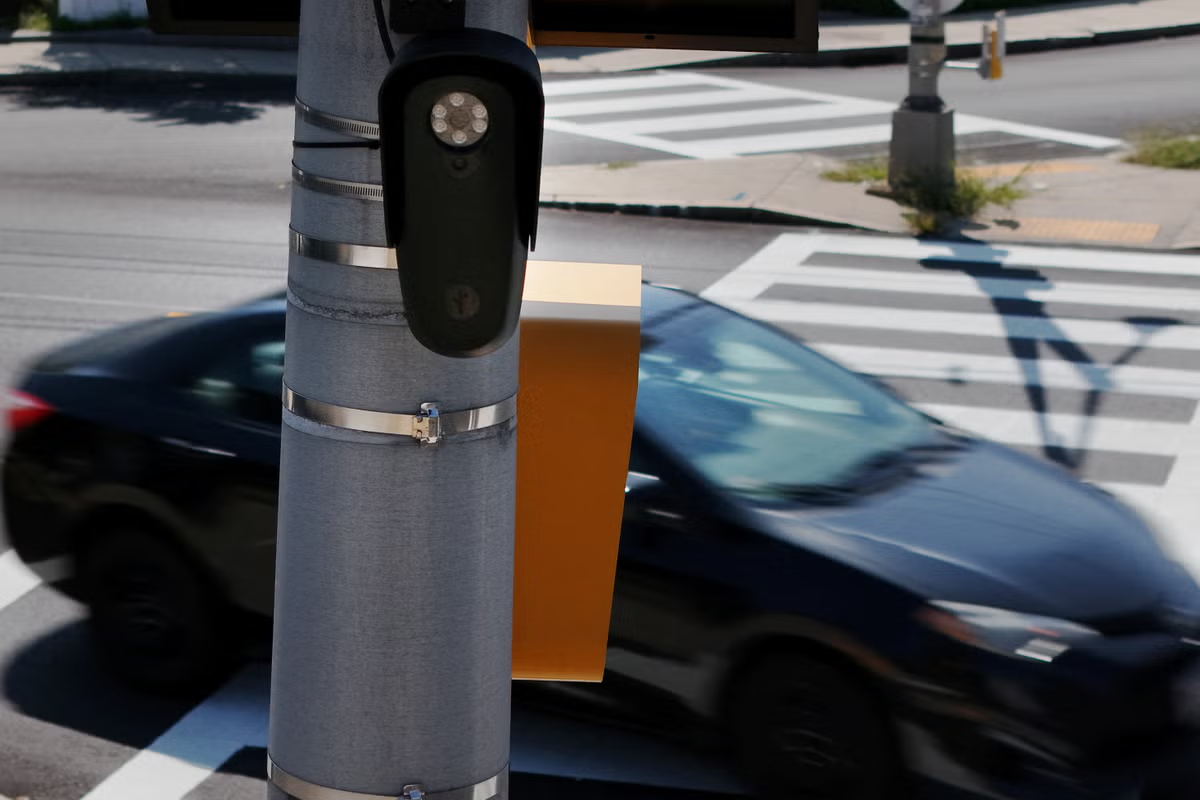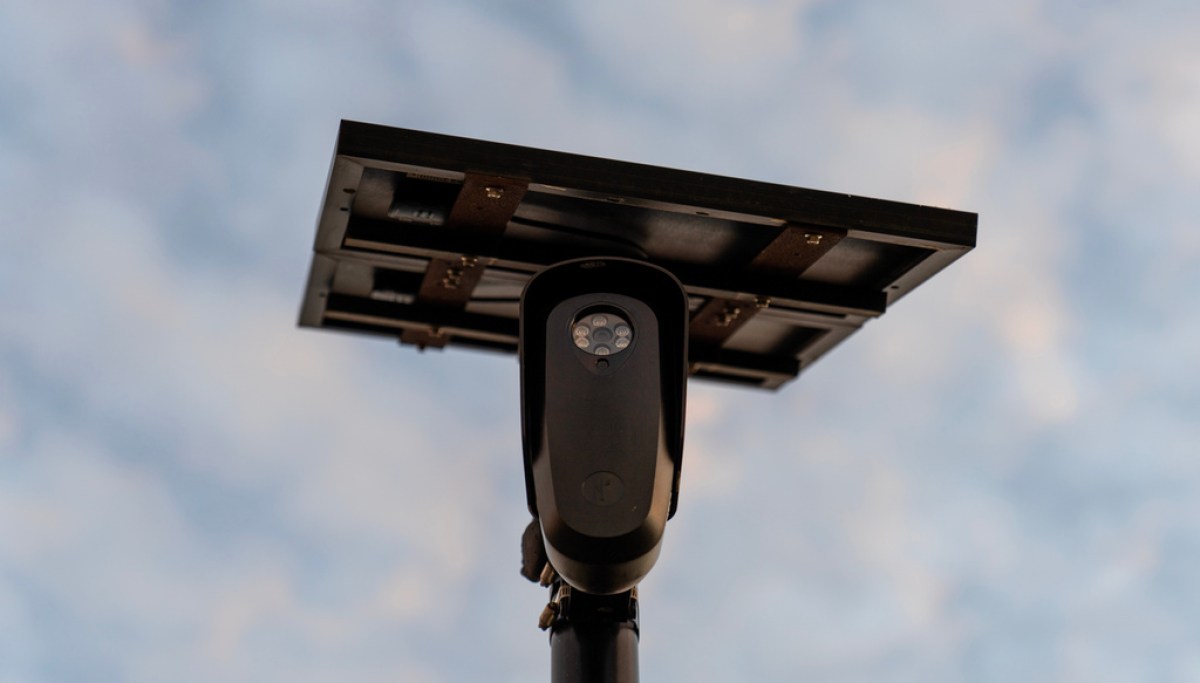
Flock's cameras record vehicle details such as make, model, color, and any damage, which police can use as search terms when pursuing a crime lead.
Bloomberg/Getty Images
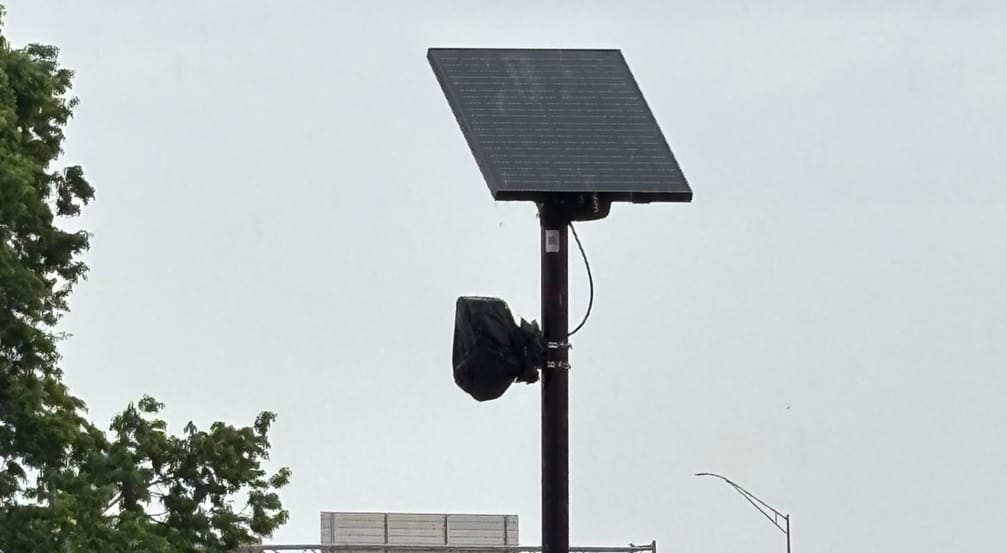
In Dayton, Ohio, city workers recently climbed ladders and pulled trash bags over license plate readers installed years earlier.The security cameras weren't broken. They weren't being removed, either.The black plastic bags have become the latest symbol of a growing conflict with Flock Safety, the Atlanta-based company whose automated license plate readers have spread rapidly across the US and sparked mounting backlash from some residents, local officials, and privacy advocates.The conflict in Dayton stemmed from an internal police department review that found, as City Manager Shelley Dickstein described in a May 1 press conference, "egregious violations" of city policy, including thousands of immigration-related search requests from various law enforcement agencies, the Dayton Daily News reported.Flock said its data-sharing practices comply with federal law and that removing the technology could have public-safety consequences."We always want to ensure that a city fully understands the impact of their decision before Flock cameras are turned off," a Flock spokesperson said in a statement to Business Insider. "The data shows that crime goes up when Flock is not in use — for example, Richmond, CA said they saw a 33% spike in auto thefts during the time cameras were off, and just last week in Austin, TX, local law enforcement said multiple violent incidents would've ended much earlier if the city had Flock cameras."The spokesperson declined to comment on the specifics of Dayton and other cities' disputes, saying that any continuation or removal of the service or the cameras must be conducted in accordance with each municipal contract.