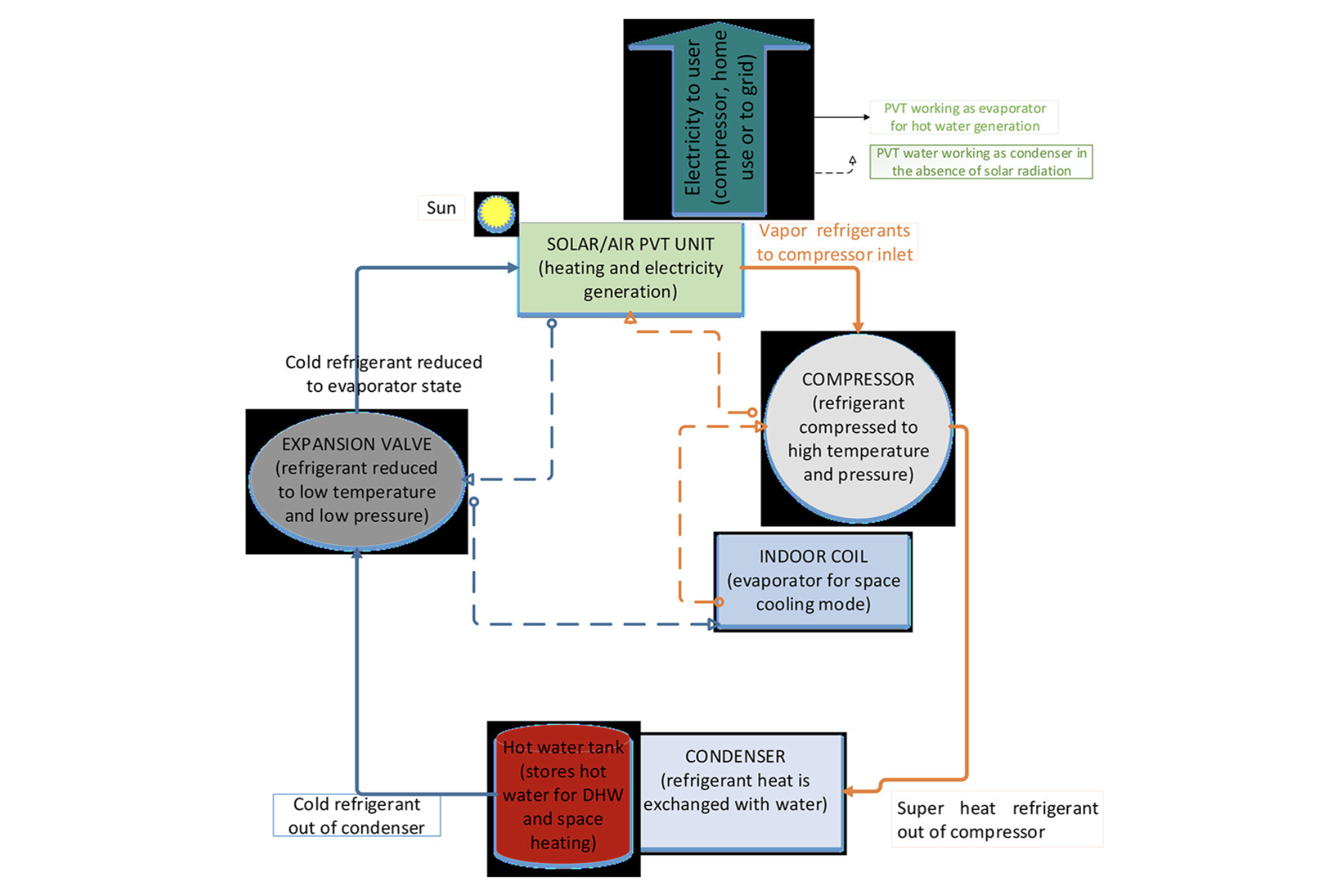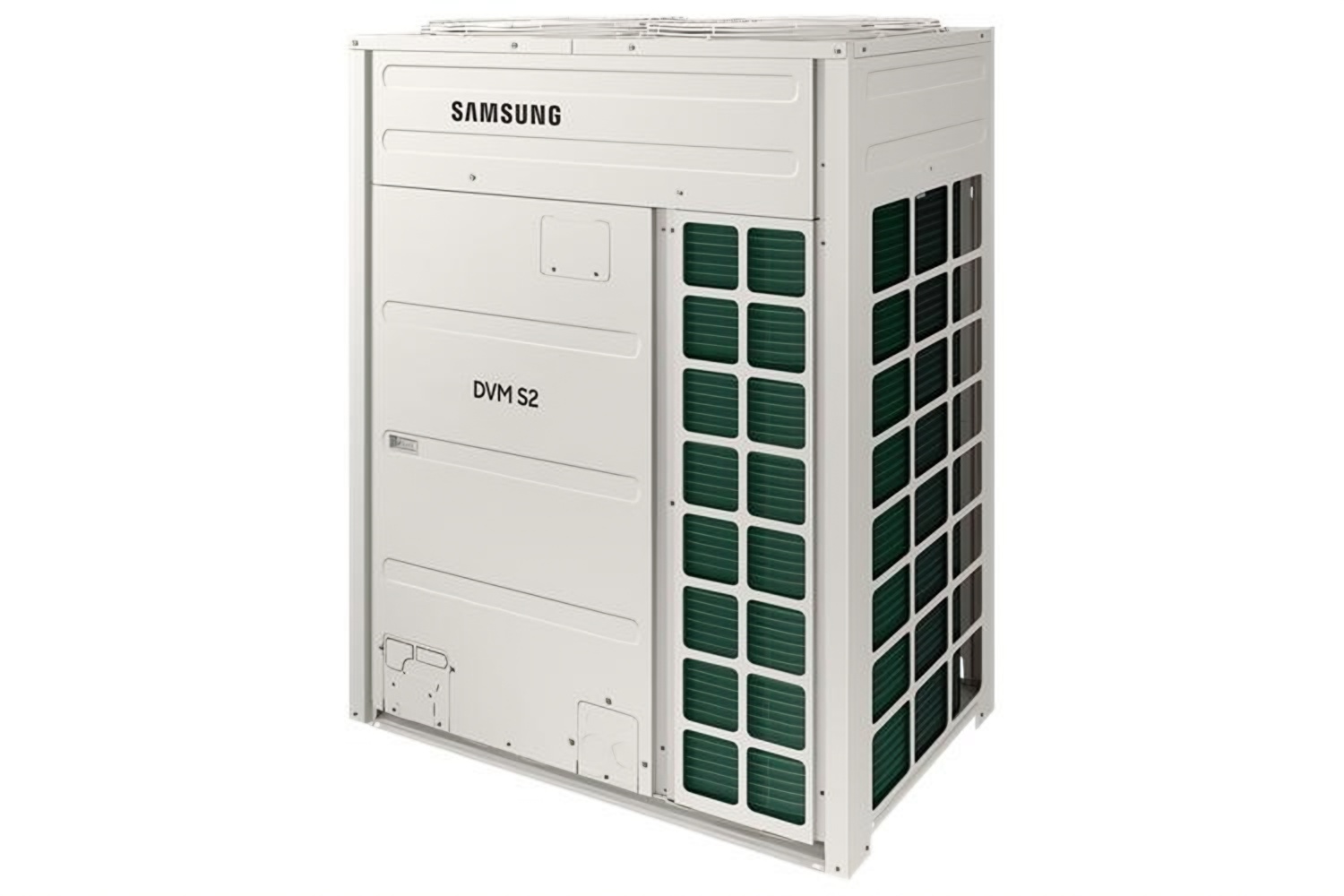
Samsung Electronics teams up with US Department of Energy laboratory to develop heat pump technology for extreme cold. (Samsung Electronics) Samsung Electronics has teamed up with the US Department of Energy’s Oak Ridge National Laboratory to develop technology designed to provide stable heating and hot water even at temperatures below minus 30 degrees Celsius, the company said Sunday.The research will focus on advancing vapor-compression technology, the core mechanism behind heat pumps that circulates refrigerant between liquid and gas states to absorb heat from outside and transfer it indoors.Samsung and the US laboratory aim to maintain reliable heating performance in extreme cold with a single compressor, addressing one of the main technical limitations of heat pumps.“This collaboration will be an important opportunity to demonstrate Samsung’s high-efficiency technology and product reliability under real-world extreme cold conditions,” said Lim Seong-taek, executive vice president at Samsung Electronics.Vapor-compression systems generally lose efficiency and heating capacity as outdoor temperatures fall. The challenge is particularly acute in cold regions of North America and Northern Europe, where temperatures can remain below minus 30 C for extended periods.To improve performance under such conditions, Samsung plans to use a scroll compressor, in which two interlocking spiral components compress refrigerant. The design reduces energy losses and offers greater operating stability than conventional piston-based compressors, according to the company.Samsung will also apply flash injection technology, which controls the amount of refrigerant entering the system to prevent compressor overheating and maintain efficiency during prolonged operation.The research is scheduled to run through the first half of next year, after which Samsung plans to put the technology through field tests in Fairbanks, Alaska.Fairbanks provides an unusually demanding test environment, with average monthly low temperatures dropping to around minus 40 C during the coldest periods and record lows below minus 50 C.Researchers will assess heating capacity, energy efficiency, long-term operating stability and hot-water performance to determine whether the system can operate reliably under real-world extreme cold conditions.Samsung said it plans to eventually apply the technology across a broader range of heating, ventilation and air-conditioning products, including heating-and-cooling systems and heat pump water heaters.
Samsung teams up with US lab to develop heat pumps for extreme cold
Samsung Electronics has teamed up with the US Department of Energy’s Oak Ridge National Laboratory to develop technology designed to provide stable heating and
348 words~2 min read