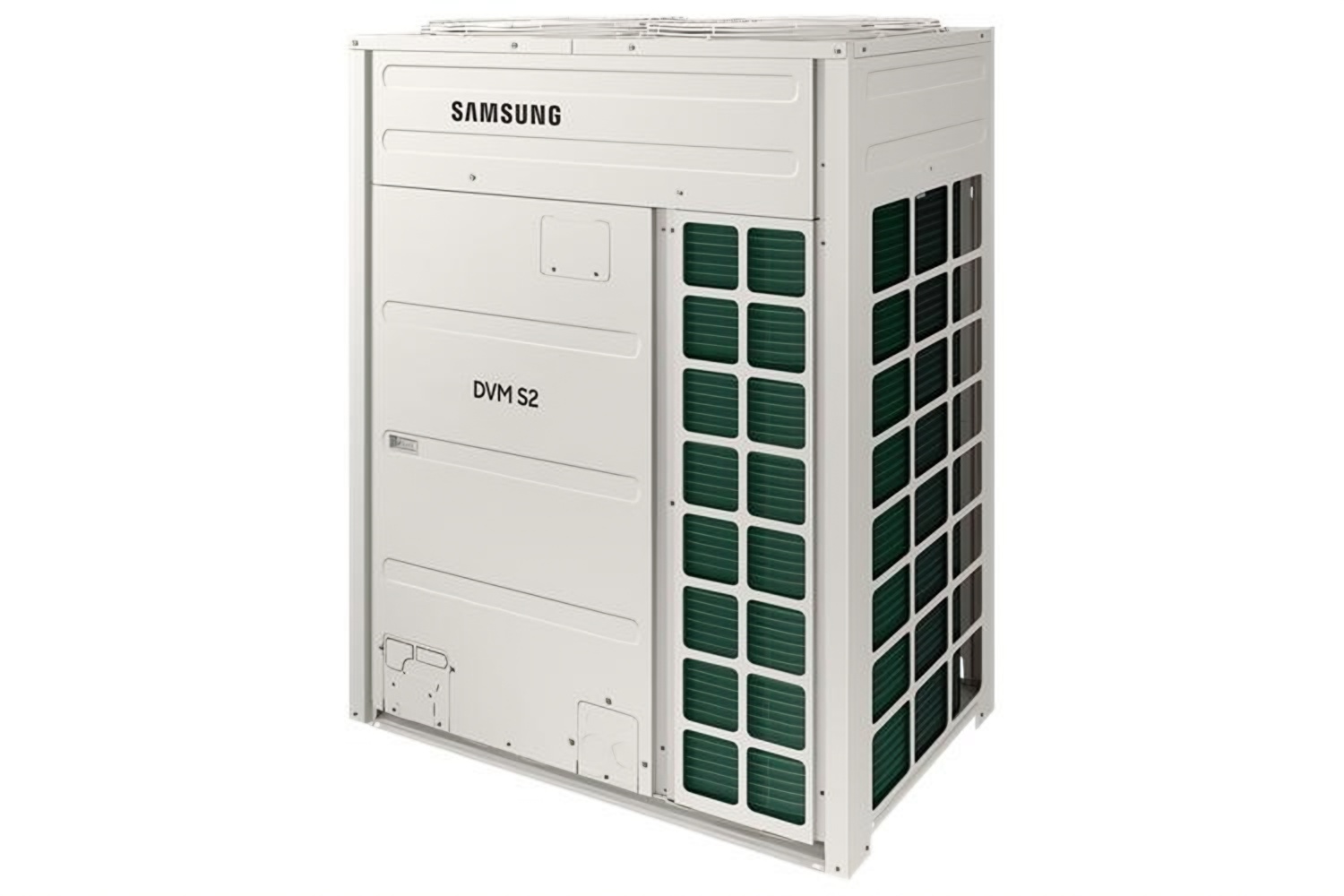
Samsung and Oak Ridge National Laboratory are testing a cold-climate vapor-compression heat pump designed to maintain stable heating performance below −30 C. The system combines a rotary scroll compressor with flash-injection technology to reduce energy losses, prevent overheating and improve reliability during prolonged operation in extreme cold.
South Korea’s Samsung Electronics and the US Department of Energy’s Oak Ridge National Laboratory have begun testing a cold-climate vapor-compression heat pump technology that Samsung says can maintain stable heating performance at temperatures below minus 30 C.
The Cold Climate Vapor Compression Space Heating and Multi-functional Equipment research project will assess vapor-compression technology that uses refrigerant phase changes to absorb and release heat. In the system, the refrigerant absorbs heat from the outdoor environment before being compressed into a high-temperature, high-pressure gas. The heat is then transferred to indoor air or water through a heat exchanger. The refrigerant subsequently condenses into a liquid and repeats the cycle, enabling heating, cooling and hot-water production, according to Samsung.
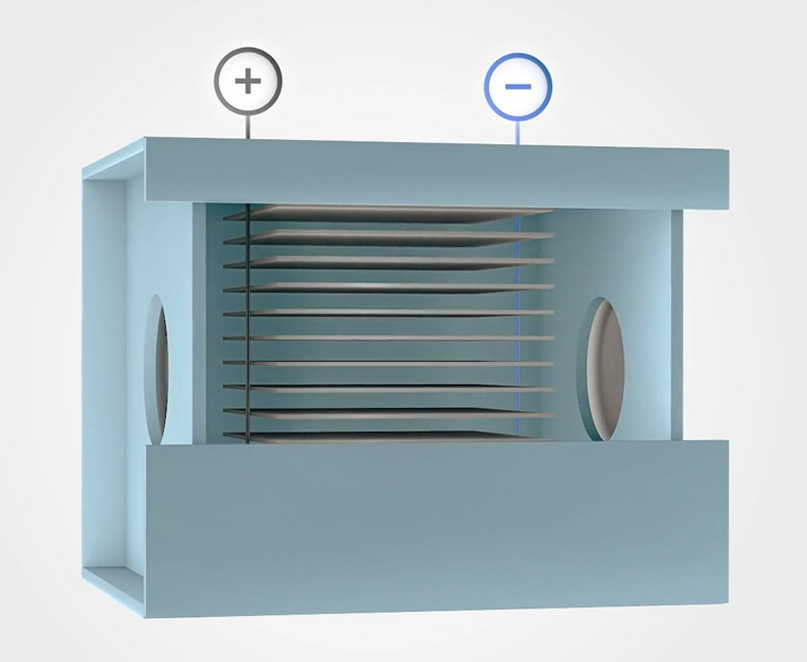
Samsung said vapor-compression technology faces performance limitations at low ambient temperatures, with efficiency declining as outdoor temperatures fall. To improve compressor performance, the company is using a rotary mechanism to compress the refrigerant through the continuous orbital motion of a scroll component. According to Samsung, the design reduces energy losses and improves operational stability, making it suitable for heating applications in cold climates that require continuous operation.