Story audio is generated using AI
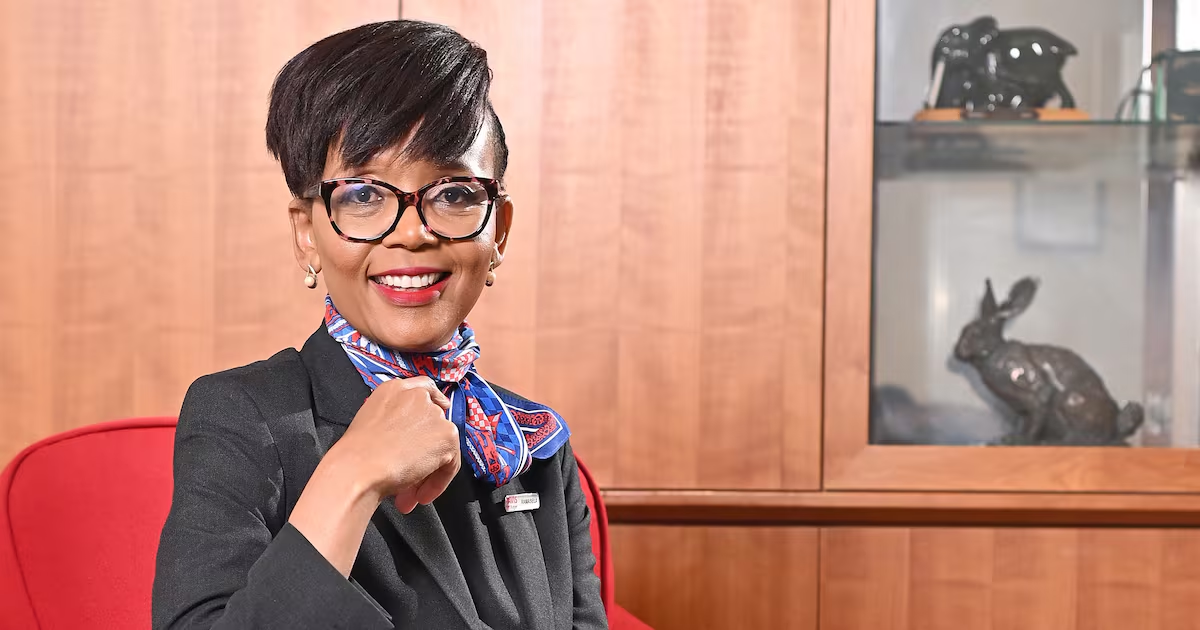
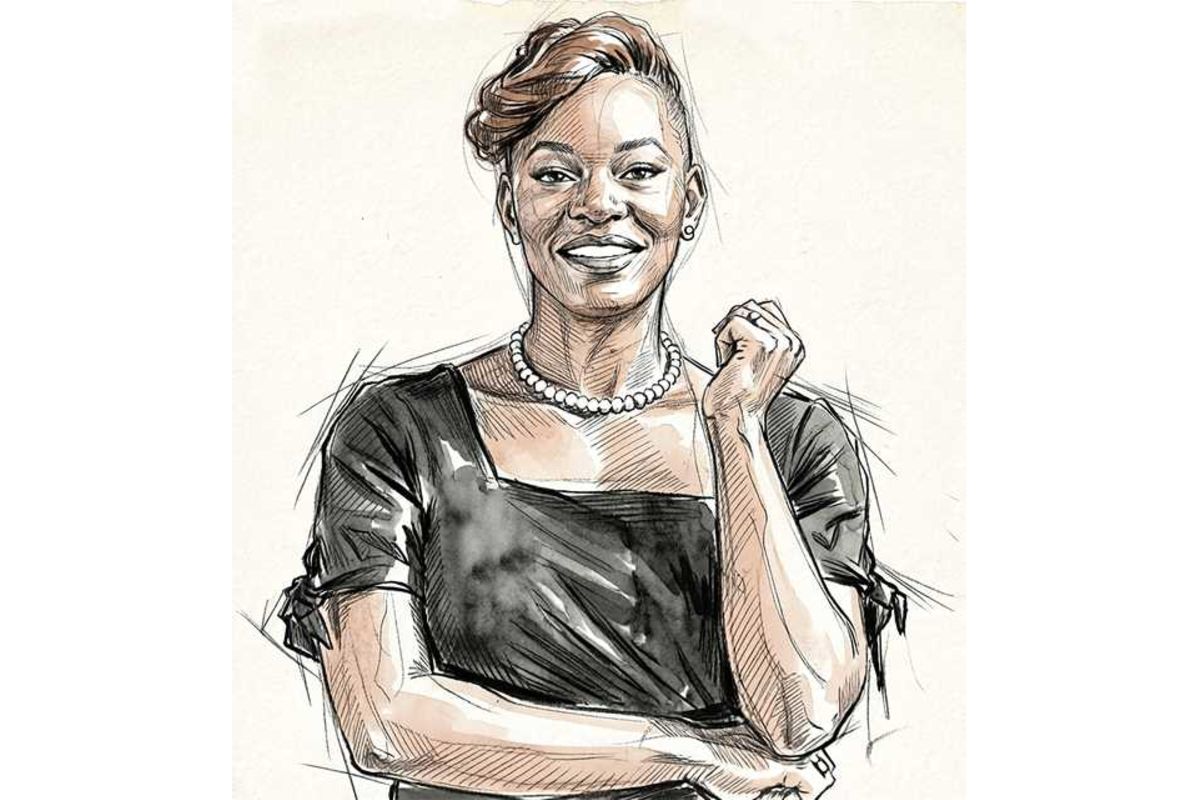
At 15 I wanted to be a ballet dancer. That was the dream, formed in a classroom at McAuley House in Johannesburg: movement, grace, discipline. My father, an economist who believed fiercely in education, had other ideas. He steered me toward business with such conviction I had little choice but to adapt. Four decades later, I serve as a group executive director of Naspers and Prosus, and I think less about how far the journey has come than about what it asks of me now.This Women’s Month I want to talk about doors. The ones that were opened for me, the ones I had to push through myself, and the ones we must now build for a generation that will inherit an economy being remade by artificial intelligence.Leaving South Africa at 17 was not a grand adventure. It was terrifying. I was a shy black girl from Soweto arriving alone in New Jersey, in a culture I did not know, far from family. Rutgers gave me more than an economics degree. It taught me that I could stand far outside my comfort zone, survive it, and eventually thrive in it. Every lecture where I argued a position I was not sure of built the same muscle: showing up when everything in me wanted to retreat.I have needed it more than I could have imagined. I lost my mother as a child and learnt that life does not pause for grief. Years later I lost my father and suffered a stroke in the same period. Those seasons taught me that resilience is not something you summon in a crisis. You practise it daily until it becomes muscle memory. They also taught me that what defines a leader is not a title or track record. It is who you are when the scaffolding is removed.Like many black women in leadership, I have collected my share of firsts. It is a strange thing to carry. You are aware of it in every room, and the room is aware of it too. What I have learnt is that excellence is a universal language. Bring rigour and integrity to the work, and the question of who you are begins to matter far less than what you deliver.But a first only counts if it makes life easier for the second and the third. That is why the technology now reshaping our economy matters so much to me. If AI benefits only those already inside the formal economy, the people with capital, connectivity and capacity, then it is no South African success story. It is an old inequality in new clothes, and I am not prepared to accept it.For too long the intelligence needed to run a business well, to read demand, price properly and anticipate customers, has belonged to large companies. Small businesses and township entrepreneurs have operated on intuition alone. Not because they lack intelligence, but because the tools were never built for them. That is what we are changing. More than 30,000 SMEs trade through Takealot.com and Mr D. More than 17,000 delivery partners earn a living on our platforms, and more than 12,000 township personal shoppers now participate in the digital economy. We have committed R1.5bn over three years to embed AI across our South African businesses. The real test is not how much we talk about AI, but who it reaches. South Africa has to get the difference between AI as displacement and AI as democratisation right.Getting it right starts with education. By 2050, one in four people on Earth will be African. Whether that becomes a dividend depends on foundational learning. That is why the South Africa Education Accelerator, which I co-chair, starts upstream with literacy and numeracy and holds business accountable alongside government.It also demands something of women who already hold power. We confuse mentorship with sponsorship. Mentorship is advice. Sponsorship is using your name and your access to advocate for someone when she is not in the room. Only 31% of entry-level women have a sponsor, against 45% of their male peers, and the gap deepens at every level. So do not just give guidance. Name a specific person for a specific role in a room where you have influence. That is what changes trajectories.To the women of South Africa this month, my message is simple: own your ambition. Do not shrink yourself to make others comfortable, and do not wait for an invitation into spaces where you already belong. To those already at the table: remember where you came from and reach back. Every door you open is an act of nation-building.My measure of success is in whether a girl in a classroom somewhere, dreaming as I once did of an entirely different life, looks at what is possible and believes it includes her. That I made it feel possible. That is the legacy worth working for. Women’s Month lasts one month, but the work is every day. Let us make it count.Mahanyele-Dabengwa is a group executive director of Naspers and Prosus