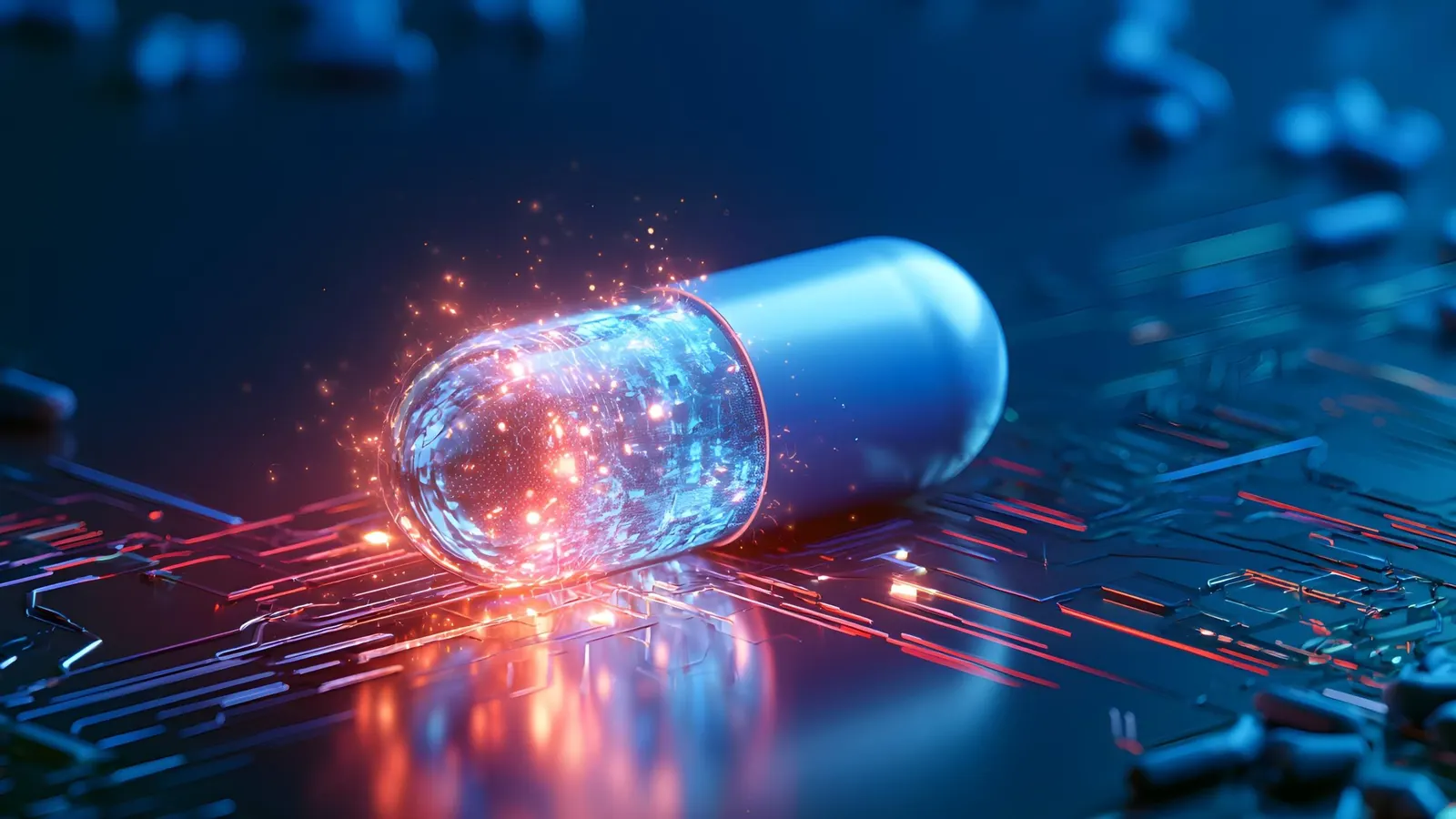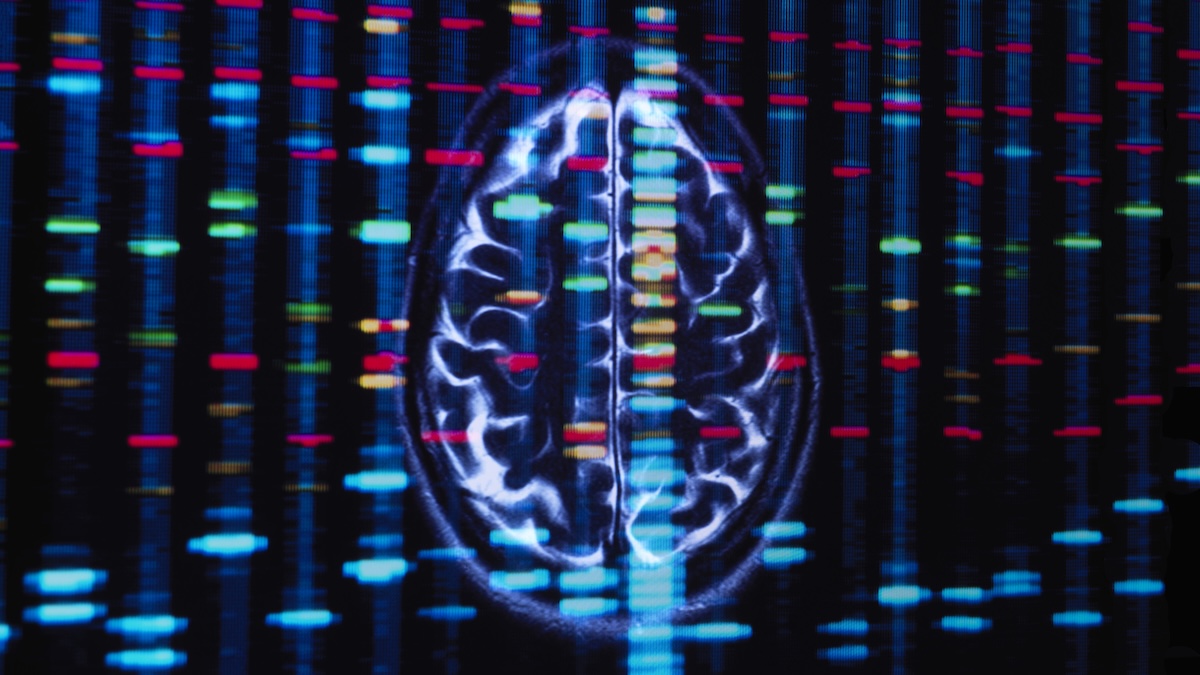
An AI system could help scientists identify a promising new drug. But it could also convince them that a biological effect exists when it does not.Generative AI creates new content by learning common features and relationships from existing examples. Although the technology is best known for producing text and images, researchers are exploring its use in designing proteins, simulating cells, filling gaps in experimental results, and generating synthetic biological data.But these systems can hallucinate. In biological research, this could mean generating a plausible-looking molecular pattern or inference that does not reflect the underlying biology.Such an error could have tangible consequences. AI might disregard a drug candidate that would have worked, direct researchers toward an ineffective treatment, conceal a genuine biological effect, or make a nonexistent disease mechanism look like a discovery.Computational biologist Thomas Burger of Grenoble Alpes University in France explores that problem across 10 potential uses of generative AI in an Opinion article published in Patterns.AI might direct researchers toward an ineffective treatment. (maradek/Getty Images)Omics experiments can generate vast datasets containing measurements of genes, proteins, and other molecules. AI could help researchers make sense of this enormous volume of information, but subtle changes introduced into such complex data may be difficult to detect.Burger proposes that these applications do not all carry the same level of risk. The key difference is whether an AI output is an idea that will later be tested in a real experiment or synthetic data used directly as evidence.
Generative AI Could 'Invent' Biological Discoveries That Don't Exist
An AI system could help scientists identify a promising new drug.
819 words~4 min read