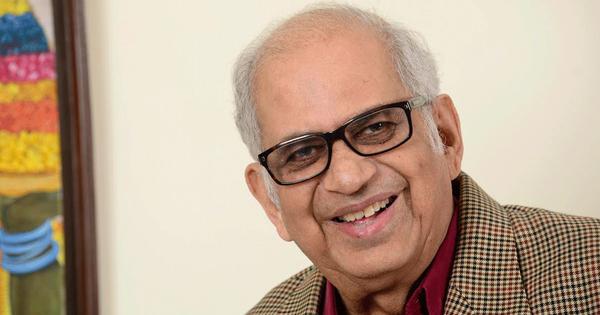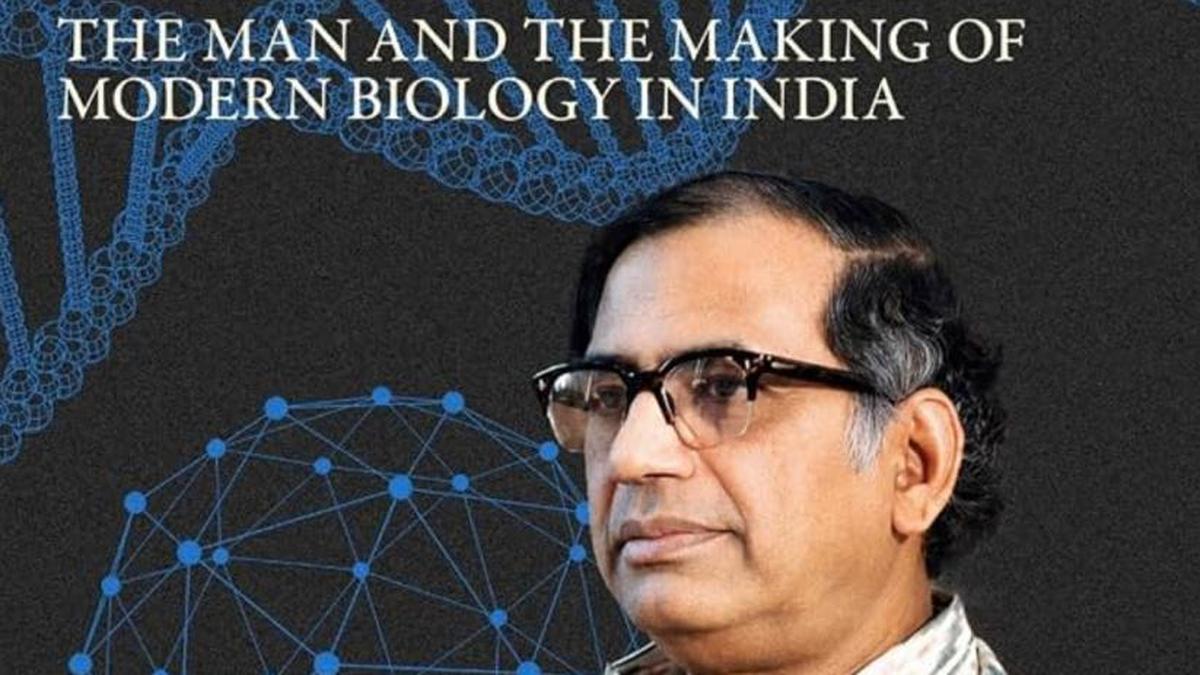
The double-helix structure of DNA was postulated in 1953. By 1959, Pushpa M. Bhargava, a chemistry PhD who switched to biology, wrote a note to create a Biological Laboratory of India. By 1977, Hyderabad had the Centre for Cellular and Molecular Biology carved out of the space of the IICT. A new biography by Bhargava’s long-time associate Chandana Chakrabarti ‘The Man and The Making of Modern Biology in India’ brings to life the fascinating story of India’s modern biology, its tryst with irrationality, homoeopathy, fish ‘prasadam’, bureaucracy and the man who saw tomorrow in a cell. Edited excerpts from an interview with The Hindu’s Serish Nanisetti.The Centre for Cellular and Molecular Biology and Pushpa M. Bhargava are synonymous even after decades, what’s the origin story? Dr. Bhargava or as everyone called him PMB did his schooling in Uttar Pradesh, and PhD in chemistry at Lucknow University. He was homeschooled until Class IX, as schools considered him too advanced for his age. After PhD he knew the future belonged to biology at cellular level and switched to that field and trained himself for it. While writing the book, I discovered the 1959 note that he had typed out for an institute of biology and CCMB was an exact match of that vision decades later.Q: How did Bhargava come to Hyderabad?Hussain Zaheer of Central Laboratories for Scientific and Industrial Research (CLSIR which became Regional Research Laboratory) knew him from Lucknow and invited him after his PhD. Although Lucknow University offered him a job, he felt it had limited prospects and chose Hyderabad instead. He first worked as a lecturer at Mahabub College, then joined the Chemistry Department at Osmania University, before Mr. Zaheer found him a position at CLSRI. He lived at Zeenat Mahal, Tarnaka, sharing a house with scholars, including Abdul Rahman and K.T. Achaya.
P.M. Bhargava: The Indian man who saw tomorrow in a cell
Explore the life of P.M. Bhargava, a visionary in Indian biology, in Chandana Chakrabarti's insightful biography.
927 words~4 min read