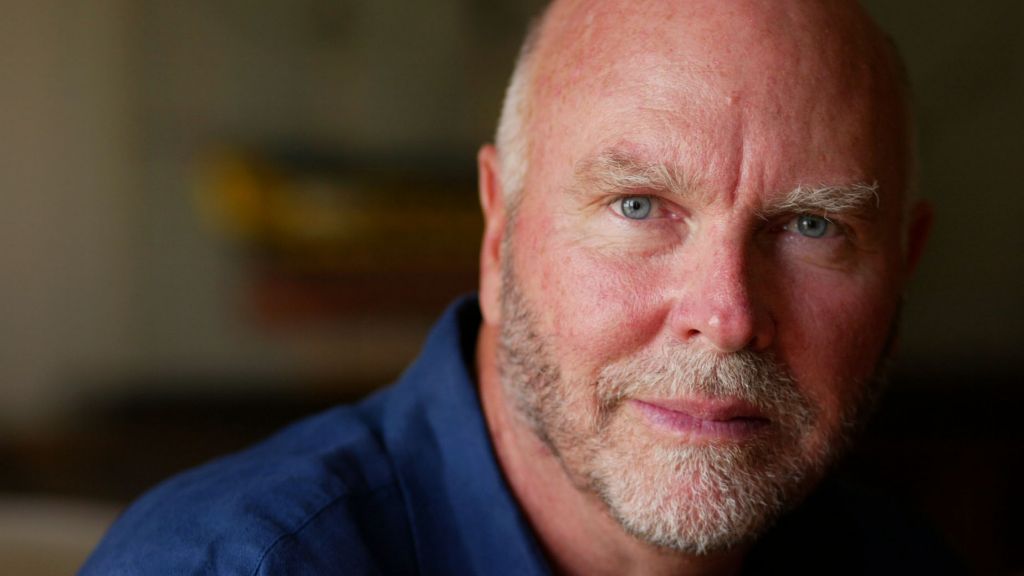
Pioneering and controversial geneticist who was one of the first to sequence the human genome, in part by using his own DNA
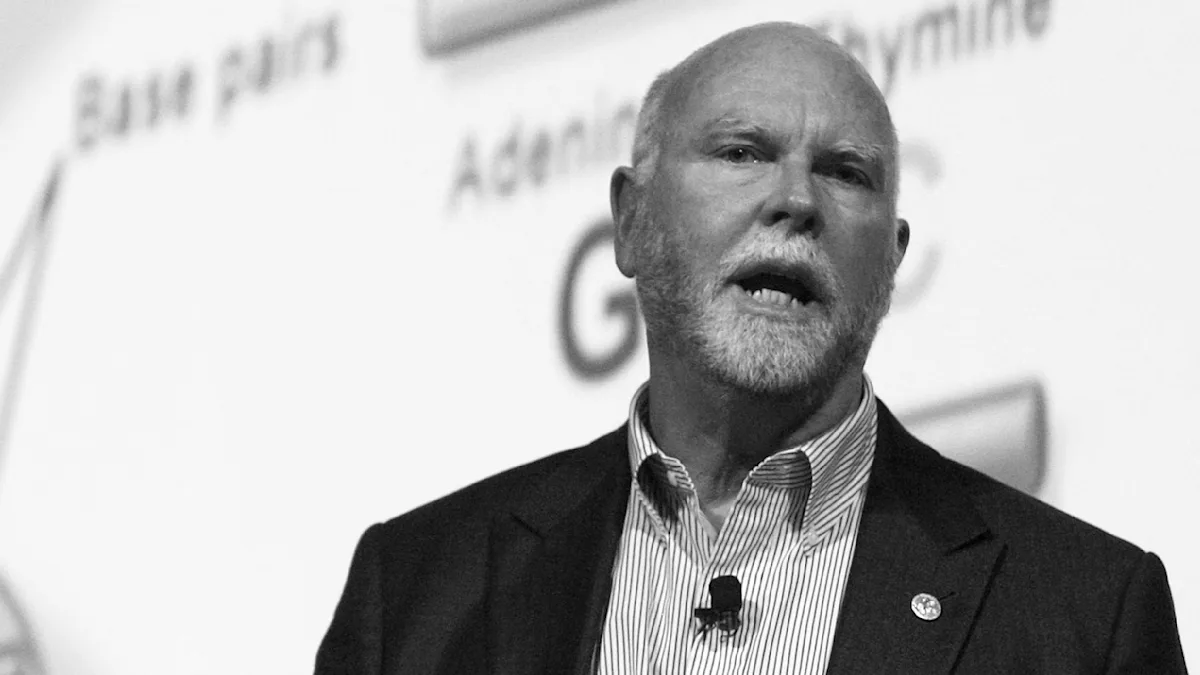
At the international BioVision conference in Lyon in February 2001, the geneticist Craig Venter performed a remarkable piece of scientific barnstorming. Human beings possess far fewer genes than science had ever realised, he announced. We have about 30,000, far lower than previous estimates of 100,000.
Such lack of heritable material showed people are not prisoners of their genes but are shaped primarily by environmental influences, he added. “We simply do not have enough genes for this idea of biological determinism to be right,” said Venter, who has died aged 79. “The wonderful diversity of the human species is not hard-wired in our genetic code. Our environments are critical.”
The timing of Venter’s announcement was dramatic. A few days later, the journals Nature and Science were scheduled to publish details of the first draft of the human genome, and outline our species’ detailed genetic makeup – which would indeed reveal the paucity of our genes. This work had been spearheaded by the US government and the UK Wellcome Trust’s Sanger Centre, in an uneasy partnership with Venter’s own privately funded sequencing company, Celera Genomics.