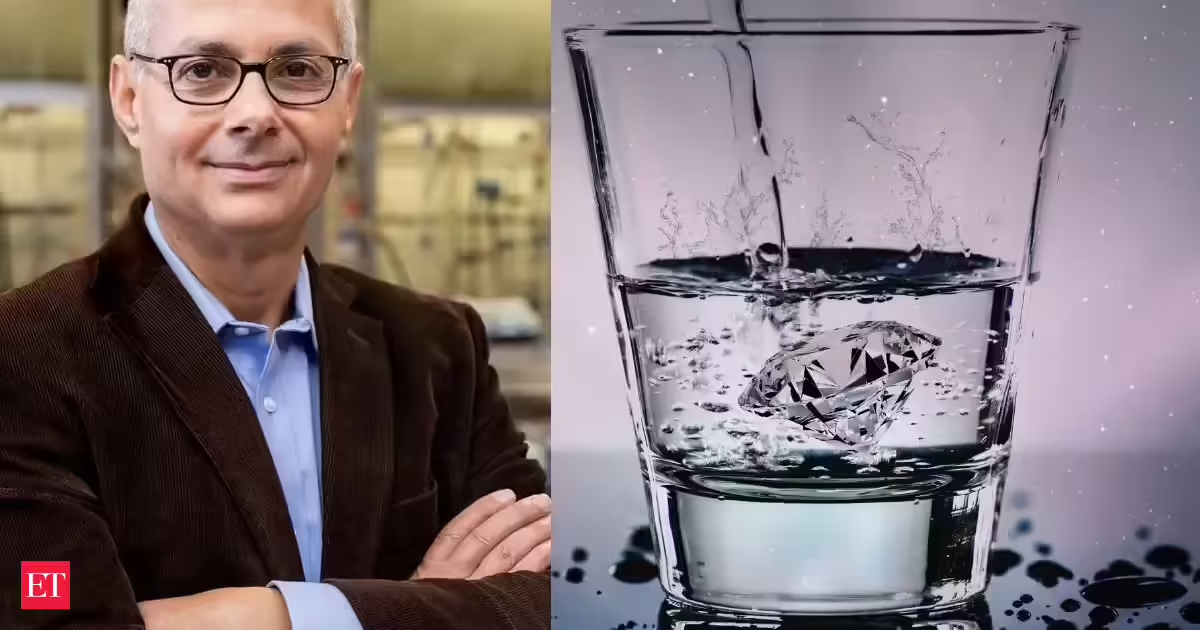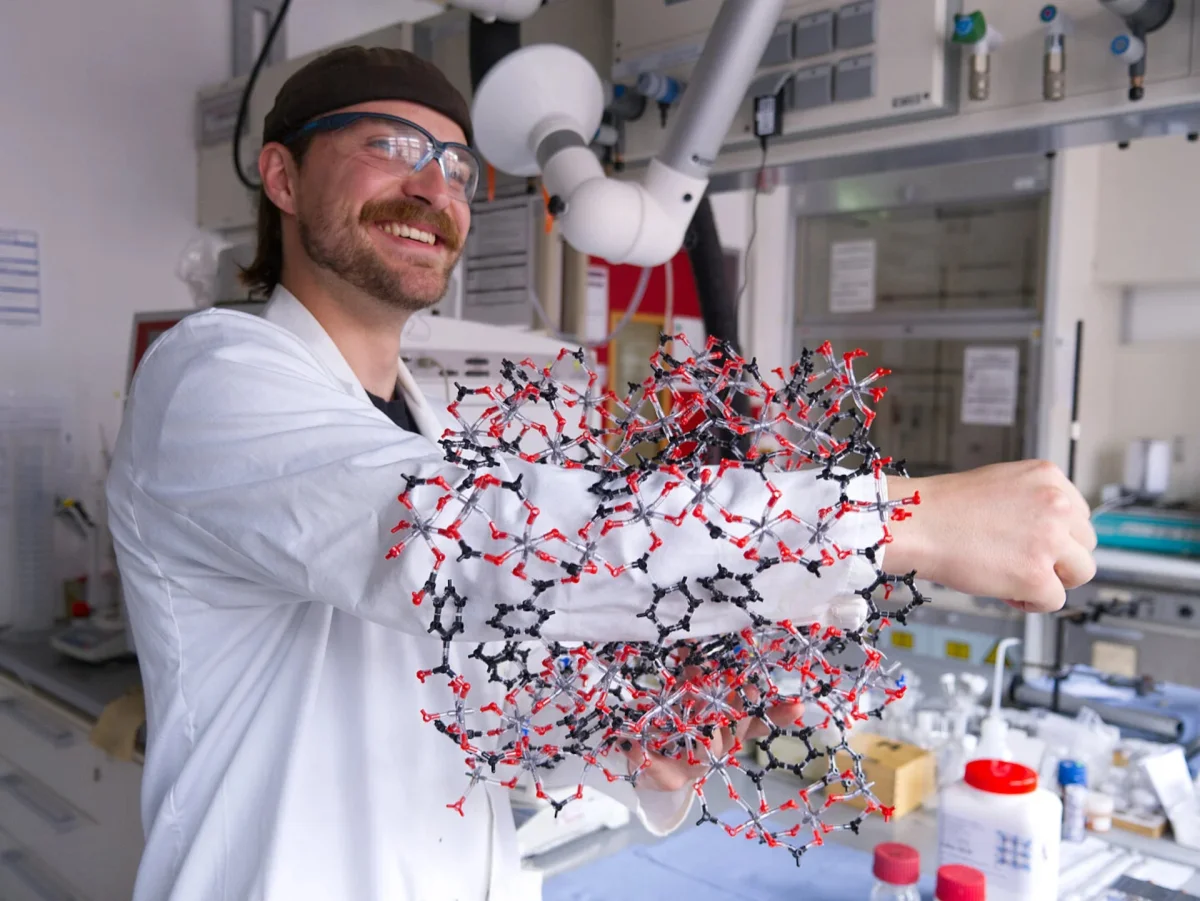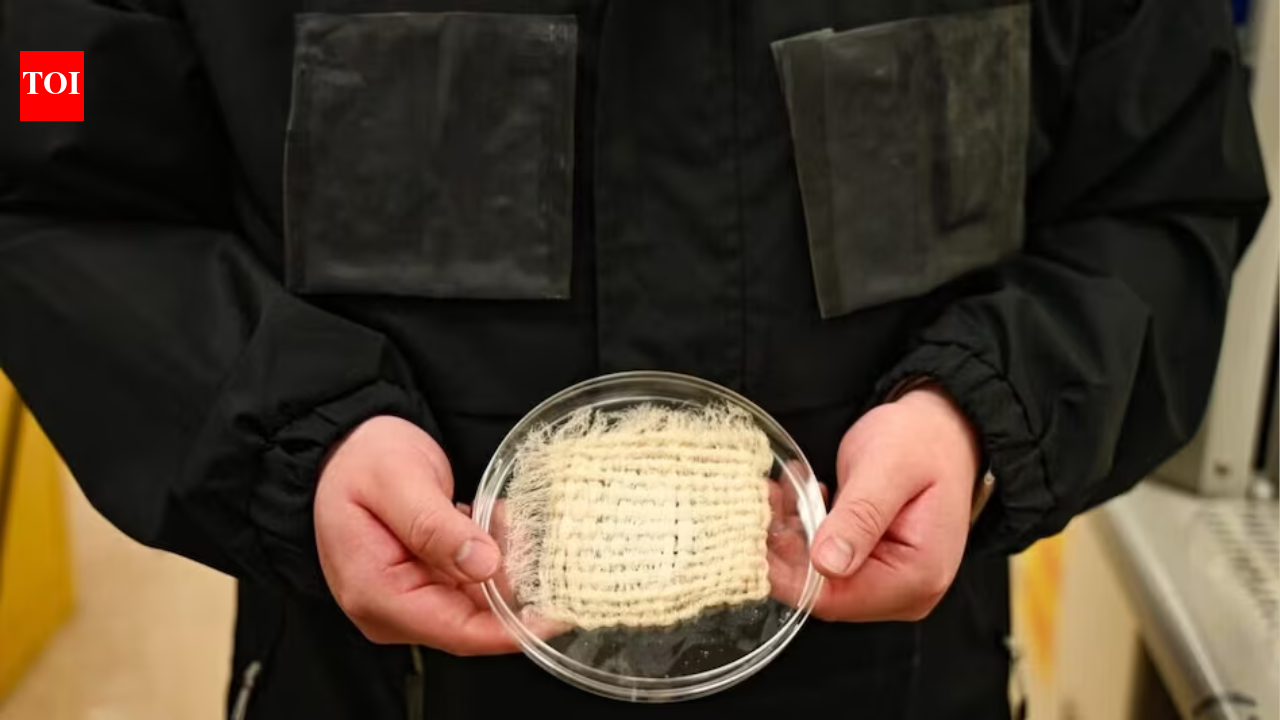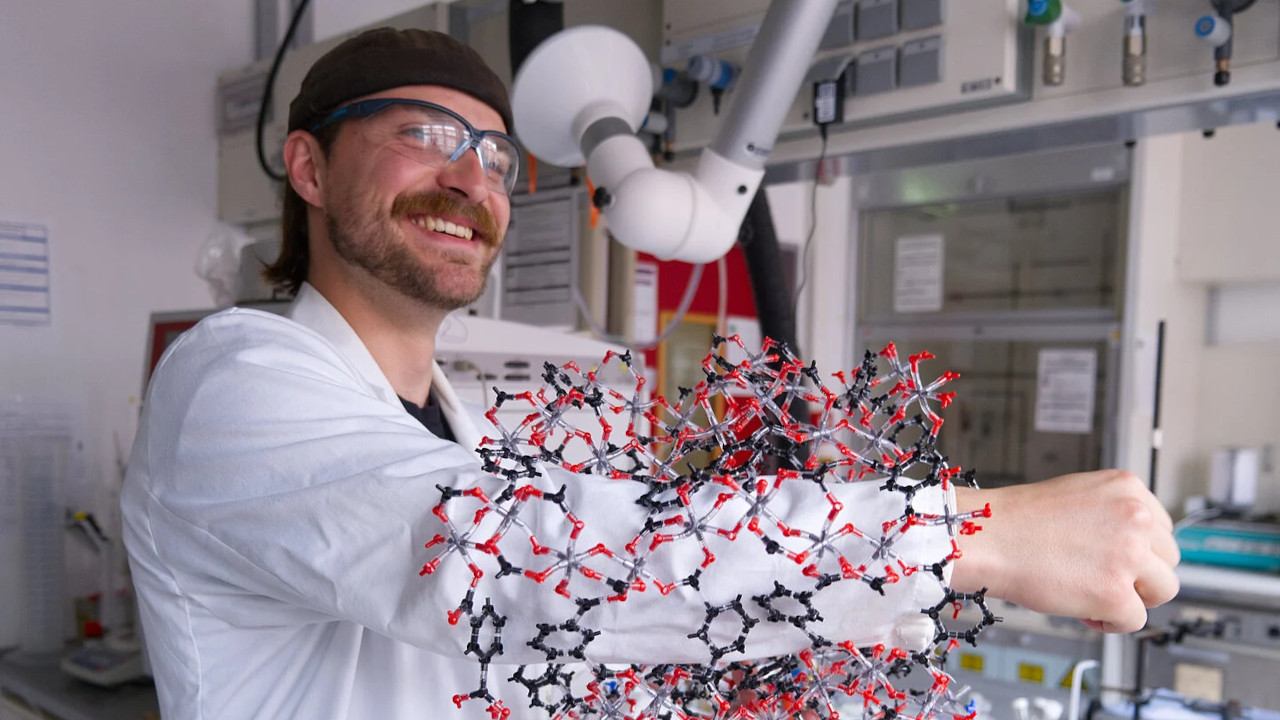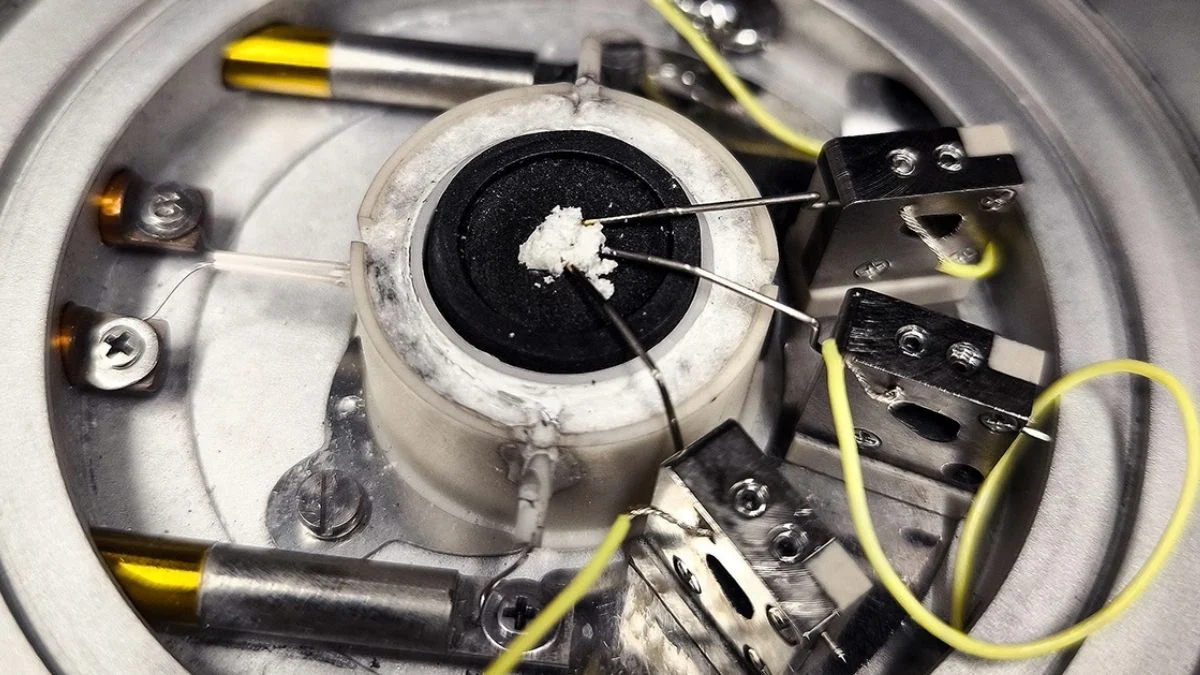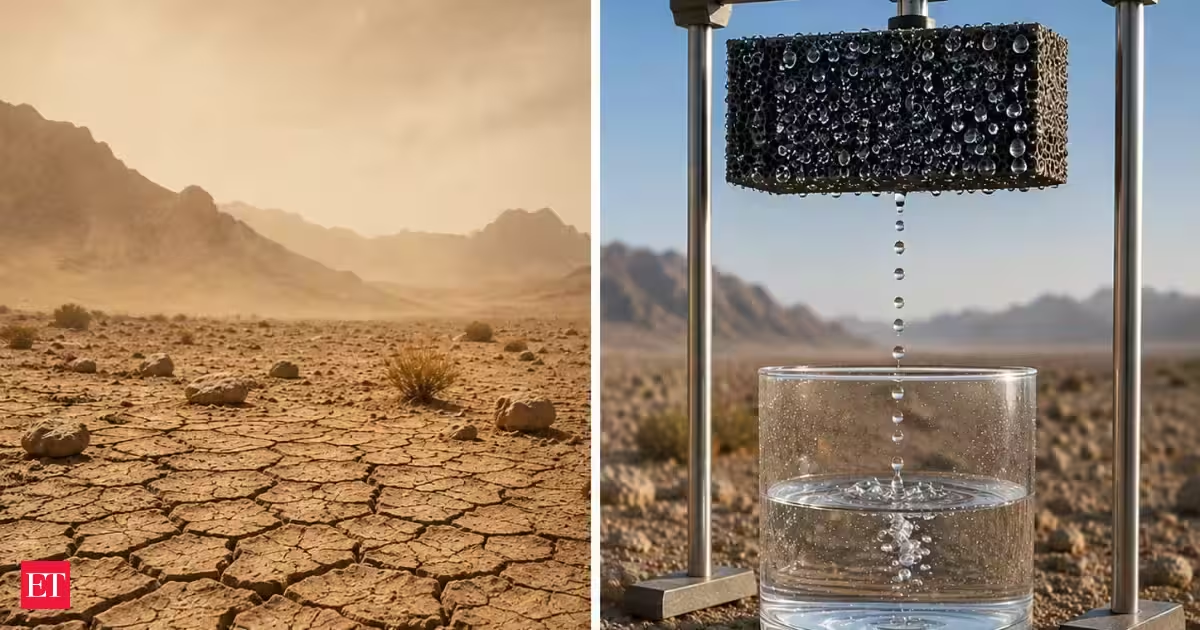
When a team of German scientists at Kiel University developed a sponge-like substance that can suck water from dry air, it is only right to sit up and take notice. A recent research report titled “Electrically conductive MOF@carbon foam composites for atmospheric water harvesting through internal Joule heating and light irradiation,” published in the Journal of Materials Chemistry A, describes a material that can capture atmospheric moisture and release it as usable water on demand.The breakthrough could not have landed at a more relevant moment for the American West. Lake Mead is currently at a fraction of its capacity; cities in Arizona are restricting water consumption, and roughly 40 million people are hoping that one river will decide their future. This is not some dystopian concept but a regular Tuesday along the Colorado River. According to CNN reports, the water levels in Lake Powell and Lake Mead have reached an all-time low, marking a truly dangerous period for the entire Colorado River system. It's against that backdrop that a German sponge capable of pulling water from dry air is worth a closer look.The science, minus the jargonThe material consists of a so-called metal-organic framework, or MOF, which is essentially a molecular structure with numerous micropores, much like a loofah on an atomic level. The variant designed by the researchers from the University of Kiel, CAU-10-H, is modified to absorb moisture from the atmosphere in its gaseous form at room temperature and relative humidity of 18 percent or higher, and then release the absorbed liquid when the temperature reaches approximately 158°F.The crystal structure of the MOF CAU-10-H in the absorbed state. Image credits: Wikimedia CommonsIn order to simplify the latter process, the team embedded the MOF into conductive carbon, making it possible to heat the substance electrically or using sunlight instead of some complex system. The result is that a single kilogram (2.2 pounds) of the composite can yield up to 1.8 liters of water per day in dry conditions.It's not just about drinking waterWhat is shocking is that the same stuff also acts as a coolant for air conditioning. In fact, as per a related study titled "CAU-10-H: Synthesis Scale-Up at the Pilot Scale, Techno-Economic Analysis, and Application in a Full-Scale Cooling System," published in the Industrial & Engineering Chemistry Research journal, the new material CAU-10-H could cool almost three times more efficiently than the conventional silica gel used by adsorption cooling technology. The researchers have also proposed running the process on waste heat from data centres or bakeries, a genuinely useful pairing, given how much energy US data centres already consume.One of the researchers of the Journal of Materials Chemistry A paper, Professor Norbert Stock from the University of Kiel, who has been studying MOFs for over 20 years, made the objective very clear: the aim is to make the water molecules floating in the air drinkable, especially in regions where rainfall keeps shrinking.The catchThat's where the millennial skepticism comes in, because we have seen many so-called revolutionary climate technologies disappear literally into thin air. This method requires a minimum of 18 percent humidity for operation, which leaves hyper-arid, bone-dry environments like Death Valley off limits despite being the exact location that could need such a technology, most likely. While the system can utilize passive, off-grid solar energy to release the captured water, it still requires a consistent thermal or electrical power source to complete its high-speed daily cycles.Nonetheless, the scale of production is pretty impressive. The researchers managed to scale the manufacturing process up to 66 pounds of material, which is approximately 60 times more than previous lab samples, with production costs estimated to be somewhere between $12 and $14 per kilogram.Why this matters beyond GermanyOf course, there's no expectation of this sponge being able to fill up Lake Mead. However, atmospheric water collection seems to be gaining momentum as a genuine sector in climate technology development. Moreover, the American Southwest, with its extensive suburban areas, intense heat, and complicated river regulation, can serve as a suitable place for trials when the prices drop a bit more.Representative image. Researchers study atmospheric water-harvesting technologies as a potential source of drinking water in dry regions. Image credits: PexelsAccording to the Library of Congress's own research notes, the total water use across the Colorado River basin has been exceeding supply for a while now, and there doesn't seem to be any quick solution. If a sponge which is capable of addressing this issue a little bit, one better pay attention, just not hoping for too much at Home Depot next spring.
German scientists created a sponge-like material that could pull 1.8 liters of drinking water from dry air every day, turning desert air into a potential drinking-water source
German researchers have developed a sponge-like material that can extract up to 1.8 liters of drinking water daily from dry air, offering hope for sustainable water sources in arid regions.
760 words~3 min read