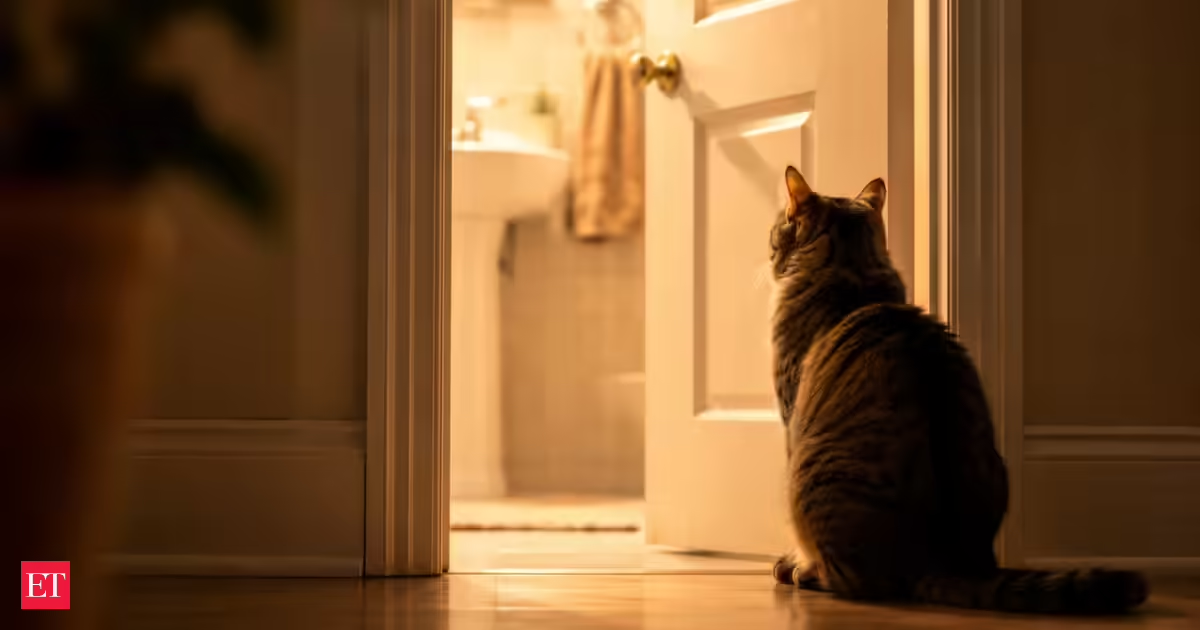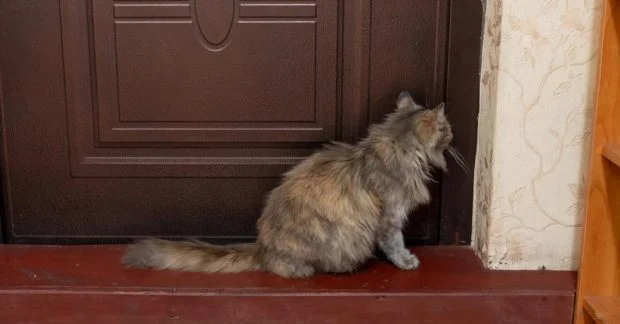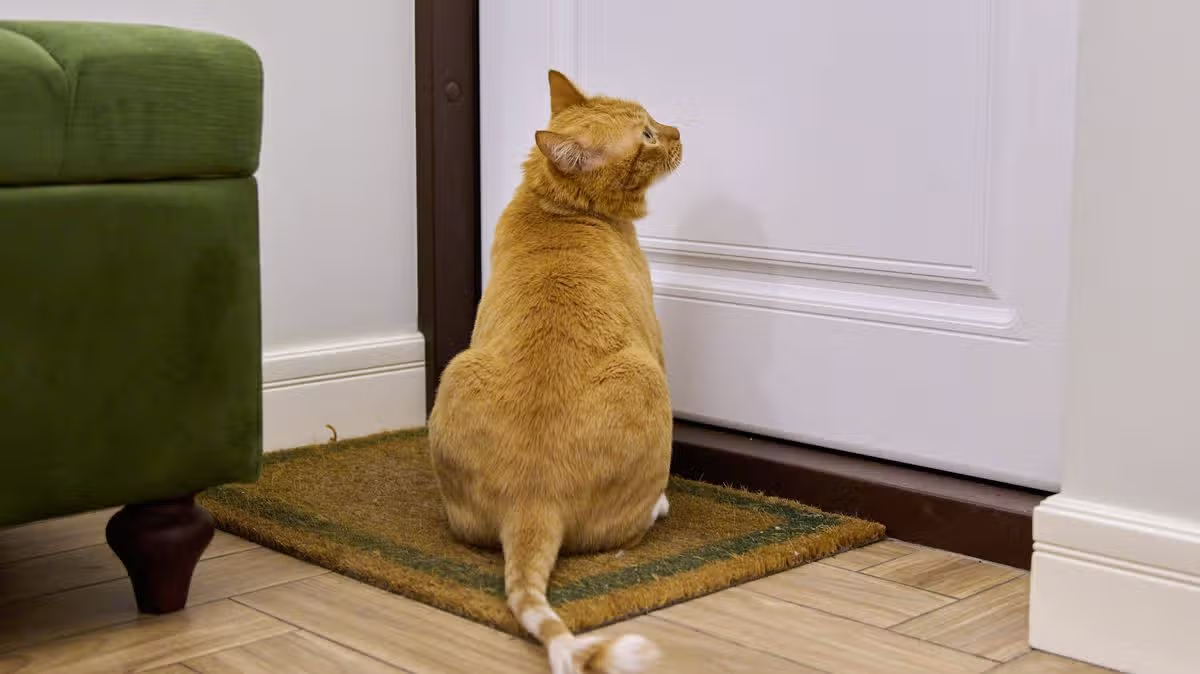
If your cat loses the plot every time you shut a door in your face, you're not alone - and a feline behaviour expert says there's a very good reason behind it08:09, 08 Aug 2026Updated 08:09, 08 Aug 2026If you've ever tried to enjoy five minutes of peace behind a closed door only to be met with relentless meowing, scratching, and general outrage from your pets on the other side, you'll know the struggle is very real.Cats have a well-earned reputation for baffling their owners. Unlike dogs, who tend to wear their hearts on their sleeves - or rather, their tails - cats operate on their own mysterious terms. They're affectionate one minute and aloof the next, and their logic can seem utterly impossible to follow.Take the classic closed-door scenario. Your cat meows to be let into a room, you oblige, and within seconds, it wants back out again. You let it out, close the door, and the whole performance starts over. Sound familiar?As maddening as it is, it turns out your cat isn't simply trying to wind you up. There's a genuine behavioural explanation behind it - and once you understand it, you might find yourself being a little more sympathetic.Why do cats hate closed doors?Cat behaviourist Amanda Campion, who has spent more than 30 years studying feline behaviour, took to TikTok to shed some light on the matter. According to the expert, the issue comes down to your cat's deeply ingrained territorial instincts.Pets, she explains, consider your entire home their territory. They carry a detailed "mental map" of every room, every corner, and every space within it. When a door gets closed, that map is suddenly disrupted - and for a cat, that's genuinely unsettling.Amanda explained: "You shut a door, and your cat's on the other side, and now it's crying because it wants to come back to the side it just asked to go out of. Why?"Cats are territorial, and a closed door actually disrupts their mental map of their territory. They're not being difficult; they're actually responding to a sudden and unexpected change in their environment. [It's about] curiosity and control, because cats like to explore. So try opening a door and filming their reaction - it's never dramatic."Content cannot be displayed without consentIn short, it's not defiance - it's anxiety. Your cat needs to feel it has full access to its domain in order to feel safe and settled. A closed door doesn't just block a room; it creates an unknown quantity, and cats simply aren't comfortable with that.The video struck a chord with cat owners far and wide, with many flooding the comments section to share their own experiences.A number of viewers said they had already adopted an open-door policy at home, giving their cats unrestricted access to roam as they please. Others suggested that the best way to keep a cat out of a specific room is to set those boundaries early - training them from kittenhood so they understand which doors are off limits.One viewer wrote: "We have an open door policy in this house, and even if we wanted to close, the meowing would be so loud we couldn't. But I deeply enjoy my cats walking around the house when I'm in bed and falling asleep."Five important things about cat behaviourAccording to Cat's Protection, there are five vital things you should know when approaching your cat's behaviour. They are:Cats that 'misbehave' may just be exhibiting normal cat behaviour.If your cat's behaviour changes, it could be a sign that they're stressed, scared or sick, and you should see your vet straight away.Never punish your cat for 'misbehaving' as it will never help but may stress your cat more.You have a legal duty of care to meet your cat's needs, including their need to exhibit normal behaviours.You can help to reduce unwanted behaviours such as spraying, scratching and fighting by understanding and treating the cause.Article continues belowFor further guidance and support on understanding your cat's behaviour, head to the Cats Protection website.
Cats hate closed doors for interesting reason pinpointed by behaviour expert
If your cat loses the plot every time you shut a door in your face, you're not alone - and a feline behaviour expert says there's a very good reason behind it
669 words~3 min read