Free daily briefing on global business news.
Destructive scratching, excessive sleeping, sudden aggression — the behaviors that look like problems and are often just an under-stimulated cat asking for more
Roberto Huczek / Unsplash
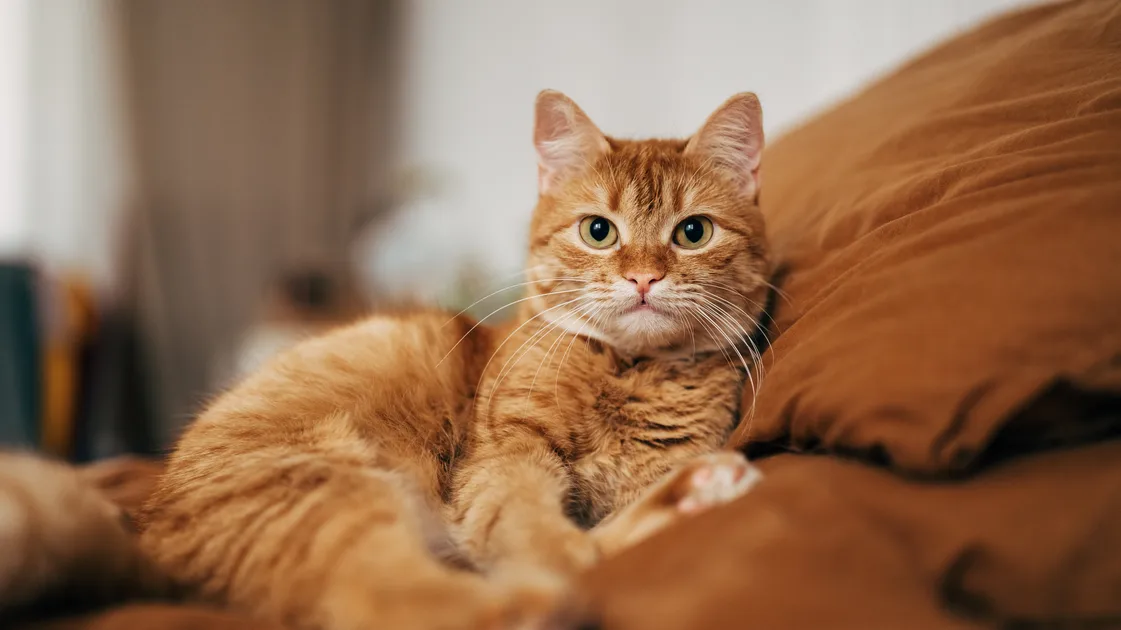
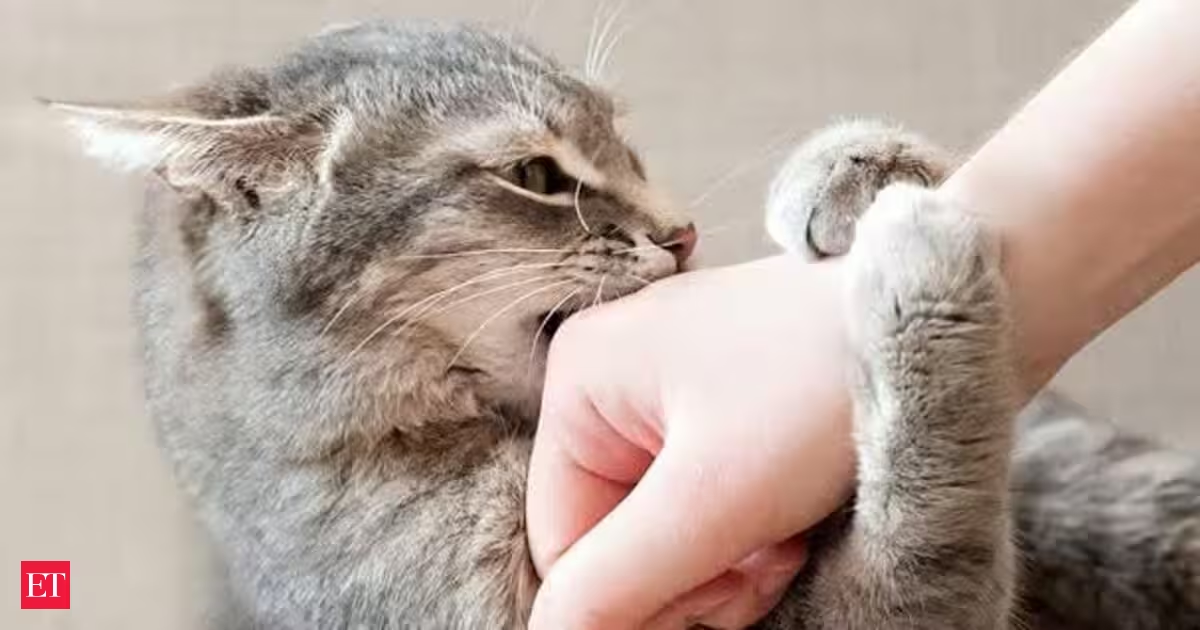
Boredom in cats produces a specific and often misleading set of behavioral symptoms, because most of the behaviors it drives get interpreted through a different lens entirely: destructive scratching reads as a training problem, sudden aggression reads as a temperament issue, and excessive sleeping reads as simply what cats do rather than a specific response to insufficient environmental stimulation. Indoor cats, in particular, are prone to under-stimulation in a way that outdoor and free-roaming cats are not, since the indoor environment — however comfortable — lacks the constant sensory and predatory engagement that a cat's behavioral repertoire evolved to expect from its surroundings.
The behaviors in this list share a specific quality that makes them worth reconsidering as boredom signals rather than whatever the more common misinterpretation happens to be: each one resolves, often quickly, when the underlying stimulation deficit is addressed directly, which is both the most reliable diagnostic confirmation and the most practical reason to consider boredom as the explanation before assuming a different cause requiring a different kind of intervention.