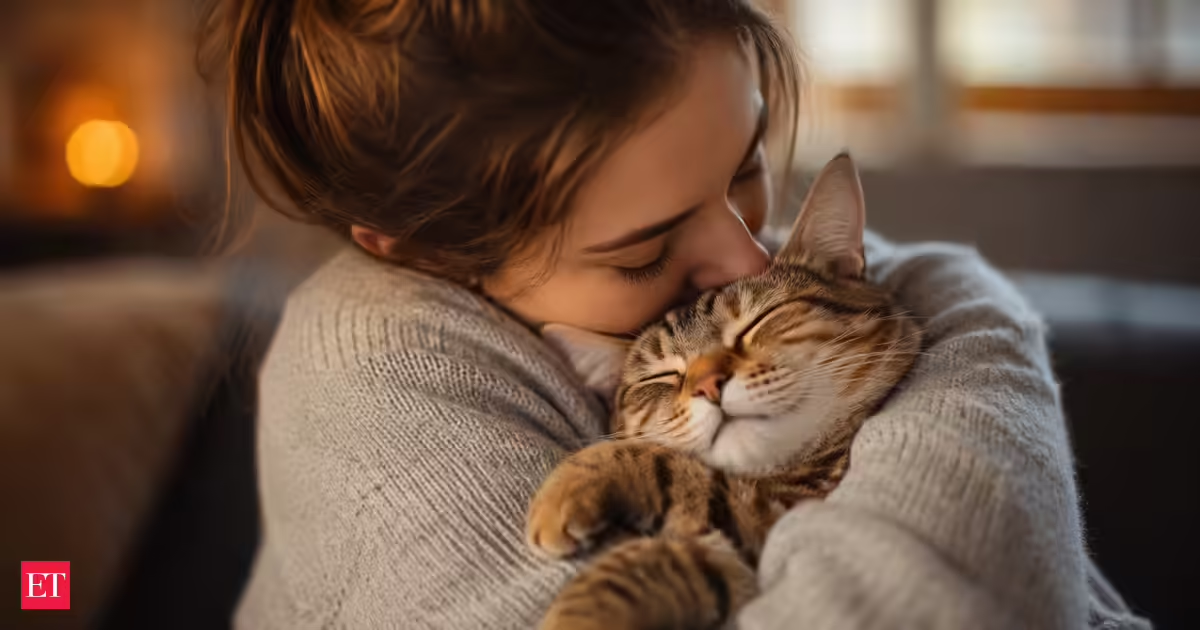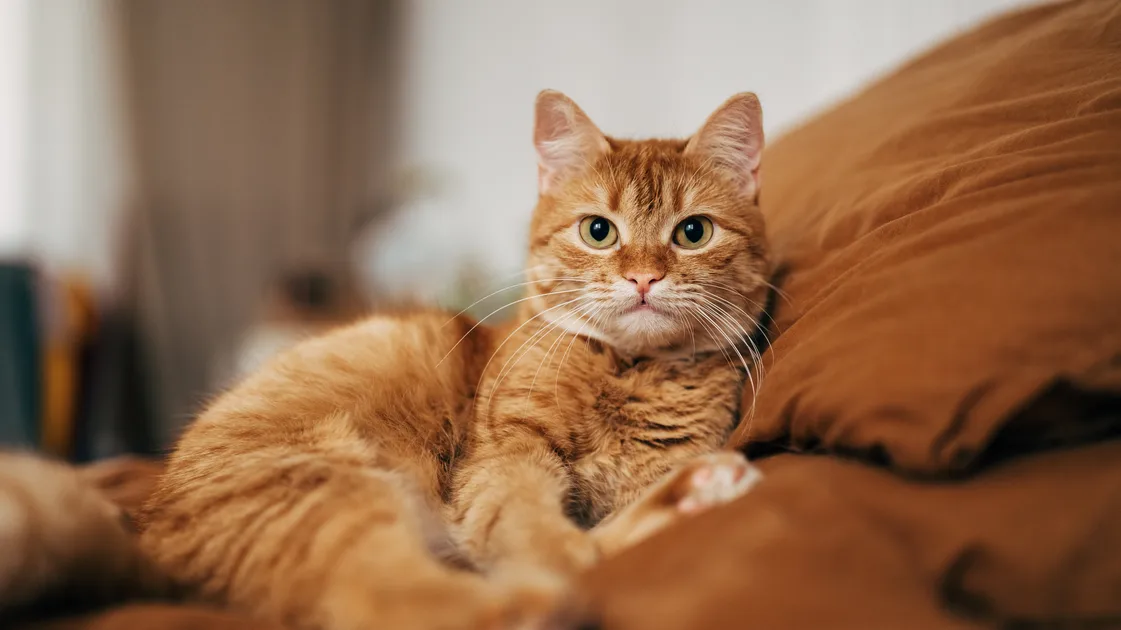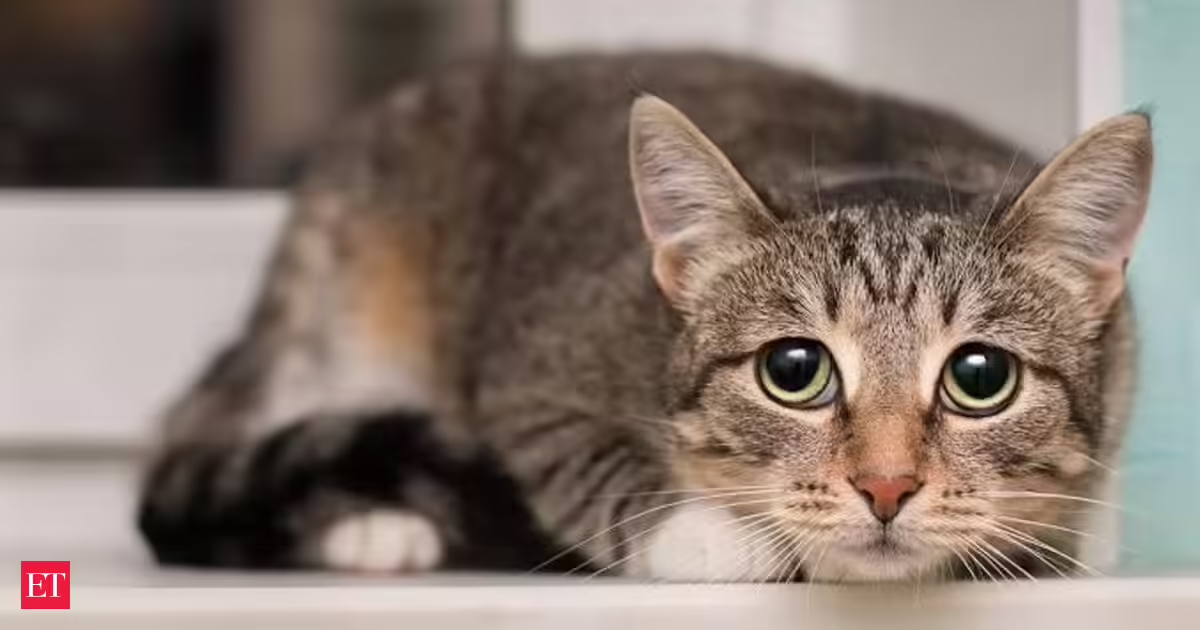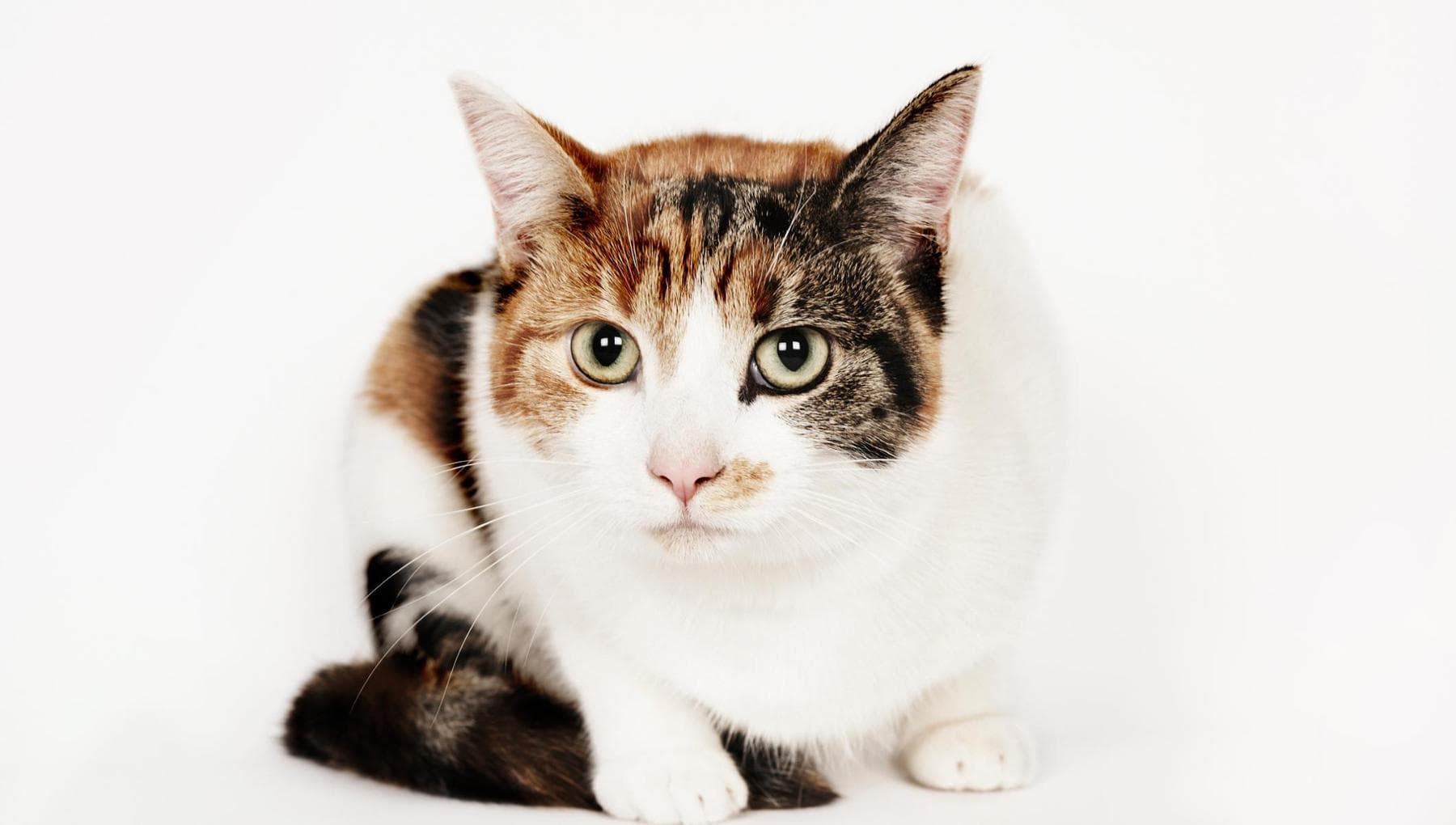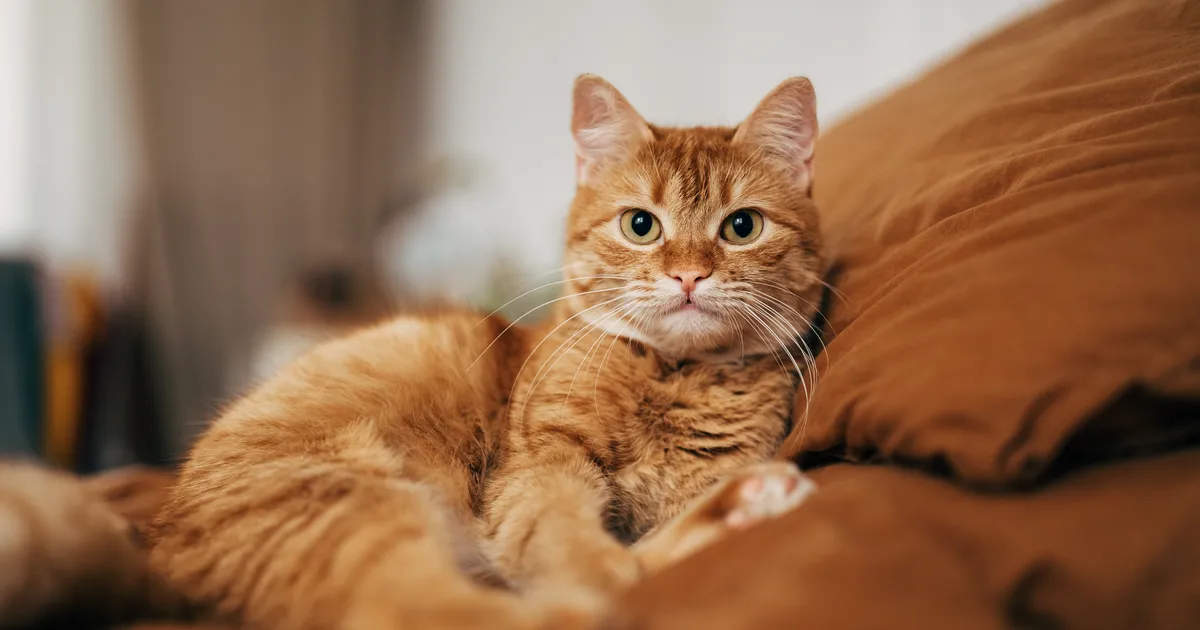
Cats are beloved family members, but they’re still mysterious creatures to us.“As popular as they are, they’re still very misunderstood,” said Dr. Kate Anderson, a board-certified veterinary behaviorist at Cornell University’s Duffield Institute for Animal Behavior. Cats are “mesopredators,” Anderson said, meaning they hunt and eat small things, but they also have evolved to avoid things that eat them, which leads them to hide stress. That “mesopredator status gets cats in trouble because they mask pain, and they mask when they’re not well until they’re really not well,” Anderson said. Here are the biggest behaviors to watch out for, so you can notice them before it’s too late:1. Certain Types Of Peeing (And Not Peeing) Can Be A Call For HelpElizabeth Fernandez via Getty ImagesVets said the most worrisome sign is if your cat tries to pee but can't.If your cat is not following their usual litter-box habit and is peeing where they’re not supposed to, this behavior is not out of spite –– it can be a sign of deep stress or unhappiness. Peeing outside the litter box is “the number one reason that they get relinquished to a shelter and euthanized in many cases,” Anderson said. “It is a life-threatening thing for cats when they’re misunderstood.”But when a cat sprays your couch, they are not purposefully flouting your house rules — it’s often because they feel threatened by the presence of another cat or stressed by something in their environment, Anderson said. And sometimes the fix is simple. “It could be that we need more litter boxes in more places,” Anderson said. This peeing habit can be addressed if you’re pro-active about seeking help for it. “People ignore it, and then it gets harder and harder to treat. So [when your] cat’s not peeing where you want them to pee, start working with your vet right away,” Anderson said. One 2021 study found that cats with this peeing issue got adopted at the same rates as other cats after they received medical and behavioral treatment for it. And if your cat can’t pee at all, take them to the emergency room ASAP. “Owners sometimes think, ‘My cat is constipated,’” said veterinarian Dr. Kate Elden, chief medical officer at Dutch. “But in cats, especially male cats, straining can mean they are blocked and cannot urinate. That is a true emergency.”2. Purring Can Be From Stress, Not Happiness Viktoriya Skorikova via Getty ImagesCats purr for many reasons and not all of them are from contentment. Relaxed cats do purr when cuddling with their favorite human, but purring is not always a sign of contentment –– sometimes it’s a sign of deep stress. When your cat is stressed or in pain, “it’s believed that purring may serve as self-soothing behavior and may even have physiological benefits, as the low-frequency vibrations produced during purring have been associated with tissue healing and pain modulation,” said Dr. Cassidy Alvarez, a veterinarian at Family Pet Animal Hospital in Chicago, Illinois.To recognize the difference between purring from contentment or distress, pay attention to what your cat is doing while they purr. “The key is to not judge the purr by the sound alone. Look at your whole cat,” Elden said. “A cat that is hiding, refusing food, breathing rapidly, sitting hunched over or seeming unusually quiet while purring may actually be in pain or feeling unwell,” Alvarez said. “Cats are masters at masking illness, so it is important to look at the whole picture.”3. Hiding Is Not NormalA scaredy-cat may be popular in movies, but this is not a healthy behavior in real-life cats. Cats can be shy around certain humans, and it’s normal if they walk away when you have company over. If you have a visitor in the home and they prefer to hide, give them a safe haven with their litter box and their food and water, Anderson said.“You don’t want to just drag them out and have them interact with someone, because that’s not going to help,” Anderson added. “I see sometimes parents encouraging their kid to pet the cat, and the cat’s moving away and saying clearly, ‘Please leave me alone.’”But a cat that won’t come out of hiding is a cause for alarm. If your social cat suddenly wants to stay hiding in a closet, take them to the vet. “Cats instinctively hide when they are sick or in pain because appearing vulnerable in the wild would make them an easy target for predators,” Alvarez said. “If your normally social cat suddenly disappears under the bed or in a closet for an extended period, especially if they are eating less, vomiting or acting differently, it warrants a prompt veterinary visit.”These signals are often the first warning sign you don’t want to ignore. “Unfortunately, cats can be very sick, and it can be recognized way too late,” Anderson said, who noted that cat owners tend to take their cats to vets less than dog owners. So don’t make that same mistake. Pay attention to these three commonly-misunderstood behaviors a cat may be doing. It could lead to the life-saving intervention your cat needs. “Delaying veterinary care because a cat is ‘just hiding’ or ‘still purring’ can allow serious conditions to progress. Early recognition and treatment almost always provide the best chance for a successful outcome,” Alvarez said.
Veterinarians Say These Subtle Cat Behaviors Can Signal Severe Emotional Distress
Too many cat owners think these behaviors are normal — but vets say they could even be life-threatening if ignored.
886 words~4 min read