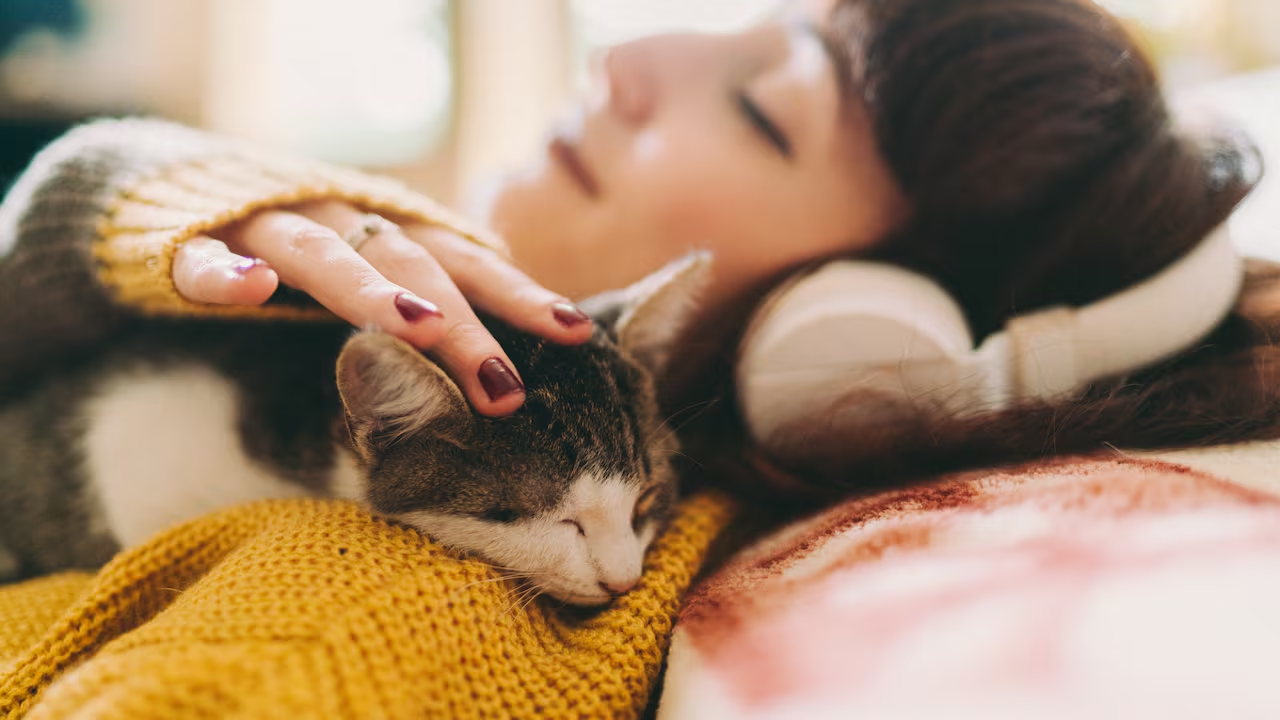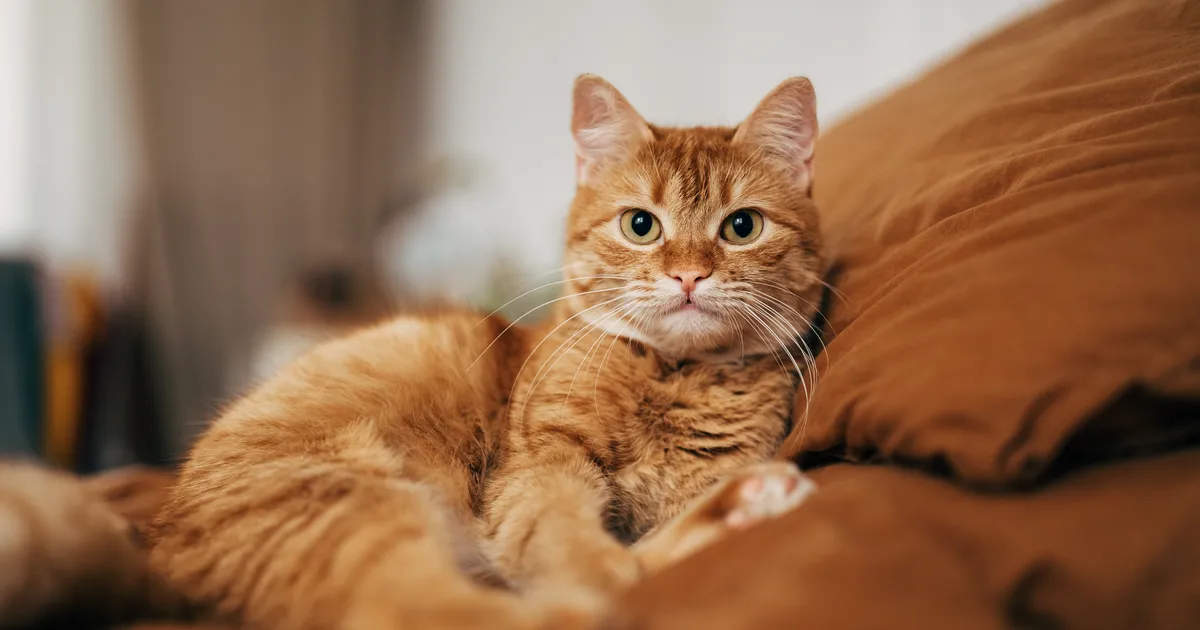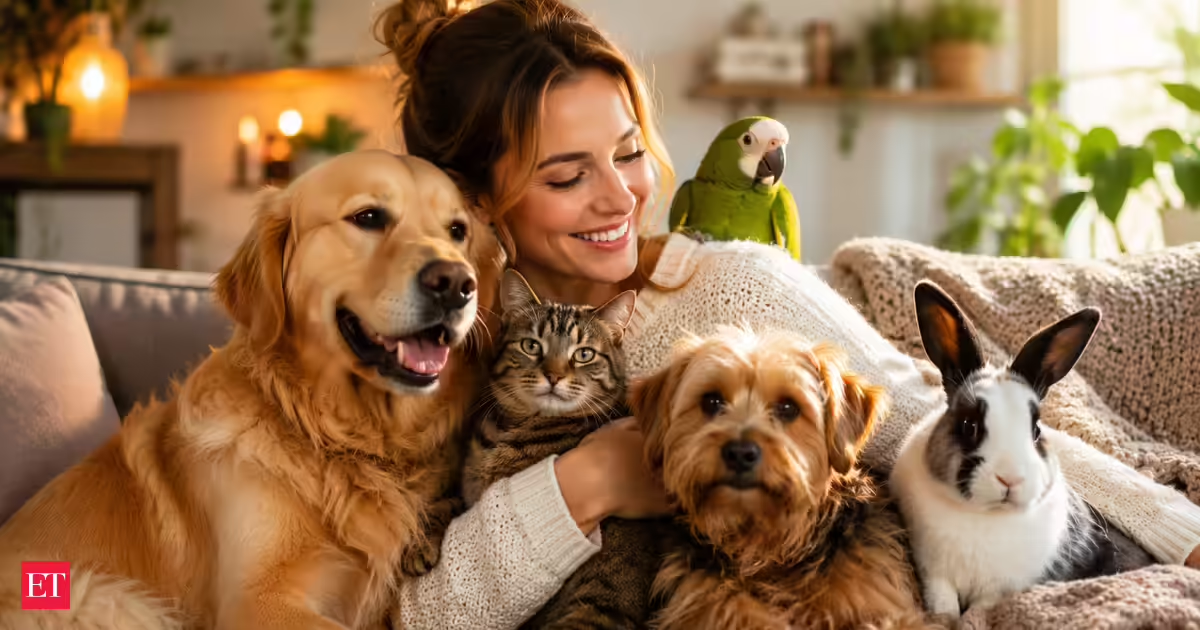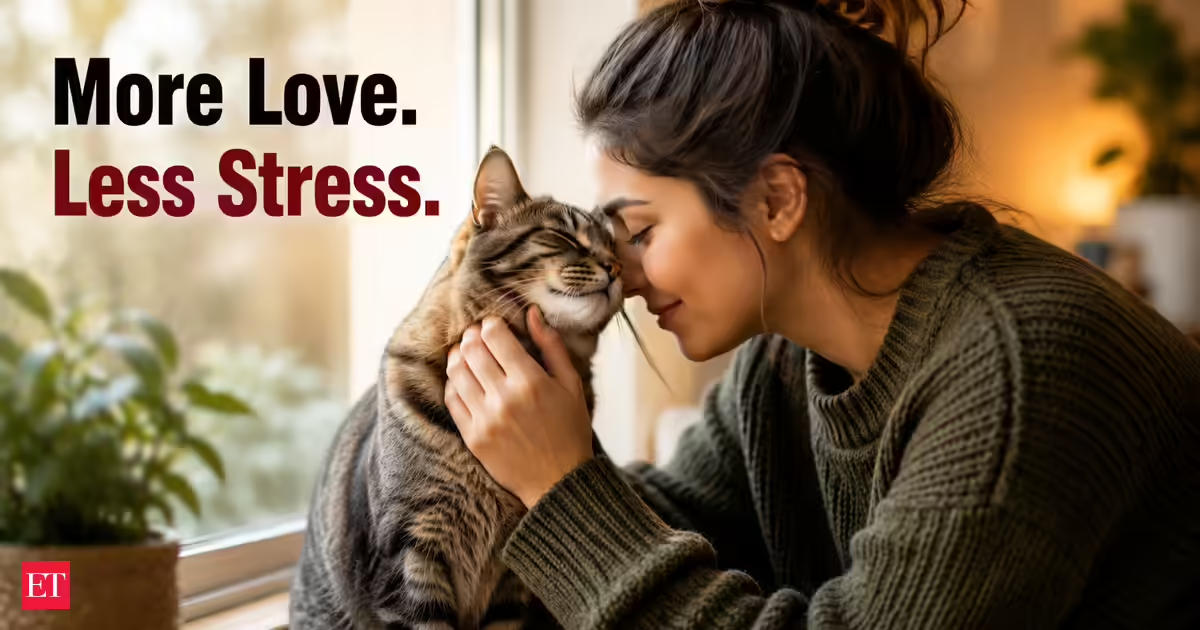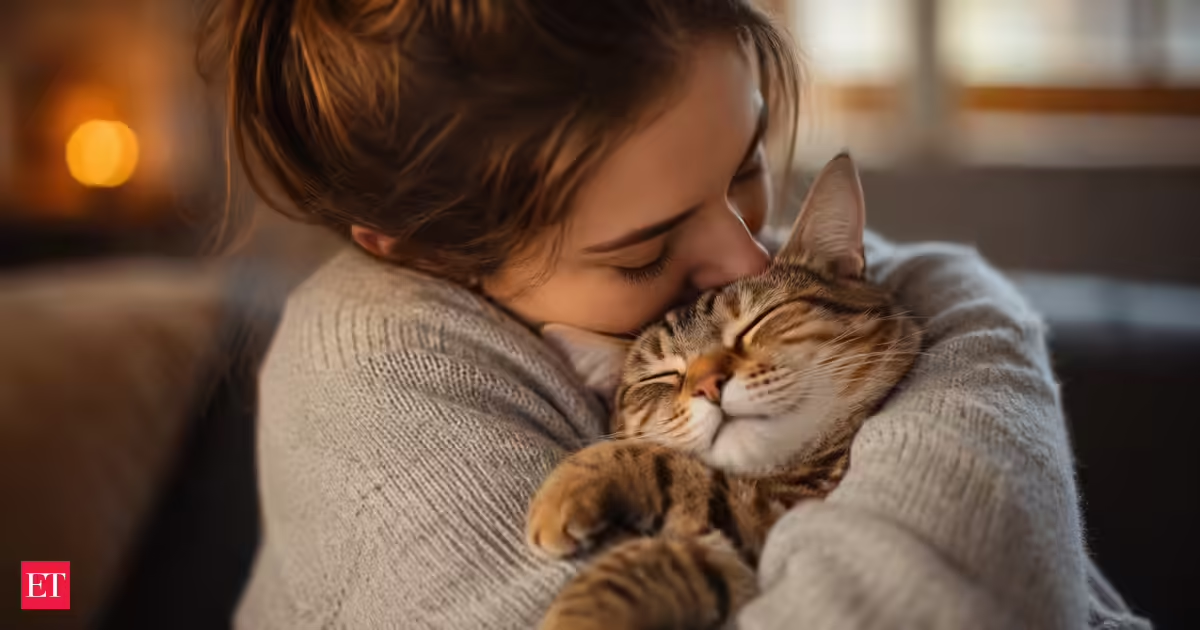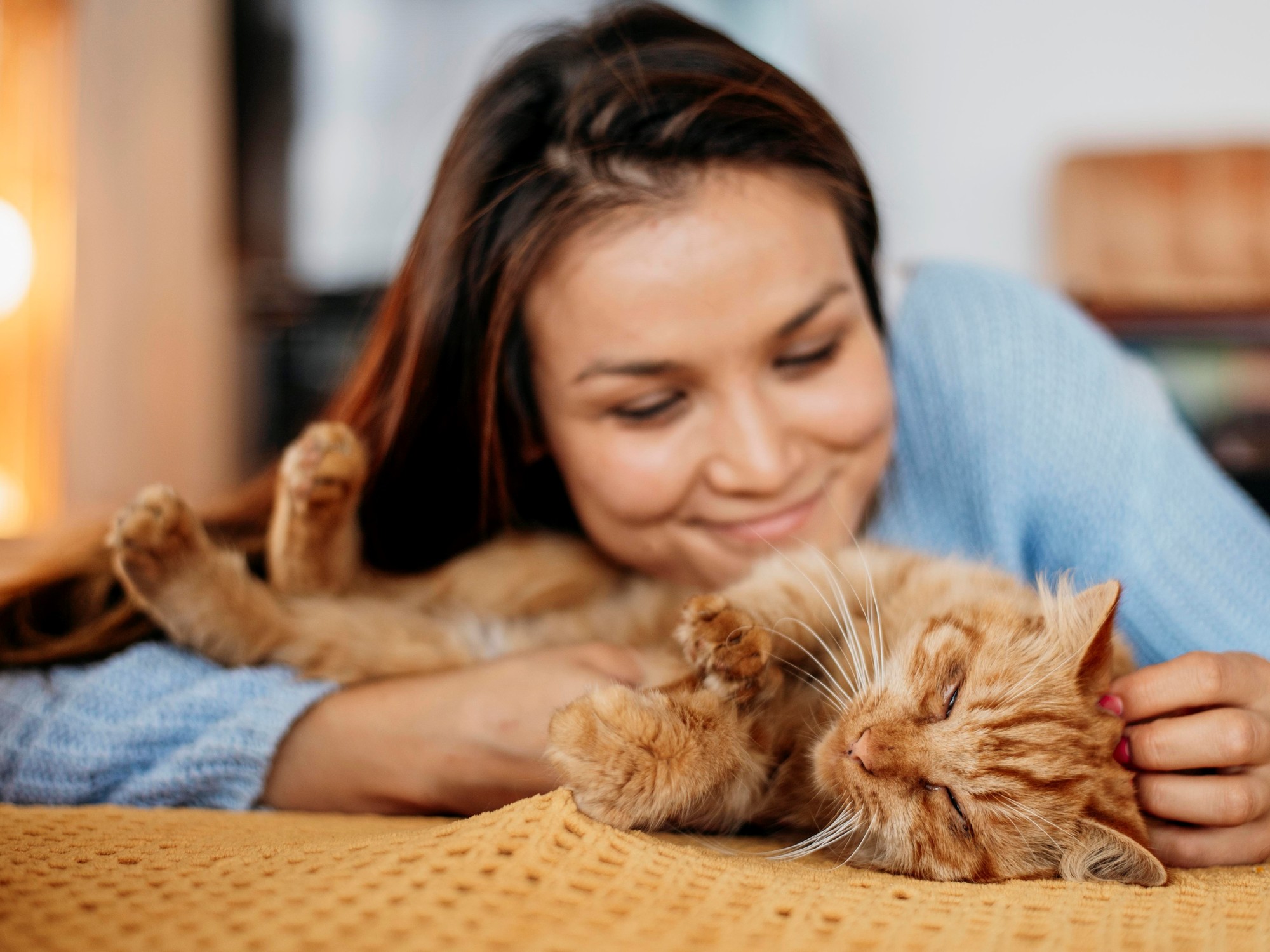
For many people, a cat is much more than a pet. They're greeted at the door after work, celebrated on birthdays, included in family photos, and cared for during illness just like any other loved one. To someone who has never owned a cat, this level of affection may seem surprising. But psychologists say strong emotional bonds with companion animals are common and are supported by decades of research.That doesn't mean everyone who loves cats shares the same personality. Some people prefer cats because of their independent nature, while others simply grew up with them. Still, several well-established psychological theories help explain why many people love their cats as deeply as they love close family members.Attachment doesn't only happen between peopleOne of the strongest explanations comes from Attachment Theory, originally developed by psychologist John Bowlby and later expanded by Mary Ainsworth. Although the theory first focused on relationships between children and caregivers, researchers have found that attachment processes can also extend to companion animals.Cats often become consistent sources of comfort, familiarity, and emotional security. For example, someone returning home after a stressful day may immediately seek out their cat because the interaction provides a sense of calm and emotional reassurance. Over time, the relationship becomes part of the person's emotional support system.Caring for a cat activates caregiving instinctsPsychologists also study the Caregiving System, which describes the natural tendency to nurture and protect those who depend on us. Feeding, grooming, playing, scheduling veterinary visits, and monitoring a cat's health all reinforce caregiving behaviors.For instance, someone may rearrange their daily schedule to give medication to an aging cat or stay awake during the night to comfort a sick pet. These repeated acts of care strengthen emotional attachment, much like caregiving does in many close relationships.Empathy helps strengthen the human-animal bondAnother important factor is Empathy. People who carefully notice a cat's body language, recognize changes in behavior, or respond to signs of fear or discomfort are often engaging empathic skills.Imagine noticing that your cat is hiding more than usual and immediately recognizing that something may be wrong. Responding with patience and concern strengthens the relationship because empathy encourages attentive caregiving rather than simply meeting basic needs.The human-animal bond benefits emotional well-beingPsychologists describe the Human-Animal Bond as the mutually beneficial relationship between people and companion animals.Research suggests that interacting with pets can reduce feelings of loneliness, encourage daily routines, and provide emotional companionship. For example, someone living alone may find comfort in greeting their cat every morning or spending quiet evenings together after work. The companionship doesn't replace human relationships, but it often becomes an important part of emotional well-being.Cats provide predictable comfort during stressful timesAnother explanation comes from Stress and Coping Theory, developed by psychologists Richard Lazarus and Susan Folkman. The theory suggests people use various coping resources to manage life's challenges.For many cat owners, spending time with a familiar pet becomes one healthy coping strategy. Petting a relaxed cat, hearing gentle purring, or simply sitting together can become calming rituals after difficult days. These interactions often help people emotionally recover from everyday stress.Shared routines strengthen emotional closenessPsychologists also point to Habit Formation. Many relationships become stronger through repeated daily interactions. Morning feeding, evening playtime, grooming sessions, and bedtime cuddles gradually become meaningful routines.The cue may be arriving home from work. The routine is greeting the cat. The reward is comfort, affection, and emotional connection. Over months and years, these repeated interactions deepen the relationship.Loving cats doesn't mean loving people lessOne common misconception is that people who deeply love cats prefer animals over humans. Psychology does not support that conclusion. Many devoted cat owners maintain rich friendships, strong family relationships, and active social lives.Their affection for cats simply reflects an additional source of emotional connection rather than a replacement for human relationships. Similarly, loving a cat like family doesn't mean treating the animal exactly like a person. It reflects the emotional importance the relationship holds in everyday life.Psychology suggests that people who love cats like family may be influenced by attachment, empathy, caregiving instincts, habit formation, and the broader human-animal bond.Rather than being "just pet owners," many people develop relationships that provide comfort, routine, companionship, and emotional security. The science suggests that these bonds are not unusual, they are a natural expression of the human capacity to form meaningful connections with those we care for, regardless of species.FAQsWhy do some people love their cats like family?Psychologists say attachment, caregiving behaviors, empathy, and daily companionship can create emotional bonds that become similar in importance to close family relationships.Is it psychologically normal to treat a cat like a family member?Yes. Research on the human-animal bond shows that many people form deep, healthy emotional attachments with companion animals.
Psychology says people who love cats like family may be looking for a reason to break free and fulfil a basic human need
Psychology says people who deeply love their cats may be influenced by attachment theory, empathy, caregiving instincts, and the psychology of human-animal relationships.
782 words~4 min read