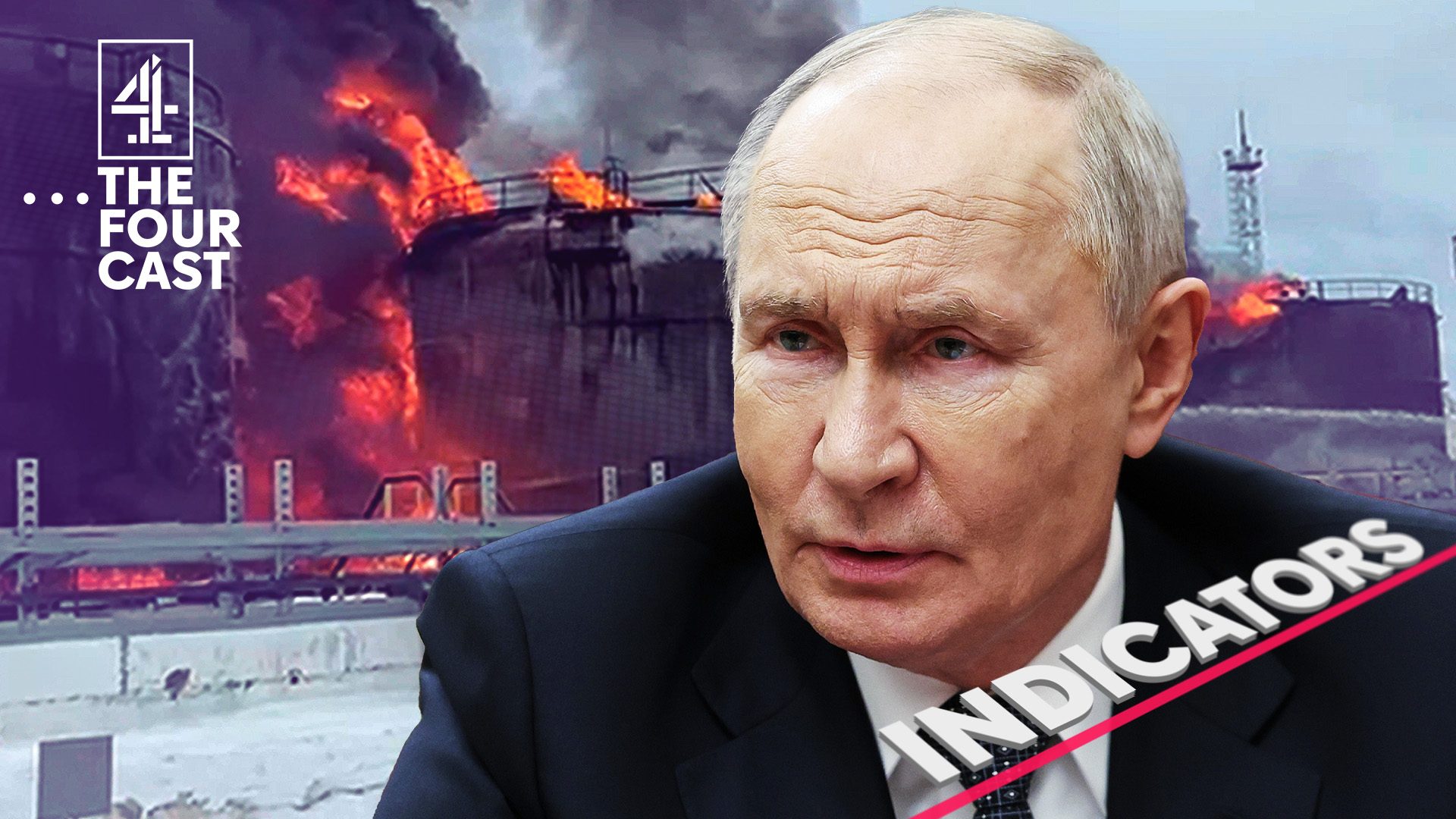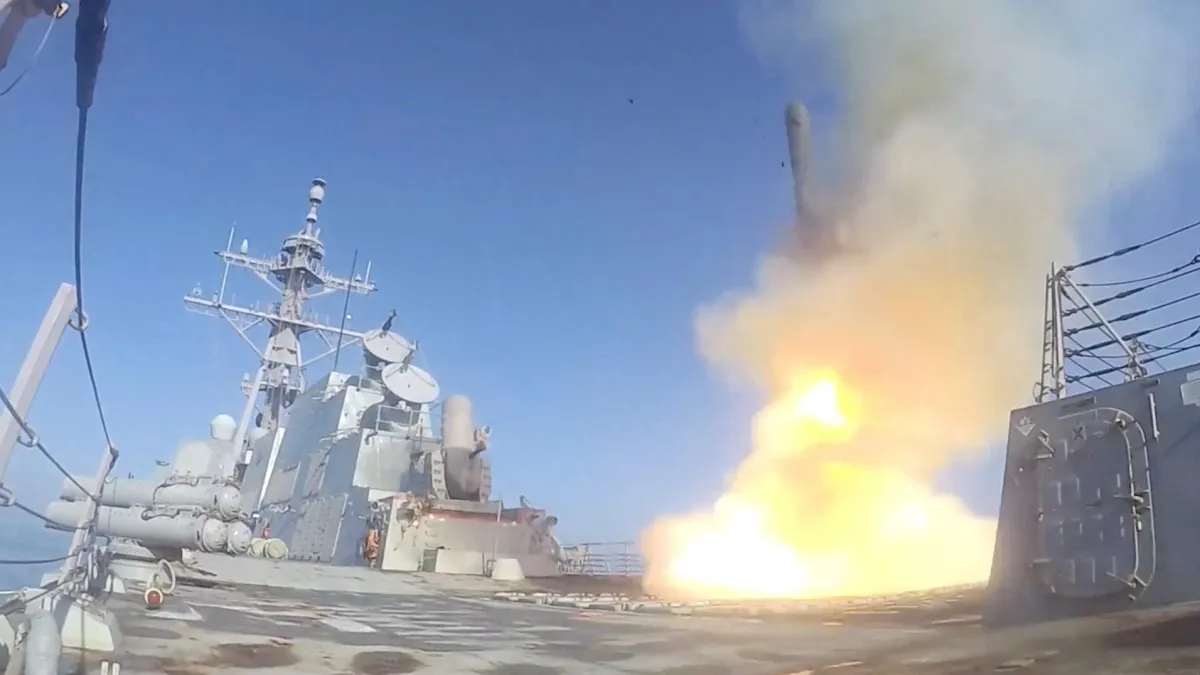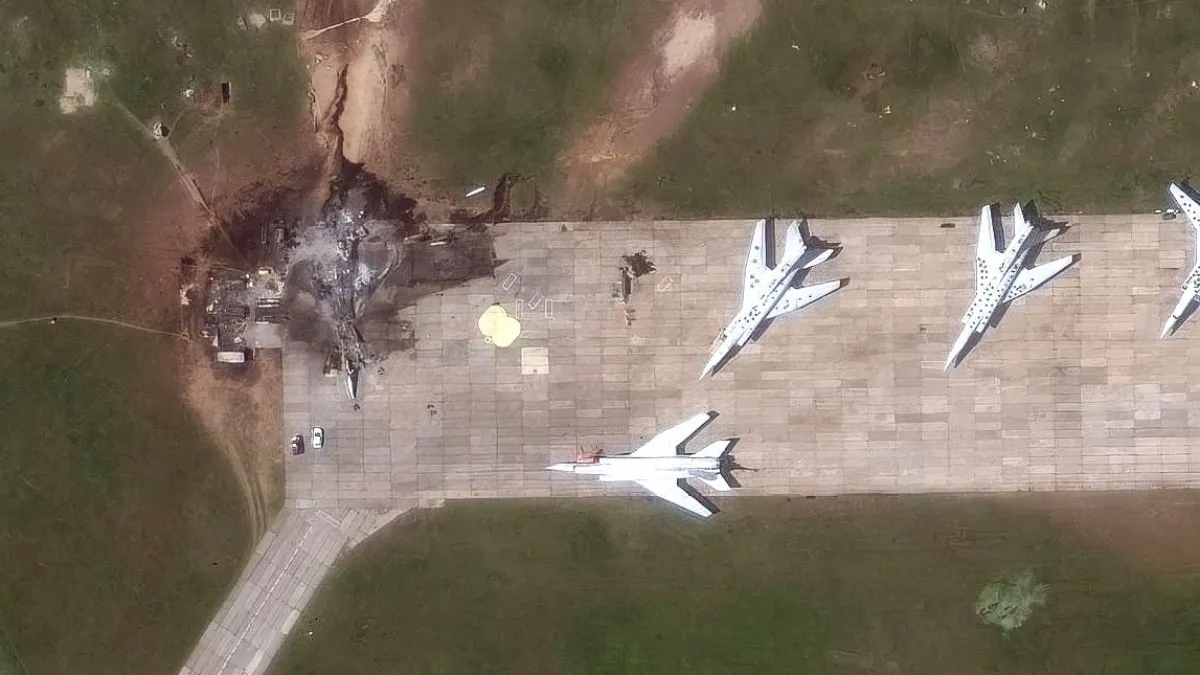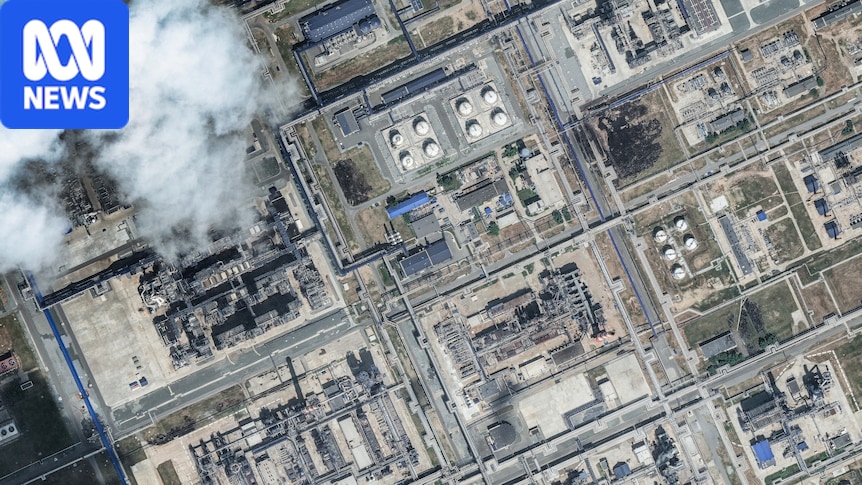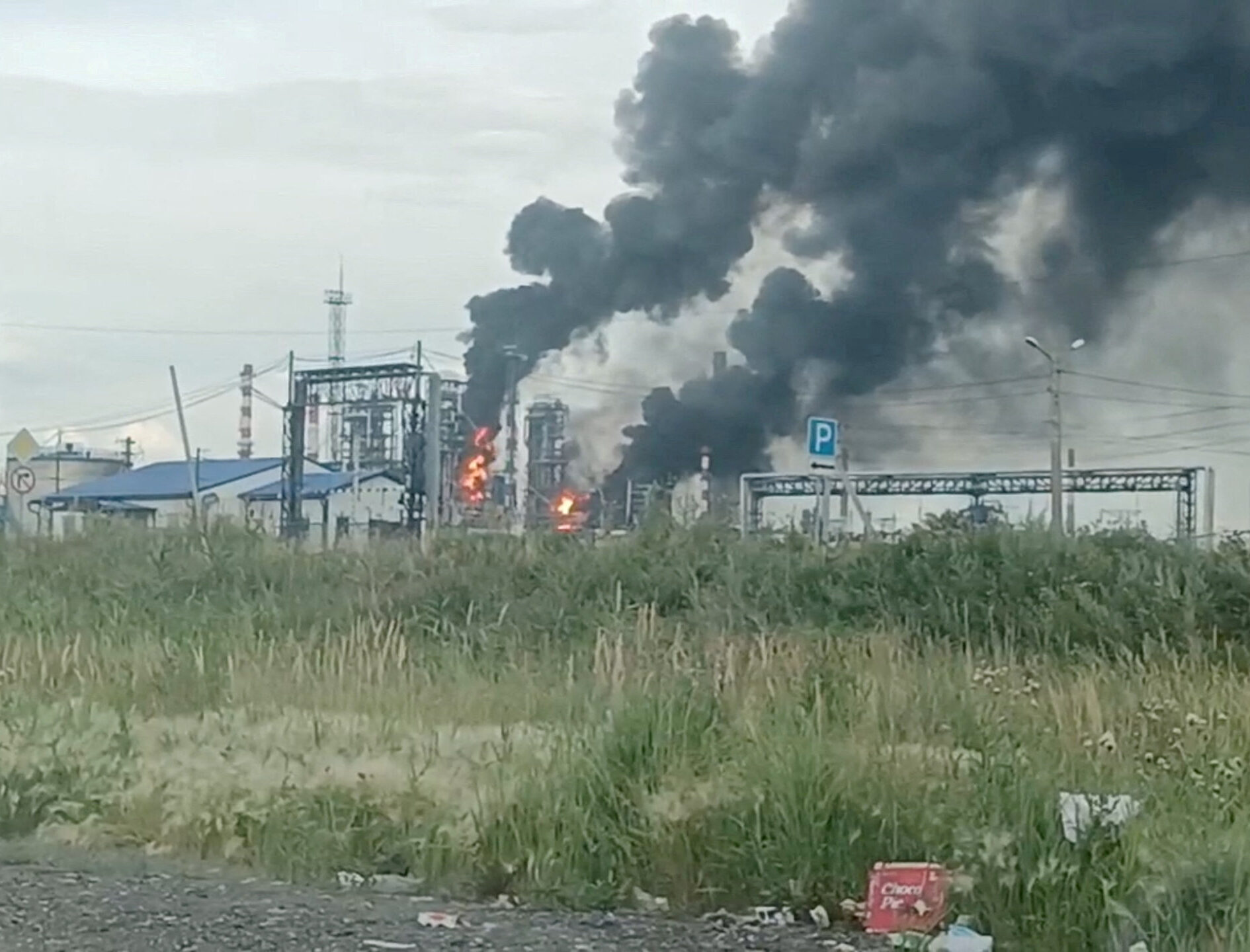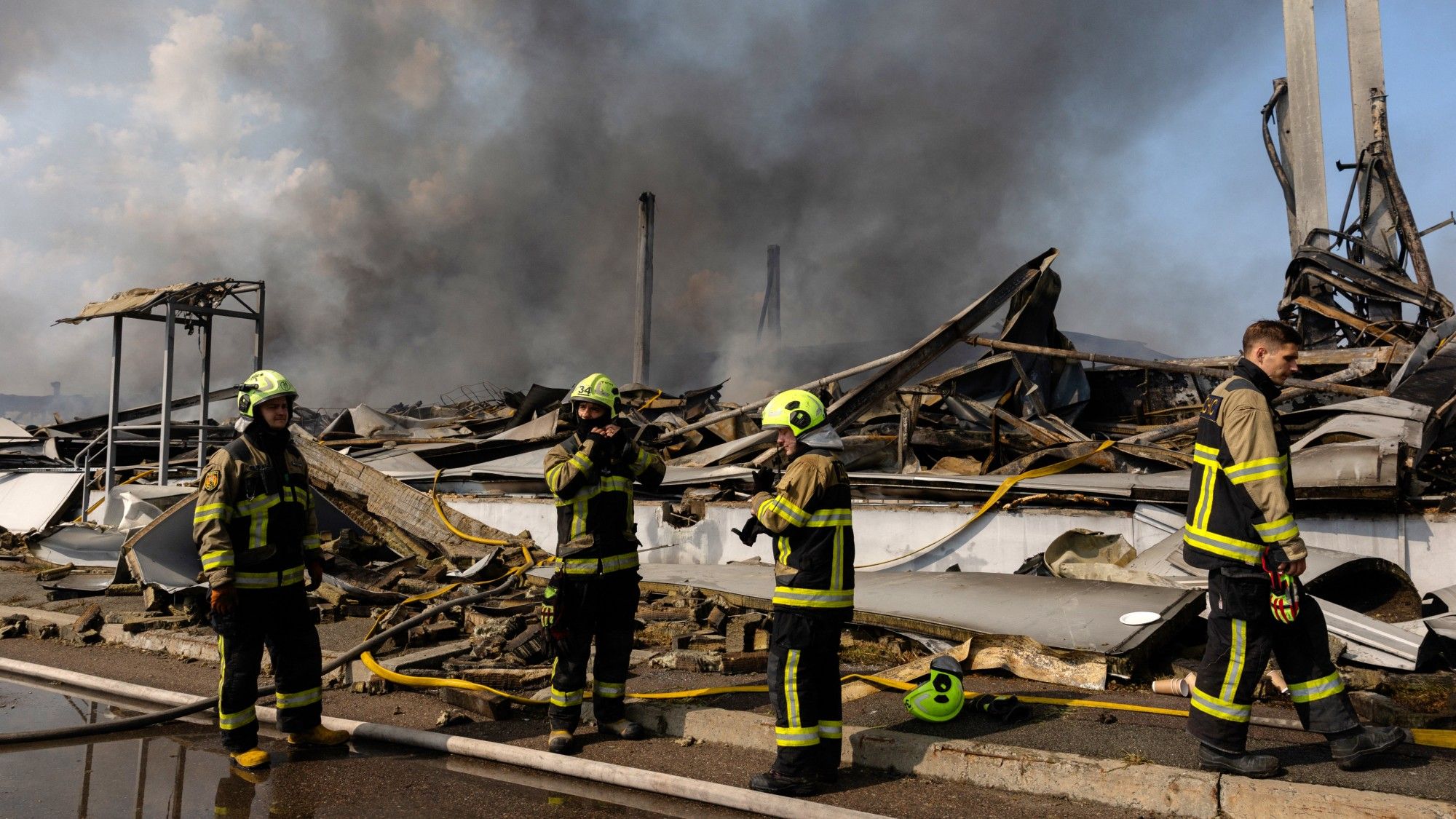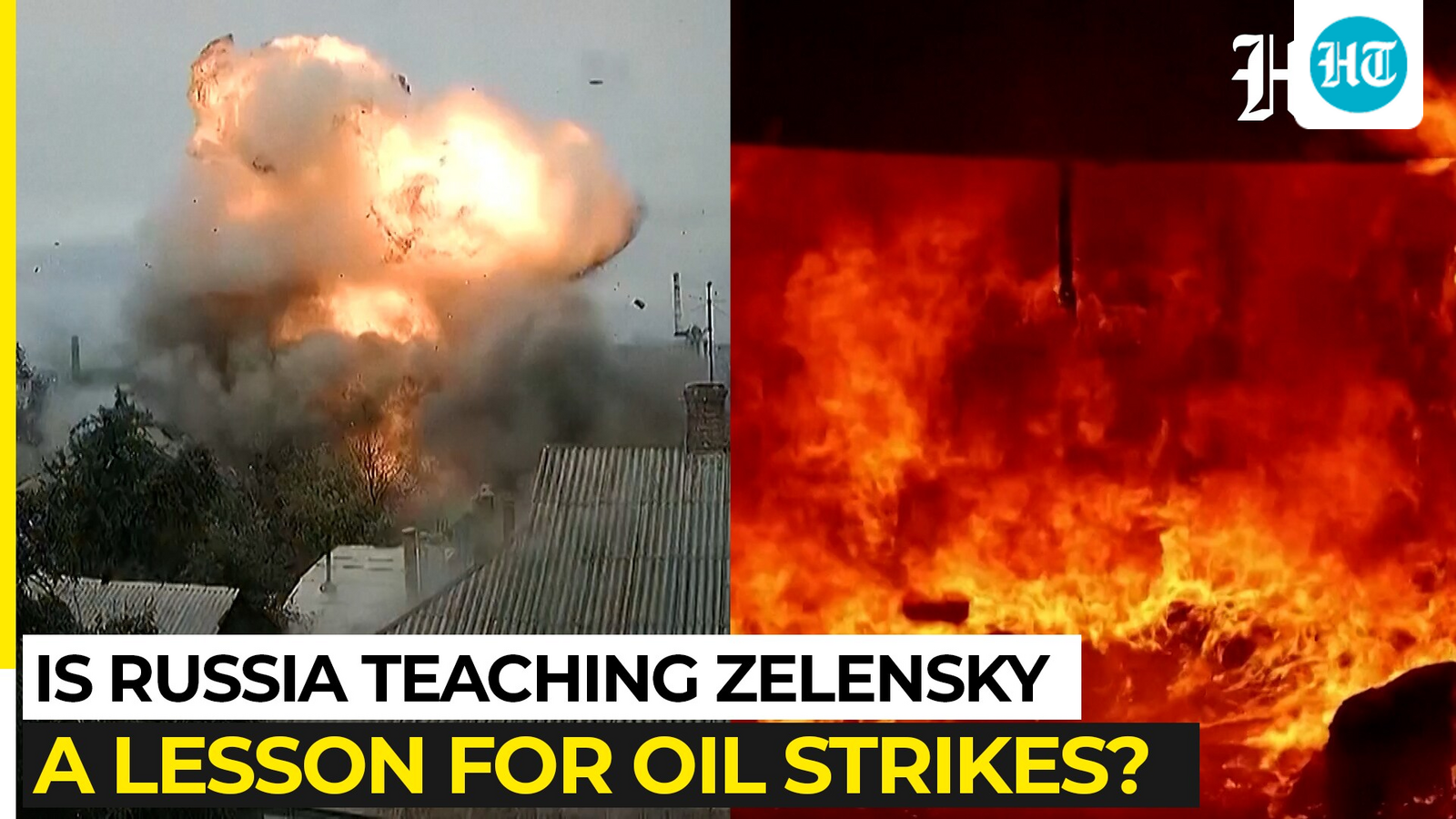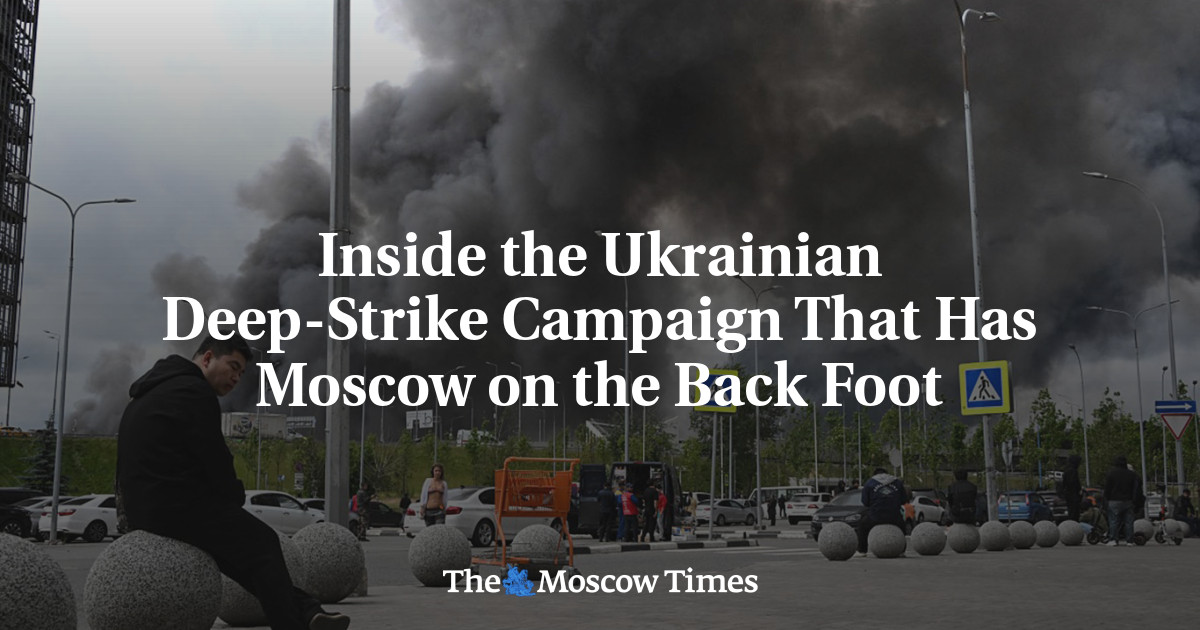
Russia’s war on Ukraine has entered its latest phase, with each side making use of increasing numbers of long-range munitions to strike deep into the other’s territory. In the early summer of this year, there was a surge of optimism across the media when it became clear that Ukraine was stepping up its strikes at enormous ranges into Russia, and there was little that Moscow could do about it. But that optimism needs to be balanced against the new reality that with anti-missile interceptor systems exhausted, there is not much Ukraine itself can do to blunt Russian missile attacks. For now, those attacks sow misery and death by blasting residential areas with little warning: but next winter, they could once again target heating and power infrastructure and have an even more devastating effect on Ukraine’s ability to keep its people alive than last year. Russia’s campaign against Ukrainian civilian infrastructure is not new: it began almost as soon as it became clear that Russia had failed in its initial objective of swiftly overrunning the country in February 2022. But its new character today results both from massive increases in the numbers of missiles and drones available to Russia, and the way they have outstripped Ukraine’s air defences. A crater outside of a Wildberries warehouse in the Moscow region – the result of Ukraine’s recent ramping up of long-range attacks inside Russia (Reuters)Ukraine’s shortages of missile interceptors, particularly the crucial Patriot systems, are well known – and in response, Russia has stepped up its use of ballistic missiles in mass attacks that Ukraine is at times unable to intercept.Meanwhile, American weapons like Patriot interceptors have been fired off in the US war on Iran in numbers vastly exceeding what has been provided to Ukraine, now reportedly leaving even America’s stockpiles almost exhausted. In fact, at present, Russia produces many more missiles than the collective West produces anti-missile defences. An announcement that the United States would offer Ukraine a licence to produce Patriots domestically also triggered a wave of optimism, which faded swiftly once it was calculated how long this would take to produce results, and the realisation set in that this was in place of, not as well as, ongoing shipments of missiles that are desperately needed today. And even the licensing promise has now been put in doubt. But it is the reluctance of Ukraine’s backers to provide munitions in meaningful numbers, and their determination to place limitations on their use, that has forced Ukraine to swiftly develop its own capabilities to carry out strikes into Russia at enormous ranges, and conduct its own campaign against key economic infrastructure. And Ukraine producing its own weapons systems has meant it is not answerable to foreign sponsors for how they are used, meaning an end to the limitations that in previous years saw the United States banning Ukraine from striking at Russia’s oil industries. In effect, independent weapons production is one of the factors that has seen Ukraine finally emerge as an independent actor in the war, making its own decisions and setting its own terms for resolution of the conflict, rather than being perceived just as a passive victim and a dependent of Western backers.The latest campaign has seen Ukraine shifting the focus of its attacks from oil refineries to warehouses belonging to Wildberries, a marketplace that accounts for more than half of online retail orders placed in Russia. The surprisingly flammable warehouses contained stock belonging to a huge number of companies and entrepreneurs making use of Wildberries services, alongside the stockists of military equipment supplying Russia’s soldiers at war.Normal Russians are being impacted as Ukraine’s new offensive hits oil refineries (AFP/Getty)The targeting of Wildberries, though, has a wider impact, exacerbating the pressure that had already led to a broader shakeup of the Russian economy, as belts are tightened both to fund the war and to pay for the damage it is inflicting on businesses in Russia.Russia has taken steps to address the fuel crisis caused by Ukraine’s earlier “kinetic sanctions” against the oil refining industry. Those have helped reduce shortages, and the epic queues and outbreaks of violence they sparked; but they cannot address the increased inflation that has fed through to the broader economy as a result of higher fuel prices, with a further cumulative impact on individuals and businesses across the country.But alongside the economic impact, there is the psychological one. Russians can see for themselves that their country is incapable of defending their businesses from the victim of Moscow’s aggression. And Russia’s leaders now have to consider the prospect of eventual peace talks with a victim that can strike into Russia itself at will if and when Moscow violates any ceasefire. In that respect, the Wildberries campaign is the latest result of a determined long-term programme by Ukraine to develop the ability to bring the war home to Russia’s own population, and show them that their country is not just conducting a “special military operation” far away but has embarked on a disastrous misadventure that will have consequences at home too. This can have tragic consequences too, such as the unfortunate incident on Black Sea beach earlier this week, where Ukraine’s missiles struck a Russian holiday village, and seven were killed, including three children.Aside from this incident, this campaign has consequences that will impact ordinary Russians in the long term. Videos posted to social media of Russians reacting to petrol shortages or burning warehouses are often as full of bewilderment as they are of profanity. Those shooting the videos repeatedly ask themselves what is happening, and why. Ukraine needs those Russians to arrive at the answer, and to understand that it lies in their country’s determination to wage a colonialist war of reconquest of its neighbour – and that the destruction will stop when Russia’s aggression is stopped. Despite Ukraine’s renewed efforts, Putin seems steadfast in his commitment to prolonged pain for his enemy as well as his own country’s people (AP)But while Ukraine’s supporters may find proliferating videos of Russia in flames deeply satisfying, it will take far more to bring about a suspension of Russia’s war, let alone a lasting peace. No matter how much discontent may spread among Russia’s population, it will take far more to convince those in the Kremlin that the benefits of the war outweigh its costs. Vladimir Putin has already publicly dismissed the warnings of senior bankers and economists that the war is subjecting Russia’s economy to unsustainable strain, and throughout 2025 he repeatedly rejected the ceasefire terms forced on Ukraine by US president Donald Trump. For the time being, it seems Putin is still convinced that Russia has more to gain from continuing to destroy its people and its economy in an attempt to subjugate Ukraine than from freezing the conflict and pocketing its gains to date.That means that convincing him otherwise will take still greater efforts from Ukraine’s drone and missile designers, and continued political and economic support from its Western coalition of backers to finish the job. The latest phase of the war is an encouraging one, but nobody should take it for granted that it is a shortcut to Russia ceasing its onslaught.
Ukraine are hitting deep inside Russia – but don’t expect Putin to capitulate
The reluctance of allies to provide the weapons needed to take the fight to Moscow has seen the Ukrainians carry out their own campaign against their enemies’ infrastructure – but, Keir Giles writes, we know by now that Russia’s leader is happy to let his country burn
1,197 words~5 min read