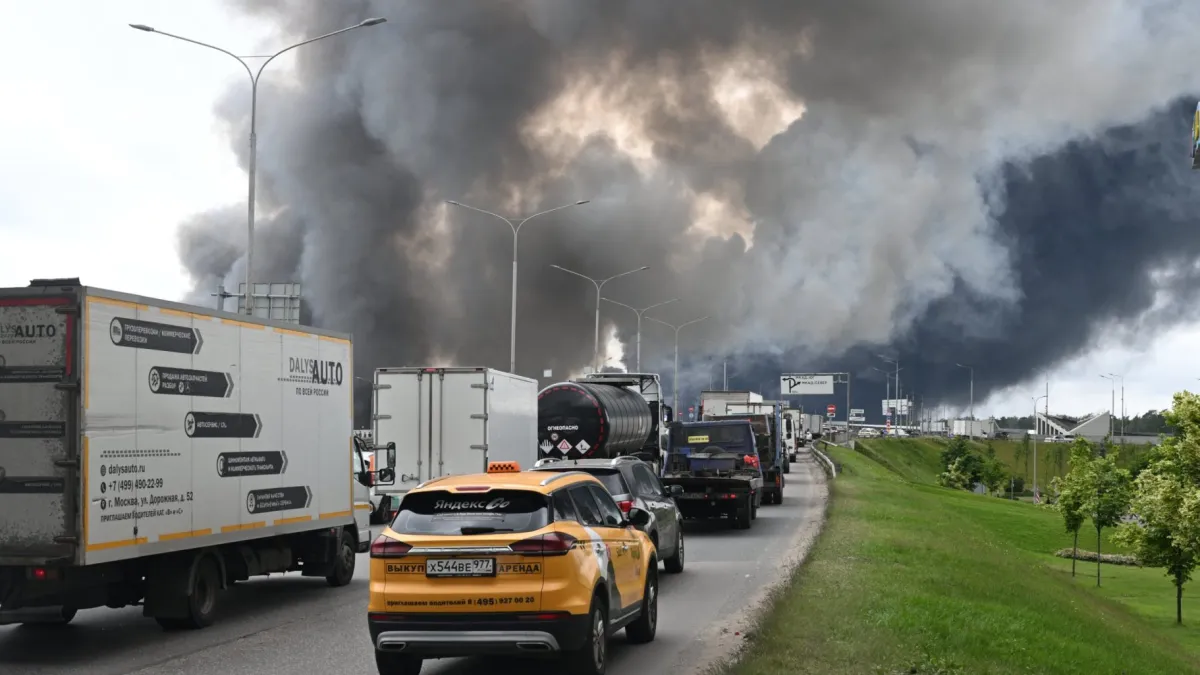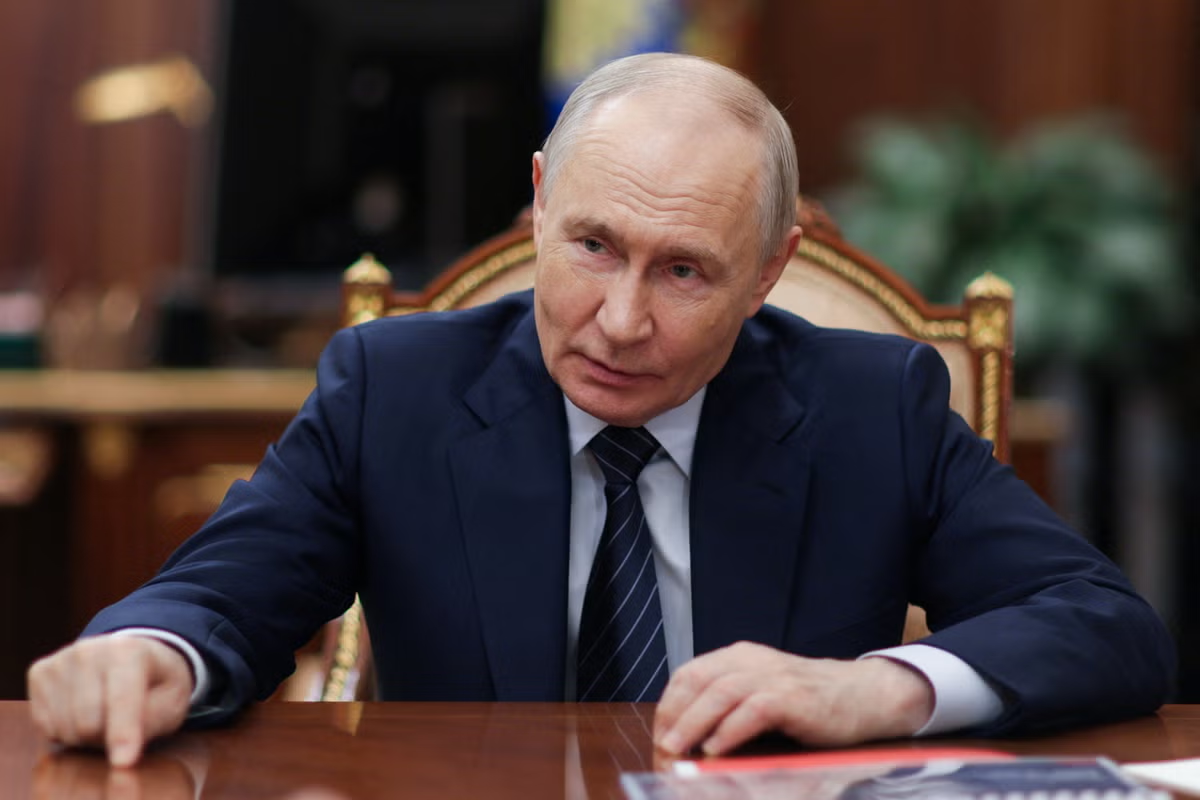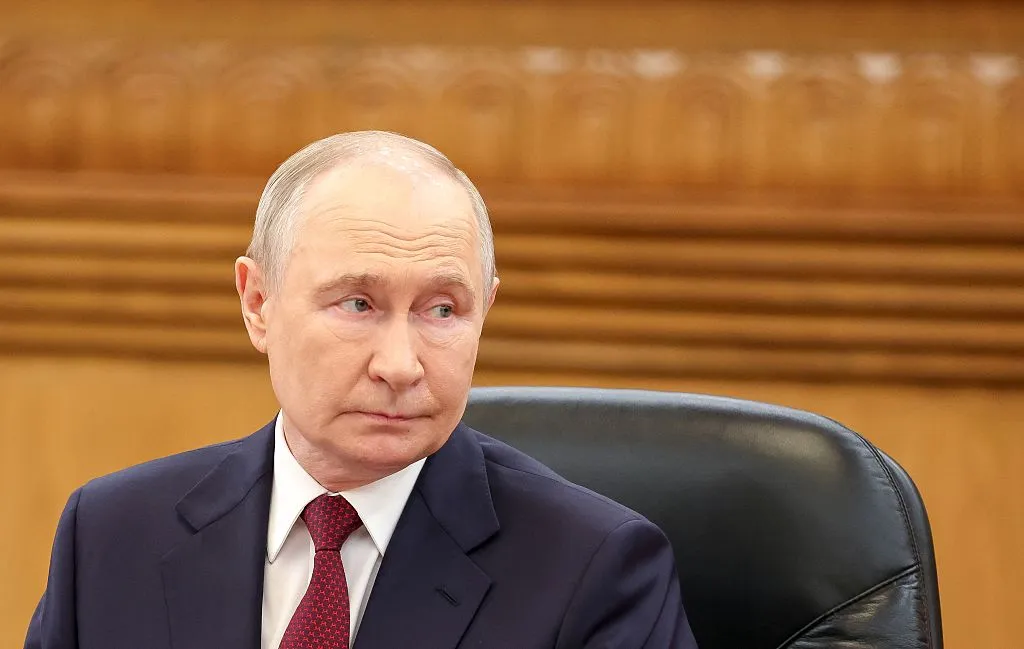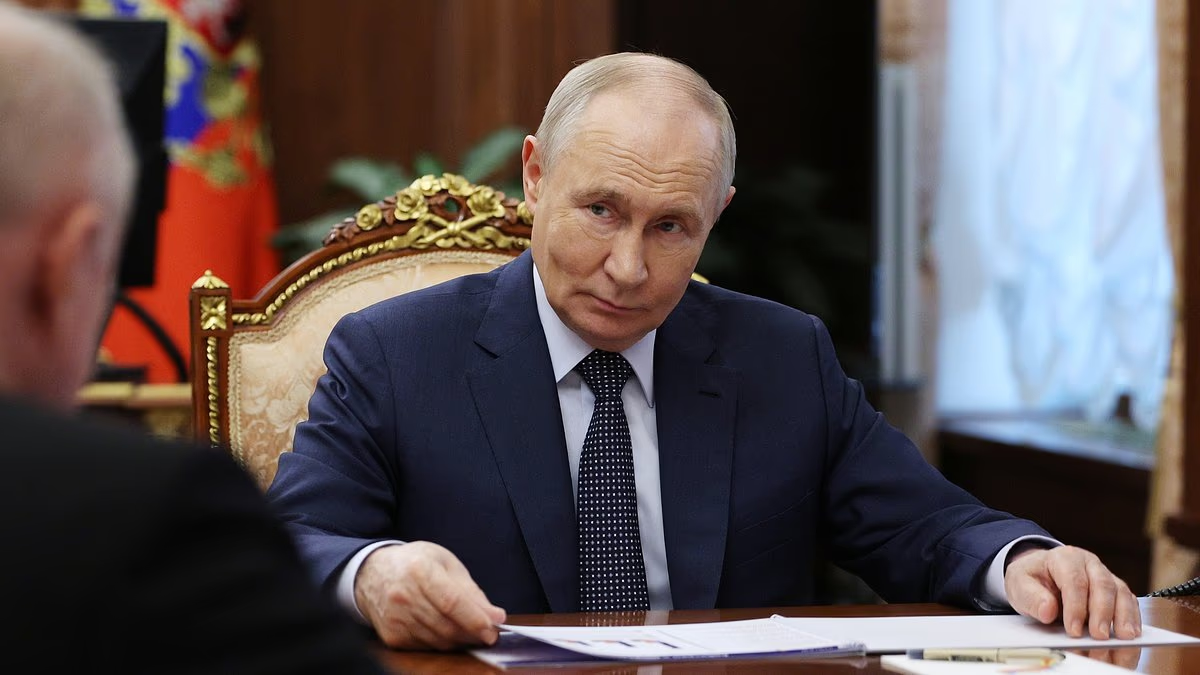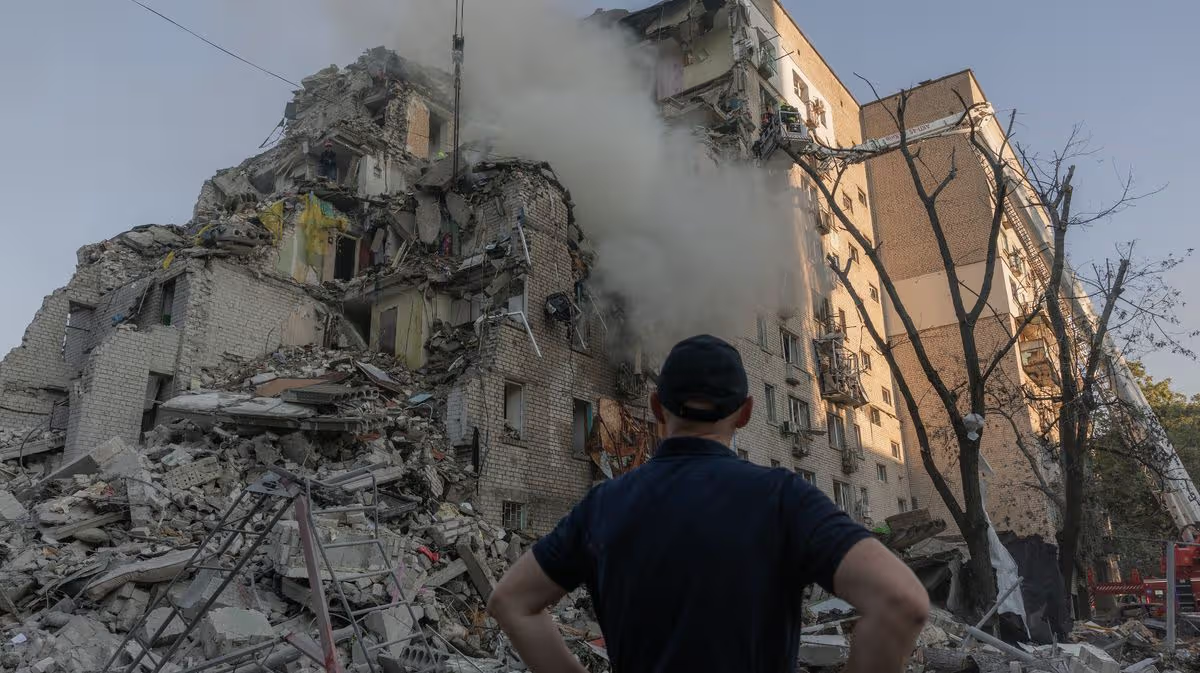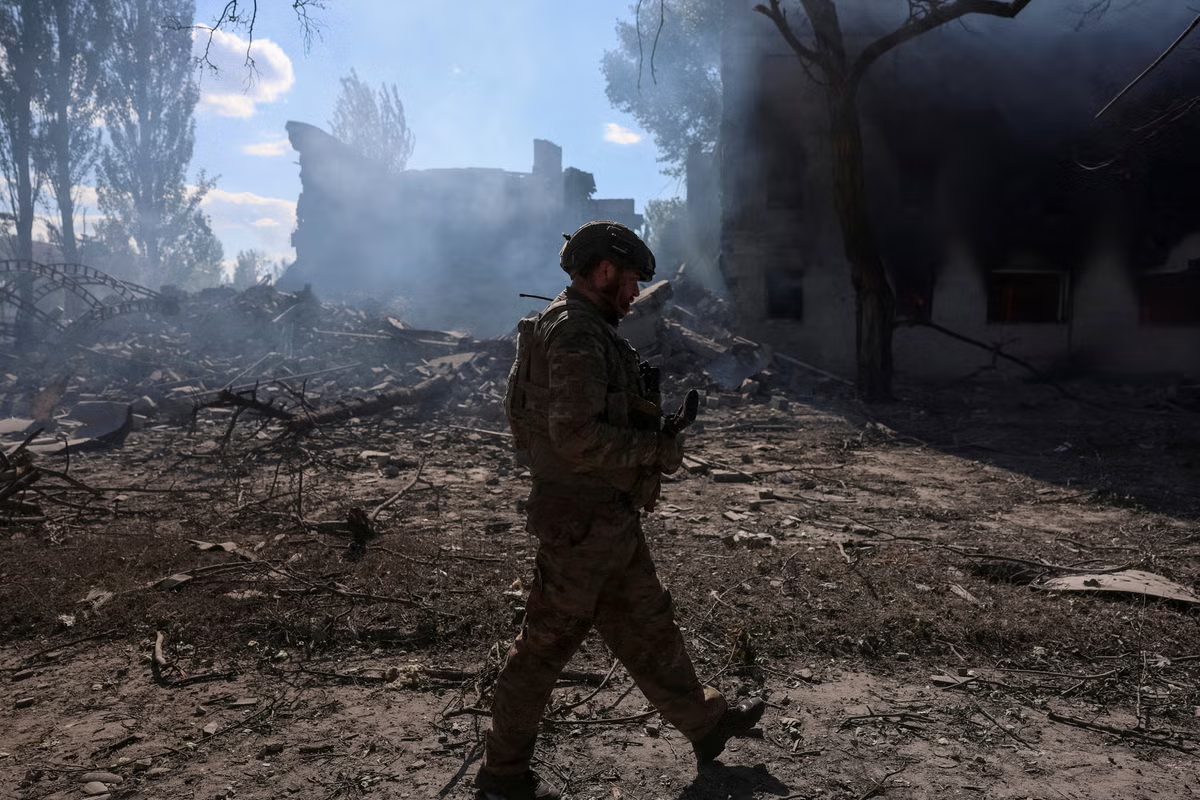
On July 1, Russia unleashed a massive airstrike on Kyiv. Russian President Vladimir Putin no doubt intended it as a show of dominance to offset renewed claims that Ukraine is gaining ground on the battlefield. But Moscow’s continued reliance on such heavy-handed strategies is better read as a sign of weakness. Ukraine’s leaders, military, and people understand that whatever horrors Russia unleashes will not break them.
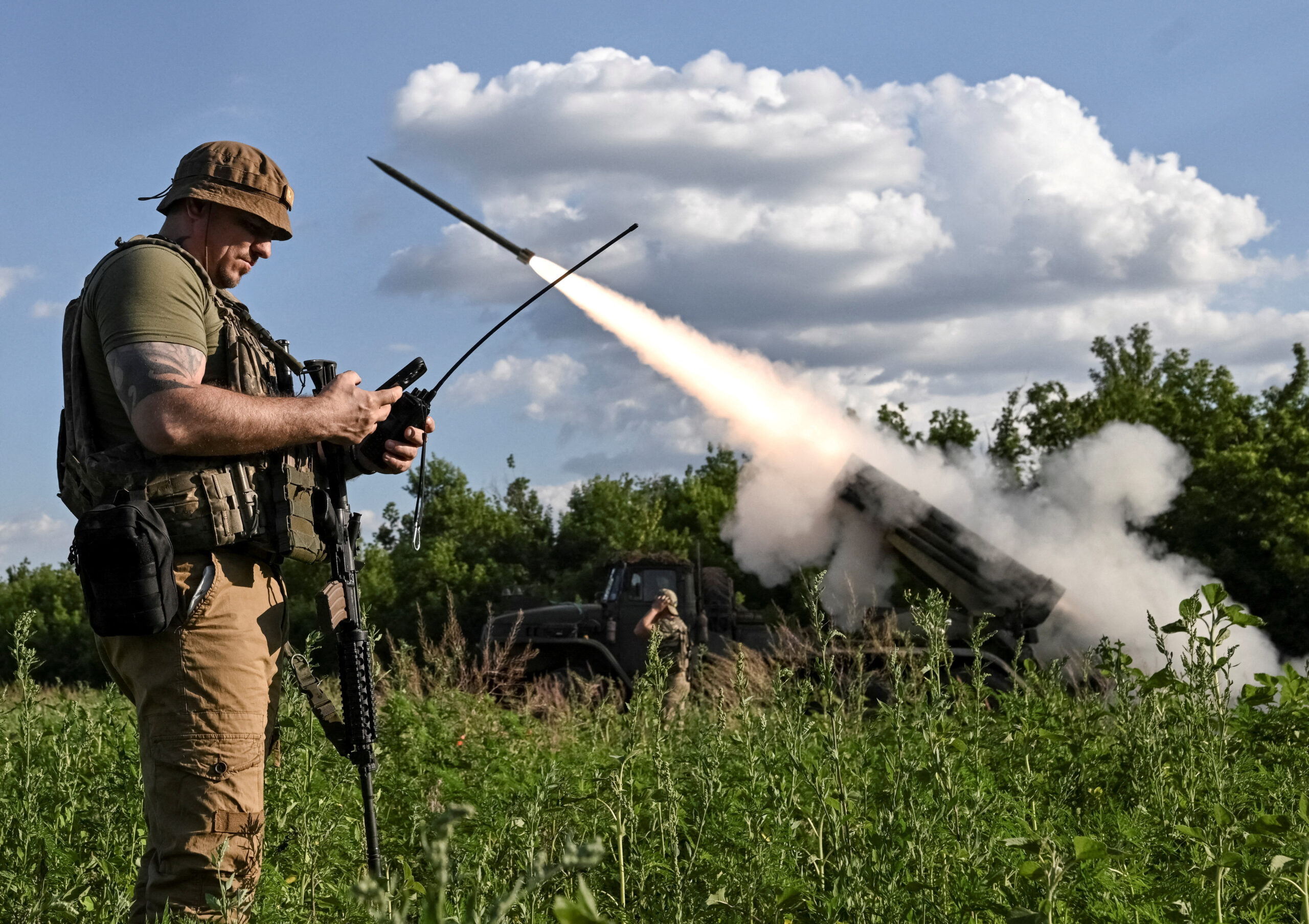
In recent months, Ukraine’s fortunes have rebounded dramatically. Kyiv’s increasingly robotized, automated armed forces have slowed Russia’s advance to a bloody crawl and in many cases even won back territory. At the same time, Ukraine’s ever more effective long-range strike campaign against Russian energy infrastructure has prevented Russia’s export-driven economy from fully capitalizing on oil price spikes. Globally, Ukrainian defense innovation and integration have earned the country a special status among the world’s defense producers as a uniquely experienced operator in contemporary conventional warfare.
On July 1, Russia unleashed a massive airstrike on Kyiv. Russian President Vladimir Putin no doubt intended it as a show of dominance to offset renewed claims that Ukraine is gaining ground on the battlefield. But Moscow’s continued reliance on such heavy-handed strategies is better read as a sign of weakness. Ukraine’s leaders, military, and people understand that whatever horrors Russia unleashes will not break them.