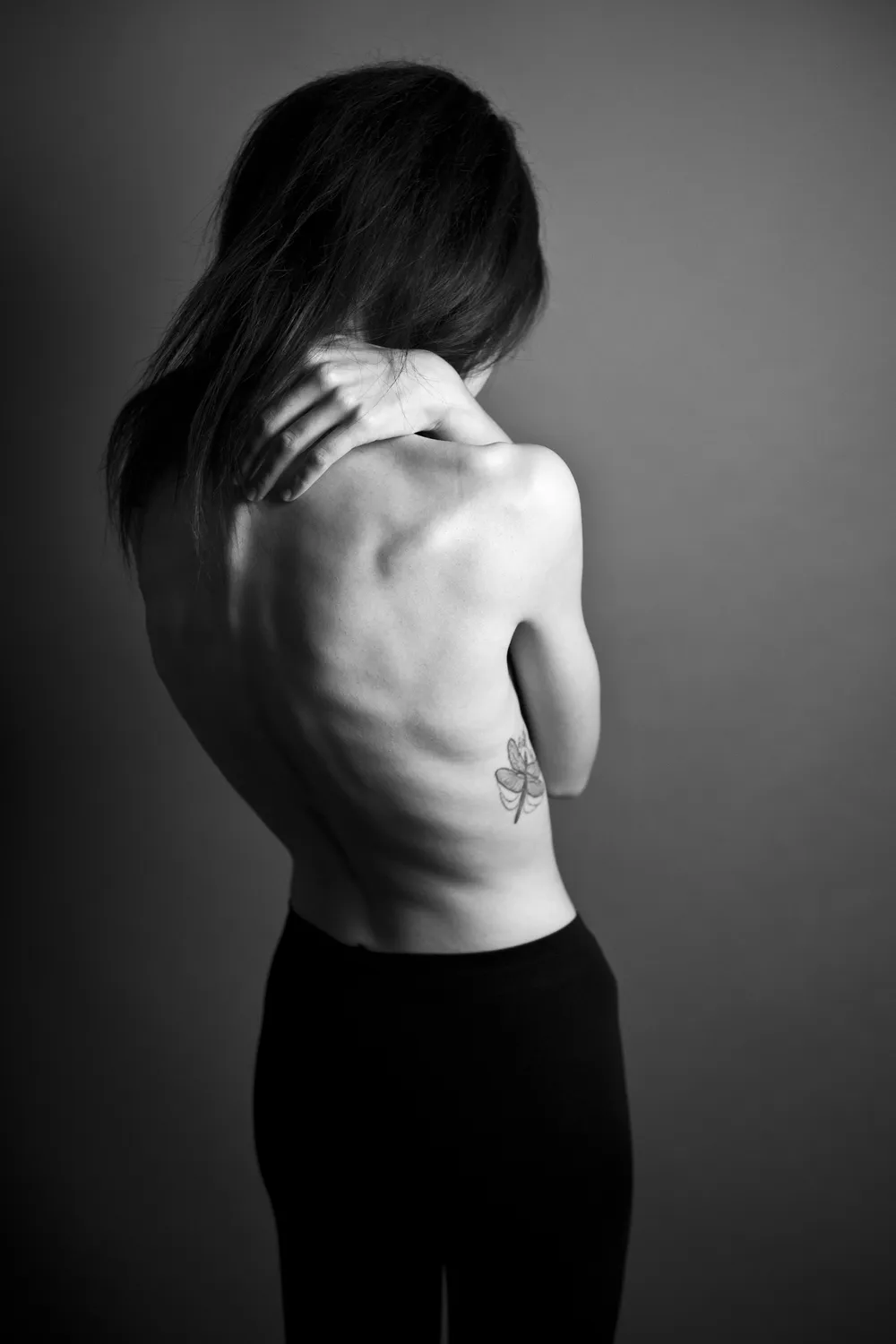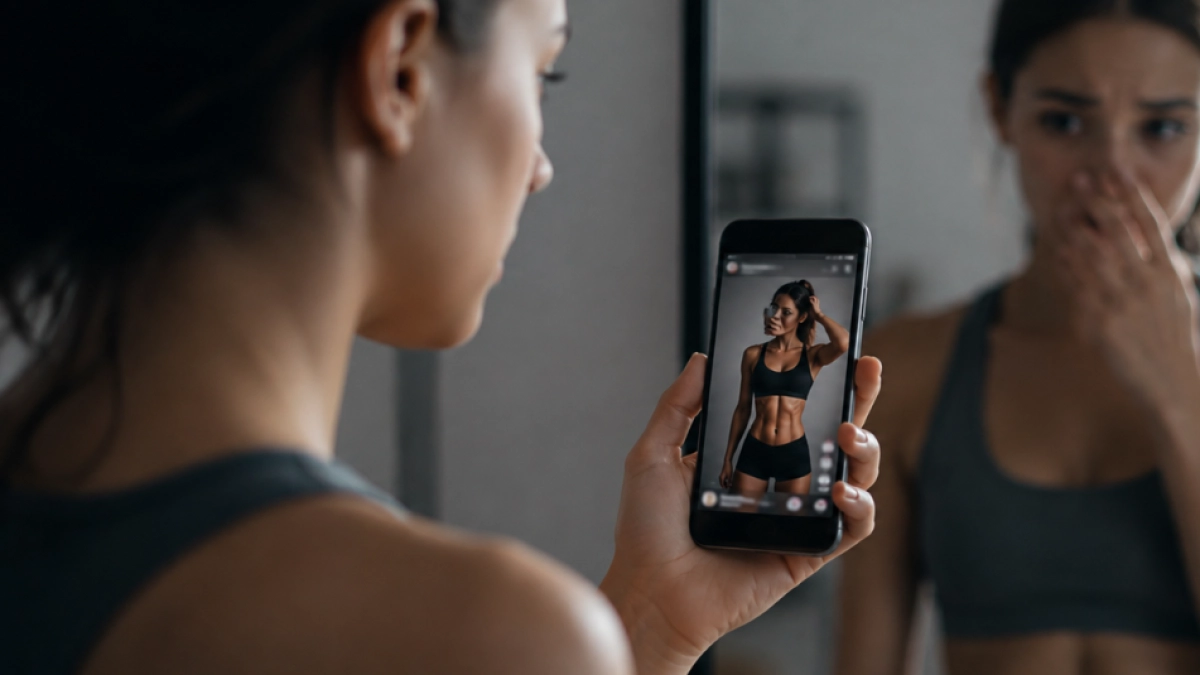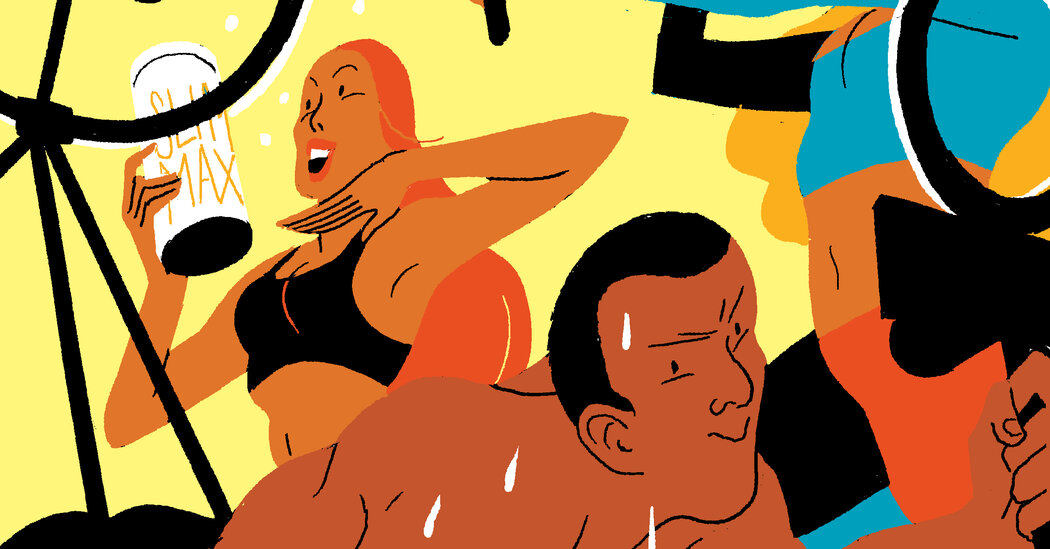
Extreme dieting has given way to protein targets, step counts and body tracking, but experts warn the pursuit of the ‘perfect’ healthy body can become compulsive, fuel anxiety and even mask disordered eatingNirit Zuk|The debate over body image returned to the spotlight this week after Israeli model Eden Fines posted vacation photos from Paris showing her in a crop top and with a very slim figure.Actress and model Liat Bello, who has previously spoken about struggling with eating disorders, responded by posting one of Fines’ photos to her Instagram story and criticizing what she described as a culture that glorifies thinness.GallerySelf-worth can become tied to body image instead of who we are (Photo: Shutterstock/Hryshchyshen Serhii)“It’s time to stop worshiping thinness and start worshiping health,” she wrote.But is health itself something we should be worshiping?The wellness trend has become increasingly dominant in recent years. On social media and in everyday life, it is difficult to avoid young people talking about how much protein they eat, counting their steps, searching for new workout methods and documenting nearly everything they consume.Along the way, some may take supplements or vitamins that are not necessarily appropriate for them, adopt diets based on TikTok trends without medical supervision or exercise in potentially harmful ways.That raises a more uncomfortable question: Has wellness simply become a new version of diet culture?“The thinness trend was centered around one simple and destructive message: ‘As little as possible,’” said Dr. Ofri Yalin, a clinical dietitian and postdoctoral researcher at the Israeli Center on Addiction and Mental Health at the Hebrew University of Jerusalem.“The goal was extreme thinness, and the methods were usually drastic calorie restriction and excessive cardio exercise. In practice, that meant eating as few calories as possible, seeing the lowest possible number on the scale and wearing the smallest clothing sizes, all in line with the heroin-chic ideal of the 1990s or the thigh-gap test of the 2000s.”Today’s wellness culture looks different.“The current ‘health’ trend focuses on looking strong, energetic and full of vitality,” Yalin said. “On the surface, that sounds like a positive shift, but in practice extreme thinness has been replaced by the ideal of being toned.“The stated goal is health, longevity and maximum fitness, but the control and rigidity have remained exactly the same. They have simply transformed from calorie counting into protein counting, step counting and tracking different measurements.”That sounds positive. Where does it become a problem?
‘They think they’re being healthy’: When wellness turns into obsession
Extreme dieting has given way to protein targets, step counts and body tracking, but experts warn the pursuit of the ‘perfect’ healthy body can become compulsive, fuel anxiety and even mask disordered eating
1,471 words~7 min read