Dr. Jordan Shlain has seen them all.
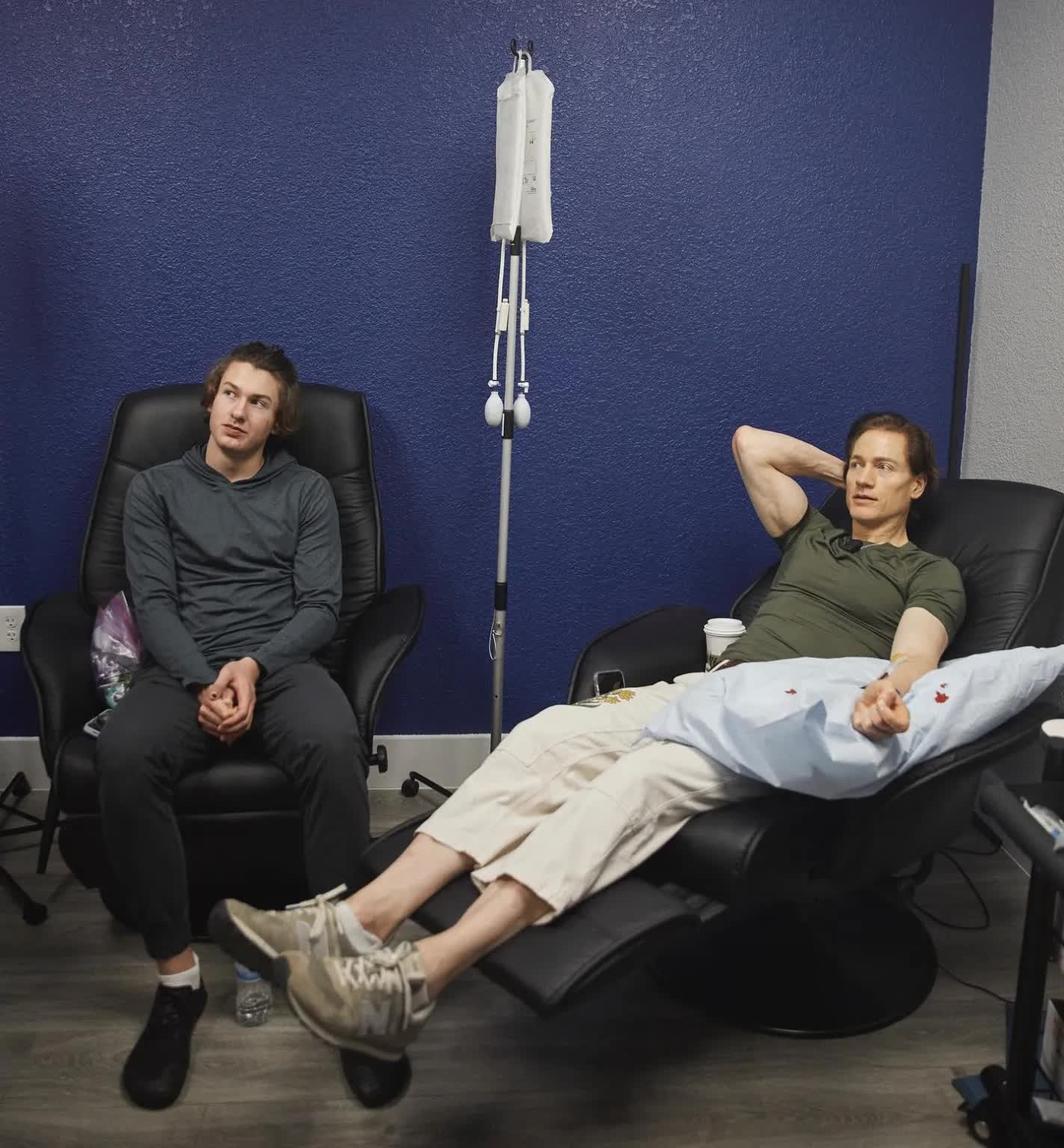
There’s the spreadsheet patient, who arrives at appointments with neatly organized data tracking everything from heart-rate variability to sleep stages to glucose levels. There’s the protocol refugee, taking 14 supplements, two experimental injectables, and a roster of peptides discovered on Reddit. And then there’s the social-withdrawal case, so committed to a cold-plunge-and-sauna schedule, fasting window, and nine p.m. blackout that family dinners and kids’ weekend games have fallen by the wayside.
To an outsider, and in isolation, some of these habits may not seem so extreme—Reddit peptides excepted. Health is wealth, right? But in the pursuit of longevity, some people are taking things so far that they may be counteracting the benefits of all those spreadsheets, supplements, and schedules. “You can optimize the life out of your life, and that’s the thing to beware of,” says Shlain, founder of Private Medical, a concierge-medicine practice with locations on both coasts of the United States, from New York to San Francisco.
Illustrated by Joan Wong
This emerging understanding of over-indexing on longevity has a name: longevity-fixation syndrome. It’s not an official diagnosis, but the term is most often attributed to Jan Gerber, founder of Paracelsus Recovery, a mental-health and addiction-recovery clinic in Zurich. Since 2011, Paracelsus has treated clients for depression, anxiety, eating disorders, drug addiction, and a host of other conditions. But only in the past two or three years, Gerber tells Robb Report, have people begun presenting with what he describes as a kind of addiction to longevity.