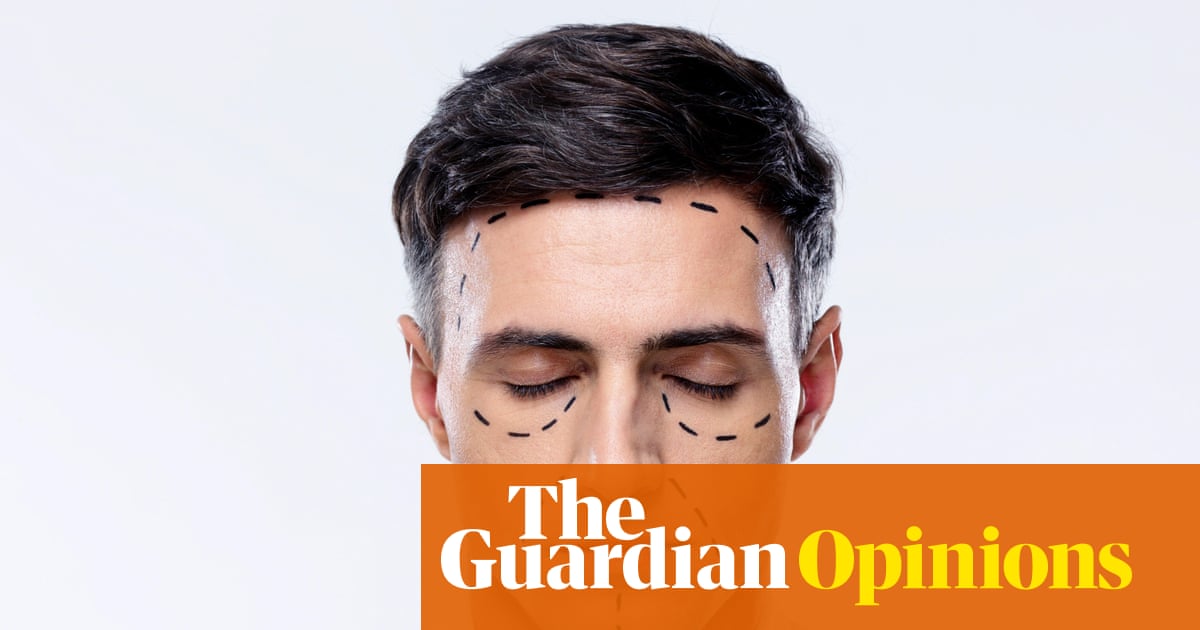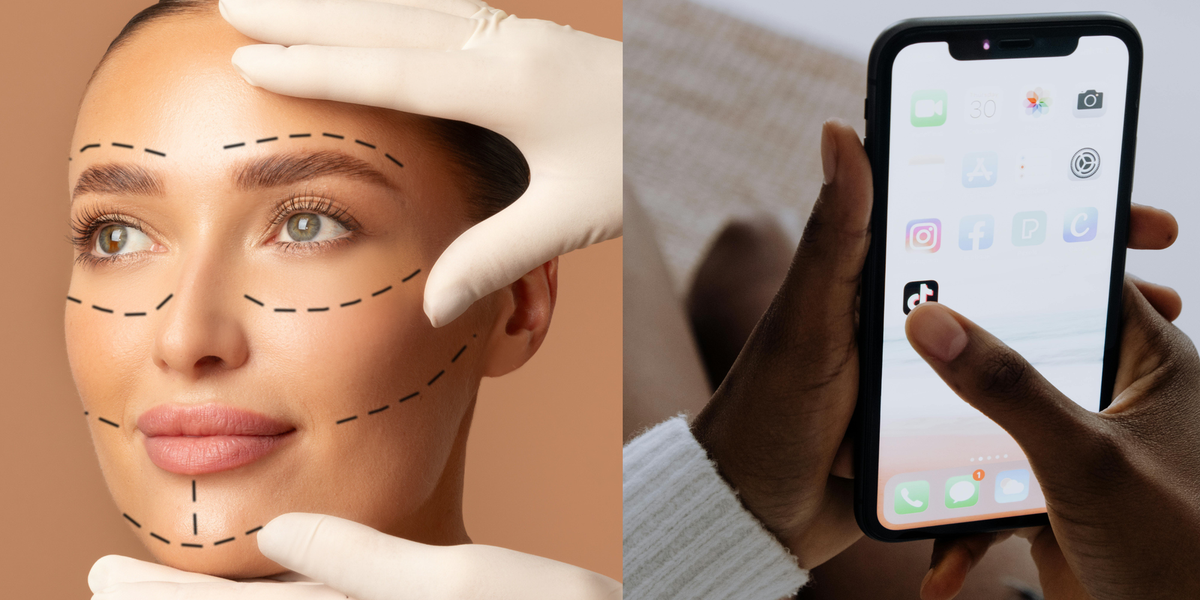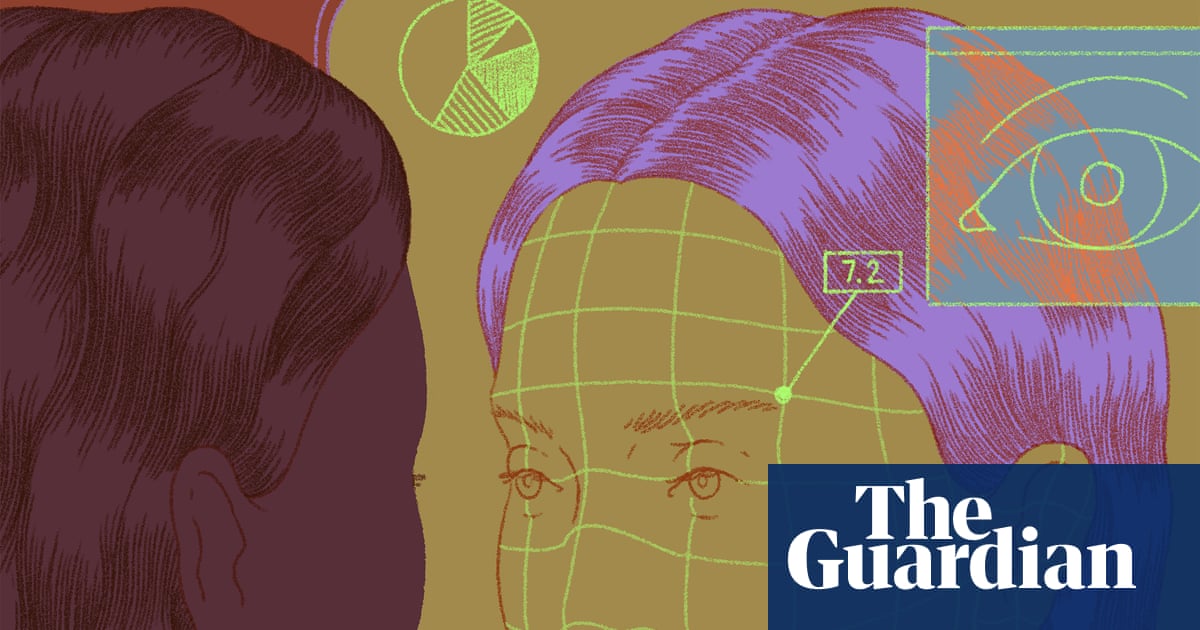
‘Looksmaxxing’ culture has led to the rise of facial analysis services – but experts warn they aren’t backed by science and can be harmful to users
Danielle, 37, didn’t always have issues with body image: she used to be a model and recalls receiving positive attention from men. However, when two years of unemployment plunged her into a period of financial insecurity, her confidence faded. “It was easy to wonder, if I was prettier, if some of my features were different, would that help?” she said.
So, when Danielle saw videos on TikTok about a “facial analysis” service that claimed it could provide her with “science-backed” glow-up advice, she bought it without hesitation. Three-hundred and thirty dollars later, after sending in selfies to be analyzed, Danielle received her personalized 30-page report from the company Qoves.
Qoves scored everything from Danielle’s ear shape to the femininity of her features. It recommended she get a rhinoplasty, a lower blepharoplasty, a canthopexy, chin implants and a malarplasty. Additionally: microblading, lash enhancements, filler in her temples and cheeks, a mixture of filler and Botox in her chin and jaw, and Botox around her mouth.
Danielle, who now works in tech in Colorado, is delaying any cosmetic surgery until she pays off the credit card debt accrued from her two years without a paycheck; once it is, she is interested in traveling to Mexico for procedures on her nose and eyelids. She also recently consulted a Botox and filler injector.