There are two ways to respond to convincing synthetic media, and they point in opposite directions: try to recognise the fake, or try to establish the real. The second is structurally more promising and it is not a solution either.
Two opposite strategies
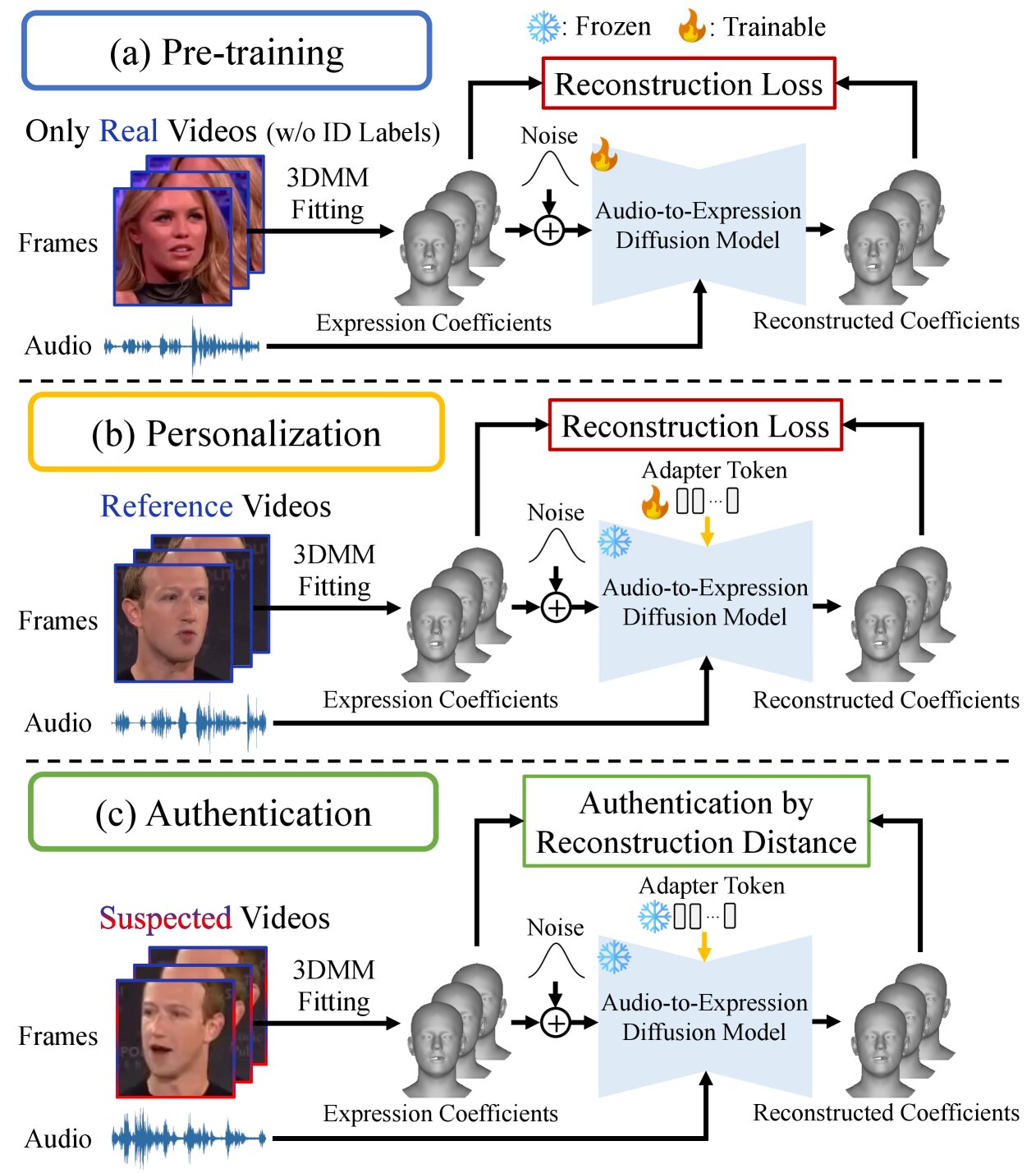
Detection asks a question about the artefact alone: does this image bear traces of synthesis? It needs no cooperation from anyone, works retroactively on existing media, and is an adversarial classification problem.
Provenance asks a question about the artefact’s history: who asserts where this came from and what was done to it? It requires cooperation from capture devices, editing software and distribution platforms, only works going forward, and is a cryptography and governance problem rather than a machine learning one.
Watermarking is a third thing that sits between them — a signal deliberately embedded by a cooperating generator — and has its own page in this cluster.