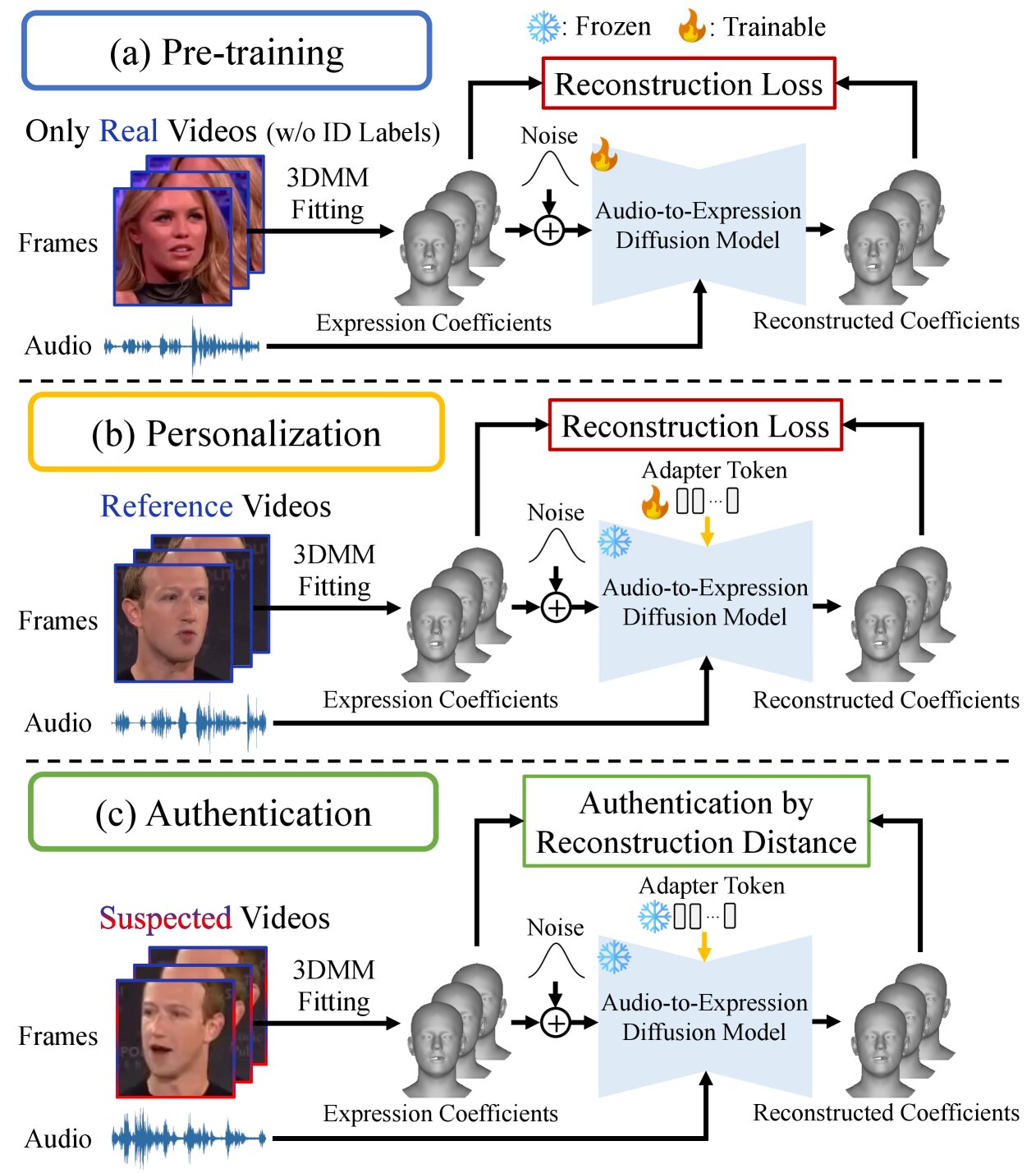
Our self-supervised face forgery detection approach: We pre-train our audio-to-expression diffusion model on a large-scale, unlabeled video collection. Then, we personalize our pre-trained model on the reference videos of a person of interest (POI) by inserting a subject-specific adapter. Finally, we authenticate suspected videos of POI by the diffusion reconstruction distance. Credit: arXiv (2026). DOI: 10.48550/arxiv.2601.02359
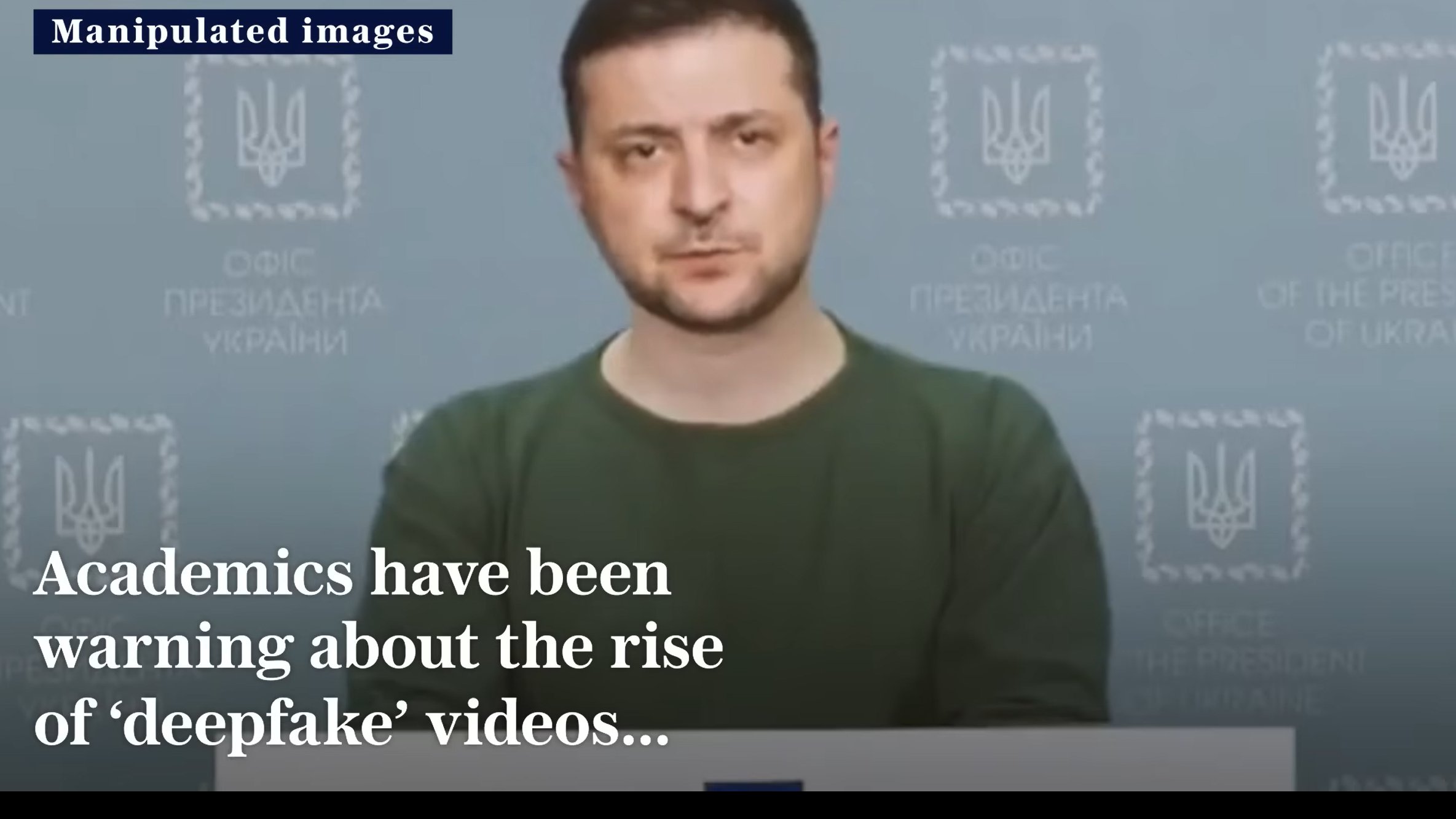
So-called deepfakes, that is, images and videos generated with the help of artificial intelligence, are becoming increasingly difficult to detect. An international research team from the University of Tokyo and the Max Planck Institute for Informatics in Saarbrücken, Germany, has developed a method that identifies manipulated videos more reliably than previous approaches—not by searching for visual artifacts, but by analyzing the naturalness of facial expressions. In tests on established benchmark datasets, the approach achieved an average detection accuracy of more than 95 percent and successfully identified manipulations that caused many existing detectors to fail.
Generative artificial intelligence can now create images and videos that are almost indistinguishable from real recordings to the human eye. While this enables many useful applications, it also opens the door to misinformation, identity theft and fraud. For this reason, the reliable detection of such deepfakes has become an important area of research.