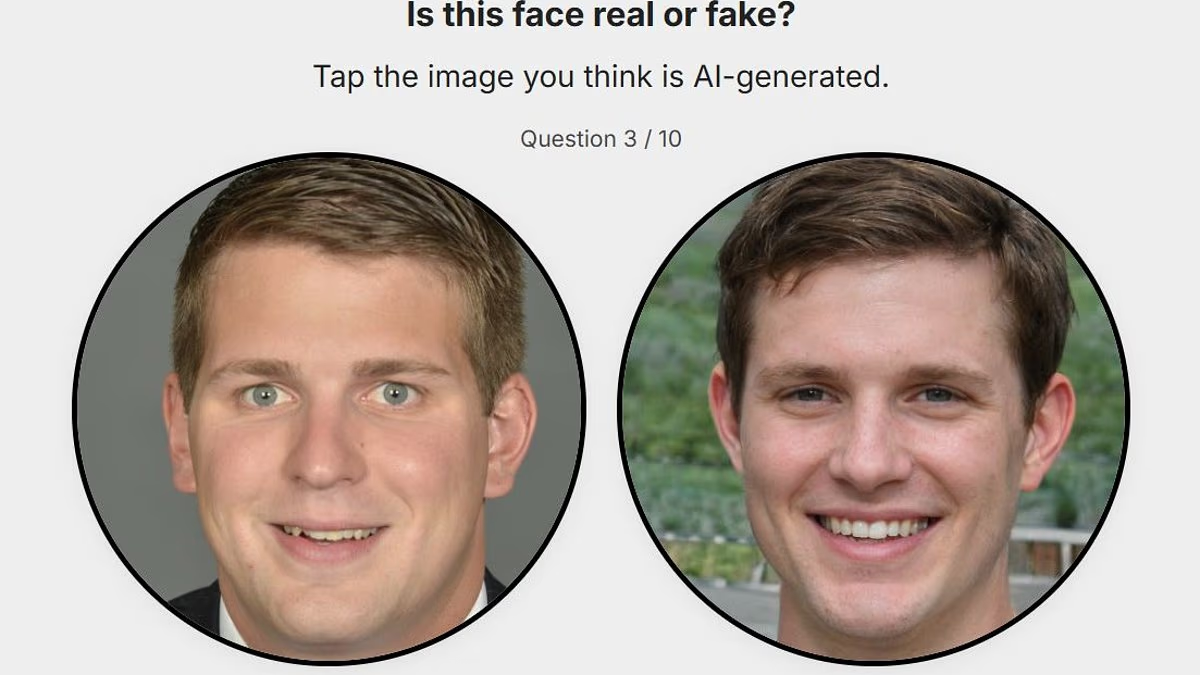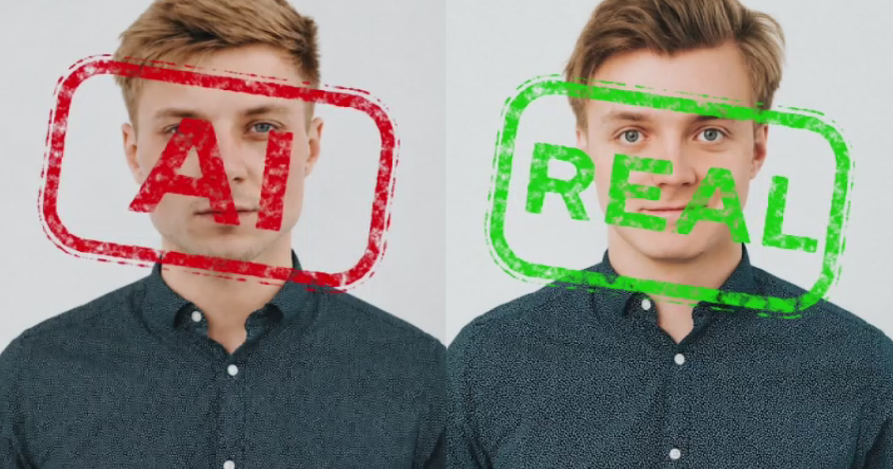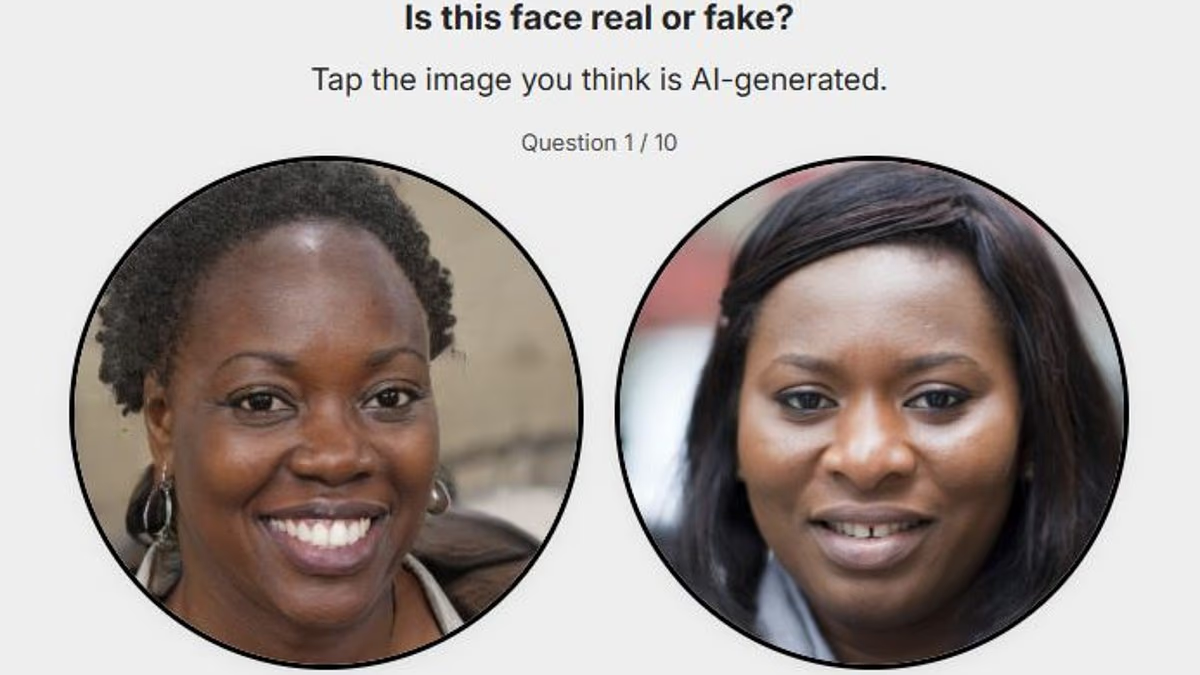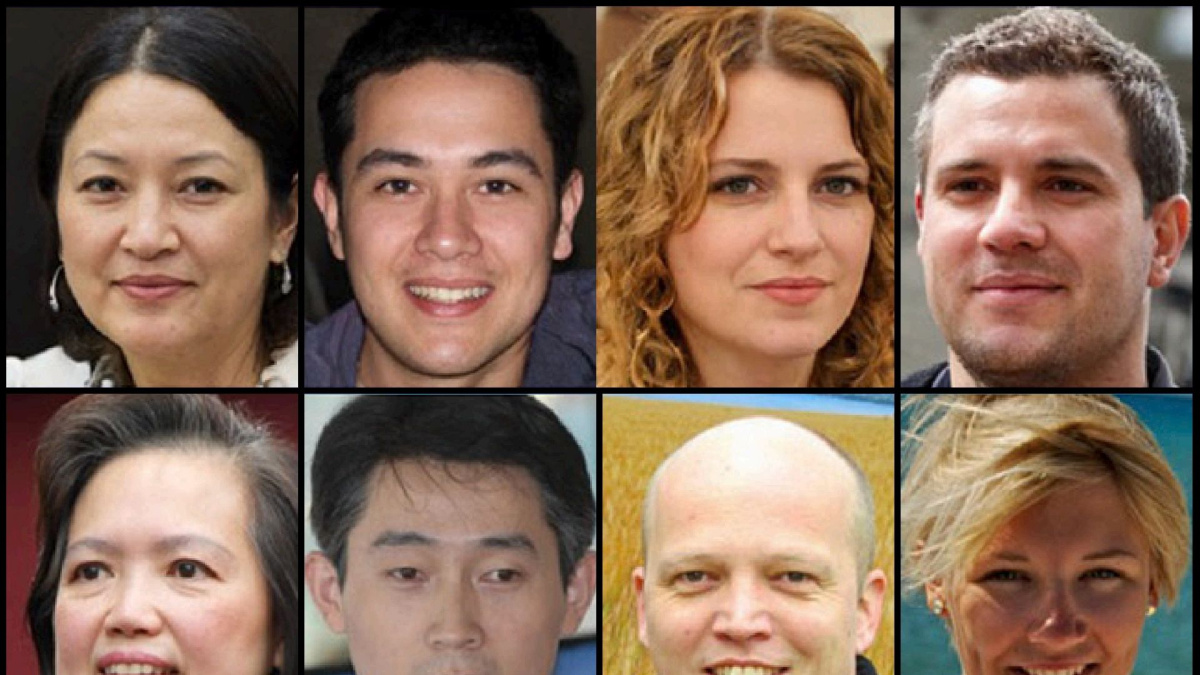
Scientists think they have discovered a much better way to determine if a photo you’ve seen was AI-generated, and no, it’s not via AI detection software. In a study published today in the Proceedings of the National Academy of Sciences (PNAS), researchers from Australian National University claim they used a special method to successfully train a group of participants to recognize AI-generated faces, in some cases with “near-perfect accuracy.” AI-generated deepfakes have surged in both popularity and technical capabilities over the past year. From 2023 to 2025, the volume of deepfakes online exploded, with roughly 900% annual growth as AI-driven image-generators improved. Once laughably easy to identify, AI slop has become harder to differentiate from the real thing. Previous studies found that people’s overall accuracy in identifying AI-generated content was practically a coin toss, with the odds even worse when distinguishing AI-generated faces from actual human faces. The implications of this have been terrifying for some, especially those who have been victims of AI-related fraud, disinformation, or non-consensual sexual deepfakes.
Previous methods for detecting AI-generated deepfakes have mostly relied on spotting visual errors: warped backgrounds, anatomical glitches, or telltale mistakes like missing fingers. But as AI image generators have become more precise, those cues have become far less reliable. Commercial AI-detection tools are not a perfect substitute, either. They can produce false positives, and because many of them are AI-driven themselves, the reasoning behind their conclusions is often hidden from the user, making it harder to know when the result should be trusted.