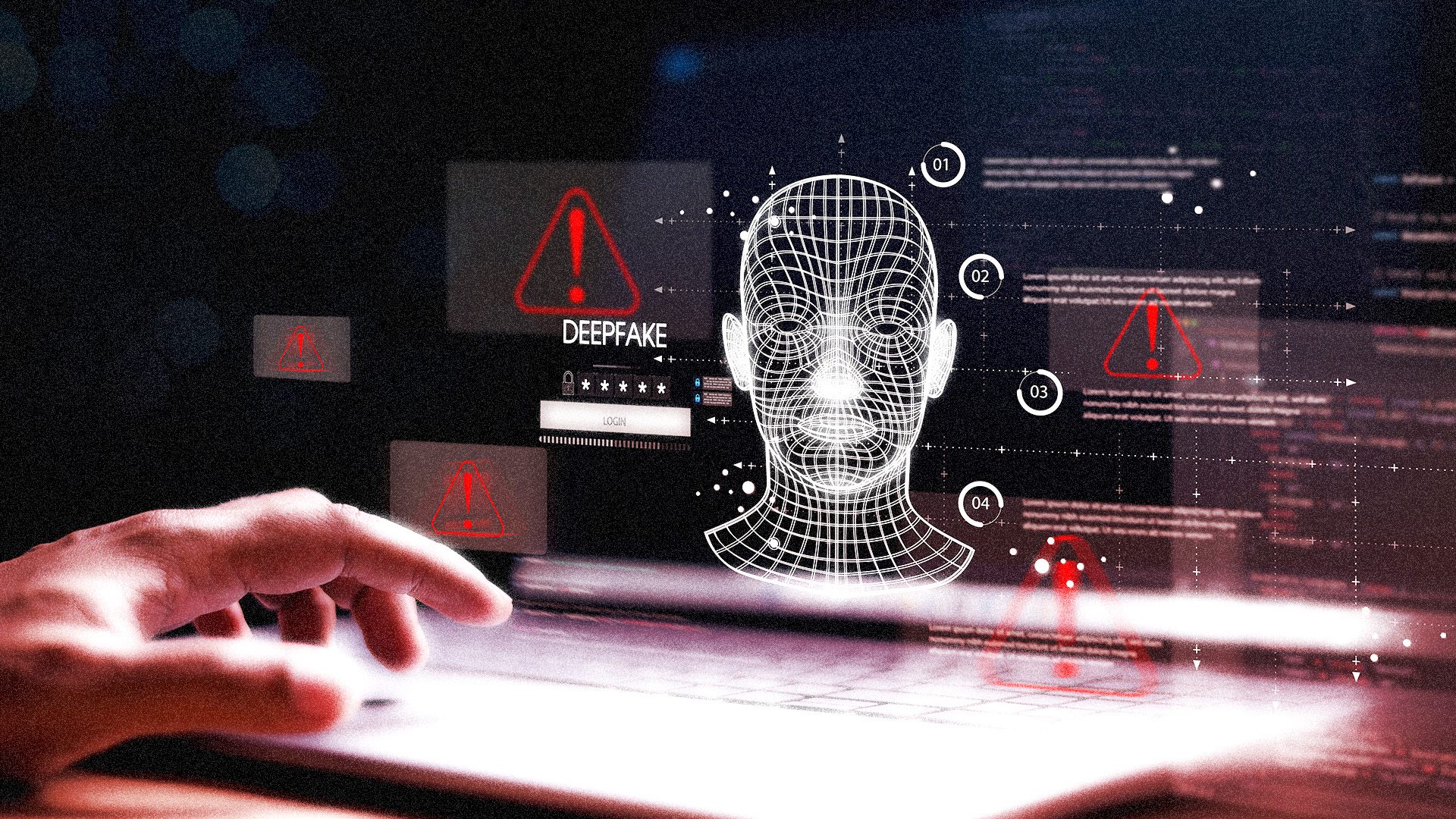
Deepfakes are synthetic media forms that use artificial intelligence (AI) to manipulate reality. They can create convincing images, videos, audio, and text that resemble human-like content.
Deepfakes can be used for various purposes, such as entertainment, education, and research. However, they can also pose serious threats to individuals and organizations, such as fraud, identity theft, and misinformation.
Power House Forensics lists types of deepfakes, how they work and what are the potential dangers of deepfake technology.
1. Textual Deepfakes
Textual deepfakes are AI-based systems that can generate human-like written content, such as articles, poems, and blogs. They use natural language processing (NLP) and natural language generation (NLG) techniques to analyze and produce text based on a given topic, style, or tone.