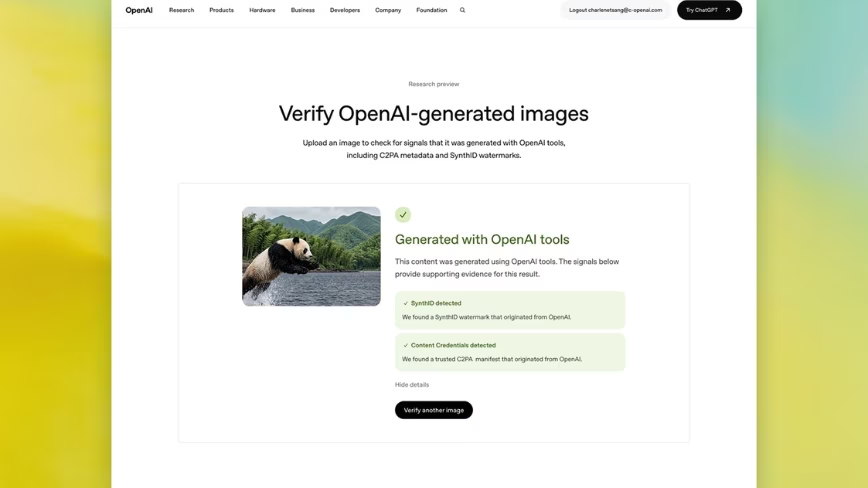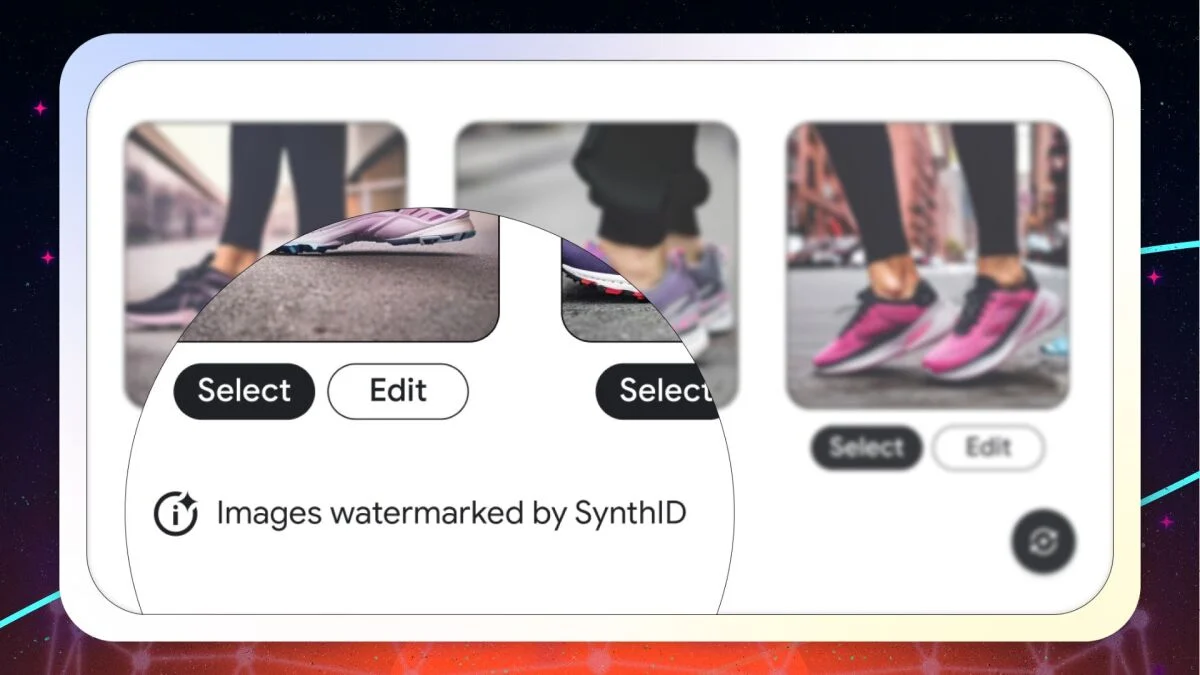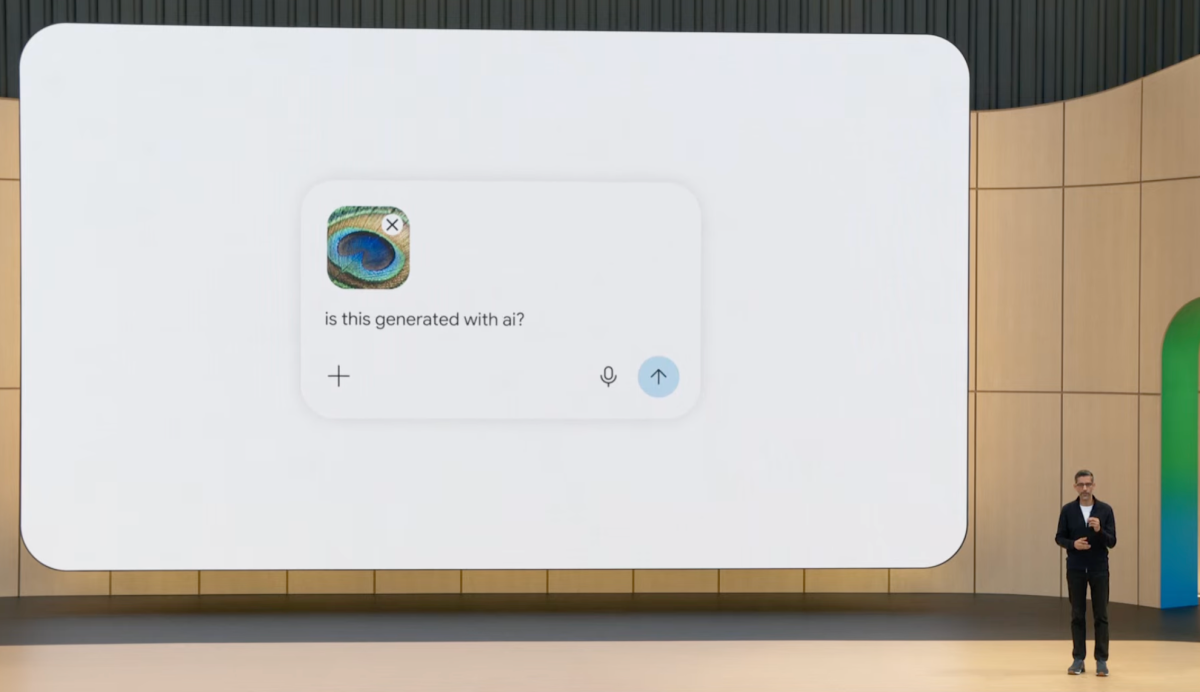
OpenAI is layering up its approach to proving what’s real and what’s synthetic. The company announced it will now embed Google DeepMind’s SynthID watermarks into AI-generated content alongside C2PA content credentials, creating what amounts to a belt-and-suspenders system for identifying machine-made media.
The logic is straightforward. C2PA metadata, the current gold standard for content provenance, tells you how an image, video, or audio file was created or edited. But that metadata can be stripped away when files get re-saved, screenshotted, or passed through social media compression. SynthID solves that problem by embedding an invisible, resilient watermark directly into the content itself.
Two systems, one goal
C2PA credentials carry detailed context about a piece of content, including which AI model generated it and when. SynthID, developed by Google DeepMind, embeds watermarks that survive common edits like cropping, filtering, and format conversion.
OpenAI put it plainly: “These two systems reinforce each other. C2PA helps content carry detailed context; SynthID helps preserve a signal when metadata does not survive.”