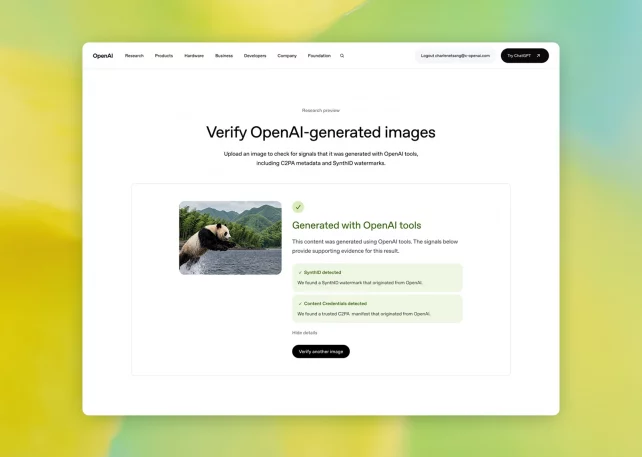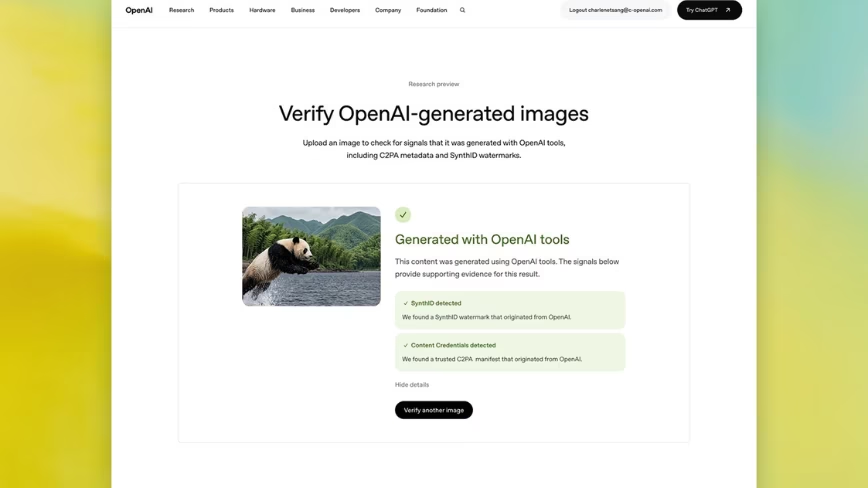
TL;DROpenAI is joining the C2PA open standard and partnering with Google to embed invisible SynthID watermarks in its AI-generated images. The company is also previewing a public verification tool, though the measures only apply to OpenAI’s own products and will not affect imagery from other AI tools.
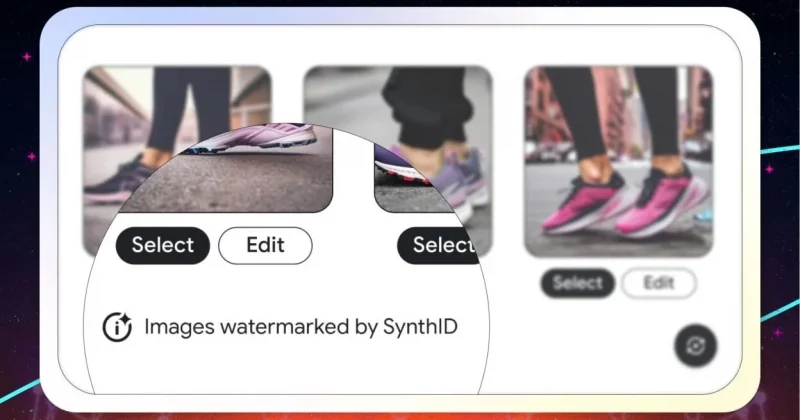
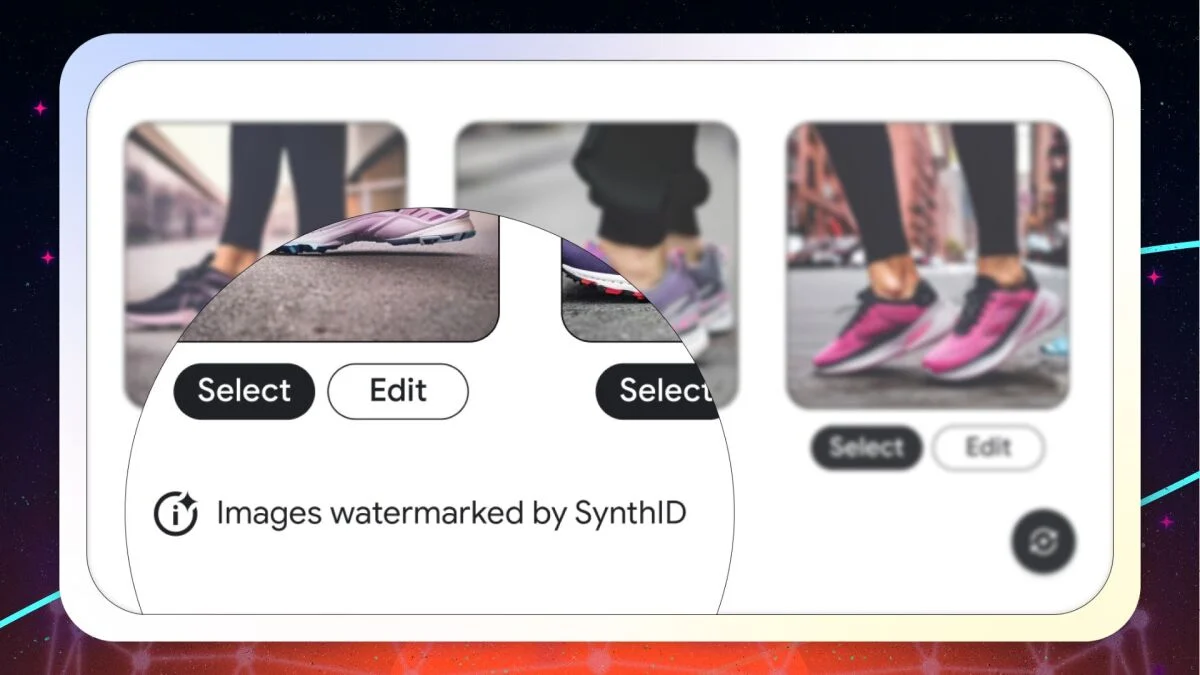
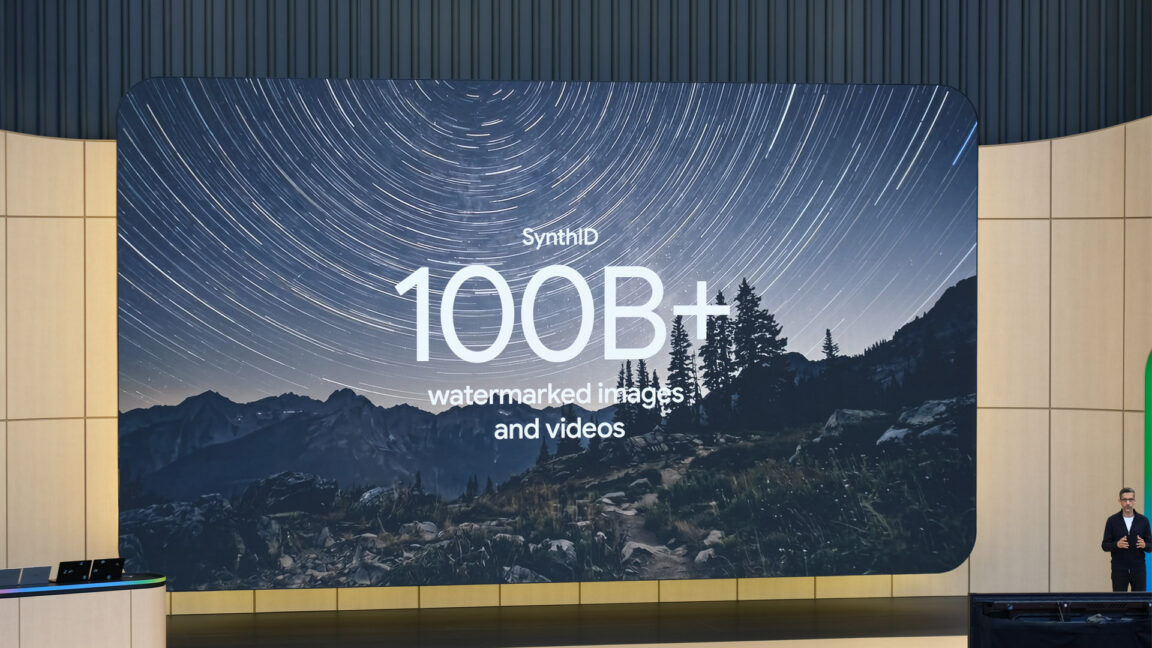
OpenAI has announced two new measures designed to help the public determine whether an image was created by its AI models. The company is formally joining the Coalition for Content Provenance and Authenticity (C2PA) open standard while simultaneously partnering with Google to embed its invisible SynthID watermark across OpenAI’s image outputs.
The moves represent a meaningful step toward transparency in AI-generated imagery, though their scope remains limited to content produced by OpenAI’s own tools.
Two systems, one goal
The C2PA standard, founded in 2021 by Adobe, Arm, the BBC, Intel, Microsoft, and Truepic, attaches metadata to a file that records its origin and any edits made along the way. It has since been ratified as an ISO standard and adopted by a range of Google products, though adoption remains inconsistent across the wider industry. Because the C2PA signal sits in a file’s metadata, it is clearly accessible, which also means it can be stripped or manipulated. The standard is most reliable among trusted users and platforms that choose to preserve it.