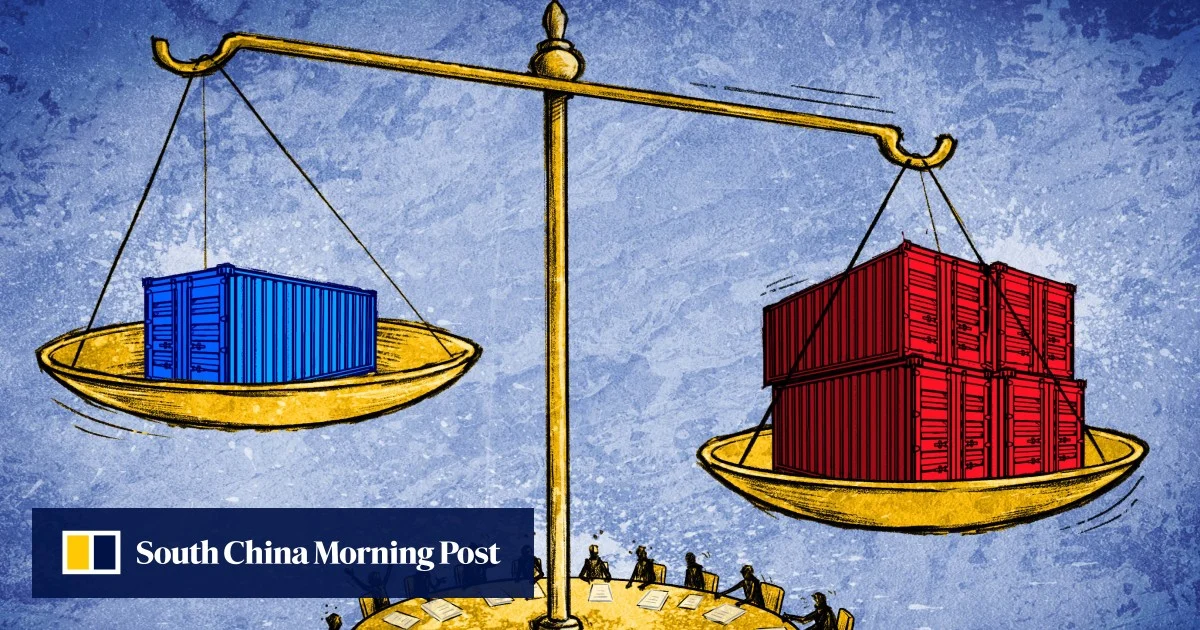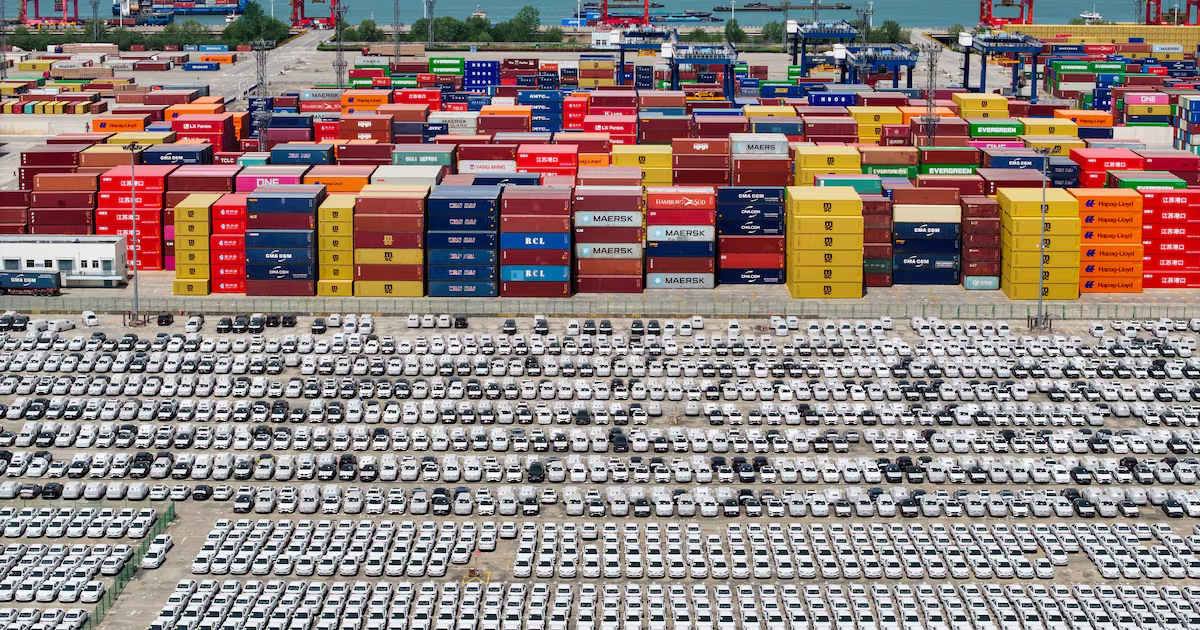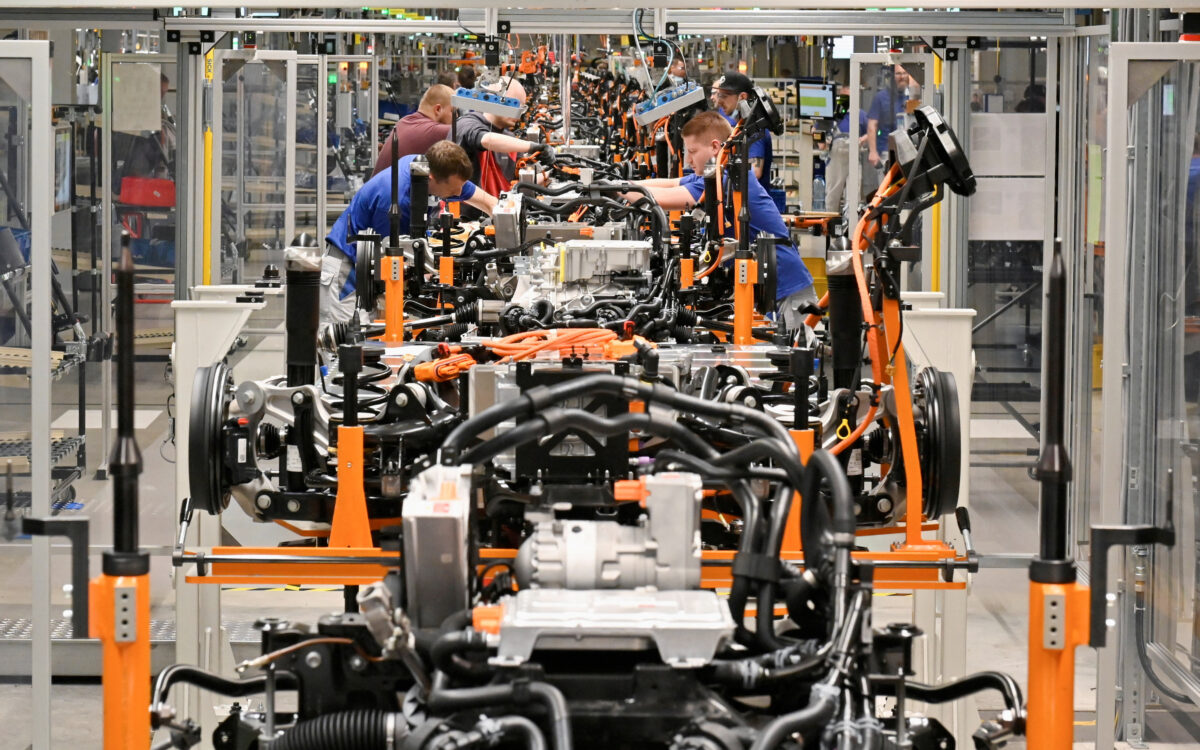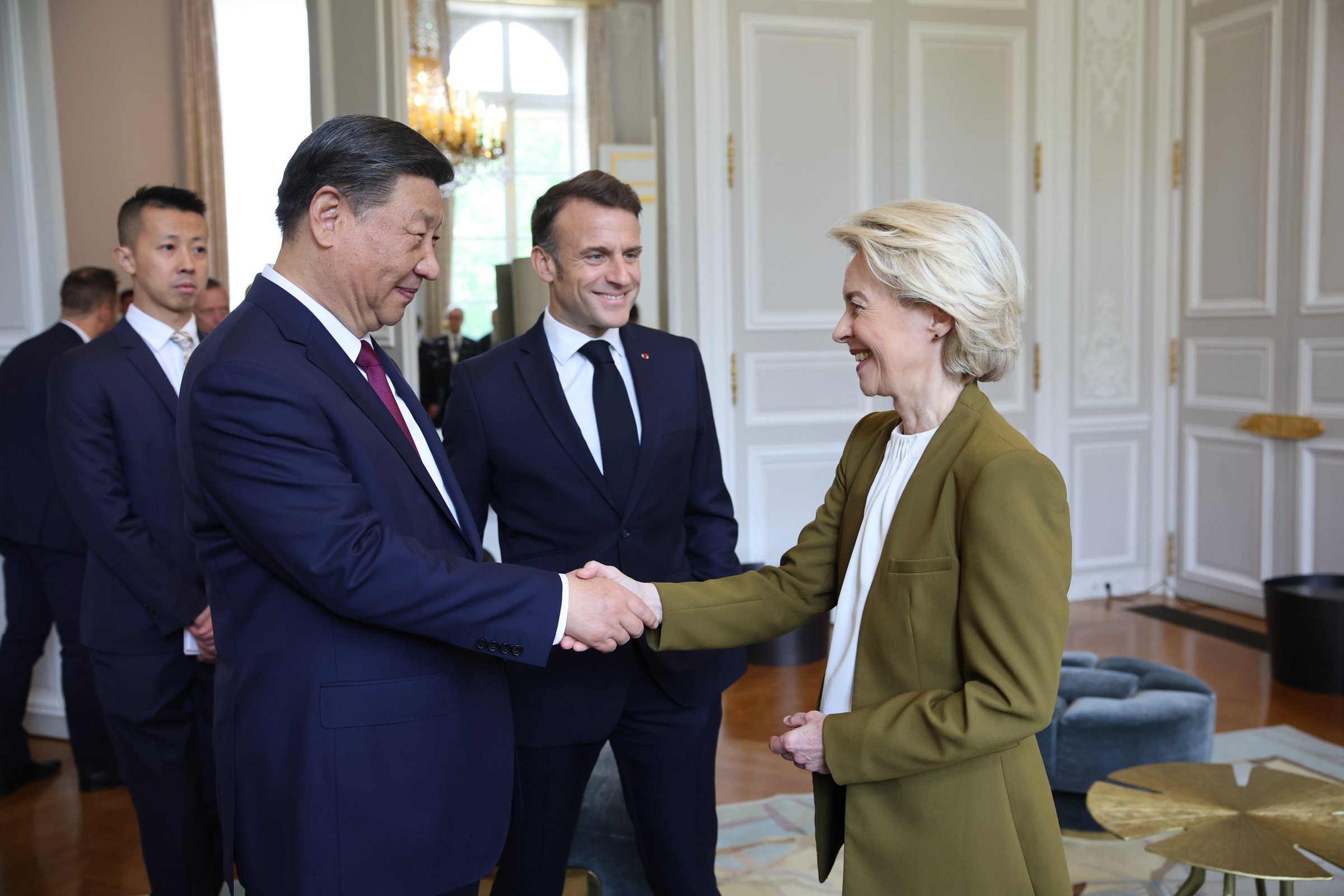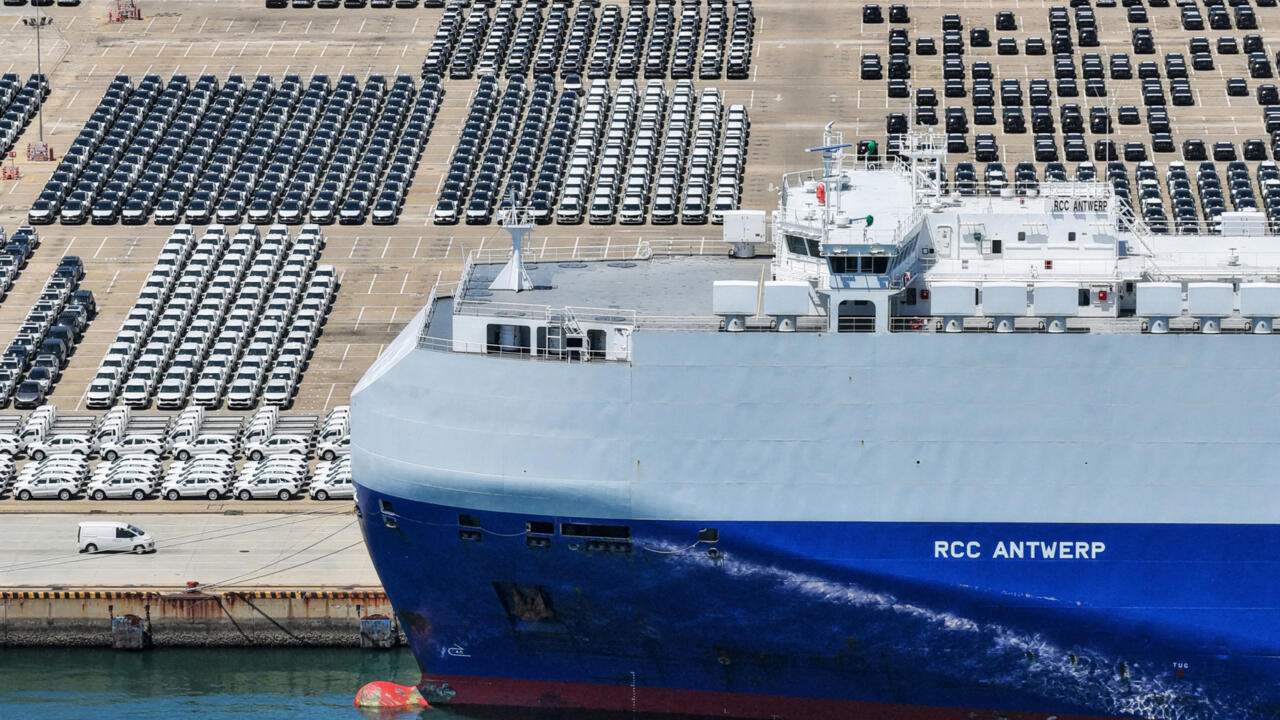
When Western companies rushed into China in the 1980s and 1990s, they traded their latest technology for market access. Now, China has absorbed, adapted and improved foreign know-how and is flooding Europe with advanced products, while the European Union's trade deficit balloons. As Paris and Berlin finally align on a response, analysts question whether Brussels' defensive "instruments" can contain a rival it helped create.
When in 1994 Klaus Wulf, chief technical officer of the German-Chinese joint-venture FAW-Volkswagen was asked if he was worried about the effect of China’s demands for transfer of the latest German technology, he did not appreciate it. “You are looking for a needle in a haystack,” he snapped angrily. “We now have access to a market with millions of customers." In Changchun, the factories of Chinese car giant First Automotive Works had begun producing Volkswagen's Jetta sedan car, based on the Germany company’s 1979 model. It was to become immensely popular with the rising Chinese middle class, and taxi companies. Volkswagen was one of a handful of Western car companies trying to gain a foothold in China, after it opened its doors to the outside world in 1979 following three decades of isolation, allowing foreign investment as of 1984. Beijing had granted the German company permission to start "joint ventures" with Chinese partners in Shanghai (Volkswagen Santana) and Changchun, in the far north of the country. French carmaker Peugeot got its foothold in Guangzhou, in a joint venture with the city government, while Citroën established itself in Wuhan, linking up with military truck manufacturer Dongfeng. American Motors Corporation established a joint venture with Beijing Automotive (later inherited by Chrysler), to produce the “Beijing Jeep” Cherokee.