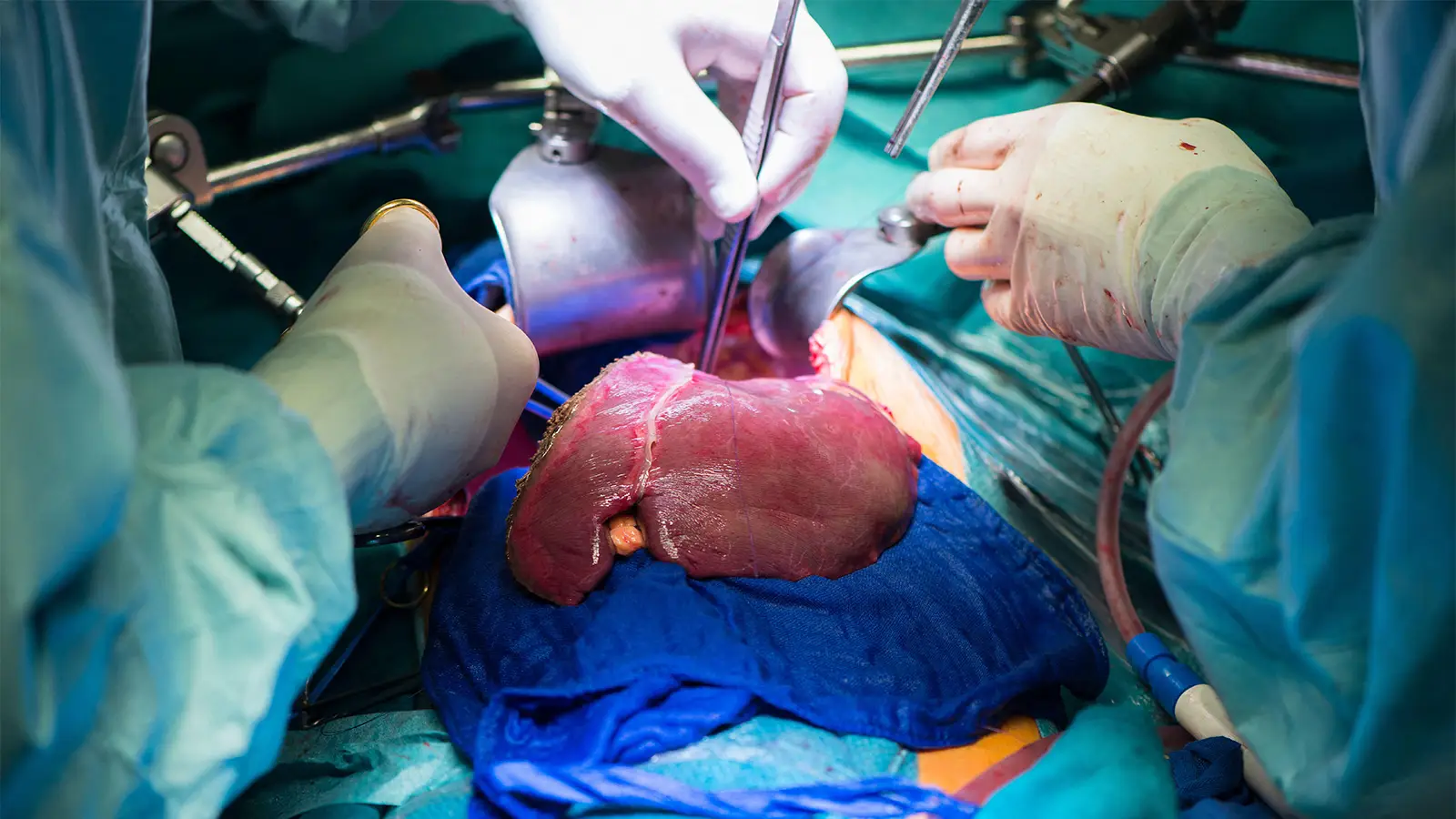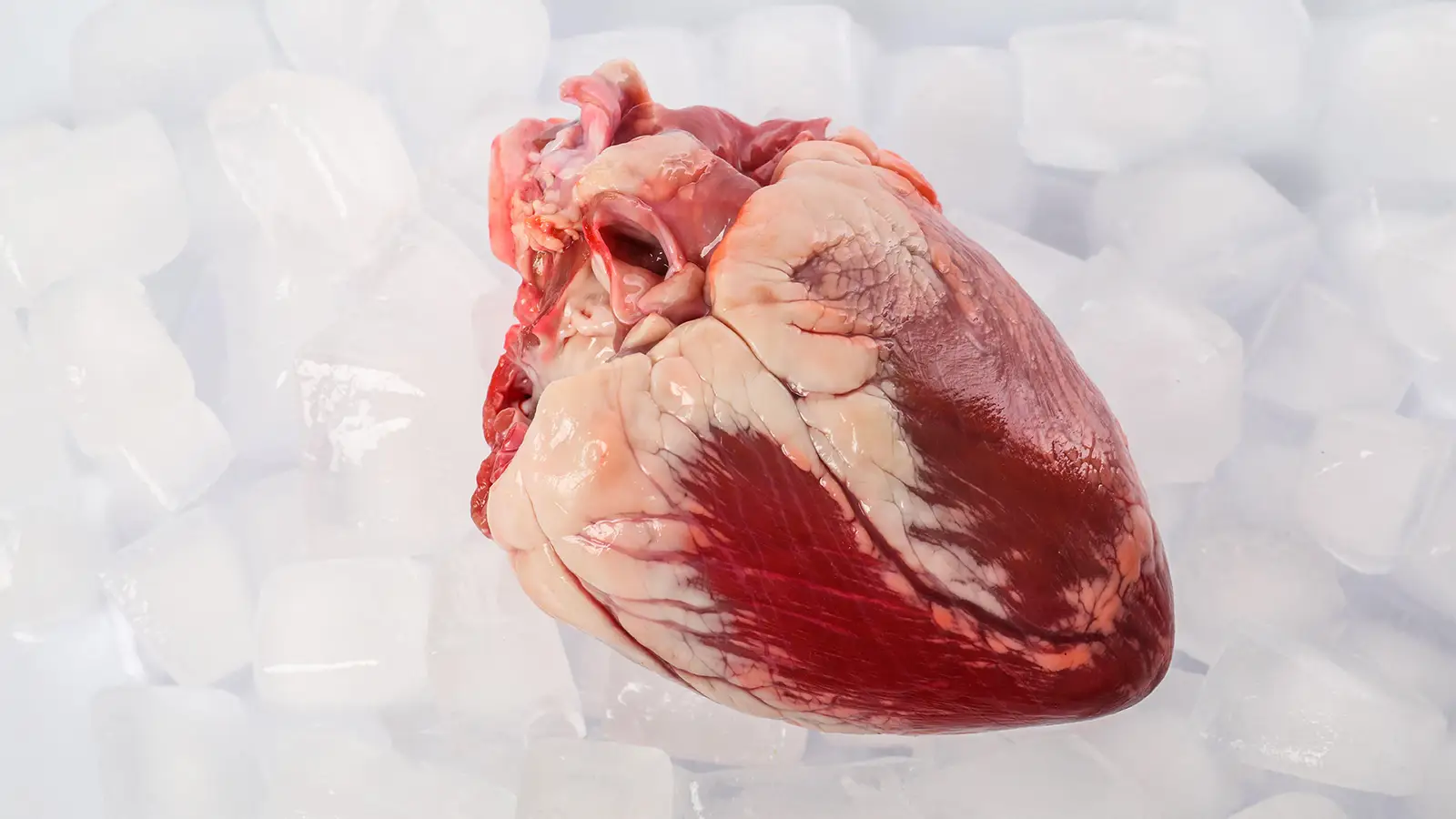
Researchers sought to analyze whether heart transplant outcomes hinged on the temperature setting of static cold storage of the donor heart.Between 4-8°C and 10°C cold preservation, there was a marked difference in graft and survival outcomes across adult heart transplants at two high-volume centers.The study adds evidence that preservation temperature may play a critical role in early graft performance, as cold static storage has been linked to protein denaturation, conduction-system injury, and irreversible diastolic dysfunction.
Colder was not better when it came to donor heart storage, according to preliminary findings from a retrospective analysis.
Between static cold storage (SCS) at 4-8°C and 10°C, there was a marked difference in outcomes across adult heart transplants performed at two high-volume centers in the U.S., reported a team led by Aaron Williams, MD, of Vanderbilt University Medical Center in Nashville, Tennessee, in Circulation: Heart Failure.
After propensity score matching, 10°C preservation was associated with less primary graft dysfunction (PGD; 2.9% vs 14.6%, P=0.008), less post-bypass left (10.1% vs 37.7%, P<0.001) and right ventricular dysfunction (0% vs 10%, P=0.003), reduced new intra-aortic balloon pump use (2.9% vs 22.3%, P<0.001), and improved 1-year survival (95.7% vs 86.2%, P=0.046).