Organ transplants have saved more than 1 million lives in the United States alone since the first one in 1954. That’s 1 million people granted a second chance at life, and 1 million families who didn’t lose a loved one.
As one of those transplant recipients, and a mother to one, I know firsthand how precious a donor organ is. When I was just 26, I was diagnosed with peripartum cardiomyopathy, a rare form of heart failure. Not long after I finally received my transplant, my 13-year-old son, Micah was diagnosed with Danon disease and hypertrophic cardiomyopathy that left his heart functioning at just 7%. He, too, received the gift of life in the form of a heart transplant.
My son and I survive, and thrive, because of this life-saving procedure, which is why it saddens me when the technology designed to improve transplants goes unused simply because patients aren’t aware it exists.
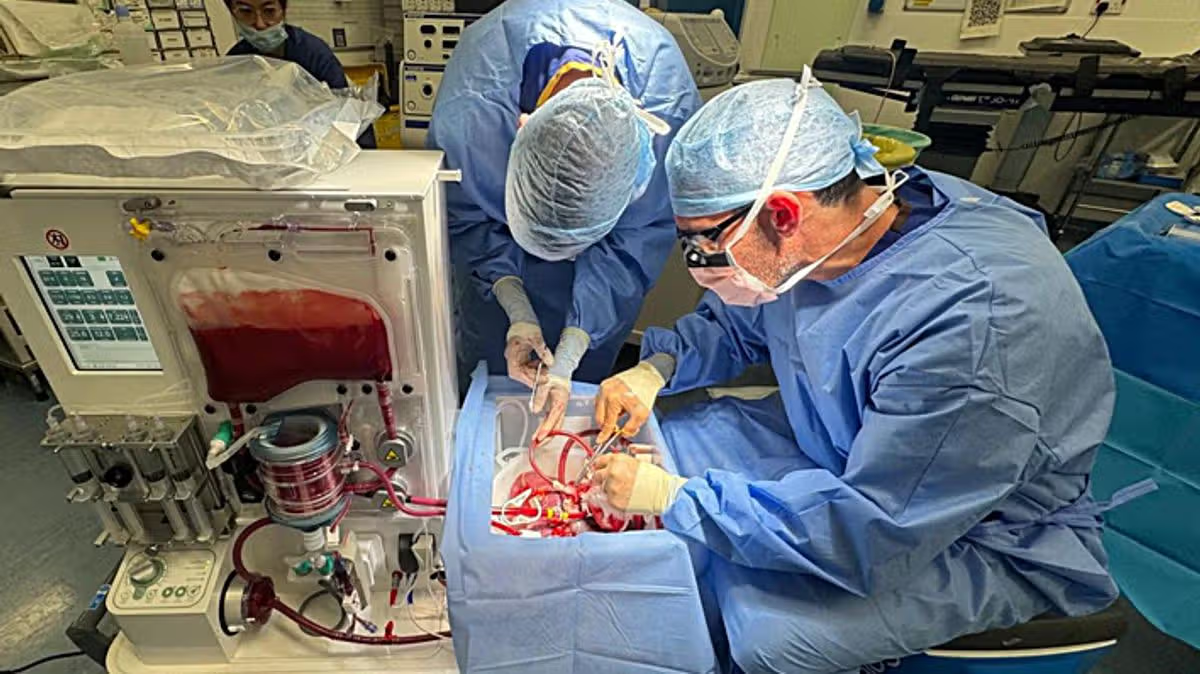
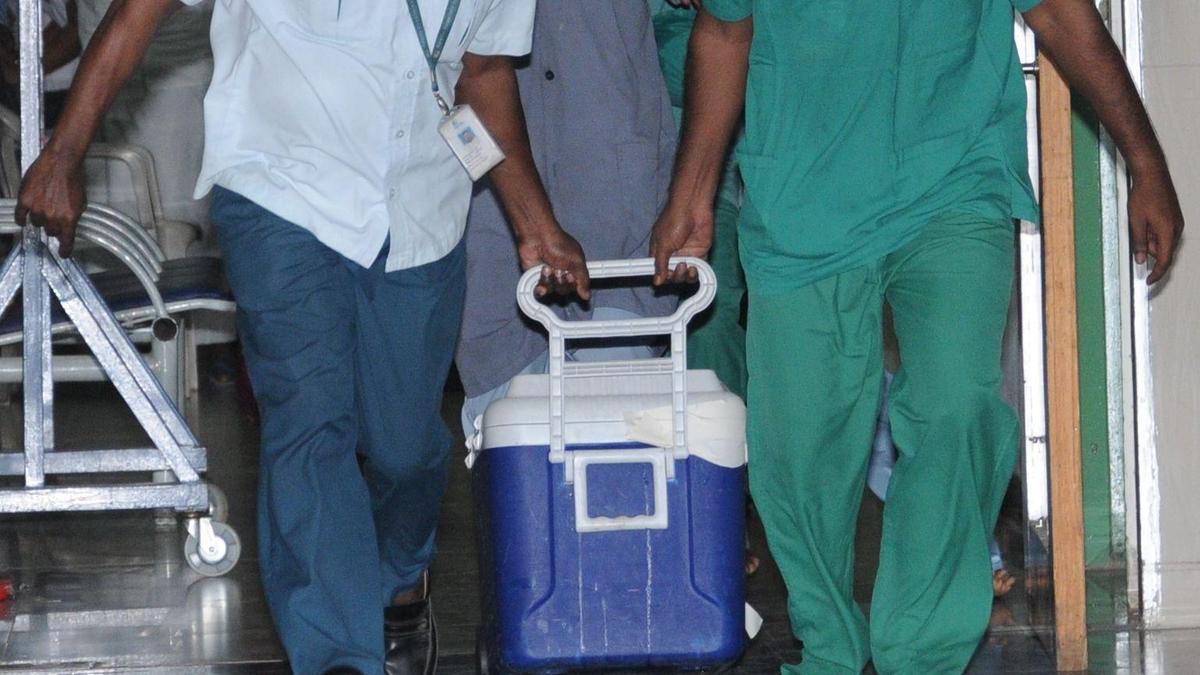
When I received my new heart in 2018, almost all donor organs were still transported in cheap plastic ice coolers you can find in the sporting goods section at big box stores. Within just a few years, technology had advanced and Micah’s heart was transported in a medically-cleared storage container specially designed for protecting donor hearts.